Posted on Leave a comment

How to get Bigger Fruits Using Organic Fertilizer

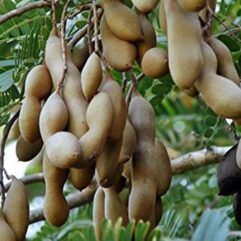
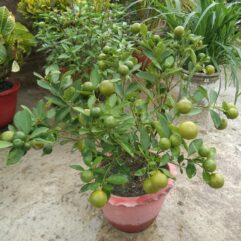
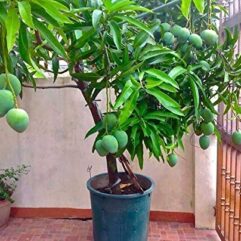
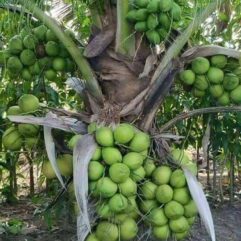
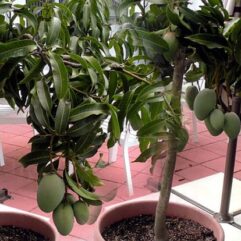
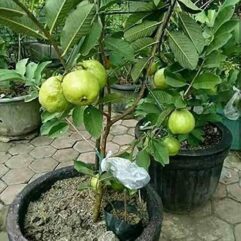
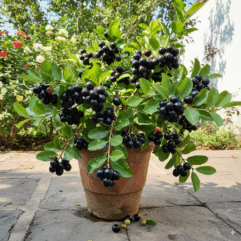
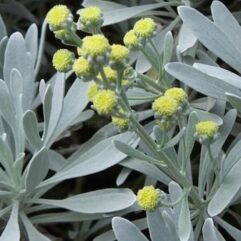
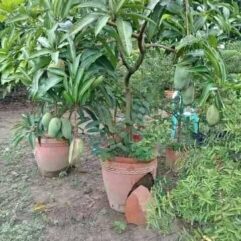
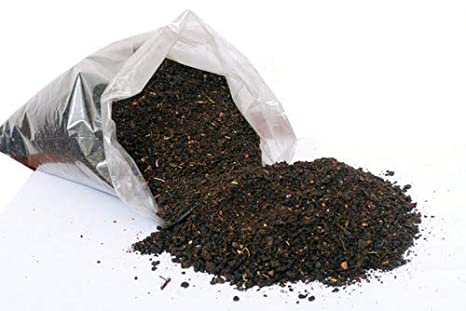
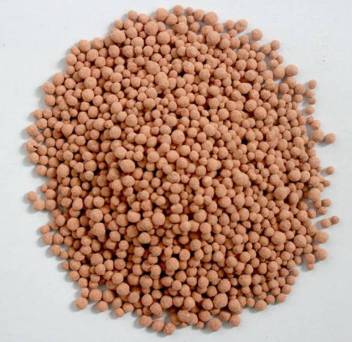
Do you want to grow size of fruits on your plant? Bonsai Plants Nursery Got an Ultimate Organic way To increase Fruit Size on Any Plant. By using Amratras Liquid fertilizer Farmers increased the size of fruits in their garden and earned extra. farmers say thanks to Amratras for adding extra money to their pocket. Order Amratras liquid fertilizer using this link now https://bonsaiplantsnursery.com/product/amrutras-liquid-organic-ferlizer-250-ml/

Amrutras means World’s best liquid organic ferlizer developed with
advanced technology which nourishes and protects all farm products

Specializaon of Amrutr on of Amrturas:

  • India’s first patented product(Liquid Organic Ferlizer).
  • Saves 25-30% of nitrogen, phosphorous and
    potassium ferlizers.
  • Enriched with 21 important nutrients for crops.
    Necessary for healthy nursery plants.
  • Easy to use.
  • Suitable for both drip and sprinkle methodology.
  • 15-45% increase in producon.
  • Suits green house.
  • Proven results on all types of crops.

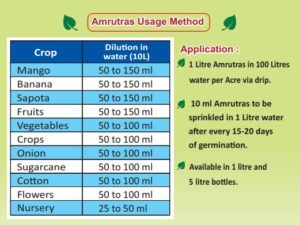
Application :

  • 1 Litre Amrutras in 100 Litres
    water per Acre via drip.
  • 10 ml Amrutras to be
    sprinkled in 1 Litre water
    aer every 15-20 days
    of germinaon.

Things to take care while using Amrutras:

  • Do not mix any kind of chemical pescide or spreader with Amrutras.
  • Sprinkle Amrutras preferably early morning or in evening for best results
  • Store away from sunlight
  • Shake bole well before use.
  • If chemical ferlizer is already been used,
    kindly maintain a gap of atleast one week prior using Amrutras.

Advantages of Amrutr es of Amrutras :

  • Not only retains ferlity but also enriches soil and makes healthy plants.
  • It transforms non ferle land into nutrients enriched ferle land.
  • Amrutras slowly destroys poisonous substances from soil.
  • Amrutras reverses negave impact of chemical ferlizers on soil by
    enriching it with nutrients.
  • Use of Amrutras substanally increases producon/yield.
  • Amrutras helps crops/fruits retain their original color and taste.

Download user Guide

Posted on Leave a comment

How to Treat Unhealthy Plants – How to Save a plant thats about to die

Buy Fast Growing Quality Plants- https://bonsaiplantsnursery.com/ How to Treat Unhealthy Plants Plants, like people and animals, can develop a number of diseases. Whether you see it in your houseplants or out in the garden, diseases can destroy your greenery quickly if not treated, prevented, or destroyed Whenever plants begin to drop their leaves, it is certain that their health has been injured; this maybe due to over-potting, over-watering, over-heating, too much cold, or the application of such stimulants as guano, or to some other cause which has destroyed the fine rootlets by which the plant feeds, and induced disease that may lead to death. Natural Remedies Many of these treatments involve making and using a spray. It is best to use the spray in the early morning or in the evening. Do not spray when it is too hot, or it may burn your plant’s leaves. Before trying any spray, you would be wise to test it on one leaf first Apple cider vinegar Dilute one tablespoon of vinegar in one gallon of water and use to treat fungal infection on any type of plant. It can also help treat black spot on aspen trees and on roses. Baking soda Another fungicidal spray is made with baking soda. Mix one tablespoon of soda with two and a half tablespoons of vegetable oil and add to a gallon of water. Shake the mixture well and add to it one half teaspoon of castile soap. Chive spray. This mixture is useful for treating downy mildew on vegetables like pumpkins, squash, and cucumber. To make it, steep a large bunch of chopped chives in boiling water. Strain the chives out and use the liquid to treat the vegetables. It can also help prevent apple scab. Garlic To prevent fungal infections in any plants that you feel are susceptible to them, you can use this effective spray. To make it, you need, clematis leaves, and the papery outer covering of garlic. Chop them up together in a blender or food processor with water. Strain the liquid and use it as a spray. Pruning the Infected Area Once infection is noted in the plant. Its important to pruned it immediately.Pruning cuts should be cuts 12 inches below any discolored this is because discoloration is a chemical response of plants. Watering Regularly The amount of water may vary from species to species. Find out the average moisture needs of your particular plant and then get a moisture gauge. Monitoring Plant

Article Sources: https://chestofbooks.com/gardening-horticulture/Gardening-Pleasure/Chapter-XX-Unhealthy-Plants-The-Remedy.html

Treating Plant Diseases Naturally

Posted on Leave a comment

Rooftop Vegetable Gardening – Grow Vegetable at Home

Buy Fast Growing Quality Plants online at https://bonsaiplantsnursery.com/

Posted on Leave a comment

How to Make Homemade Fertilizer for Flowers and Fruit Plants

Buy fertilizer for plants here https://bonsaiplantsnursery.com/produ… How to Make Homemade Fertilizer for Flowers and Fruit Plants What is Organic Fertilizer? Organic fertilizers comprise a variety of plant-derived materials that range from fresh or dried plant material to animal manures and litters to agricultural by-products 7 Best Homemade Fertilizer for Flowers and Fruit Plants Grass Clippings If you have an organic lawn or rake, make sure to collect your grass clippings to use on your gardens. Half an inch to an inch of grass clippings makes a great weed-blocking mulch, and it is also rich in nitrogen, which is an essential nutrient for most plants. Manure Manure comes from a variety of sources — cows, horses, chickens, and even bats. Each type of manure is high in nitrogen and other nutrients, but you’ll need to use it carefully. Raw manure is highly acidic and may actually have more nutrients than your plants need, so too much can burn your plants. It’s best to use composted manure. Coffee Grounds Coffee grounds come with a lot of uses, but one of their best is as a fertilizer. Lots of plants, such as blueberries, rhododendron, roses, and tomatoes, thrive best in acidic soil. Recycle your coffee grounds to help acidify your soil. Eggshells Egg shells are something else that you probably have tons of throughout the week and typically just throw out. The shells contain a lot of calcium which helps with cellular growth in your plants. Calcium deficient soil can lead to blossom end rot on tomatoes and various other garden catastrophes. This egg shell fertilizer will help to end that. Just crush up used egg shells and then bury them in the soil. Banana Peels We eat bananas for their potassium, and roses love potassium too. Simply bury peels in a hole alongside the rose bush so they can compost naturally. As the rose grows, bury the peels into the soil’s top layer. Fireplace Ash Fertilizer Fireplace ash provides calcium carbonate and potassium to plants. All you need to do is add the ash to the garden bed and then massage it into the soil. It may be best to do this right before planting so that you don’t risk knocking your plants over or harming them while massing the ash into the soil. Onion Skin Fertilizer Don’t throw away the onion skins, use them to create organic potassium-rich fertilizer for all your plants growing indoors or outdoors. Using it will increase their disease resistance, growth, strong stems, and productivity. Use the leftover onion skins for mulching. The dry peels will decompose soon and enrich your soil with potassium and calcium.

Article Sources: https://www.sciencedirect.com/topics/agricultural-and-biological-sciences/organic-fertilizer

https://www.farmersalmanac.com/8-homemade-garden-fertilizers-24258

https://www.farmersalmanac.com/8-homemade-garden-fertilizers-24258

Posted on Leave a comment

How to Get Epic Amount of Fruit from Grape Plant

Buy Best Quality Fast Growing Fruit plant only at https://bonsaiplantsnursery.com/shop/ How to Get Epic Amount of Fruit from Grape Plant Grapes are versatile fruits used in a wide range of popular foods — from raisins to jelly to wine. Grape vines not only produce sweet and versatile fruits, they add an element of drama to a garden or landscape. They are vigorous growers. Where To Plant Grapes Your location needs to be prepared with a support well in advance. You can use a trellis, an arbor, or any number of other types of support structure, but it needs to be there when you plant your vine. How To Plant Grapes Bare root grapes should be soaked in water for at least 2 hours prior to planting. Potted grapes should be watered well the day before to reduce transplant shock. Begin by digging a hole that is a minimum of a foot wide and deep. Add four inches of good topsoil to the bottom of the hole, then examine your plant’s roots. Trim off any which are broken or damaged. Support Grapevines need some type of support or they will trail along the ground. The support can be an arbor covering a patio for shade, or can be as simple as a post in the ground to support the trunk of the vine. Growth Of Grape Plants Bud Break In the early spring as the vine comes out of dormancy, it begins with “bleeding” of vines which were pruned during the winter months. As the soil warms, water will ooze out of places where the cane was cut. One vine can “bleed” up to almost a gallon and a half of water. Flowering Stage During the flowering stage is when pollination occurs. While most commercially-grown grapevines are self-pollinating, wild ones are not and require insects to pollinate the flowers. In addition, this stage is when fertilization and seed-set occurs, forming tiny dots that will become seed. Caring for Grape Plant to Ensure the Good Quality Yield Watering Apply water only to the root zone. Avoid getting grape foliage wet as this can encourage many grape diseases. Reduce watering young vines in the fall to encourage the plant to harden-off its canes to prepare for winter. Feeding and Mulching Do not fertilize in the first year unless you have problem soil. Fertilize lightly in the second year of growth. Use mulch to keep an even amount of moisture around the vines. A mesh net is useful in keeping birds away from budding fruit. Weeding Keep grass and other plants from growing under grapevines. This allows the soil to heat up early in the spring and maintain higher soil temperatures to encourage growth. Pruning Pruning grapes depends on how you decide to grow them in your garden and how much space you have. Heavy pruning provides the best fruit. Light pruning results in large yields of poor-quality fruit. Very heavy pruning produces too much leafy growth and very little or no fruit. Harvesting The best way to tell if grapes are ripe is to taste a few. Many varieties turn color before they are ripe. Clip full clusters off the vine with pruning shears or heavy scissors. Handle clusters carefully. Remove any discolored, injured, or undesirable berries. Cool them as soon as they are picked.

Article Sources: https://www.epicgardening.com/growing-grapes/

https://www.almanac.com/plant/grapes

https://www.smithsonianmag.com/science-nature/quest-grow-first-great-american-wine-grape-science-180969207/

https://www.livescience.com/54581-grapes-nutrition.html

Posted on Leave a comment

How to Bonsai Fruit Plant Step by Step

Buy best quality fruit plants online at https://bonsaiplantsnursery.com/shop/ How to Bonsai Fruit Plant Step by Step Process What is a Bonsai Tree? Bonsai is not a genetically altered plant to create a dwarf like-version of a full-size species. Rather through careful cultivation, pruning, and wiring of the branches, tree to stay under 4 feet (a generally accepted height), and still bear flowers and fruits if desired. Step 1: Choosing Your Bonsai Fruit Plant Bonsai can be grown with a number of different plants and trees. People have made bonsai out of bushy shrubs and fruit trees. Step 2: Potting Your Bonsai Fruit Tree If you’re starting your own bonsai and not buying a pregrown one from a nursery, you’ll need a good pot. Ideally, it should be shallow and small so that the tree’s roots don’t spread out too far, causing it to get too big. Step 3: Styling Your Bonsai Fruit Tree It’s important that the style is sympathetic to the matches plant that you have selected. Once you have settled on a preferred style, it’s time to get pruning and shaping. Step 4: Wiring Your Bonsai Fruit Tree If you’re not happy with how some of your branches are growing, you can use a technique called wiring. For this technique, you will need quality gardening wire. You’ll need to be gentle and wrap tightly. This will force the branch to move every few weeks. Once your Bonsai has achieved the desired shape, you can remove the wiring. Step 5: Caring For Your Bonsai Fruit Tree Now that you’ve planted, potted, and styled your Bonsai, you need to ensure that proper ongoing care is given. Each individual type of fruit plant will have its own needs. Basic Care Tips For Bonsai Fruit Gardeners Watering Wait until the soil is slightly dry to water your Bonsai and avoid overwatering. Temperature Be sure to keep your bonsai out of direct sunlight when the temperature is hot outdoors. Repotting It is likely you will need to repot your Bonsai over a few years until it gets to the size you’d like. If the leaves look yellow, or the roots dried, the pot should be changed to a larger one Maintenance Once your Bonsai has grown into your desired shape, you’ll need to prune it a little every year. Be careful to not remove any additional branches when you are pruning.

Articles Source:https://thewhoot.com/whoot-news/diy/how-to-make-a-bonsai

Bonsai Apple Trees: A Guide to Compact Fruit Tree Care

Posted on Leave a comment

आपका गुलाब का पौधा फूलों से लद जायेगा, जानें 3 बेहतरीन तरीके।

क्या आपके घर में लगे गुलाब के पौधे में फूल नहीं आ रहे या आना बंद हो गए हैं, तो आपको घबराने की बिल्कुल जरुरत नहीं है। आज आपको ऐसे अचूक तरीके पता चलेंगे। जिन्हें आप अपने गुलाब के पौधे पर आजमा कर अपने गुलाब के पौधे से पुनः ढेर सारे गुलाब पा सकते हैं। 

तरीका न. – 1 

अगर आपका गुलाब का पौधा 2 साल पुराना हो चूका है और उसमें फूल नहीं आ रहे हैं तो आप समझ जाइये की आपको अपने गुलाब के पौधे की रिपौटिंग करने का समय आ गया है। 

क्या होता हैं न की पौधा अधिक दिनों तक एक ही गमले में रहने से उसकी जड़ें पूरे गमले में अपना कब्जा कर लेती हैं और फिर स्थान की कमी होने पर उसकी जड़ें अच्छे से ग्रोथ नहीं कर पाती हैं। जिस वजह से गुलाब में फूलों की कमी आ जाती है। तो आपको फिर से उस गुलाब के पौधे से फूल पाने के लिए उपाय यह करना है कि उस गुलाब के पौधे को गमले से निकालकर उसकी जड़ों में लगी सारी मिट्टी को निकालकर उसकी जड़ को साफ पानी में रख दें। उसके बाद आप गमले को साफ करके नयी मिटटी लेकर उसमे गुलाब का पौधा लगा दें। आप पुराने गमले के जगह कोई नया और उससे बड़ा गमला भी ले सकते है। ऐसा करने से आपके गुलाब के पौधे में पहले से अधिक फूल आने लगेंगे। 

नोट :- पौधे की रिपोटिंग करते समय गुलाब की पुरानी शाखाओं को काट देना चाहिए और मिटटी में वर्मीकम्पोस्ट को मिला लेना चाहिए। 

तरीका न. – 2 

गुलाब के पौधे में जब पहला फूल आये तो उसे तोड़ लें। उस फूल को तोड़ने का भी एक तरीका होता है। आपको फूल के नीचे एक साथ तीन पत्तियाँ जहाँ तक दिखें और जहाँ से पाँच पत्तियाँ दिखनी सुरु हो जाये। तो जहाँ से तीन पत्तियाँ दिखना शुरू हो जाये तो वहाँ से उस हिस्से को फूल सहित काट दें। 

तरीका न. – 3 

जिस गमले में गुलाब लगा हो उसकी मिटटी में आयोडीन नमक या मैगनीशियम सल्फेट का एक-एक चम्मच डाल दें। इसके साथ ही आधा चम्मच पोटाश भी डाल दें। 

ध्यान रहे की ये चीजें आप पौधे के तने के पास बिल्कुल न डालें। गमले के किनारे पर डालें। 

आप आयोडीन नमक, मैगनीशियम सल्फेट और पोटाश की उतनी ही मात्रा लेकर उसको पानी में मिलाकर। आप गुलाब के पौधे की पत्तियों पर स्प्रे भी कर सकते हैं। इससे पौधे को सीधे पत्तियों से पोषण मिलता है। 

आप अपने गुलाब के पौधे में गोबर की खाद डाल सकते हैं और ब्लूम बड़ी नामक खाद भी मिला सकते हैं। जो आपको आसानी से मार्केट में मिल जायेगी। 

नोट :- आप अपने गुलाब के पौधे में Amrutras liquid organic fertilizer डालने से आपका गुलाब का पौधा पहले और अधिक फूल देने लगेगा। आपको यह मार्केट से बहुत आसानी से मिल जायेगा। अगर नहीं मिलता है तो आप इसे ऑनलाइन भी आर्डर कर सकते हैं 

Posted on 1 Comment

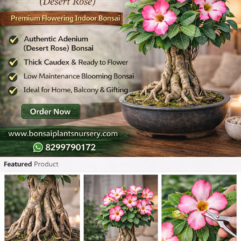
How to Care for Adenium Bonsai Plant

Buy best Adenium plant for home garden

Desert Rose Plant Info: Caring For Desert Rose Plants Plant lovers are always looking for easy to grow, unique plants with a fun aspect. Adenium desert rose plants are perfect specimens for the intrepid or novice gardener.These East African and Arabian natives are wonderful in the interior container garden or as warm climate additions to the patio display. Caring for desert rose plants requires a full sun location and well-drained soil. Properly mimicking their native regional conditions will garner plenty of rose-like blooms on an architectural marvel of a plant. Desert Rose Plant Info Desert rose has become a popular ornamental garden plant in United States Department of Agriculture zones 10 to 11. The rest of us in cooler zones will have to resort to growing Adenium indoors, giving the plant a vacation in the summer on the patio or deck. Desert rose plant care can be difficult and requires some knowledge of the life cycle of the species. Adeniums are succulent, tropical plants. They are distinctive among the class because they develop a caudex, or swollen trunk. All succulent plants have some sort of water storage system, be it leaves, stems or roots. In desert rose, the trunk swells to conserve moisture for times of drought. A nice fat trunk is an indicator of plant health. A skinny stem can indicate that the plant requires more moisture. An interesting bit of desert rose plant info is its natural resemblance to a bonsai plant, with a short stature when mature, and tidy canopy perched atop the graduated stem. Many growers seem to have trouble caring for desert rose plants, but these can truly be easy to maintain if you keep in mind the water, temperature and lighting needs of Adenium. Adenium Desert Rose Growing Tips First, remember that Adenium plants are native to regions with poor, gritty soil and hot, sunny climates. You can’t expect the plant to thrive in overly moist soil, in a site with limited light. They are also not frost tolerant and will succumb to a freeze if exposed. The plant will not survive long if exposed to temperatures below 40 degrees F (4 C) but will thrive in temperatures reaching up to 90 degrees F (32 C). Desert rose succulents like bright light, so a southern window exposure provides enough sun for the plants to flourish and bloom. In the garden, choose a sunny location that has some protection from noonday sun, as this can scorch the foliage. Soil is very important. Adenium plants should have a mixture of cactus soil with gritty sand or lava rocks for good drainage. Desert Rose Plant Care The one thing that will kill these plants quickly is improper watering. They are succulents but are used to rainy periods during which they grow, followed by a dormant, dry period. Match your watering practices to these needs for best success. Keep soil moderately moist in spring and summer, but reduce watering in fall and especially winter when the plant is dormant. Fertilize with a dilution by half of a 20-20-20 liquid plant food once per month when the plant is actively growing. Do not feed the desert rose during winter. The most common pests are scale, mealybugs and spider mites. Use cotton balls soaked in alcohol to wipe away these insect rogues. Be cautious, as Adenium desert rose is in the Dogbane family, with all species bleeding a poisonous sap that can irritate skin and mucous membranes.

source link: https://www.gardeningknowhow.com/ornamental/flowers/desert-rose/caring-for-desert-rose-plants.htm

Posted on Leave a comment

Tips about Getting a lot of flowers from Mogra or Jasmine Plant

Buy Best Quality Mogra Plant Online

How to Plant and Care for Mogra or Jasmine Plant Mogra plant is dwarf growing shrub with almost stalkless leaves and wavy margins. The plant can be grown as a short climber too. The heavy scented white flowers are borne in clusters of 3 to 12 and may be single, semi-double or perfectly double. The plant flowers mainly in the summer and rainy seasons, but several other flushes during other parts of the year are quite common. Rest Period for Blooms Outdoor jasmine with no blooms can be covered with a dark, lightweight landscape covering, or even a sheet, but be sure to remove it when the sun comes up. The jasmine with no blooms will still need light during the day. Water the non blooming jasmine on a limited basis during this rest period. Withhold fertilization for the four to five week period. Keep temperatures at 40-50 F. (4-10 C.) during the resting time for the jasmine flowers that are not blooming. Gardening Practices for Mogra Plant Watering: Moderate Watering is good for Mogra plant. It is essential in the flowering season. Mogra cannot withstand water logging and plants will be killed in the waterlogged soil in no time. Watering is stopped during November to enable the plants to rest. Defoliation: Once the watering is stopped, the plants shed the leaves. If it does not happen, all the leaves on the plant should be removed by hand. Pruning: Defoliation is followed by a light pruning of stems. Branches are pruned one-third of their length. If than at the right time it will encourage more and bigger blooms. Manuring: Plenty of well-rotted farmyard manure is added to the potting soil after pruning a plant, along with NPK fertilizers. Resumption of Watering: After application of manures, irrigation should commence slowly, and the frequency of watering is increased after the appearance of flower buds. Pests and Diseases Jasmines are tropical plants, one of the most common issues related to them is rust and blight. These two conditions cause damage to the leaves; it can affect the coloration of the foliage, make the leaves wilt, and it can even pass to younger stems or cutting offspring that is taken from the mature plant. Getting Rid of Diseases The best way to get rid of most pests that can affect your Jasmine plants is to create a soapy solution that you can apply to the leaves of the plant. If you know what the pest is, then you can target it specifically with an insecticide spray. Harvesting Mogra flowers The plant begins to flower second year onwards after planting. The flowers are harvested in bud stage either in the evening or early in the morning by handpicking. Flower buds are used for garland making, adorning hair, worshipping, decoration, and extraction of perfume. Article Sources:https://www.gardeningknowhow.com/ornamental/flowers/jasmine/non-flowering-jasmine.htm

Posted on Leave a comment

Correct and complete way to do Air Layering – Developing a new plant within 30 days

Buy Fast Growing Quality Plants Online – Bonsai Plants Nursery

How to Do Air Layering of Any Fruit Plant

Air layering is a useful method of producing roots on the stem of indoor landscape plants that have become “leggy” through the loss of their lower foliage.

This method, believed to have been developed centuries ago by the Chinese. It has been used successfully as a mean of propagating some of the more difficult-to-root plants. Because it required excessive care and patience.

The procedure was to wound the stem or branch of a plant and enclose the wounded stem with moist sphagnum moss or similar rooting medium until roots develop from the wounded area. Success was dependent upon the ability of the propagator to keep the rooting medium moist until the roots were formed and large enough to support the new plant. Only since the development of polyethylene film has air layering become a practical method of propagation for the home gardener and amateur horticulturist.

Steps for Making a Successful Air Layering

Step 1
With a sharp knife, make two parallel cuts about 1 1/2 inches apart around the stem and through the bark and cambium layer. Connect the two parallel cuts with one long cut and remove the ring of bark, leaving the inner woody tissue exposed.

Step 2
Apply a handful of damp sphagnum moss so that it envelopes the wounded portion of the stem. Tying the moss in place with string helps keep it in position while completing the process. The sphagnum moss should be soaked several hours to insure that it is thoroughly moist. Squeeze out surplus water before using, since excessive moisture will result in decay and deterioration of the plant tissue.

Step 3
Using a sheet of polyethylene film approximately 6″ X 12″ or 8″ X 12″, depending upon the size of the plant stem, wrap the ball of sphagnum moss using the butchers fold to secure a tight seal where the two ends of the sheet are joined.

Step 4
Draw the upper end of the film snugly around stem making sure that none of the moss is exposed. Fasten securely with electricians tape, taking care that the tape extends beyond the film and adheres to the stem. Repeat the procedure on the lower end, again making sure there is a snug fit. Moisture must not escape and excess moisture must not enter when watering or syringing the plants. Support the plant with stake or splint to prevent breakage at the wounded area.

Step 5
After the new roots have penetrated the moss ball and are visible on all sides, the rooted branch may be removed from the parent plant. The rooting time will vary with plant variety as well as the season in which it is performed.

Step 6
Remove the newly rooted plant from the parent plant with a sharp knife or pruning shears, making the cut just below the ball of moss and roots. Carefully remove the polyethylene film. Without disturbing the roots or removing the ball of moss, plant in a container using a good potting mixture or plant in a well-prepared soil bed.

Step 7
Placing a polyethylene tent over the newly potted plant for 4 to 8 days until the root system is well established. It is helpful as it will aid in preventing excessive loss of moisture. Keep the plant under a light shade and avoid direct sunlight until the new root system is well developed.

Many plants are lost in the final stage of the process because the root system is not sufficiently developed to sustain the top portion of the new plant. By keeping the new plant in a humid environment, it is possible to develop a good root system on rather large cuttings. Once the plant is well established, it is best to harden off the foliage by gradually exposing it to normal atmosphere.

Source:
https://aggie-horticulture.tamu.edu/earthkind/landscape/air-layering/

Posted on Leave a comment

Correct and complete way to do Air Layering – Developing a new plant within 30 days

Buy Grafted And Air Layring plants at Bonsai Plants Nursery

How to Do Air Layering of Any Fruit Plant Air layering is a useful method of producing roots on the stem of indoor landscape plants that have become “leggy” through the loss of their lower foliage. This method, believed to have been developed centuries ago by the Chinese. It has been used successfully as a mean of propagating some of the more difficult-to-root plants. Because it required excessive care and patience. The procedure was to wound the stem or branch of a plant and enclose the wounded stem with moist sphagnum moss or similar rooting medium until roots develop from the wounded area. Success was dependent upon the ability of the propagator to keep the rooting medium moist until the roots were formed and large enough to support the new plant. Only since the development of polyethylene film has air layering become a practical method of propagation for the home gardener and amateur horticulturist. Steps for Making a Successful Air Layering Step 1 With a sharp knife, make two parallel cuts about 1 1/2 inches apart around the stem and through the bark and cambium layer. Connect the two parallel cuts with one long cut and remove the ring of bark, leaving the inner woody tissue exposed. Step 2 Apply a handful of damp sphagnum moss so that it envelopes the wounded portion of the stem. Tying the moss in place with string helps keep it in position while completing the process. The sphagnum moss should be soaked several hours to insure that it is thoroughly moist. Squeeze out surplus water before using, since excessive moisture will result in decay and deterioration of the plant tissue. Step 3 Using a sheet of polyethylene film approximately 6″ X 12″ or 8″ X 12″, depending upon the size of the plant stem, wrap the ball of sphagnum moss using the butchers fold to secure a tight seal where the two ends of the sheet are joined. Step 4 Draw the upper end of the film snugly around stem making sure that none of the moss is exposed. Fasten securely with electricians tape, taking care that the tape extends beyond the film and adheres to the stem. Repeat the procedure on the lower end, again making sure there is a snug fit. Moisture must not escape and excess moisture must not enter when watering or syringing the plants. Support the plant with stake or splint to prevent breakage at the wounded area. Step 5 After the new roots have penetrated the moss ball and are visible on all sides, the rooted branch may be removed from the parent plant. The rooting time will vary with plant variety as well as the season in which it is performed. Step 6 Remove the newly rooted plant from the parent plant with a sharp knife or pruning shears, making the cut just below the ball of moss and roots. Carefully remove the polyethylene film. Without disturbing the roots or removing the ball of moss, plant in a container using a good potting mixture or plant in a well-prepared soil bed. Step 7 Placing a polyethylene tent over the newly potted plant for 4 to 8 days until the root system is well established. It is helpful as it will aid in preventing excessive loss of moisture. Keep the plant under a light shade and avoid direct sunlight until the new root system is well developed. Many plants are lost in the final stage of the process because the root system is not sufficiently developed to sustain the top portion of the new plant. By keeping the new plant in a humid environment, it is possible to develop a good root system on rather large cuttings. Once the plant is well established, it is best to harden off the foliage by gradually exposing it to normal atmosphere.

Source:https://aggie-horticulture.tamu.edu/earthkind/landscape/air-la

Posted on Leave a comment

लोकल नर्सरी या ऑनलाइन नर्सरी से लाये गए पौधों को लगाने का सही तरीका।

Bonsaiplantsnursery.com

 क्या आप जब पौधों को नर्सरी या ऑनलाइन नर्सरी से लेते हैं तो आपके द्वारा वह पौधे लगाए जाने पर सूख जाते हैं या उनकी ग्रोथ अच्छे से नहीं होती। तो आपको घबराने की बिल्कुल जरुरत नहीं है। आज आप बिल्कुल ऐसे तरीके जानने वाले है जो तरीके नर्सरी में प्रयोग किये जाते हैं। 

अगर आपने किसी पौधे को लोकल नर्सरी से लिया है तो आपको बस उनको लगाने और देखभाल करने के तरीके को ही जनना है। 

अगर आपने किसी पौधे को ऑनलाइन नर्सरी से आर्डर किया है तो पौधा आने के बाद उस पौधे की 4 से 5 दिन कुछ अलग तरीके की देखभाल आपको करनी होगी। जो निम्न्लिखित हैं। 

  • यदि आपके पास पहुंचे हुए पौधे की पत्तियां सूख गयी हैं, या पत्तियों की संख्या कम हो गयी है तो निराश न हों क्योंकि पैकिंग डिब्बे में बंद रहने के कारण पौधे को कुछ दिनों तक धुप और पानी न मिलने से पौधे की पत्तियां सूख या झड़ सकती हैं और कुछ पौधों के लिए वर्तमान मौसम पतझड़ का होने के कारण पत्तियां कम या नहीं भी हो सकती हैं। लेकिन इसका मतलब यह नहीं की पौधा मर गया है क्योंकि पौधे 10 से 12 दिनों तक बिना धुप या पानी के जीवित रह सकते हैं। अतः अगर पौधा ऑनलाइन नर्सरी से आर्डर करने के बाद 10 दिनों के अंदर आपके पास पहुँच गया है तो निश्चित रूप से यह पौधा मरा नहीं है। भले ही इसकी पत्तियां सूखी या टहनी टूटी हैं। 
  1. आपके पास पौधे किसी भी स्थिति में पहुंचे हो सबसे पहले आपको पौधों को किसी बर्तन में रखकर उसकी मिट्टी को गीला कर लें और फिर उनको किसी ऐसे स्थान पर रखना है जहाँ धूप बहुत ही कम पहुँच रही हो। अगर आप उनको तेज धूप में रख देंगे तो वह सूख सकते हैं। 
  2. आपको पौधों को 4 से 5 दिनों के लिए ऐसे ही खुले में रहने देना है। अगर बारिश हो रही हो तो आप उनको बारिश के पानी में रख दे। बारिश का पानी पौधों के लिए अमृत के समान होता है। 
  3. 4 से 5 दिनों के बाद पौधे की रिपोटिंग कर दें। 

ये तो बात हो गयी ऑनलाइन नर्सरी द्वारा आये पौधों की शुरुआती दिनों की देखभाल की। अब बात करते हैं हम कि पौधों की रिपोटिंग कैसे करें। इसमें हम दोनों ही पौधों की बात करेंगे चाहे वह पौधा आपने लोकल नर्सरी से लिया हो या ऑनलाइन नर्सरी से। दोनों की रिपोटिंग समान तरीके से ही होती है। 

  1. अगर आपको पौधा गमले में लगाना है तो यथा संभव बड़े से बड़ा गमला लें। गमला जितना बड़ा होगा पौधे के लिए उतना ही अच्छा रहेगा। मिट्टी के गमले सबसे अच्छे होते हैं लेकिन आप चाहे तो प्लास्टिक, फाइवर और सीमेंट के गमले भी प्रयोग कर सकते हैं। फूल वाले पौधों के लिए कम से कम 6 इंच का गमला और फल वाले पौधे के लिए कम से कम 12 इंच का गमला प्रयोग करें। 
  2. जब पौधे को नए गमले में डाला जा रहा हो तो उसमें नयी मिट्टी का इस्तेमाल करें और यह भी ध्यान रहे कि मिट्टी प्रदूषित न हो। 
  3. पौधे को लगाते समय मिट्टी में कोई खाद न मिलाएं, गोबर वाली खाद भी नहीं क्योंकि अगर खाद पुरानी न हुई तो उसकी गर्मी से पौधे की जड़ों को नुकसान पहुँच सकता है और पौधा सूख सकता है। 
  4. पौधे का पॉलीबैग खींचना नहीं चाहिए। इससे पौधे की जड़ टूट सकती है और पौधा सूख सकता है। पॉलीबैग को ब्लेड या कैंची की मदद से काट कर निकाल दें। 
  5. पौधे को पॉलीबैग से निकालने के बाद पौधे की जड़ को थोड़ा सा ढीला कर दें। 
  6. अब पौधे को गमले में लगाए। पौधे की जड़ पूरी तरह मिटटी के अंदर होनी चाहिए और पौधा लगाने के बाद मिट्टी को अच्छी तरह से दबा दें। 
  7. पौधे को लगाने के बाद उसको पानी देना ना भूलें। ध्यान रहे पानी का तापमान सामान्य होना चाहिए। 
  8. गमले में लगे पौधों को सुबह 10 बजे से पहले और शाम को 4 बजे के बाद ही पानी देना चाहिए। 
  9. गमले में लगाए गए नए पौधों को ज्यादा तेज धुप आने वाले स्थान पर न रखें। 
  10. पौधा लगाने के बाद आप इसमें जैविक खाद डाल सकते है। बिना उचित जानकारी के कोई केमिकल खाद पौधों में न डालें।  
Posted on Leave a comment

3G Cutting in Plants – Boost production using latest simple and easy trick

Buy Best Quality Grafted Plants Online at Bonsai Plants Nursery

3G cutting is word that most of us have heard in different agricultural practices but very few of us know about its actual meaning and process. People are unaware of the benefits of 3g cutting because they are not applying it.

Revolutionary Technique for Doubling Yield in Cucurbit Crops
Due to haphazard use of chemical pesticides, the beneficial insects responsible for pollination are sharply decreasing. As a result, very poor pollination takes place in Cucurbitaceae crops. Cucurbit includes cucumber, sponge gourd, bottle gourd, bitter gourd, snake gourd, pumpkin, ridge gourd, ash gourd and many more. There is increasing problem of low fruit set and if there is fruit set; very small fruits are developed that are deteriorated in the mother plant. Most farmers of world including Nepal too are suffering from this problem.

What is 3G Cutting?
3G cutting is such a powerful toolkit in agriculture that can be used to produce optimum production per unit area of land. 3G refers to simply 3rd (Third generation) in any crop i.e. promoting the growth of third (tertiary) branch excluding the 1st & 2nd generation branches. With the seed germination only one main branch continues to grow which is defined is 1st (First generation). If this first branch gives another branch then it is defined as 2nd (Second generation). Further when this 2nd generation branch gives another branch, it is said as 3rd (Third generation).

According to the research studies, the 1st & 2nd generation branches comprise majority of Male flowers rather than female leading to very small ratio of 14:1 (Male: Female) flowers in the branch that creates us false illusion of heavy flowering but with very low fruiting. Thus, 3rd generation branches flush with majority of female flowers. In accordance with proper pollination at this condition it results higher fruit set per branch & finally per plant which ultimately leads to higher production/yield per branch or per plant. The main aim should be focused in keeping 3rd generation branch rather than others.

Steps of 3G Cutting:
3G cutting is very necessary inter-culture in growing cucurbits & very slight influence in tomato which seems easy rather being sensitive at field work.
• Initially, the main branch growing from the sown seed must be allowed to grow properly with close carefulness.
• After the main branch reaches the height of about 7-8 ft (gourds) or 5-6 ft (cucumber & pumpkin), cut the tip growing part of plant about 4-5 inches.
• After the apical part is removed it promotes the growth of secondary branch. This is because of translocation of photosynthesized food to the secondary branch.
• Now, after the secondary generation branch has grown upto 2-3 ft height, then the upper apical part of this branch also should be removed as the previous one. This will now promote the growth of tertiary branch or third generation branch.
• Now, the third-generation branch should be allowed to grow with optimum fertilization of nutrients. This will lead to heavy flowering of female flowers in the plant.

Objectives of 3G Cutting
The main objective of 3G cutting is maintaining of proper ratio of male and female flowers in plant from which the optimum production can be harvested. And increasing the crop production exponentially.

Special Attention:

  • Make sure that lower 4-5 leaves of plant do not bear any branches i.e. secondary branches.
  • Cut the apical part of second-generation branches at 12 leaves stage i.e. just above the 12th leaf.
  • Main branch apical part must be cut off when plant height reaches at 7-8 ft tall.

3G cutting is very new and innovative technique of interculture or cutting in cucurbit crops and solely new in country like Nepal. In fact this technique is very advantageous and useful to farmers from profit making point of view.

Source:
https://agritechnepal.com/2020/05/3g-cutting-revolutionary-technique-for-doubling-yield-in-cucurbit-crops/

Posted on Leave a comment

Top 7 Things You Need to Know Before Re potting a Plant

Buy Fast Growing Quality Plants Online – Bonsai Plants Nursery

How to Repot a Plant: 7 Simple Steps

Do you know when or how to properly repot a plant? Many of us wait until it is bursting out of its pot, pull it out, put it in a new pot, add some soil and hope it grows.

Here are a few signs that your plant needs a new home:

  1. The plant simply looks like it is too big for its pot
  2. The roots are growing out of the drainage holes
  3. Water is sitting on the top and not absorbing
  4. The soil is dried out or looks like it is disintegrating
  5. It’s been years since you repotted it

Whether you are transitioning to a new pot because your flowers are flourishing in the springtime weather or you just want to freshen up your decor, we want to give your house plants the best shot at survival in their new home. Follow the seven simple steps and you will be admiring the handiwork of your green thumb in no time.

Step 1: Choose a larger pot
The main reason for repotting is because the plant has begun to outgrow its current home. You will want to give the roots plenty of room so they can support the beautiful part of the plant you get to enjoy. Make sure the new pot is not only wider, but also deeper. We recommend giving the plant at least an extra inch, depending on size. Make sure your new pot has drainage holes. Otherwise your plant might be sitting in water and rotting.

Step 2: Cover the drainage holes with a porous material like a coffee filter. This prevents soil from falling out but still allows water to pass through. If you opt for a terra cotta pot, soak it ahead of time. Terra cotta absorbs moisture, and you don’t want it to dry out the plant.

Step 3: Layer soil in the new pot.
Before you place the new plant inside, add a base layer of soil so the roots have new space to grow. Add enough so that your plant has room without spilling over the top.

Step 4: Water the plant.
Before you repot it, water it thoroughly. This will help keep the plant healthy and keeps the rootball together.

Step 5: Remove the plant from it’s old pot.
Rather than pulling the plant out, turn it upside down while placing your hand over the top of the pot. Rotate the plant a few inches in both directions to loosen it up and allow it to fall out. You can use a knife to help separate the plant and the pot.

Step 6: Prune the rootball and untangle old roots.
Pruning older roots will help the plant flourish in its new pot. Remove roots that are growing out of the core rootball. Now that you only have the new, healthy roots to deal with, untangle them so they grow outward instead of internally.

Step 7: Place the plant in it’s new pot.
Make sure the plant is centered and upright then press it firmly into it’s new home and add soil. Once you have patted it down, water it to help settle the soil.

Don’t forget to place your plant in a decorative basket of your choosing! Perfect for holidays, festivities or as a decorative touch for just about any space. Now that your plant is potted, make sure you continue to care for it properly.

Source:
https://www.proplants.com/blog/how-to-repot-a-plant

Posted on Leave a comment

Top 7 Things You Must Know Before Buying a Plant

Buy Fast Growing Plants Online – Bonsai Plants Nursery

Spring and fall are the best planting times, but it can be all too easy to end up with an empty wallet and a garden filled with struggling, diseased or even dead plants. Thankfully, visits to the nursery can be enjoyable, and successful, as long as you arm yourself with the knowledge to ensure you will come home with beautiful, healthy plants that will increase the curb appeal of your home and garden.

Make sure you learn this before buying new plants

  1. Plan Before Buying
    Before you head out to the nursery, it’s important to study the area in your garden where you plan to add your new plant or plants. Here is what you will need to know about the proposed planting location:

Exposure: Does it get full sun, filtered sun or shade? What direction does the plant location point toward? For example, areas that face west often get hot full sun in the late afternoon, while northern exposures tend to be shady. Planting sites that face east get morning sun and afternoon shade, and southern exposures get an even amount of sun all day.

Space: How much room is there for a plant to grow? If it is a large area, you may need several smaller plants or a single plant that will grow large.

Soil: What type of soil do you have? There are three main types of soil — clay, loam and sandy — and often plants have a preference for a specific type.

  1. Avoid Impulse Buys
    It can be easy to fall in love with the vibrant blooming plant prominently displayed at the nursery and then buy it without knowing where it will go in the garden or even if it will do well in your climate. This can result in a plant that has a decreased chance of survival.

Sadly, it isn’t uncommon for some large chain stores to sell plants that are ill-suited to the particular climate they are located in. Your best bet is to walk on by that pretty plant, unless you have time to do a little research. Before you buy, work with a landscape designer who has local plant knowledge or contact your local cooperative extension office and ask to speak with a Master Gardener who can provide you with helpful information.

  1. Read the Label
    Most plants come with their own instruction manual in the form of a plant tag. Types of information that you can find on the tag include the name of the plant, how big it will grow, when it will bloom, what exposure it needs and its water requirements. All of the plant’s information isn’t always listed on its tag, but with the name, you can do a little online research on your own.
  2. Know the Signs of Unhealthy Plants
    Unfortunately, there can be some unhealthy plants present at the nursery. Here are some warning signs to look out for so you can make sure you won’t take home an ailing plant.

Yellowing leaves: This can be an indicator of nutrient deficiency, overwatering or both.

Root-bound plants: When plants have been growing in their nursery container too long, their roots begin to grow in circles, making it hard for them to absorb water or nutrients. A sign of a root-bound plant includes its roots growing through its container’s drainage holes, or you can ask the nursery professional to carefully pull the plant from the pot so that you can see the root system. Root-bound plants will have a thick mat of roots at the bottom and around the sides of the plant.

Pests or disease: Plants at the nursery can be harboring harmful insect pests or diseases, which can infect nearby plants in your garden. Check the leaves for spots or speckling, which can be a sign of damage. Insects tend to hide underneath leaves or on stems.

Weeds: Look closely at the top of a plant’s rootball to be sure there aren’t any weeds lurking, trying to hitchhike their way to your home. You can simply pull the weeds out before planting.

Wilting leaves: It’s obvious that a plant hasn’t been watered enough at the nursery when its leaves begin to wilt. Sometimes all plants need is a good deep watering to recover.

  1. Buy Local Plants Whenever Possible
    Plants have a much higher chance of survival if they’re planted close to where they were grown, where the climates are similar. Plants that have been brought in from a different climate may not have had the chance to acclimate to new weather conditions. For example, plants grown in California enjoy the mild, Mediterranean climate. A shipment of plants from California to the hot, dry desert or cold, mountainous regions can suffer and even die if the plants haven’t had a chance to “harden off” — that is, to gradually get used to a change in temperatures.
  2. Check for a Warranty
    Does the nursery where you shop offer a warranty? There are some nurseries, usually larger ones, who offer warranties in case plants die within a few months after planting.

Many smaller, local nurseries don’t. The reason for this is that they cannot control how the customer waters or cares for the plant, which may result in its death.

If you are choosing a plant that isn’t easy to grow, you may want to find a nursery that will offer a warranty for that plant. Or you can always buy a plant that is easy to grow in your area, so that a warranty will most likely not be needed.

  1. Ask a Certified Nursery Professional
    If you have questions about a particular plant or need help selecting the right type of plant for your landscape, work with a landscape designer in your area or ask the certified nursery professional or horticulturist at the nursery where you are shopping. They have completed lengthy training and can be an invaluable resource.

It’s important to note that not everyone who works at a nursery knows a lot about plants, so don’t be afraid to ask to speak with the certified nursery professional on staff about your questions.


Source: https://www.houzz.com/magazine/make-sure-you-read-this-before-buying-new-plants-stsetivw-vs~63993127

Posted on Leave a comment

Getting a lot of flowers from Mogra or Jasmine Plant

Buy Mogra or Jasmine Plant Online Bonsai Plants Nursery

How to Plant and Care for Mogra or Jasmine Plant

Mogra plant is dwarf growing shrub with almost stalkless leaves and wavy margins. The plant can be grown as a short climber too. The heavy scented white flowers are borne in clusters of 3 to 12 and may be single, semi-double or perfectly double. The plant flowers mainly in the summer and rainy seasons, but several other flushes during other parts of the year are quite common.

Rest Period for Blooms

Outdoor jasmine with no blooms can be covered with a dark, lightweight landscape covering, or even a sheet, but be sure to remove it when the sun comes up.

The jasmine with no blooms will still need light during the day. Water the non blooming jasmine on a limited basis during this rest period. Withhold fertilization for the four to five week period. Keep temperatures at 40-50 F. (4-10 C.) during the resting time for the jasmine flowers that are not blooming.

Gardening Practices for Mogra Plant

Watering: Moderate Watering is good for Mogra plant. It is essential in the flowering season. Mogra cannot withstand water logging and plants will be killed in the waterlogged soil in no time. Watering is stopped during November to enable the plants to rest.

Defoliation: Once the watering is stopped, the plants shed the leaves. If it does not happen, all the leaves on the plant should be removed by hand.

Pruning: Defoliation is followed by a light pruning of stems. Branches are pruned one-third of their length. If than at the right time it will encourage more and bigger blooms.

Manuring: Plenty of well-rotted farmyard manure is added to the potting soil after pruning a plant, along with NPK fertilizers.

Resumption of Watering: After application of manures, irrigation should commence slowly, and the frequency of watering is increased after the appearance of flower buds.

Pests and Diseases

Jasmines are tropical plants, one of the most common issues related to them is rust and blight. These two conditions cause damage to the leaves; it can affect the coloration of the foliage, make the leaves wilt, and it can even pass to younger stems or cutting offspring that is taken from the mature plant.

Getting Rid of Diseases

The best way to get rid of most pests that can affect your Jasmine plants is to create a soapy solution that you can apply to the leaves of the plant. If you know what the pest is, then you can target it specifically with an insecticide spray.

Harvesting Mogra flowers

The plant begins to flower second year onwards after planting. The flowers are harvested in bud stage either in the evening or early in the morning by handpicking.

Flower buds are used for garland making, adorning hair, worshipping, decoration, and extraction of perfume.

Article Sources: https://www.gardeningknowhow.com/ornamental/flowers/jasmine/non-flowering-jasmine.htm

http://www.ugaoo.com/knowledge-center/growing-mogra-arabian-jasmine-plant/

Posted on Leave a comment

Top 7 Tips to Get More Fruits from Mango Plant in Pot

Buy Grafted Mango Plant for Pot

Although it can be tricky to grow, a mango tree can make an interesting specimen for a large pot on a deck or patio, or for indoor use. In the right conditions, the plant forms a dense canopy of long oblong green leaves and rewards you with flowers in December through March and fruit three to five months later. Specimens planted in the garden are more likely to fruit, but even a dwarf spotted mango can produce fruit if it gets plenty of light.

You can start a mango tree by planting the seed from a fruit, but if you want the tree to bear fruit, you should buy a grafted plant instead. The mango fruit you buy in the store is likely from a hybrid, so a plant grown from its seed won’t grow and is likely to be sterile or unable to bear fruit. There are many dwarf varieties of mango available that will produce a plant of manageable size rather than the landscape versions that can often reach 60 to 100 feet.

Be forewarned, though, that it’s difficult to keep an indoor mango plant alive for more than a few years, and it may never mature enough to bear fruit. Mango trees in the outdoor garden or potted on a deck or patio usually fare somewhat better.

  1. Choosing a Right Variety
    A dwarf mango tree grows up to 2-4 meters, 6.5 to 13 feet tall and can be tried in containers. There’re some specific dwarf varieties of the mango tree that you can grow in a container; Irwin and Nam Doc Mai are best. Some other varieties you may try are King Thai, Carrie, Cogshall, Glenn, Neelam, Amrapali, and Palmer.
  2. The Best Time for Planting
    The best time for planting a mango tree is in spring. However, in their native habitat like India, mangoes are planted before the beginning of the rainy season at July, August or after the rainy season. Plant it in a planter according to the current size of the rootball of the plant and update the planter as the plant gets bigger in a year or two or whenever it’s required. You’ll need a large pot to accommodate a mango tree.
  3. Soil and Position
    It needs light, well-drained soil that is very rich in organic matter. The pH level around 5.5 to 7.5 slightly acidic to neutral. Instead of using regular soil from the garden, use a high-quality potting mix. Also, at the time of planting, add 1/3 part compost or aged manure in the mix.

Mango tree needs a lot of sun and heat to thrive. Almost 8-10 hours of exposure to the full intense sun is required for optimum growth and productivity of the plant. Place the mango tree in a container in the South or West facing position of your garden.

  1. Watering
    Mango trees grown on the ground don’t require much watering, but container grown plants are different. You’ll need to water your mango plant regularly in its first two to three years. Once the tree is established and mature enough to bear fruits, start to water moderately during the pre-flowering period. Keep doing this until 40 to 50 percent of the tree is full of flowers and then water regularly from flowering stage to fruit formation, until a few weeks or a month left before harvesting the mangoes. During this time, start to water moderately again.
  2. Fertilizer
    Feed it with the balanced fertilizer when actively growing. At the beginning of blooming season decrease the amount of nitrogen and feed your mango tree with high in potassium and phosphorus fertilizer.
  3. Pinching and Pruning
    Continuous pinching encourages bushier growth. The mango tree doesn’t require a lot of pruning. However, it’s necessary to remove dead, diseased and entangled branches that are causing the lack of air circulation and penetration of sunlight to control its shape and health.
  4. Harvesting a Mango Tree
    After flowering, mango fruits start to ripe within the next 3 to 4 month, all depends on the climate, and the variety you’re growing. In hot and humid climates, fruits ripen fast. Pluck fruits when their scent become sweet and tempting. You can harvest unripe fruits too, these are used in making sherbet, pickles, chutneys, and curries.

Even dwarf mango trees will grow quite tall, so you will need to consider that when choosing a location for it. Dwarf mangos are most often grown in large pots, either indoors or on a deck or patio, in a container with good drainage filled with loose, rich, well-draining potting soil. Don’t expect your mango tree to blossom until it is four years old or more. The second year, you can let it set fruit, but be sure to stake the plant so it will have enough support as the fruit develops.


Source:
https://balconygardenweb.com/how-to-grow-mango-tree-in-pot/

Song: Ikson – Lights (Vlog No Copyright Music)
Music promoted by Vlog No Copyright Music.
Video Link: https://youtu.be/bqk80OOCxOQ

Posted on Leave a comment

How to Grow Banana Tree in Pot – Bonsai Plants Nursery

Buy fast growing quality plants only at https://bonsaiplantsnursery.com/ How to Grow Banana Tree in Pot Banana is a lush green, fast-growing plant that can give any place a tropical look and feel. Many varieties become excellent houseplants that don’t need much care and grow up very quickly. A banana tree grown in a pot provides the same large, dramatic leaves and, in some cases, equally dramatic flowers, as a banana grown in the ground. Banana trees will grow in containers but need at least 15-gallon pots as the minimum size for optimum growth. Requirements for Growing Banana Trees in Pots Sun Banana trees grow in tropical and subtropical parts of the world and therefore they love full sun, heat and humidity. If you’re growing banana tree you should keep it in a spot that receives the sun most of the day but preferably sheltered from the wind. Soil Growing Banana tree requires well-draining soil, sandy soil that is rich in organic matters and compost. If you are making it at home make sure to mix sand, perlite, and compost or manure. Watering Banana loves moisture. Water it regularly and deeply but care not to overwater. In summer, water it every day. It may need water even two times a day in hot weather or when it is root bound. Soil for growing banana plants should be kept uniformly moist. Fertilizer Banana is a fast growing plant and it requires heavy feeding to grow at its full strength. Fertilize young plant when it establishes well with nitrogen-rich fertilizer to help it grow faster. Pests and diseases Bananas are quite resistant to diseases, still when you see the leaves turning brown and drying at the edges it means you’re overwatering and if the leaves turn yellow, banana plant is having a lack of nutrients. Some pests that might attack banana plant are banana aphids, banana weevil, and coconut scale. These pests can easily be repelled using organic pesticides. Pruning Before the banana tree fruits, prune it so there is only one main stem. After it has been growing for 6 to 8 months, leave one sucker. This will replace the main stem in the next growing season. Harvesting Depending upon the banana variety it takes 9-12 months for the fruit to develop from sowing to harvesting. You can harvest bananas by cutting the stalk full of green bananas. Place them in a cool, dark place to become yellow or wait for the fruits to turn yellow that can be eaten immediately after plucking Articles Source:https://balconygardenweb.com/how-to-grow-banana-trees-growing-banana-trees-in-pots/https://homeguides.sfgate.com/care-banana-tree-pot-46014.htmlhttps://www.thespruce.com/banana-tree-growing-profile-3269353

Posted on Leave a comment

Top 7 Tips to Get More Lemon Fruit in Pot

Buy Baramasi Lemon Plant
Posted on Leave a comment

Top 7 Fruit Plants to Grow In pot Good for indoor and outdoor gardening

On our top 7 is Mango.

Mangos are exotic, aromatic fruit trees that absolutely abhor cold temps. Flowers and fruit drop if temperatures dip below 40 degrees fahrenheit, even if only briefly. If temps drop further, like below 30 degrees fahrenheit, severe damage occurs to the mango. Since many of us don’t live in such consistently warm regions, you might be wondering how to grow mango trees in pots, or even if it’s possible. Can You Grow Mango in a Pot? Yes, growing mango trees in containers is possible. In fact, they will often thrive container grown, especially the Bonsai varieties. Mangos are native to India, hence their love of warm temperatures. The large varieties make excellent shade trees and can grow up to 65 feet in height and live as long as 300 years still fruitful! Whether you live in a cool climate or just plain don’t have space for a 65-foot tree, there are several Bonsai varieties perfect for a container grown mango tree. How to Grow a Mango in a Pot? Dwarf mango trees are perfect as container grown mango trees; they only grow to between 4 and 8 feet. They do well in U S D A zones 9 to 10, but you can fool Mother Nature by growing them indoors if you can fulfill the mangoes’ heat and light requirements or have a greenhouse. The best time to plant a container mango is in the spring. Select a dwarf variety such as Carrie or Cogshall, a smaller hybrid like Keit, or even one of the smaller sized regular mango trees such as Nam Doc Mai that can be pruned to keep small.

Orange occupy our Top 6 spot. Mandarin orange (Citrus reticulata) is most common among citrus fruits grown in India. It occupies nearly 40% of the total area under citrus cultivation in India.

In India, in terms of area under cultivation, citrus is the third largest fruit industry after Banana and Mango. Nagpur mandarin is one of the best mandarins in the world. Production of this fruit crop in central and western part of India is increasing every year. Orange is rich in vitamin C, A, B and phosphorus. Orange is consumed fresh or in the form of juice, jam, squash and syrup. It is the main source of peel oil, citric acid and cosmetics which have international market value.

Mandarins grow successfully in all frost free tropical and sub-tropical regions upto 1,500 m. above m.s.l. An annual rainfall of 100-120 cm. and temperature ranging from 100-350 Celcius is suitable for cultivation of the crop.
Mandarins can be grown in a wide variety of soils but medium or light loamy soils with slightly heavy sub-soil, well-drained with pH of 6.0-8.0 are ideal for cultivation.

Mandarin orange is propagated by seeds and also vegetatively propagated by T-budding. Seedlings are mostly transplanted in the month of July-August after commencement of monsoon.

Mandarins are usually planted in pits of 50 cm by 50 cm by 50 cm. size in a square system with a spacing of 4.5 to 6 m. , accommodating 350 to 450 plants per hectare. In north-eastern parts of India, Khasi mandarins are very closely spaced (4.5 m by 4.5 m), accommodating more than 500 plants per hectare.

Important mandarin orange varieties cultivated in India are Ngapur Santra, Coorg Santra, Khasi Santra, Mudkhed, Shringar, Butwal, Dancy, Kara (Abohar), SZ-IN-COM, Darjeeling Mandarin, Sumithra mandarin, Seedless-182 and Kinnow mandarin.

During 2001 to 2002, around 29 thousand tonnes of fresh oranges were exported to Bangladesh, Nepal, Sri Lanka, Canada, U.S.A., U.K., Germany and Gulf countries , Saudi Arabia, U.A.E., Qatar, Bahrain, Kuwait and Oman. Fruits exported to neighbouring countries like Bangladesh and Nepal are sent by trucks.

Top 5 Belongs to lemon. Citrus is an important fruit crop. Lemon is one of the important category of citrus. It is mainly known for its pulp and juice throughout the world. Different citrus fruits are used throughout the world as food or juice. In central India, Nagpur santra is grown on a large scale. Mandarin Production states are Assam, Dibrugarh and Brahmaputra valley. In India Citrus cultivation is done on an area of about 923 thousand hectare with annual production of 8608 thousand metric tons. In Punjab citrus is grown on 39.2 hectares of land.Lemons can be grown in all types of soils. Light soils having good drainage are suitable for its cultivation. PH range of soil should be 5.5-7.5. They can also grow in slightly alkaline and acidic soils. Light loam well drained soils are best for lemon cultivation.

Time of sowing
The best season for planting is July-August.

Intercropping: Intercropping with cowpeas, vegetables, french beans can be done in initial two to three years.

Spacing
Spacing between plants should be kept between 4.5 by 4.5. Pits of size 60 by 60 by 60cm should be dug for planting seedlings. 10Kg of Farmyard Manure and 500g of single superphosphate should be applied to pits while planting.

Sowing Depth
Pits of size 60 by 60 by 60cm should be dug for planting seedlings.

Method of sowing
Propagation

Plants are propagated by budding or air layering. Minimum plant density of 208 per acre should be maintained. For proper growth of trunk of plant, Shoots in 50-60cm near ground level should be removed. Centre of plant should remain open. Water suckers should be removed at early stages of growth. Weed can be controlled by hand-hoeing and also controlled by chemically, use glyphosate@1.6litre per 150 litre of water. Use glyphosate only on weeds not on crop plants. Lemon requires irrigation at regular intervals. Lifesaving irrigation should be given in winters and summers. Irrigation is necessary for Flowering, Fruiting and proper plant growth. Over irrigation may also leads to diseases like Root rot and collar rot. High frequency irrigation is beneficial. Salty water is injurious for crop plants. Partial drying out of soil in spring may not affect plants. After harvesting, wash fruits with clean water then dip fruits in Chlorinated water@2.5ml per Liter water and then partially dried them. To improve appearance along with to maintain good quality, do Citrashine wax coating along with foam. Then these fruits are dried under shade and then packing is done. Fruits are packed in boxes.

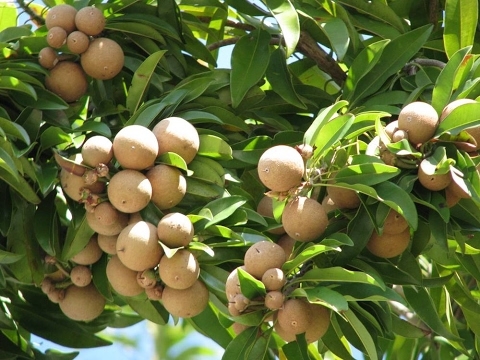
Chikoo is on our Top 4 spot. Manilkara zapota, commonly known as sapodilla , sapota, chikoo, naseberry, or nispero is a long-lived, evergreen tree native to southern Mexico, Central America and the Caribbean. An example natural occurrence is in coastal Yucatán in the Petenes mangroves ecoregion, where it is a subdominant plant species. It was introduced to the Philippines during Spanish colonization. It is grown in large quantities in India, Pakistan, Thailand, Malaysia, Cambodia, Indonesia, Vietnam, Bangladesh and Mexico. The name “zapota” from the Spanish zapote ultimately derives from the Nahuatl word tzapotl. A truly name worthy variety. The fruits of this variety are huge! A chickoo plant is a tree that grows to over 15 meters tall and as a spread of around 12 meters. Plants are slow growing and long lived. Do not crowd plants.
Growing tips:
Climate: Chikkoo grows well in warm and humid climates. It generally grows well up to 1000 meters above sea level. Heavy rainfall during flowering season results in poor fruit set. Chikkoo grows in most climates except regions with extreme cold.

Soil: Well drained fertile soils with good organic matter content are best. However Chikoo grows well in most soils having good drainage. Soil pH of 6 to 8 is fine.

Plants: Grafted plants should only be planted. Top or side grafted plants should be used. Plants of a minimum 3 feet height should be planted. Taller plants � save on time.

Planting distance: The Chikkoo plants are very long lived. Plants can yield for over a a hundred years. So, the growing time and space required should be adhered to strictly. In light to medium soils the planting should be done at 10 meters by 10 meters. In good fertile soils the planting should be done at 12 by 12 meters.

Planting: Planting is recommended in June / July, however it can be done throughout the year is adequate water supply is present. Pits of 1 meter width by  1 meter length by 1 meter deep should be taken. Top soil from these pits should be mixed with 50 kgs farm yard manure well decomposed cow dung manure, 2 kgs of single super phosphate and 200 gms follidol dust. Mix evenly to ensure proper distribution of the manure, fertilizer and pesticide. After planting, compact soil properly around the root ball. Soil from bottom of the pit can be used for making a bund / ring around the pit for keeping in the water. Leaves / grass can be put in this pit as a mulch.

Watering: Watering can be done every 10 to 15 days in winter and at weekly intervals during summer. Drip irrigation is recommended.

Papaya made it to the top 3. Papaya or Carica Papaya is a perennial plant that grows in both tropical and sub-tropical regions. It is native to tropic American countries like Mexico and California. They grow well in several countries like Africa, India, Florida, Philippines, Caribbean Islands, Thailand, Indonesia, Malaysia, Australia, and Hawaii.Papaya is a small sparsely branch tree with a single stem growing about 5 – 10 meters. The leaves are confined at the top of the trunk. Leaves are large about 20-40 centimeters in diameter with 7 palmate lobes. Flowers are parted; male flowers have stamens fused to the petals, female flowers have a superior ovary with 5 petals connected at the base. Papaya flowers are sweet-scented, open at night and pollinated.

Fruit is a large berry about 20-35 centimeters tall. Papaya fruits can be eaten or juiced. It can also be used in ice-creams, desserts, cakes, sauces, jams, smoothies, chocolates for flavoring.

100 grams of papaya contains 43 calories, 11 grams of carbohydrates and 8 grams of sugars. It is cholesterol free and low in proteins. Papaya is a good source of vitamin A, vitamin C, calcium, magnesium, iron, vitamin D, vitamin B6 and vitamin B12. To develop papaya fruit pollination is a must. Pollens must be transferred from male gametes to the female gametes in plants. Flowers cannot transfer pollens by their own, so they attract insects such as honeybees, butterflies, and birds to transfer pollen grains for the fruiting purpose. To deter pests and diseases, spray ammonium sulfate solution on papaya plants. Pests or insects don’t like this solution and hence be away from plants. You can prefer other organic methods to overcome this problem. Harvest papayas only when fruit turns yellow. Papayas are ready to harvest after 6-9 months from seeds in the hot-temperate zone. It takes 9-11 months time to harvest in moderate temperate zones. Cut papayas using gardening tools (sharp knife or scissors). If you left it to ripe then mosquitoes and birds damage the fruit. Before eating store them in a refrigerator for 2-3 days and consume the fruit when it is half yellow.Papaya is a natural remedy for treating many diseases like heart problems, cancer, atherosclerosis and digestive health. Start growing papaya from seeds in a pot or large container that produces juicy fruits and monitors your health.

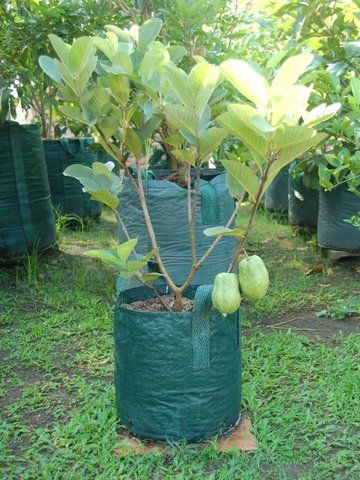
Guava claims our number 2 spot with an ease. Guavas, tropical fruit trees native to India into South America, are such a prized fruit that there are dozens of varieties. If you love this exotic fruit but lack garden space, have no fear. Growing guava in containers is easy. Guava does well in a variety of soils but prefer well-draining soil with a pH of between 5 and 7. Plant the tree with a combination of potting soil and organic compost. Select a container that is at least 18-24 inches across and the same depth. Be sure the pot has adequate drainage holes. These tough plants are adaptable, making them the perfect fruit tree candidate for guava trees in containers. Select a site for your container grown guava in full sun. Guavas don’t need frequent deep watering. During warm weather and growing season, water guavas two to three times per month, deeply. During the winter months, guavas are drought resistant, so water sparingly. Guavas have shallow roots that absorb water and nutrients rapidly. Fertilize them with an organic, granular fertilizer once every three months. Guavas don’t need much pruning, although they are amenable to shaping. Remove any dead or crossing branches and remove any foliage or branches that sprout below the graft union (where the fruiting plant is grafted onto the lower rootstock). Guavas fruit on new growth, so pruning will not adversely affect the fruit set. Take care to protect the tree if temps are likely to drop. Cover the tree with a sheet or tarp to protect it from frost. You can also use a circulating air fan or even spray the tree with water to help insulate it from frost. Stringing the guava with Christmas lights is another way to protect the tree during freezing temperatures. Other than that, these self-fruiting trees are very low maintenance and you need only wait for the succulent, fragrant guava fruit harvest. Guava fruits taste better when picked earlier than they fully mature. Fruits are highly nutritious, rich in vitamin C and can be eaten raw, its seeds are edible too. Ripened fruits can be used to make guava ice-cream, juice, jam, chutney, sauce or desserts.

And the top indoor fruit that is best grown at home goes to … Banana. Banana plant houseplant? That’s right. If you are not fortunate enough to live in a warm region where you can grow this tropical plant outdoors, then why not grow an indoor banana plant (Musa oriana) instead. With enough light and water, an indoor banana tree makes an excellent houseplant. A banana plant houseplant offers interesting foliage and white flowers emerging from purple buds. Keep in mind that while some banana tree varieties produce edible fruit, others do not—like that of Musa basjoo. Therefore, be sure to look into the type of indoor banana tree you have or want to ensure that it will accommodate your needs and vice versa. Below you will find some tips for taking care of a banana tree inside. How to Grow Banana Inside Since an indoor banana tree can get rather large, you may opt for growing a dwarf variety. Even still, you’ll need a large container that is deep enough to accommodate all of its roots. It should also provide adequate drainage. Like outdoor banana plants, an indoor banana plant needs rich, humus-like and well-draining soil as well as plenty of sunlight. In fact, indoor banana trees require bright light for about 12 hours or so for most varieties. However, you need to protect the banana plant from getting too hot to prevent scorching. Banana plants also do best in soils with pH levels between 5.5 and 7.0. Plant the banana rhizome upright and be sure the roots are well covered with soil. Taking Care of a Banana Tree Inside Banana plant houseplants require frequent feeding, especially during their active growth in warm weather. Therefore, you’ll want to give them a balanced soluble fertilizer each month. Apply this evenly throughout the container. These plants also like hot and humid conditions. Indoor bananas need warm temperatures; night temperatures around 67 degrees F. (19 C.) are ideal and day temperatures in the 80s (26 C.). While an indoor banana tree needs more water than those grown outside, it should never be allowed to sit in water, which inevitably leads to root rot. Allow the plant to dry out some between waterings. Misting their foliage can help keep them hydrated and happy. In addition, an indoor banana plant should have its leaves wiped down occasionally with a damp rag or sponge to collect any accumulated dust. Indoor banana plants can spend summers outdoors in warmer regions. However, they need to be protected from wind and cold. Make sure to acclimate plants both before bringing them back inside once it cools and just after setting them out in warm weather. To make moving plants easier, use rolling platforms. Taking care of a banana tree inside is just that easy. When you grow a banana inside, it is like you are bringing a little of the tropics into your home.

Please let me know your planting journey experience in the comment section below. I will respond to it personally.

Don’t forget to subscribe so you can hear it first. I am releasing new videos in a regular manner.

Video Source:
https://www.youtube.com/watch?reload=9&v=YDvAONTPV_M
https://www.youtube.com/watch?reload=9&v=PRzD0W0MB30

https://www.youtube.com/watch?reload=9&v=wLWT0EZEG1E

Music: Jarico – Island (Vlog No Copyright Music)
Music promoted by Vlog No Copyright Music.
Video Link: https://youtu.be/gZlDn4EmTvo