
How to Do Air Layering of Any Fruit Plant
Air layering is a useful method of producing roots on the stem of indoor landscape plants that have become “leggy” through the loss of their lower foliage.
This method, believed to have been developed centuries ago by the Chinese. It has been used successfully as a mean of propagating some of the more difficult-to-root plants. Because it required excessive care and patience.
-
Product on sale
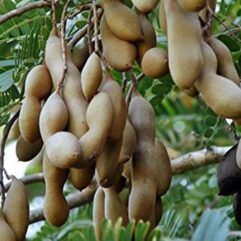 Tamarind Imli Live Plant (Imli ka paudha)Original price was: ₹890.00.₹650.00Current price is: ₹650.00.
 -
Product on sale
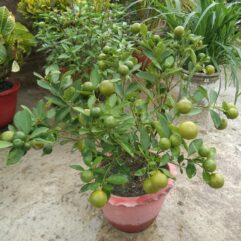 Desi Nimbu ka podha- Lemon Live plantOriginal price was: ₹800.00.₹249.00Current price is: ₹249.00.
 -
Product on sale
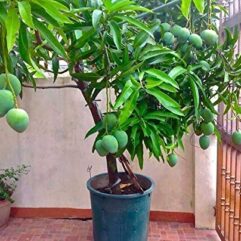 Grafted Mango Baramasi live plantOriginal price was: ₹1,050.00.₹549.00Current price is: ₹549.00.
 -
Product on sale
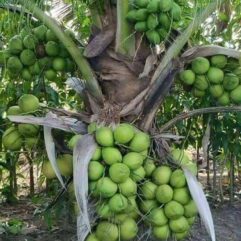 Dwarf coconut live plant (narial ka podha) hybrid coconut fruit plantOriginal price was: ₹1,650.00.₹999.00Current price is: ₹999.00.
 -
Product on sale
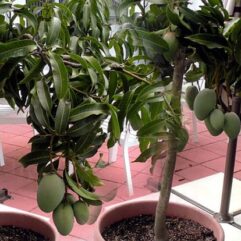 Bara masi mango live plant for home and garden good for potOriginal price was: ₹1,000.00.₹549.00Current price is: ₹549.00.
 -
Product on sale
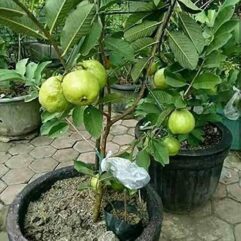 Guava Live Plant for Home and GardenOriginal price was: ₹900.00.₹399.00Current price is: ₹399.00.
 -
Product on sale
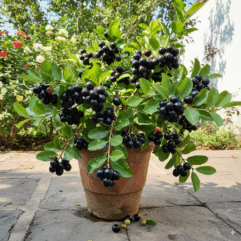 Grafted Blackberry Live Plant/Jaamun ka Podha for Home and GardenOriginal price was: ₹999.00.₹849.00Current price is: ₹849.00.
 -
Product on sale
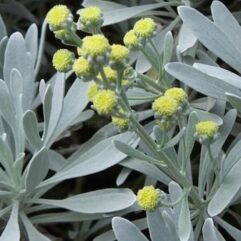 Lavender live plant – Chinese Lavender (Crossostephium artemisioides)Original price was: ₹750.00.₹650.00Current price is: ₹650.00.
 -
Product on sale
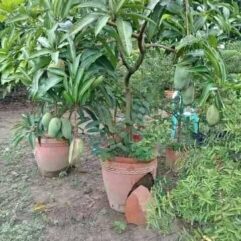 All season dwarf mango plantOriginal price was: ₹999.00.₹499.00Current price is: ₹499.00.
The procedure was to wound the stem or branch of a plant and enclose the wounded stem with moist sphagnum moss or similar rooting medium until roots develop from the wounded area. Success was dependent upon the ability of the propagator to keep the rooting medium moist until the roots were formed and large enough to support the new plant. Only since the development of polyethylene film has air layering become a practical method of propagation for the home gardener and amateur horticulturist.
Steps for Making a Successful Air Layering
Step 1
With a sharp knife, make two parallel cuts about 1 1/2 inches apart around the stem and through the bark and cambium layer. Connect the two parallel cuts with one long cut and remove the ring of bark, leaving the inner woody tissue exposed.
Step 2
Apply a handful of damp sphagnum moss so that it envelopes the wounded portion of the stem. Tying the moss in place with string helps keep it in position while completing the process. The sphagnum moss should be soaked several hours to insure that it is thoroughly moist. Squeeze out surplus water before using, since excessive moisture will result in decay and deterioration of the plant tissue.
Step 3
Using a sheet of polyethylene film approximately 6″ X 12″ or 8″ X 12″, depending upon the size of the plant stem, wrap the ball of sphagnum moss using the butchers fold to secure a tight seal where the two ends of the sheet are joined.
Step 4
Draw the upper end of the film snugly around stem making sure that none of the moss is exposed. Fasten securely with electricians tape, taking care that the tape extends beyond the film and adheres to the stem. Repeat the procedure on the lower end, again making sure there is a snug fit. Moisture must not escape and excess moisture must not enter when watering or syringing the plants. Support the plant with stake or splint to prevent breakage at the wounded area.
Step 5
After the new roots have penetrated the moss ball and are visible on all sides, the rooted branch may be removed from the parent plant. The rooting time will vary with plant variety as well as the season in which it is performed.
Step 6
Remove the newly rooted plant from the parent plant with a sharp knife or pruning shears, making the cut just below the ball of moss and roots. Carefully remove the polyethylene film. Without disturbing the roots or removing the ball of moss, plant in a container using a good potting mixture or plant in a well-prepared soil bed.
-
Product on sale
 Noorjahan Mango Plant (Grafted) – Giant Fruit Mango Variety | Premium Rare Mango PlantOriginal price was: ₹1,750.00.₹1,250.00Current price is: ₹1,250.00.
 -
Product on sale
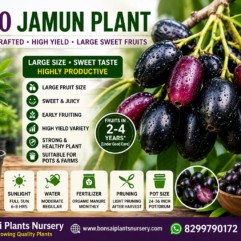 KG-10 Jamun Plant (Grafted) – High Yield Variety | Large Sweet Fruits | Fast Growing Quality PlantOriginal price was: ₹1,249.00.₹849.00Current price is: ₹849.00.
 -
Product on sale
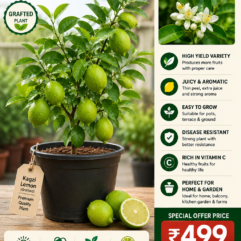 Kagzi Lemon Live Plant (Grafted) – High Yield Juicy Lemon Plant for Home & GardenOriginal price was: ₹850.00.₹499.00Current price is: ₹499.00.
 -
Product on sale
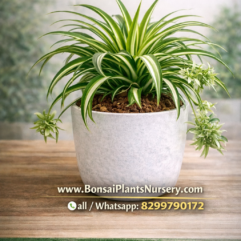 🌿 Spider Plant (Chlorophytum comosum) – Premium Indoor Air Purifying PlantOriginal price was: ₹1,250.00.₹999.00Current price is: ₹999.00.
 -
Product on sale
 Bougainvillea Bonsai Plant – Live Flowering BonsaiOriginal price was: ₹3,500.00.₹2,150.00Current price is: ₹2,150.00.
 -
Product on sale
 Bougainvillea Flowering Plant (Bogunvellia) – Live Outdoor Plant for Home, Balcony & GardenOriginal price was: ₹749.00.₹499.00Current price is: ₹499.00.
 -
Product on sale
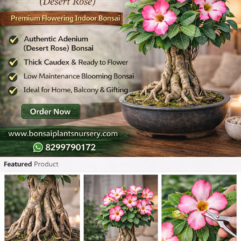 Adenium Bonsai Plant (Desert Rose) – Premium Flowering Indoor BonsaiOriginal price was: ₹4,500.00.₹2,500.00Current price is: ₹2,500.00.
 -
Product on sale
 Banyan Bonsai Plant (Ficus Benghalensis) – Premium Indoor Spiritual BonsaiOriginal price was: ₹4,700.00.₹2,500.00Current price is: ₹2,500.00.
 -
Product on sale
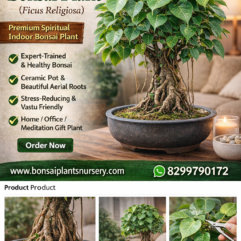 Peepal Bonsai Plant (Ficus Religiosa) – Premium Spiritual Indoor Bonsai TreeOriginal price was: ₹4,500.00.₹2,500.00Current price is: ₹2,500.00.
Step 7
Placing a polyethylene tent over the newly potted plant for 4 to 8 days until the root system is well established. It is helpful as it will aid in preventing excessive loss of moisture. Keep the plant under a light shade and avoid direct sunlight until the new root system is well developed.
Many plants are lost in the final stage of the process because the root system is not sufficiently developed to sustain the top portion of the new plant. By keeping the new plant in a humid environment, it is possible to develop a good root system on rather large cuttings. Once the plant is well established, it is best to harden off the foliage by gradually exposing it to normal atmosphere.
Source:
https://aggie-horticulture.tamu.edu/earthkind/landscape/air-layering/