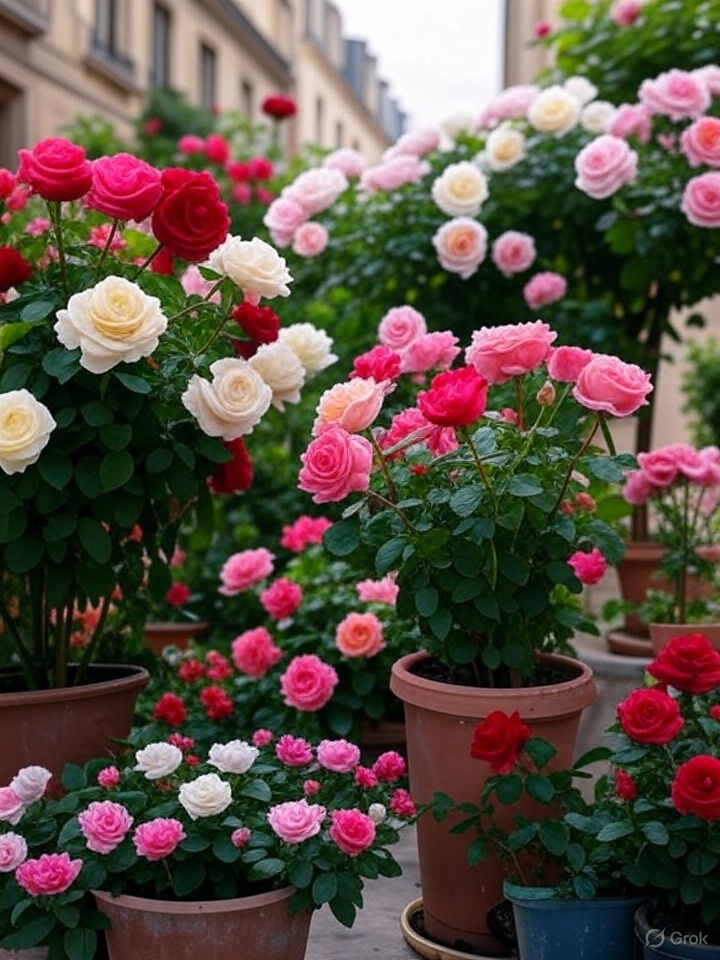
December is one of the coldest months in India. Low temperatures, fog, reduced sunlight, and frost can slow down plant growth and sometimes even damage delicate plants. However, with the right winter gardening techniques, your garden can remain fresh, green, and thriving throughout the season.
This detailed guide covers everything you need to keep your plants healthy and beautiful in DecemberтАФwatering, fertilizing, winter protection, indoor plant care, pruning, soil management, and more.
тнР 1. Why Gardening Needs Change in December
In December, plants experience:
Low temperature (4тАУ15┬░C)
Hard, cold soil
Reduced water absorption by roots
Limited sunlight hours
Frost burning leaves
Very slow or dormant growth
ThatтАЩs why winter gardening requires special care.
тнР 2. Best Plants to Grow in December
тЬУ Winter Vegetables
Peas
Carrot
Spinach
Cabbage
Broccoli
Coriander
тЬУ Winter Flowers
Chrysanthemum
Marigold
Dahlia
Pansy
Petunia
Calendula
тЬУ Indoor Plants
Snake Plant
ZZ Plant
Money Plant
Rubber Plant
Aglaonema
тнР 3. How to Water Plants in December
тЬУ When to Water?
Between 9 AM тАУ 11 AM
Never water in the evening
тЬУ How Often?
Pots тЖТ every 4тАУ6 days
Ground plants тЖТ every 7тАУ10 days
тЬУ Important Tips
Water only when the top 2 inches of soil are dry
Avoid wetting the leaves
Succulents and cactus need water only once or twice a month
тнР 4. Fertilizing Plants in December (The Correct Way)
Plants are semi-dormant in winter, so heavy fertilizers can harm them.
тЬУ Use These Fertilizers
Vermicompost
Neem Cake
Bone Meal
Seaweed Liquid Fertilizer
тЬУ Avoid These
Fresh cow dung
Excessive NPK
DAP
Apply fertilizers only in mild sunlight.
тнР 5. How to Protect Plants from Winter Frost
Cover plants using jute, frost cloth, or net
Keep pots above the ground using wooden blocks or bricks
Place plants near a warm wall
Mulch the soil with dry leaves, husk, or cocopeat
Avoid exposing plants to cold winds
Mulching helps maintain soil temperature and moisture.
тнР 6. Common Gardening Mistakes in December
Avoid these winter mistakes:
Overwatering
Watering at night
Using heavy fertilizers
Shifting plants too often
Spraying cold water on leaves
тнР 7. Pest & Disease Control in December
Common Winter Pests
Aphids
Whiteflies
Mealybugs
Organic Solutions
Neem oil spray (5 ml per 1 liter water)
Soap water spray
Cinnamon powder for fungal prevention
Trichoderma for soil fungus
тнР 8. Soil Care Tips for December
Loosen the topsoil every 10тАУ15 days
Apply mulch
Add neem powder or light compost
Ensure good drainage to prevent root rot
тнР 9. Garden Decoration Tips for Winter
Plant colorful winter flowers
Keep garden pathways clean
Use warm-colored garden lights
Maintain lawn grass with a light trim
тнР 10. Pruning Guide for December
тЬУ Light Pruning Recommended For
Rose
Bougainvillea
Money Plant
Jasmine
тЬУ Avoid Pruning
Succulents
Cactus
тнР 11. Best Indoor Plants for December
Indoor plants that tolerate low light and cold:
Snake Plant
ZZ Plant
Peace Lily
Pothos
Spider Plant
тнР 12. Best Time to Plant New Plants in December
Vegetables
1тАУ15 December
Flowers
1тАУ20 December
Fruit Plants
Lemon
Guava
Pomegranate
тнР 13. Indoor Garden Care in Winter
Keep plants near sunlight windows
Avoid extremely cold corners
Clean leaves twice a week
Water very lightly
тнР 14. Balcony/Terrace Garden Tips for December
Group plants together to maintain warmth
Mulch small pots
Bring sensitive plants indoors at night
Protect from cold winds
тнР 15. What to Check When Buying Plants in December
Healthy green leaves
Firm stem
No pests on leaves
Soil should not be overly wet
Roots should not be exposed
тнР 16. 30-Day Gardening Calendar for December
Day 1тАУ5
Prepare soil
Plant winter flowers
Day 6тАУ10
Apply mulch
Set up frost protection
Day 11тАУ15
Spray seaweed fertilizer
Clean leaves
Day 16тАУ20
Prune lightly
Trim lawn
Day 21тАУ25
Pest control spray
Check pots and drainage
Day 26тАУ30
Light watering
Provide sunlight to indoor plants
тнР Conclusion
December is a challenging yet beautiful month for gardening. With proper careтАФcontrolled watering, light fertilizing, frost protection, soil care, and sunlight managementтАФyou can keep your garden healthy, vibrant, and full of life throughout the winter.
Follow these tips consistently, and your garden will stay green, fresh, and blooming even in the coldest days of December.
тнР Introduction тАУ Why African Mahogany is Emerging as the Next Big Timber Revolution
Across India and many countries, one tree is rapidly rising in popularityтАФAfrican Mahogany. Known scientifically as Khaya senegalensis or Khaya ivorensis, this tree is becoming a game-changer for farmers, wood industries, agroforestry investors, and commercial plantation developers.
African Mahogany is being hailed as тАЬThe Green Gold of the FutureтАЭ due to:
its high-quality hardwood,
exceptionally fast growth,
strong demand in domestic & global markets,
suitability to Indian climate,
and extremely high returns on investment.
In this long-form, deeply researched guide, we will explore the top 10 strongest reasons why African Mahogany is considered the most profitable timber tree of the coming decades.
Plant African Mahogany тАУ Earn Lakhs in 10 Years
LetтАЩs dive in.
тнР Reason 1 тАУ One of the Fastest-Growing Premium Hardwood Trees
Growth speed is the backbone of profitable forestry. African Mahogany offers exceptional speed, especially in its early years.
ЁЯУМ Growth Statistics
2тАУ3 meters height increase every year during the first 3тАУ4 years
30тАУ40 cm girth within 7тАУ10 years
1 meter or more trunk girth by 15тАУ18 years
Final height reaches 60тАУ90 feet
ЁЯУМ Comparison with Teak
Teak usually takes 20тАУ25 years to mature. African Mahogany matures in 12тАУ15 years, cutting almost half the waiting period.
ЁЯСЙ Faster maturity = Faster profits = Faster return on investment. This is one of the biggest reasons it is called Green Gold.
тнР Reason 2 тАУ Highly Valued, Premium-Quality Hardwood
African Mahogany produces hardwood that is:
dense
durable
reddish-brown
termite-resistant
moisture-resistant
straight-grained
aesthetically attractive
It is counted among the finest luxury woods worldwide.
ЁЯУМ Major Applications
Premium furniture
Doors & windows
Wardrobe & interior panels
Wooden flooring
Hotel & resort interiors
Sculptures & decorative products
Kitchen cabinets
Musical instruments
Boat building
Veneer manufacturing
The market never stops demanding high-quality hardwood. This makes African Mahogany a stable, long-term investment tree.
тнР Reason 3 тАУ Rapidly Growing Demand in the Indian Market
In the last 5тАУ7 years, furniture manufacturers, interior designers, and wood traders across India have started shifting toward African Mahogany due to its:
Melia Dubia (Malabar Neem) Commercial Farming тАУ Earn Lakhs in Just 4 Years
Complete Guide: Plantation Method, Care, Irrigation, Pruning, Harvesting and Selling
Introduction
If you have vacant land and you are looking for a high-profit, low-maintenance agricultural business, then Melia Dubia (also known as Malabar Neem) is one of the fastest-growing and most income-generating trees you can cultivate.
This tree matures quickly, requires minimal care, grows well in different soil types, and has huge demand in the plywood, furniture, construction, packaging, and paper industries. The best part is that it is not restricted under forest laws, so its harvesting and selling are legally free and hassle-free.
Many farmers across India are earning 6 to 12+ lakhs per acre in just 4 years through Melia Dubia farming.
This article will explain everything step-by-step:
Benefits of Melia Dubia
Climate and soil requirements
Land preparation and spacing
Fertilizer and irrigation schedule
Pest and disease management
Expected yield and profit calculation
Wood market prices and buyers list
Complete business model to start farming successfully
What is Melia Dubia (Malabar Neem)?
Melia Dubia is a fast-growing deciduous timber tree belonging to the mahogany family. It grows rapidly and forms straight cylindrical boles, making it ideal for timber production.
Melia Dubia (Malabar Neem) Commercial Farming тАУ Earn Lakhs in Just 4 Years
Common Names:
Name
Region
Melia Dubia
Scientific/Common name
Malabar Neem
South India
Sevanthi / Hebbevu
Karnataka
Maha Neem / Kala Neem
North India
Mahanim
Eastern regions
Characteristics of Melia Dubia:
Can grow 25тАУ40 feet in 3тАУ4 years
Ready for harvesting in 4тАУ6 years
Naturally resistant to termites
Grows well with minimal water
Strong demand in wood markets
Why Melia Dubia is a Profitable Crop?
Feature
Advantage
Very fast growth
Ready for cutting in just 4 years
High survival rate
Adapts to almost all climates
Strong market demand
Used in plywood, packing & furniture
No government restrictions
Free harvesting and selling
Low maintenance
Minimal fertilizers and irrigation required
This makes it suitable for:
Farmers
Plantation business investors
Real estate land developers
Agri entrepreneurs
Climate & Soil Requirements
Climate
Grows best in tropical and sub-tropical regions
Temperature range: 18┬░C to 42┬░C
Requires moderate sunlight throughout the year
Soil
Performs well in:
Red soil
Black soil
Loamy soil
Sandy-loam soil
pH range: 6.5 to 8
Soil must be well-drained (no water logging)
Land Preparation
Plough the field 2тАУ3 times to make soil fine and loose.
Always purchase High-Quality Tissue Culture or Grafted Plants.
Why Tissue Culture Plants?
Feature
Benefit
Uniform growth
Even height and shape development
Disease resistance
Lower mortality rate
Higher wood quality
Better market price
To Buy Certified Melia Dubia Plants: ЁЯМ▒ Bonsaiplantsnursery.com ЁЯУЮ Call / WhatsApp: 8299790172 ЁЯЪЪ Home Delivery Available Across India
Plantation Spacing
For Commercial Timber Farming:
Spacing
Plants Per Acre
10 ft ├Ч 10 ft
450тАУ500 plants
12 ft ├Ч 12 ft
350тАУ380 plants
8 ft ├Ч 8 ft
600+ plants (recommended for small land areas)
Irrigation Requirements
First month: Light watering every 3 days
2тАУ6 months: Irrigate weekly
After 6 months: Irrigation only during dry months
In rainfall areas, no irrigation needed after 1 year
Melia Dubia survives well in rain-fed areas.
Fertilizer Schedule
Time
Fertilizer
Qty per plant
At plantation
Cow dung or organic manure
2тАУ3 kg
After 6 months
NPK (19:19:19) in water
50 gm
Every year
Cow dung manure
3тАУ5 kg
Use Organic neem cake and Jeevamrut to improve soil life.
Weeding and Maintenance
Remove weeds every 60 days for the first year.
Prune side branches after 8тАУ12 months to ensure a straight, tall trunk, which increases market value.
Pest & Disease Control
Melia Dubia is naturally disease and termite-resistant, but sometimes mild pest attacks occur.
Problem
Solution
Leaf-eating insects
Neem oil spray (5 ml per liter)
Fungus in rainy season
Copper oxychloride spray
No chemical pesticides are generally required.
Growth Timeline
Year
Growth Stage
1st year
6тАУ10 feet
2nd year
12тАУ18 feet
3rd year
20тАУ30 feet
4th year
25тАУ40+ feet, ready to harvest
Harvesting & Yield
Tree ready for cutting at 4тАУ6 years
Average wood from one tree: 30тАУ60 cubic feet
Example: 450 plants per acre
тЖТ Yield approx. 15,000 to 30,000 cubic feet wood
Market Price & Profit Calculation
Item
Value
Selling price per cubic ft
тВ╣50 to тВ╣120 (region-wise)
Revenue per tree
тВ╣800 to тВ╣2,500+
Revenue per acre (450 trees)
тВ╣4,00,000 to тВ╣12,00,000+
Total cost per acre
тВ╣50,000 to тВ╣1,20,000 only
Net Profit per acre in 4 years
тВ╣6 to тВ╣12 lakhs+
Where to Sell Melia Dubia Wood?
Plywood factories
Furniture manufacturers
Packaging box industries
Paper and pulp mills
Timber & wood traders
Conclusion
Melia Dubia farming is a sustainable, profitable, and low-maintenance agribusiness model with a guaranteed market. If you have even 1 acre of land, you can earn 6тАУ12+ lakhs in just 4 years.
This is not just farming; it is a long-term wealth-building plantation model.
Frequently Asked Questions (FAQs) About Melia Dubia (Malabar Neem) Farming
Q1. How many years does it take for Melia Dubia to be ready for harvesting?
Answer: Melia Dubia reaches harvesting stage in 4 to 6 years, depending on soil quality, climate, irrigation, and plant variety. With proper management, many farmers harvest profitable timber as early as 4 years.
Q2. How many plants can be grown in one acre?
Answer: With recommended spacing of 10 ft x 10 ft, you can plant 450 to 500 plants per acre. In smaller spacing like 8 ft x 8 ft, more than 600+ plants can be cultivated.
Q3. How much income can be earned from Melia Dubia farming per acre?
Answer: In 4 years, one acre plantation can generate approx:
тВ╣4,00,000 to тВ╣12,00,000+ revenue
Net profit: тВ╣6 to тВ╣12 lakhs per acre, depending on market price and wood quality.
Q4. What is the market price of Melia Dubia wood?
Answer: The price varies by region and wood diameter:
тВ╣50 to тВ╣120 per cubic feet Large-diameter wood always receives a higher price in timber yards.
Q5. Is Melia Dubia affected by termites or pests?
Answer: No. Melia Dubia wood is naturally termite and pest resistant. This makes it very low maintenance compared to other timber crops.
Q6. Can Melia Dubia be grown on low-fertility or dry land?
Answer: Yes. This tree grows well in low-fertility and semi-dry land conditions. However, ensure good drainage and avoid waterlogging.
Q7. Does Melia Dubia require high irrigation?
Answer: No. Only light irrigation is needed for the first 2тАУ3 months. After that, it can survive mainly on rainwater.
Q8. Can we plant crops along with Melia Dubia?
Answer: Yes. Intercropping is beneficial during the first 18тАУ24 months. Best crops to grow alongside:
Millets (Bajra, Jowar)
Pulses (Moong, Urad)
Fodder crops Avoid tall crops that block sunlight.
Teak Wood Farming on Vacant Land: Earn Lakhs in 5тАУ12 Years
A Complete Guide to Planting, Maintenance, Harvesting and Profit
Teak Wood Farming is becoming one of the most profitable long-term agricultural investments for farmers, landowners, and agro-entrepreneurs. If you have vacant land, unused farmland, or barren soil, you can convert it into a high-income asset by planting Teak (Sagwan) trees.
Teak is called тАЬThe Golden TimberтАЭ due to its high durability, strength, beautiful texture, and extremely high global market demand. The wood of teak is widely used in luxury furniture, government projects, naval shipbuilding, interior designing, hotels, resorts, railway coaches, and export markets.
In India, the price of teak wood continues to grow every year. This means the longer the tree grows, the more valuable it becomes, creating lifelong wealth.
тЬФ Once planted, trees continue to grow for years тЬФ Very low maintenance compared to crops тЬФ Requires only seasonal irrigation тЬФ Can be grown even in semi-fertile or low fertility soil тЬФ Suitable for agroforestry and mixed farming тЬФ Wood buyers, mills, and exporters are always ready to purchase
This makes Teak farming a safe and profitable long-term investment.
Suitable Climate and Soil Conditions for Teak Farming
Condition
Requirement
Ideal Temperature
18┬░C to 42┬░C
Annual Rainfall
1000тАУ2500 mm
Soil Type
Loamy, Red Loamy, Sandy-Loam
Soil pH
6.5 to 7.5
Elevation
Works in both plain and mild hilly areas
Water should not stagnate around the roots; proper drainage is essential.
Step-by-Step Teak Plantation Process
1. Land Preparation
Plough the land 2тАУ3 times to loosen the soil.
Remove weeds, stones, and wild shrubs.
Create proper drainage channels to prevent waterlogging.
Avoid local seed-grown plants, they grow slow and produce lower grade wood.
Plant Spacing and Number of Trees Per Acre
Spacing
Plants per Acre
Suitable For
8 ft ├Ч 8 ft
680 plants
Normal plantation
10 ft ├Ч 10 ft
450тАУ500 plants
Commercial farming
6 ft ├Ч 6 ft
1000тАУ1200 plants
High-density plantation
Irrigation Requirements
Initial 1тАУ2 months: water twice a week
After establishment: water only in summer
Rain-fed regions require no artificial irrigation
Fertilization Schedule
Time
Application
At Planting
5 kg cow dung + neem cake
Every 6 months
1тАУ2 kg organic compost
Yearly
Light NPK dose + micronutrients
Maintenance Practices
тЬФ Keep weeds removed тЬФ Apply soil mound around roots every monsoon тЬФ Ensure proper sunlight access тЬФ Use drip irrigation for water saving (optional)
Pest and Disease Management
Teak is naturally strong, but for safety:
Issue
Treatment
Termite
Neem Oil Spray or Soil Drench
Fungal Infection
Trichoderma mixed compost
Leaf Diseases
Mild Bordeaux mixture spray
Harvesting and Wood Yield
Tree Age
Average Wood Volume
Selling Price per Tree
5 years
0.5тАУ1 cubic feet
тВ╣1,000тАУтВ╣3,000
10 years
1.5тАУ2.5 cubic feet
тВ╣10,000тАУтВ╣35,000
15 years
4тАУ7+ cubic feet
тВ╣40,000 to тВ╣1,00,000+
Cost and Profit (One Acre Calculation)
Initial Cost
Expense
Amount (тВ╣)
Plants (500 saplings)
25,000тАУ50,000
Land Preparation & Labor
20,000тАУ40,000
Fertilizer & Maintenance
8,000тАУ18,000
Total Investment
тВ╣60,000 to тВ╣1,30,000
Income After 10 Years
500 trees ├Ч тВ╣15,000 per tree = тЖТ тВ╣75,00,000 (75 Lakhs) approx.
Income After 15 Years
500 trees ├Ч тВ╣50,000 per tree = тЖТ тВ╣2,50,00,000 (2.5 Crore+)
Where to Sell Teak Wood?
Local Timber Buyers
Furniture Manufacturers
Plywood and Veneer Factories
Export Traders
Corporate Wood Buyers
Government Permissions
Varies by state:
Some states allow direct sale
Some require prior notice to forest department
Process is simple and well-documented
High Quality Tissue Culture Teak Plants Available
тЬЕ Bonsaiplantsnursery.com ЁЯУЮ Call / WhatsApp: 8299790172 ЁЯЪЪ All India Delivery Available ЁЯМ▒ Plantation Training Support Available
If you have unused farmland or an empty plot and want to generate long-term income with minimal yearly maintenance, commercial tree farming is a highly profitable option. This guide explains how to plant teak, sandalwood, mahogany, bamboo and other fast-growing trees with full planting methods, care tips, and expected returns.
Commercial Tree Farming: A Profitable Long-Term Investment for Farmland and Empty Plots
Introduction
Agriculture is not limited to seasonal crops. Today, many progressive farmers are choosing commercial tree farming because it offers high long-term profits with low maintenance. These trees are used in furniture, construction, medicine, plywood, perfumes, handicrafts, and export markets. Once planted, many of these trees continue to grow with minimal water and care.
If you want to turn your land into a long-term profitable asset, then planting high-value commercial trees is an excellent investment.
This article covers the best trees for commercial plantations along with:
One of the fastest-growing crops with diverse market demand.
Harvest Time
4 to 5 years
Profit
2000 to 3000 bamboo poles per acre
Total Earnings: тВ╣4 Lakhs to тВ╣8 Lakhs
8. Coconut and Areca Nut (Betel Nut)
Ideal for tropical climates.
Annual Earnings
Coconut: тВ╣2 to тВ╣5 Lakhs per Acre
Areca Nut: тВ╣4 to тВ╣7 Lakhs per Acre
General Care Tips for Tree Farming
Use certified high-quality saplings
Apply organic manure while planting
Maintain irrigation for first 6 months
Regular weed control in early growth stages
Frequently Asked Questions (FAQ)
Q. Is commercial tree farming a safe investment? Yes. Timber and medicinal woods maintain strong and stable demand in the market.
Q. Which tree gives the fastest return? Malabar Neem and Bamboo begin yielding returns within 4 to 7 years.
Q. Which trees provide the highest profit? White Sandalwood and Red Sanders can generate several crores per acre.
Q. Are saplings available for purchase? Yes. Quality saplings are available.
Conclusion
Commercial tree farming is a high-profit, low-maintenance investment. If you have farmland or unused land, planting these trees can generate substantial income for decades.
Contact for Saplings and Full Cultivation Support
BonsaiPlantsNursery.com
ЁЯУЮ Call / WhatsApp: +91 8299790172
We provide certified saplings, guidance, and plantation assistance.