
Posted on Leave a comment

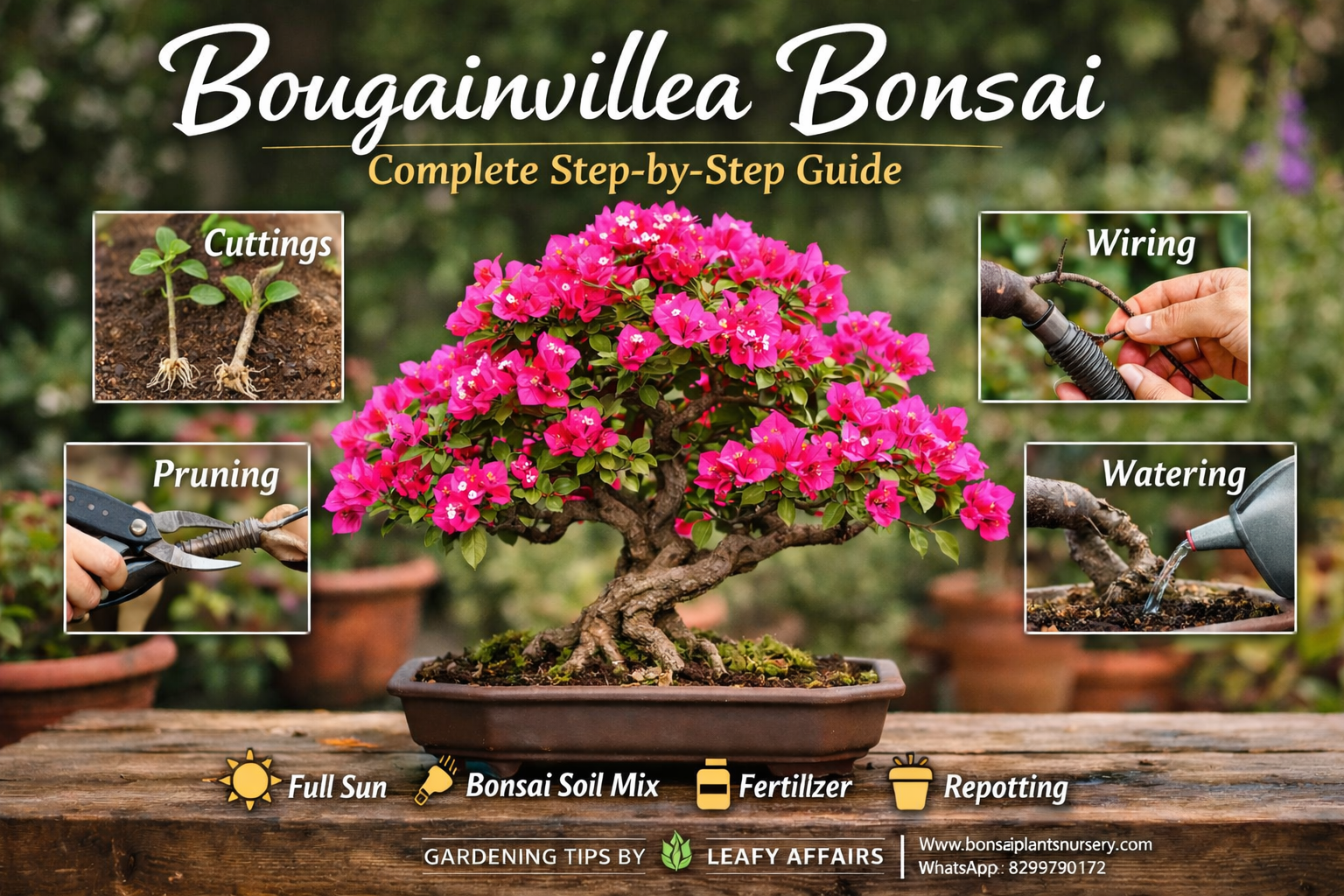
🌸 Adenium (Desert Rose) Bonsai Complete Care Guide How to Make, Care, Pruning, Fertilizer, Vastu Benefits & Buying Guide

🌺 Introduction: What Is Adenium Bonsai?

Adenium, commonly known as Desert Rose, is one of the most beautiful flowering bonsai plants in the world.
Its thick swollen trunk (called Caudex) and rose-like flowers make it a premium indoor & balcony bonsai plant.

Adenium_Bonsai_Floral_elegance_for_homes

Today, Adenium Bonsai is:

  • A highly searched flowering bonsai

  • A top-selling product for online nurseries

  • Perfect for home décor, gifting & office spaces

With proper care, Adenium Bonsai can flower 2–3 times a year.


🌿 Why Choose Adenium Bonsai?

✅ Low Maintenance Bonsai

  • Requires less water

  • Minimal pruning

  • Ideal for beginners

✅ Stunning Flowers

  • Pink, Red, White & multicolor blooms

  • Long-lasting flowers

✅ Indoor + Outdoor Friendly

  • Balcony

  • Window-side

  • Bright indoor location

✅ High Gifting & Commercial Value

  • Housewarming gift

  • Birthday & festive gifting

  • Corporate gifting


🌱 How to Make Adenium Bonsai

🔹 Method 1: From Seeds

Pros: Strong caudex formation
Cons: Time-consuming

Steps:

  1. Soak fresh seeds for 10–12 hours

  2. Sow in cocopeat + sand mix

  3. Germination in 7–10 days

  4. Bonsai shaping after 2–3 years


🔹 Method 2: From Nursery Plant (Best Method ✅)

✔ Fast results
✔ Beginner-friendly
✔ High survival rate

Choose:

  • 6–12 months old healthy plant

  • Thick caudex

  • Pest & disease free

📌 Buying a pre-trained Adenium Bonsai saves 2–3 years of effort

🌐 www.bonsaiplantsnursery.com


🪴 Best Pot for Adenium Bonsai

  • Wide & shallow bonsai pot

  • Clay or ceramic preferred

  • Drainage holes mandatory

❌ Deep pots reduce flowering
❌ No drainage causes root rot


🌱 Ideal Soil Mix for Adenium Bonsai

Perfect Soil Formula:

  • 40% river sand

  • 30% garden soil

  • 20% cocopeat

  • 10% vermicompost

✔ Excellent drainage
✔ Healthy roots
✔ Maximum flowering


☀️ Sunlight Requirement

Adenium loves sunlight 🌞

  • 4–6 hours of direct sunlight daily

  • Morning + afternoon sun is best

  • Indoors: place near bright window

❌ Low light = no flowers


💧 Watering Guide (MOST IMPORTANT)

⚠️ Overwatering is the biggest killer of Adenium

  • Water only when soil is completely dry

  • Summer: every 3–4 days

  • Winter: every 7–10 days

👉 Always ensure water drains out


🌼 Fertilizer & Nutrition

Growing Season (March–September)

  • Liquid flowering fertilizer every 15 days

  • Vermicompost once a month

Flower Boost Tip 🌸

  • NPK 10:30:20 (low dose) every 20 days


✂️ Pruning & Shaping

Benefits of pruning:

  • Better shape

  • More branches

  • More flowers

Best Time: After flowering

Steps:

  • Trim soft growth

  • Remove unwanted branches

  • Apply fungicide on cuts


🔄 Repotting Guide

  • Every 2–3 years

  • Best time: Early summer

Steps:

  • Light root trimming

  • Fresh soil mix

  • Avoid watering for 5–7 days


🦠 Common Problems & Solutions

Root Rot

Cause: Overwatering
Solution: Dry soil + fungicide

Yellow Leaves

Cause: Low sunlight
Solution: Brighter location

Mealy Bugs / Aphids

Solution: Neem oil spray every 7 days


🌸 Proven Tips for More Flowers

✔ Full sunlight
✔ Controlled watering
✔ Low nitrogen fertilizer
✔ Light stress pruning


🏡 Vastu Benefits of Adenium Bonsai

  • Brings positivity & happiness

  • Enhances creativity

  • Improves home aesthetics

📍 Best direction: East or North-East


❓ FAQs

Q1. Is Adenium Bonsai suitable for indoors?
Yes, if it receives bright sunlight.

Q2. How long does it take to flower?
8–12 months with proper care.

Q3. Is it beginner-friendly?
Yes, one of the easiest flowering bonsai.

🌐 Buy From Trusted Nursery

Website: www.bonsaiplantsnursery.com
📲 WhatsApp: 8299790172

👉 Order Now & Add Floral Beauty to Your Space 🌸

Adenium Bonsai Plant (Desert Rose) – Premium Flowering Indoor Bonsai


Posted on Leave a comment

🌸 एडेनियम (Adenium / Desert Rose) का बोन्साई बनाने का तरीका 🌿 देखरेख, कटाई-छंटाई, खाद, फूल लाने के उपाय, वास्तु लाभ और संपूर्ण गाइड

🌺 परिचय: एडेनियम बोन्साई क्या है?

Adenium, जिसे आम भाषा में Desert Rose कहा जाता है, एक बेहद खूबसूरत फूल देने वाला बोन्साई पौधा है।
इसकी सबसे बड़ी पहचान है इसका मोटा तना (Caudex) और गुलाब जैसे आकर्षक फूल

Adenium_Bonsai_Floral_elegance_for_homes

आज के समय में Adenium Bonsai:

  • सबसे ज़्यादा search किया जाने वाला flowering bonsai

  • घर और ऑफिस के लिए premium decorative plant

👉 सही देखरेख से एडेनियम बोन्साई साल में 2–3 बार फूल दे सकता है।


🌱 एडेनियम बोन्साई क्यों चुनें?

✅ 1. कम देखरेख वाला बोन्साई

  • कम पानी

  • कम खाद

  • कम pruning

✅ 2. शानदार फूल

  • Pink, Red, White, Dual color

  • लंबे समय तक टिकने वाले फूल

✅ 3. Indoor + Outdoor दोनों के लिए

  • Balcony

  • Window side

  • Bright indoor area

✅ 4. High resale & gifting value

  • House warming

  • Birthday gift

  • Corporate gifting


🌿 एडेनियम बोन्साई बनाने के तरीके

🔹 तरीका 1: बीज से (Seed Method)

✔ Strong caudex बनता है
❌ समय ज्यादा लगता है

Steps:

  1. Fresh adenium seeds लें

  2. 12 घंटे पानी में भिगो दें

  3. Cocopeat + sand में बोएँ

  4. 7–10 दिन में germination

⏳ Bonsai shape: 2–3 साल


🔹 तरीका 2: Nursery Plant से (Best Method ✅)

👉 Beginners के लिए सबसे अच्छा तरीका

  • 6–12 महीने का healthy adenium plant लें

  • मोटा caudex चुनें

  • Disease-free plant हो

📌 Pre-trained Adenium Bonsai खरीदना सबसे तेज़ और सुरक्षित तरीका है
🌐 www.bonsaiplantsnursery.com


🪴 सही गमला (Pot Selection)

  • चौड़ा और shallow pot

  • Ceramic / clay bonsai pot

  • Drainage hole अनिवार्य

❌ Deep pot = ज्यादा पत्ते, कम फूल
❌ No drainage = root rot


🌱 एडेनियम बोन्साई के लिए Best Soil Mix

Perfect Soil Formula:

  • 40% river sand

  • 30% garden soil

  • 20% cocopeat

  • 10% vermicompost

✔ Fast drainage
✔ Healthy roots
✔ More flowers


☀️ धूप की सही मात्रा

Adenium को धूप बहुत पसंद है

  • रोज़ 4–6 घंटे sunlight

  • Morning + afternoon sun best

  • Indoor हो तो window के पास रखें

❌ कम धूप = फूल नहीं आएँगे


💧 पानी देने का सही तरीका (MOST IMPORTANT)

⚠️ Overwatering = Adenium की सबसे बड़ी दुश्मन

  • मिट्टी पूरी सूखने के बाद ही पानी

  • Summer: 3–4 दिन में

  • Winter: 7–10 दिन में

👉 पानी हमेशा नीचे से drain होना चाहिए


🌼 खाद और Nutrition Guide

Growing Season (March–September)

  • Liquid flower fertilizer: 15 दिन में 1 बार

  • Vermicompost: महीने में 1 बार

Flower Boost Tip 🌸

  • NPK 10:30:20 (low dose)

  • हर 20 दिन में


✂️ कटाई-छंटाई (Pruning) कैसे करें?

Pruning से:

  • Shape सुंदर बनती है

  • ज्यादा branches निकलती हैं

  • ज्यादा flowers आते हैं

Best Time: Flowering के बाद

Method:

  • Unwanted branches काटें

  • ऊपर की soft growth trim करें

  • कट के बाद fungicide लगाएँ


🔄 Repotting कब करें?

  • हर 2–3 साल में

  • Best time: Summer start

Steps:

  • Roots हल्के से trim करें

  • Fresh soil mix डालें

  • 5–7 दिन पानी न दें


🦠 रोग और समाधान

🔸 Root Rot

Cause: Overwatering
Solution: Dry soil + fungicide

🔸 Leaves Yellow

Cause: कम धूप
Solution: Sunny location

🔸 Mealy bug / Aphids

Solution: Neem oil spray (7 days gap)


🌸 फूल लाने के Proven Tips

✔ Full sunlight
✔ Controlled watering
✔ Low nitrogen fertilizer
✔ Stress pruning (light)

👉 यही tips commercial growers use करते हैं


🏡 एडेनियम बोन्साई के वास्तु लाभ

  • Positive energy बढ़ाता है

  • Creativity & happiness लाता है

  • घर की beauty और luck दोनों बढ़ाता है

📍 Best direction: East / North-East


❓ FAQ (SEO Boost)

Q1. क्या एडेनियम बोन्साई indoor रख सकते हैं?
हाँ, bright sunlight हो तो।

Q2. कितने समय में फूल आते हैं?
Proper care से 8–12 महीने में।

Q3. Beginners के लिए सही है?
Yes, very easy bonsai plant.


🛒 BUY ADENIUM BONSAI ONLINE

🌸 Premium Flowering Adenium Bonsai
✔ Healthy caudex
✔ Expert trained
✔ Ready to flower

🌐 Order Now: www.bonsaiplantsnursery.com
📲 WhatsApp: 8299790172
👉 Limited Stock – Order Today 🌿

Adenium Bonsai Plant (Desert Rose) – Premium Flowering Indoor Bonsai


Posted on Leave a comment

🌿 Banyan (Bargad) Bonsai Complete Care Guide How to Make, Care, Pruning, Fertilizer, Vastu Benefits & Buying Guide

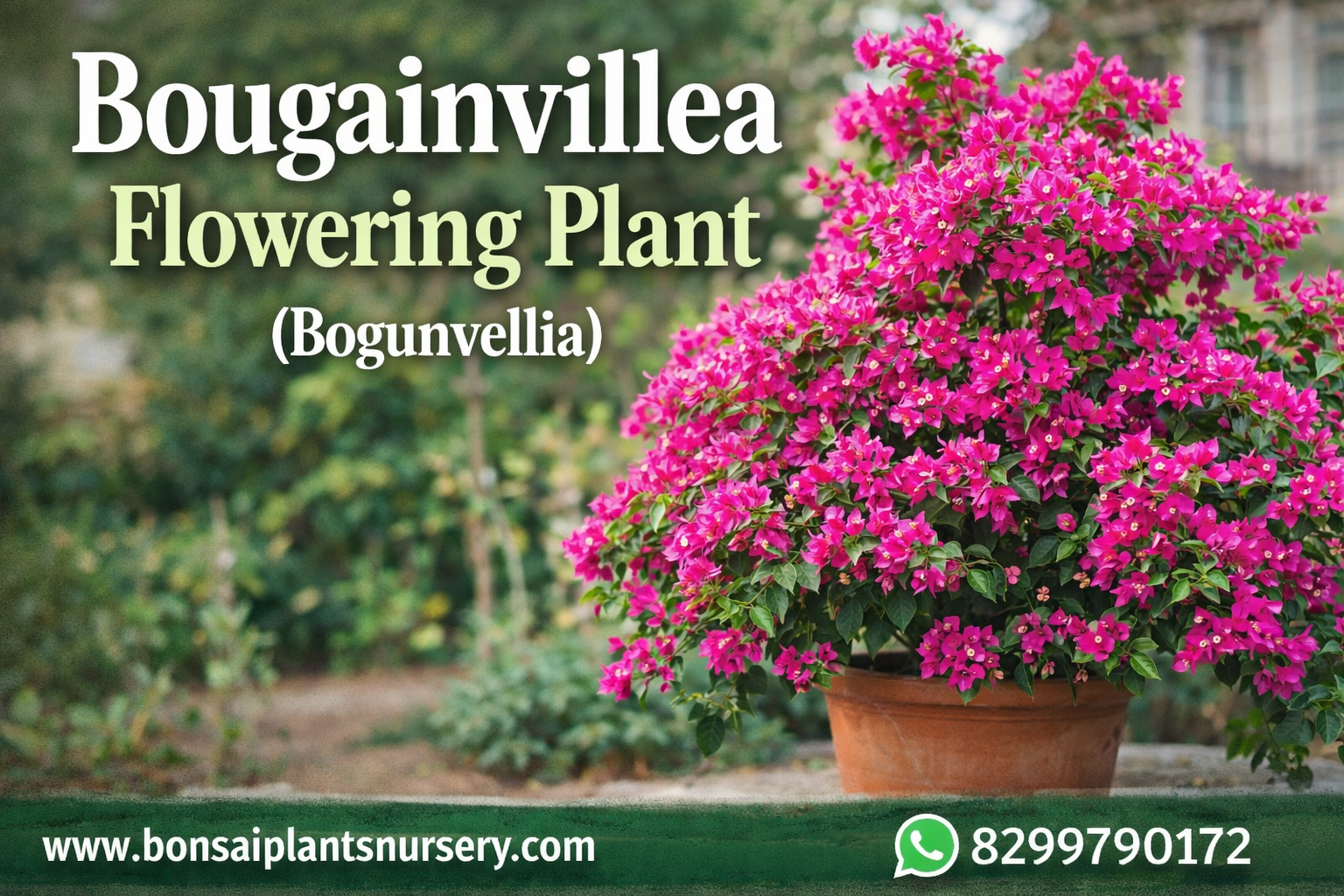
🌳 Introduction: Banyan Bonsai – A Symbol of Strength & Longevity

The Banyan Tree (Ficus Benghalensis) is known as the national tree of India and symbolizes strength, stability, protection, and longevity.
When trained as a Banyan Bonsai, this majestic tree transforms into a premium indoor bonsai plant suitable for homes, offices, and meditation spaces.

Banyan_Bonsai_Plant
Banyan_Bonsai_Plant


Today, Banyan Bonsai is:

  • A high-search spiritual bonsai plant

  • A premium décor item

  • One of the best long-living indoor bonsai trees

This complete guide will help you:
✅ Make Banyan Bonsai step-by-step
✅ Learn proper care & maintenance
✅ Understand pruning, wiring & repotting
✅ Know Vastu & spiritual benefits
✅ Buy the right Banyan Bonsai plant online


🌱 What Is Banyan Bonsai?

A Banyan Bonsai is created by training a Ficus Benghalensis plant using bonsai techniques to maintain a miniature size while preserving its powerful trunk and aerial roots.

👉 Bonsai is not a separate plant
👉 It is the art of growing trees in miniature form


🌿 Why Banyan Bonsai Is Special?

1️⃣ Symbol of Longevity

Banyan trees live for centuries. As a bonsai, they can live 30–50+ years with proper care.

2️⃣ Vastu & Spiritual Benefits

  • Brings stability & calmness

  • Reduces negative energy

  • Enhances mental peace

3️⃣ Premium Indoor Bonsai

Perfect for:

  • Living rooms

  • Office cabins

  • Meditation & yoga spaces


🌱 How to Make Banyan Bonsai

🔹 Method 1: From Seeds (Slow Process)

  • Collect ripe Banyan seeds

  • Soak for 24 hours

  • Sow in cocopeat + soil

  • Germination in 10–20 days

⏳ Takes 4–5 years to form a bonsai


🔹 Method 2: From Nursery Plant (Best & Recommended)

✔ Fast results
✔ High survival rate
✔ Beginner-friendly

Choose:

  • 6–12 months healthy plant

  • Thick trunk preferred

  • Visible aerial roots are a bonus

📌 Buying a trained Banyan Bonsai is the best option


🪴 Best Pot for Banyan Bonsai

  • Wide & shallow bonsai pot

  • Ceramic or clay material

  • Drainage holes mandatory

❌ Deep pots cause vertical growth
❌ No drainage leads to root rot


🌱 Best Soil Mix

Ideal Bonsai Soil Mix:

  • 40% garden soil

  • 30% cocopeat

  • 20% river sand

  • 10% vermicompost

✔ Excellent drainage
✔ Healthy roots
✔ Controlled growth


☀️ Sunlight Requirement

  • Bright indirect sunlight

  • Morning sunlight preferred

  • Near window or balcony

❌ Harsh afternoon sun burns leaves
❌ Full shade causes leaf drop


💧 Watering Guide

⚠️ Overwatering is the biggest mistake

  • Water only when topsoil dries

  • Summer: daily or alternate days

  • Winter: every 3–4 days

  • Ensure water drains from bottom


🌼 Fertilizer & Nutrition

Growing Season (March–September)

  • Liquid bonsai fertilizer every 15 days

  • OR vermicompost once a month

Winter

  • Fertilize once every 30–40 days


✂️ Pruning & Shaping

Pruning helps:
✔ Maintain size
✔ Improve branching
✔ Enhance beauty

  • Prune after 6–8 leaves

  • Leave 2–3 leaves per branch


🧵 Wiring Technique

  • Use aluminum bonsai wire

  • Best season: spring & monsoon

  • Do not wire tightly


🔄 Repotting Banyan Bonsai

  • Every 2–3 years

  • Best time: spring or monsoon

  • Light root trimming recommended


🦠 Common Problems & Solutions

Leaf Drop

Cause: overwatering or relocation
Solution: stable location + correct watering

Yellow Leaves

Cause: poor drainage
Solution: improve soil mix

Pests

Solution: neem oil spray every 7–10 days


🏡 Best Placement (Vastu)

✔ North-East or East direction
✔ Living room
✔ Office desk

❌ Bathrooms
❌ Under AC vents
❌ Dark corners


🌿 Vastu Benefits of Banyan Bonsai

  • Enhances stability & peace

  • Improves focus & productivity

  • Creates positive environment

  • Promotes long-term growth


❓ FAQs

Q1. Is Banyan Bonsai suitable for indoors?
Yes, with bright indirect light.

Q2. Is it beginner-friendly?
Yes, trained plants are easy to maintain.

Q3. How long does Banyan Bonsai live?
30–50+ years with proper care.

🌐 Buy From Trusted Nursery

Website: www.bonsaiplantsnursery.com
📲 WhatsApp: 8299790172
👉 Order Now & Bring Strength & Positivity Home 🌿

Banyan Bonsai Plant (Ficus Benghalensis) – Premium Indoor Spiritual Bonsai


Posted on Leave a comment

🌿 बरगद (Banyan) का बोन्साई बनाने का तरीका देखरेख, कटाई, खाद, वास्तु लाभ और संपूर्ण गाइड

बरगद का पेड़ भारत में दीर्घायु, स्थिरता, शक्ति और संरक्षण का प्रतीक माना जाता है। विशाल आकार में फैलने वाला यह वृक्ष जब बोन्साई रूप में ढाला जाता है, तो वह न सिर्फ देखने में अद्भुत लगता है बल्कि घर और ऑफिस के लिए एक शक्तिशाली Indoor Bonsai Plant बन जाता है।

Banyan_Bonsai_Plant
Banyan_Bonsai_Plant


आज के समय में Banyan Bonsai (Ficus Benghalensis Bonsai):

  • Spiritual + décor buyers दोनों को attract करता है

  • Premium bonsai category में आता है

इस संपूर्ण गाइड में आप जानेंगे:
✅ बरगद का बोन्साई कैसे बनाएं
✅ बीज और पौधे से बोन्साई तैयार करने का तरीका
✅ सही गमला, मिट्टी, पानी और खाद
✅ कटाई-छँटाई (Pruning) और वायरिंग
✅ आम समस्याएँ और समाधान
✅ वास्तु व आध्यात्मिक लाभ
Product Buying Guide + Selling CTA


🌳 बरगद (Banyan) बोन्साई क्या होता है?

बरगद बोन्साई असल में Ficus Benghalensis पौधे को विशेष तकनीकों से छोटा, नियंत्रित और कलात्मक रूप देने की प्रक्रिया है।
बोन्साई कोई अलग पौधा नहीं है, बल्कि यह एक कला (Art of Miniature Tree) है।

बरगद बोन्साई की पहचान:

  • मोटा और मजबूत तना

  • एरियल रूट्स (लटकती जड़ें)

  • लंबे समय तक जीवित रहने की क्षमता


🌿 बरगद बोन्साई को इतना खास क्यों माना जाता है?

1️⃣ दीर्घायु का प्रतीक

बरगद का पेड़ सैकड़ों साल तक जीवित रहता है। बोन्साई रूप में भी यह 30–50 साल या उससे अधिक चल सकता है।

2️⃣ वास्तु और सकारात्मक ऊर्जा

  • नकारात्मक ऊर्जा को कम करता है

  • स्थिरता और मानसिक शांति देता है

3️⃣ Premium Indoor Bonsai

  • Living room

  • Office cabin

  • Meditation area
    के लिए एक Royal look देता है।


🌱 बरगद का बोन्साई बनाने के तरीके

🔹 तरीका 1: बीज से बरगद बोन्साई बनाना

यह तरीका समय लेने वाला है लेकिन प्राकृतिक होता है।

Step-by-Step:

  1. पके बरगद फल से बीज निकालें

  2. 24 घंटे पानी में भिगो दें

  3. हल्की मिट्टी (cocopeat + soil) में ऊपर रखें

  4. 10–20 दिन में अंकुरण

⚠️ बीज से बोन्साई बनने में 4–5 साल लग सकते हैं


🔹 तरीका 2: नर्सरी पौधे से बरगद बोन्साई बनाना (Best)

👉 सबसे आसान और recommended तरीका

✔ 6–12 महीने पुराना healthy पौधा लें
✔ मोटा तना हो तो बेहतर
✔ एरियल रूट्स वाले पौधे premium माने जाते हैं

📌 Trained Banyan Bonsai खरीदना beginners के लिए सबसे अच्छा विकल्प है


🪴 बरगद बोन्साई के लिए सही गमला

✔ Ideal Bonsai Pot

  • चौड़ा और shallow

  • Ceramic या clay pot

  • नीचे drainage holes अनिवार्य

❌ बहुत गहरा गमला = लंबी जड़ें
❌ Drainage न हो = root rot


🌱 बरगद बोन्साई के लिए बेस्ट मिट्टी

गलत मिट्टी से बोन्साई कभी सफल नहीं होता।

✔ Best Soil Mix:

  • 40% garden soil

  • 30% cocopeat

  • 20% river sand

  • 10% vermicompost

✔ पानी जल्दी निकलता है
✔ जड़ें स्वस्थ रहती हैं
✔ ग्रोथ कंट्रोल में रहती है


☀️ धूप और रोशनी की जरूरत

  • Bright indirect sunlight

  • सुबह की हल्की धूप सबसे अच्छी

  • खिड़की या balcony near sunlight

❌ बहुत तेज धूप → पत्तियाँ जलेंगी
❌ पूरी छाया → पत्तियाँ गिरेंगी


💧 बरगद बोन्साई में पानी कैसे दें?

⚠️ Overwatering सबसे बड़ी गलती है।

✔ सही तरीका:

  • ऊपर की मिट्टी सूखने पर पानी दें

  • Summer: रोज़ या एक दिन छोड़कर

  • Winter: 3–4 दिन में

👉 पानी नीचे से निकलना चाहिए


🌼 खाद और पोषण (Fertilizer Guide)

🌱 Growing Season (March–September)

  • Liquid bonsai fertilizer – हर 15 दिन

  • या vermicompost – महीने में 1 बार

❄️ सर्दियों में

  • 30–40 दिन में 1 बार

❌ ज़्यादा खाद से जड़ें जल सकती हैं


✂️ कटाई-छँटाई (Pruning) क्यों जरूरी है?

Pruning से:
✔ बोन्साई छोटा रहता है
✔ नई शाखाएँ आती हैं
✔ सुंदर आकार बनता है

✔ कैसे करें?

  • 6–8 पत्तियाँ आने पर

  • 2–3 पत्तियाँ छोड़कर काटें


🧵 वायरिंग और शेपिंग

  • Aluminum bonsai wire का उपयोग

  • Spring / Monsoon में करें

  • धीरे-धीरे शाखा मोड़ें

⚠️ बहुत टाइट वायर न लगाएँ


🔄 Repotting कब करें?

  • हर 2–3 साल में

  • Best time: Spring या Monsoon

  • Roots हल्की trim करें


🦠 आम समस्याएँ और समाधान

🍂 पत्तियाँ गिरना

कारण: जगह बदलना, पानी ज्यादा
उपाय: एक जगह रखें, पानी नियंत्रित करें

🟡 पत्तियाँ पीली

कारण: Drainage खराब
उपाय: मिट्टी बदलें

🐜 कीड़े (Mealybug, Aphid)

उपाय: Neem oil spray 7–10 दिन में


🏡 बरगद बोन्साई घर में कहाँ रखें? (Vastu)

✔ North-East या East दिशा
✔ Living room
✔ Office cabin

❌ Bathroom
❌ AC के नीचे
❌ बहुत अंधेरी जगह


🌿 बरगद बोन्साई के वास्तु लाभ

  • स्थिरता और शांति

  • मानसिक तनाव में कमी

  • सकारात्मक ऊर्जा

  • पारिवारिक harmony

  • Office में growth और focus


❓ Frequently Asked Questions (FAQs)

Q1. क्या बरगद बोन्साई indoor रखा जा सकता है?
हाँ, bright indirect light में।

Q2. Beginners के लिए सही है?
हाँ, trained bonsai खरीदने पर।

Q3. बरगद बोन्साई कितने साल चलता है?
30–50 साल या उससे अधिक।


🛒 PRODUCT BUYING GUIDE

🌿 Banyan (Bargad) Bonsai Plant – Premium Indoor Bonsai

✔ Expert-trained bonsai
✔ Strong trunk & aerial roots
✔ Low maintenance
✔ Home & office décor के लिए best

🎁 Perfect For:

  • Housewarming gift

  • Office inauguration

  • Corporate gifting

🌐 Website: www.bonsaiplantsnursery.com
📲 WhatsApp: 8299790172

👉 Order Now – Bring Strength & Positivity Home 🌿


🔚 निष्कर्ष

बरगद बोन्साई सिर्फ एक पौधा नहीं है,
यह स्थिरता, शक्ति और शांति का प्रतीक है।

अगर आप:
✔ Long-living bonsai
✔ Premium indoor plant
✔ Spiritual + décor plant

चाहते हैं, तो Banyan Bonsai एक perfect choice है।

Banyan Bonsai Plant (Ficus Benghalensis) – Premium Indoor Spiritual Bonsai

Posted on Leave a comment

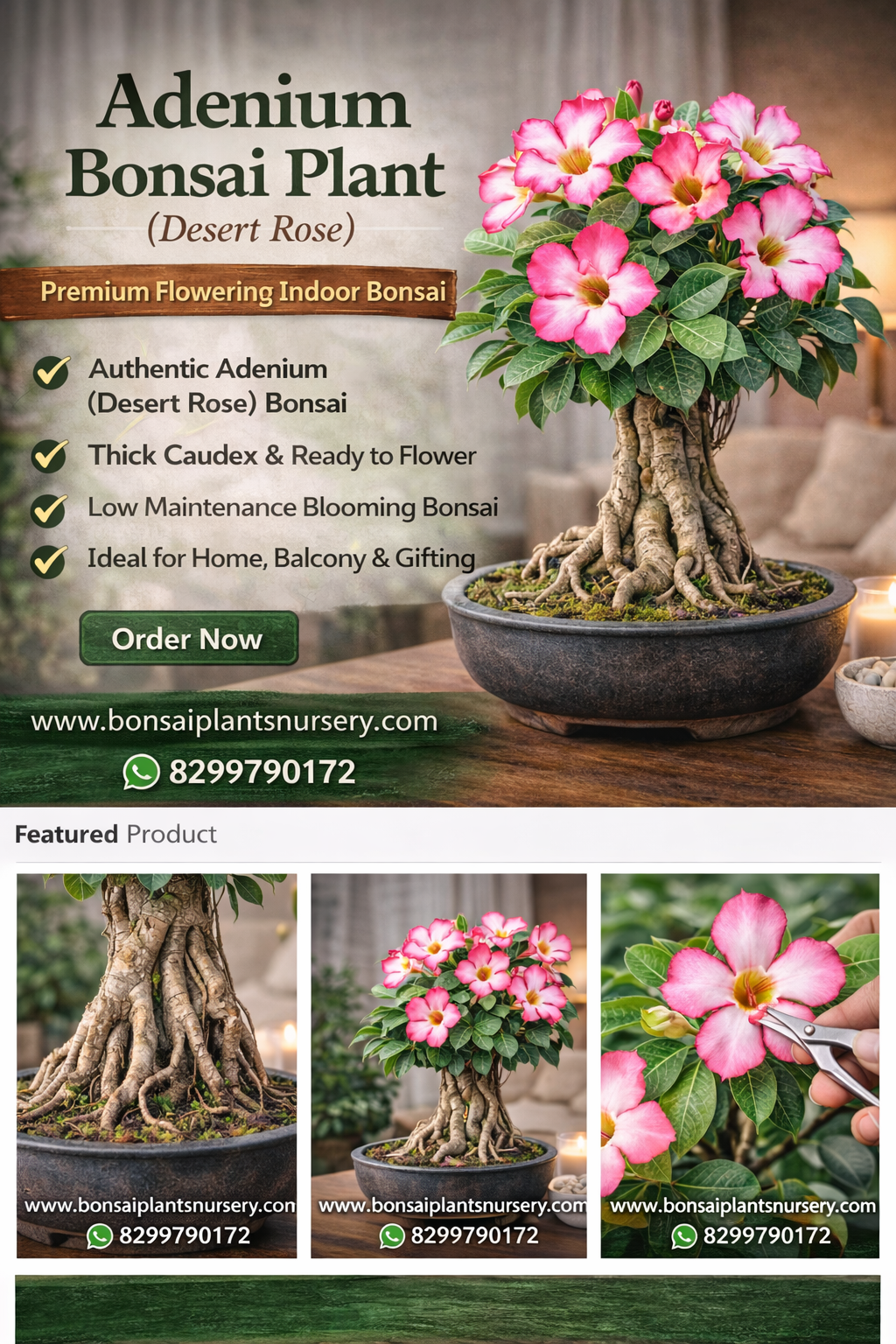
🌿 Peepal Bonsai Tree Complete Guide How to Make, Care, Benefits, Vastu Importance & Buying Guide

The Peepal Tree (Ficus religiosa) is one of the most sacred and powerful trees in Indian culture. It is worshipped, respected, and believed to be a source of positive energy, peace, longevity, and prosperity.

When this divine tree is grown in miniature form as a Peepal Bonsai, it becomes one of the most valuable Indoor Bonsai Plants for homes and offices.

Peepal Bonsai Tree Complete Guide

Today, Peepal Bonsai is:

  • In strong demand for spiritual & vastu purposes

  • One of the best-selling bonsai plants in India

This detailed guide will teach you:

✅ How to make Peepal Bonsai step-by-step
✅ Seed method & nursery plant method
✅ Pot, soil, watering & fertilizer guide
✅ Pruning, wiring & shaping techniques
✅ Common problems & solutions
✅ Vastu & spiritual benefits
Product buying guide + strong sales CTA


🌱 What Is Peepal Bonsai?

A Peepal Bonsai is created by growing and training a Ficus religiosa plant using bonsai techniques to keep it small, artistic, and controlled while maintaining its natural strength and beauty.

👉 Bonsai is not a separate plant species
👉 It is an art of growing trees in miniature form

Peepal Bonsai represents:

  • Spiritual power

  • Patience and discipline

  • Nature in its most artistic form


🌳 Why Peepal Bonsai Is So Special?

1️⃣ Religious & Spiritual Importance

  • Associated with Lord Vishnu, Lord Shiva & Buddha

  • Believed to purify the environment

  • Reduces negative energy from home

2️⃣ Powerful Vastu Benefits

  • Improves peace and harmony

  • Brings financial stability

  • Reduces stress and anxiety

3️⃣ Best Indoor Bonsai Plant

  • Grows well in pots

  • Suitable for homes, offices & balconies

  • Requires less space


🌿 Who Should Buy a Peepal Bonsai?

✔ Spiritual people
✔ Home & office décor lovers
✔ Corporate offices
✔ Meditation practitioners
✔ Beginners in bonsai gardening
✔ Gift buyers (housewarming, festivals, offices)


🌱 Two Best Methods to Make Peepal Bonsai


🔹 Method 1: Growing Peepal Bonsai from Seeds

Step 1: Collecting Seeds

  • Collect ripe Peepal fruits

  • Extract seeds carefully

  • Soak seeds in water for 24 hours

Step 2: Germination

  • Use light soil + cocopeat

  • Place seeds on soil surface (do not bury deeply)

  • Keep soil moist, not wet

⏳ Germination time: 7–14 days

⚠️ Seed-grown bonsai requires years of patience


🔹 Method 2: Making Peepal Bonsai from Nursery Plant (Best)

✔ Recommended for beginners
✔ Faster results
✔ Better survival rate

How to Select the Right Plant:

  • 6–12 months old healthy plant

  • Thick trunk preferred

  • Strong root system

📌 Trained or semi-trained Peepal Bonsai plants are best for buyers


🪴 Best Pot for Peepal Bonsai

Choosing the right pot is crucial.

✔ Ideal Bonsai Pot

  • Shallow and wide

  • Ceramic or clay pot

  • Proper drainage holes

❌ Deep pots encourage vertical growth
❌ No drainage = root rot


🌱 Best Soil Mix for Peepal Bonsai

Wrong soil is the biggest reason bonsai failure.

✔ Perfect Soil Mix:

  • 40% garden soil

  • 30% cocopeat

  • 20% river sand

  • 10% vermicompost

Benefits:
✔ Excellent drainage
✔ Healthy roots
✔ Controlled growth


☀️ Sunlight Requirement for Peepal Bonsai

  • Bright indirect sunlight is ideal

  • Morning sunlight is best

  • Place near window or balcony

❌ Full shade → leaf drop
❌ Harsh afternoon sun → leaf burn


💧 Watering Guide for Peepal Bonsai

⚠️ Overwatering is the most common mistake

✔ Correct Watering Method:

  • Water only when topsoil feels dry

  • Summer: daily or alternate days

  • Winter: every 3–4 days

👉 Water until excess drains from bottom


🌼 Fertilizer & Nutrition Guide

🌱 Growing Season (March–September)

  • Liquid bonsai fertilizer every 15 days

  • OR vermicompost once a month

❄️ Winter Season

  • Fertilize once every 30–40 days

❌ Over-fertilizing damages roots


✂️ Pruning Peepal Bonsai (Most Important Step)

Pruning helps to:
✔ Maintain shape
✔ Reduce leaf size
✔ Encourage branching

✔ How to Prune:

  • When branch develops 6–8 leaves

  • Cut back to 2–3 leaves

📌 Regular pruning keeps bonsai compact


🧵 Wiring & Styling Techniques

  • Use aluminum bonsai wire

  • Best season: spring & monsoon

  • Bend branches gently

⚠️ Do not wire too tightly
⚠️ Beginners should seek guidance


🔄 Repotting Peepal Bonsai

  • Every 2–3 years

  • Best time: spring or monsoon

  • Trim roots lightly

  • Replace old soil


🦠 Common Problems & Solutions

🍂 Leaf Drop

Cause: Overwatering, location change
Solution: Stable location & proper watering

🟡 Yellow Leaves

Cause: Poor drainage, nutrient deficiency
Solution: Improve soil + add vermicompost

🐜 Pests (Aphids, Mealybugs)

Solution: Neem oil spray every 7–10 days


🏡 Best Place to Keep Peepal Bonsai (Vastu)

✔ North-East direction (best)
✔ Living room
✔ Office desk
✔ Meditation area

❌ Bathrooms
❌ Dark corners
❌ Under AC vents


🌿 Vastu & Feng Shui Benefits of Peepal Bonsai

  • Enhances positive energy

  • Improves mental peace

  • Helps concentration & meditation

  • Attracts prosperity

  • Creates calm environment


❓ Frequently Asked Questions (FAQs)

Q1. Can Peepal Bonsai be kept indoors?

Yes, with bright indirect sunlight.

Q2. Is Peepal Bonsai good for beginners?

Yes, with basic care guidance.

Q3. How long does Peepal Bonsai live?

50+ years with proper care.

Q4. Does Peepal Bonsai need daily sunlight?

Yes, indirect sunlight is important.


🛒 PRODUCT DESCRIPTION

🌿 Peepal Bonsai Plant – Premium Spiritual Indoor Bonsai

✔ Healthy, trained bonsai
✔ Thick trunk & strong roots
✔ Easy maintenance
✔ Ideal for home & office

🎁 Perfect Gift For:

  • Housewarming

  • Office inauguration

  • Spiritual occasions

  • Corporate gifting

Peepal Bonsai Plant (Ficus Religiosa) – Premium Spiritual Indoor Bonsai Tree


🚚 Why Buy from Bonsaiplantsnursery.com?

✅ Trusted online bonsai nursery
✅ Expert-grown bonsai plants
✅ Safe & secure packaging
✅ All-India delivery

🌐 Website: www.bonsaiplantsnursery.com
📲 WhatsApp: 8299790172
👉 Order Now & Bring Peace, Positivity and Nature Home 🌿

Posted on Leave a comment

🌿 पीपल का बोन्साई बनाने का तरीका देखरेख, कटाई, खाद, वास्तु लाभ और संपूर्ण गाइड

पीपल का पेड़ (Ficus religiosa) भारत में सिर्फ एक पौधा नहीं बल्कि आस्था, सकारात्मक ऊर्जा और दीर्घायु का प्रतीक माना जाता है। जब यही पीपल एक छोटे सुंदर रूप में बोन्साई बन जाता है, तो यह घर और ऑफिस के लिए सबसे शक्तिशाली Indoor Bonsai Plant बन जाता है।

Peepal Bonsai Tree Complete Guide

आज के समय में Peepal Bonsai:

  • बहुत तेज़ी से popular हो रहा है

  • Spiritual buyers और décor buyers दोनों को attract करता है

इस लेख में आप सीखेंगे:
✅ पीपल का बोन्साई कैसे बनाएं (step-by-step)
✅ बीज से और पौधे से बोन्साई बनाने का तरीका
✅ गमला, मिट्टी, पानी, खाद की पूरी जानकारी
✅ कटाई-छँटाई और wiring
✅ आम समस्याएँ और समाधान
✅ वास्तु व धार्मिक लाभ
Product buying guide + Strong Selling CTA


🌱 पीपल का बोन्साई क्या होता है?

पीपल बोन्साई असल में Ficus religiosa पौधे को विशेष तकनीकों से छोटा, नियंत्रित और कलात्मक रूप में उगाने की प्रक्रिया है।

👉 बोन्साई कोई अलग पौधा नहीं है
👉 यह प्रकृति + कला + धैर्य का संगम है


🌳 पीपल बोन्साई को इतना खास क्यों माना जाता है?

1️⃣ धार्मिक और आध्यात्मिक महत्व

  • पीपल को भगवान विष्णु, शिव और बुद्ध से जोड़ा जाता है

  • घर में पीपल बोन्साई रखने से नकारात्मक ऊर्जा दूर मानी जाती है

2️⃣ वास्तु के अनुसार शुभ

  • धन, शांति और स्वास्थ्य में वृद्धि

  • तनाव और मानसिक अशांति कम

3️⃣ Indoor Bonsai के लिए आदर्श

  • कम जगह में उगाया जा सकता है

  • Balcony, living room, office desk के लिए perfect


🌿 पीपल बोन्साई किसके लिए सबसे अच्छा है?

✔ Spiritual लोग
✔ Office owners
✔ Corporate gifting
✔ Home décor lovers
✔ Beginners bonsai growers


🌱 पीपल का बोन्साई बनाने के 2 तरीके

🔹 तरीका 1: बीज से पीपल बोन्साई बनाना

Step 1: बीज तैयार करना

  • पके पीपल के फल से बीज निकालें

  • 24 घंटे पानी में भिगो दें

Step 2: Seed germination

  • हल्की मिट्टी + कोकोपीट

  • बीज ऊपर रखें, ढकें नहीं

  • 7–14 दिन में अंकुरण

⚠️ बीज से बोन्साई बनने में समय ज़्यादा लगता है


🔹 तरीका 2: नर्सरी पौधे से बोन्साई बनाना (Best Method)

👉 यही तरीका buyers और beginners के लिए recommended है

  • 6–12 महीने पुराना healthy पौधा लें

  • मोटा तना हो तो और बेहतर

  • यही पौधा बाद में beautiful bonsai बनता है

📌 Grafted / Trained Peepal Bonsai सबसे अच्छा रहता है


🪴 पीपल बोन्साई के लिए सही गमला

✔ Ideal Bonsai Pot

  • चौड़ा और shallow

  • Ceramic या clay pot

  • नीचे drainage holes अनिवार्य

❌ गहरा गमला = जड़ें लंबी, bonsai खराब


🌱 पीपल बोन्साई के लिए बेस्ट मिट्टी

गलत मिट्टी = बोन्साई failure ❌

✔ Best Soil Mix

  • 40% garden soil

  • 30% cocopeat

  • 20% river sand

  • 10% vermicompost

✔ Water drainage अच्छा
✔ Roots healthy
✔ Growth controlled


☀️ पीपल बोन्साई को कितनी धूप चाहिए?

  • Bright indirect sunlight

  • सुबह की हल्की धूप best

  • खिड़की या balcony near sunlight

❌ पूरी छाया = पत्तियाँ गिरेंगी
❌ तेज दोपहर की धूप = पत्तियाँ जलेंगी


💧 पीपल बोन्साई में पानी कैसे दें?

⚠️ सबसे आम गलती – ज़्यादा पानी

✔ सही तरीका

  • मिट्टी की ऊपरी परत सूखने पर ही पानी

  • Summer: रोज़ या एक दिन छोड़कर

  • Winter: 3–4 दिन में

👉 पानी नीचे से निकलना चाहिए


🌼 खाद और पोषण (Fertilizer Guide)

🌱 Growing Season (March–September)

  • Liquid bonsai fertilizer – हर 15 दिन

  • या vermicompost – महीने में 1 बार

❄️ सर्दियों में

  • 30–40 दिन में 1 बार

❌ ज़्यादा खाद = जड़ें जलेंगी


✂️ पीपल बोन्साई की कटाई (Pruning)

Pruning से:
✔ आकार छोटा रहता है
✔ नई शाखाएँ आती हैं
✔ बोन्साई सुंदर बनता है

✔ कैसे करें?

  • 6–8 पत्तियाँ आने पर

  • 2–3 पत्तियाँ छोड़कर काटें


🧵 Wiring और Styling

  • Aluminum wire का उपयोग करें

  • Spring या monsoon में करें

  • बहुत tight न बाँधें

📌 Beginners wiring expert से कराएँ तो बेहतर


🔄 Repotting कब करें?

  • हर 2–3 साल में

  • Best time: Spring / Monsoon

  • Roots हल्की trim करें


🦠 पीपल बोन्साई की आम समस्याएँ

🍂 पत्तियाँ गिरना

कारण: पानी ज़्यादा, जगह बदलना
उपाय: Stable location + controlled watering

🟡 पत्तियाँ पीली

कारण: drainage खराब
उपाय: मिट्टी बदलें

🐜 कीड़े

उपाय: Neem oil spray हर 7–10 दिन


🏡 पीपल बोन्साई घर में कहाँ रखें? (Vastu)

✔ North-East corner best
✔ Living room
✔ Office desk

❌ Bathroom
❌ AC के नीचे
❌ अंधेरी जगह


🌿 पीपल बोन्साई के वास्तु लाभ

  • Positive energy flow

  • Mental peace

  • Health improvement

  • Financial stability

  • Meditation focus बढ़ाता है


❓ FAQs – अक्सर पूछे जाने वाले सवाल

Q1. क्या पीपल बोन्साई indoor रखा जा सकता है?
हाँ, bright indirect light में।

Q2. पीपल बोन्साई beginners के लिए सही है?
हाँ, थोड़ी guidance के साथ।

Q3. पीपल बोन्साई कितने साल चलता है?
50+ साल, सही देखभाल में।


🛒 PRODUCT DESCRIPTION

🌿 Peepal Bonsai Plant – Premium Spiritual Bonsai

✔ Healthy trained bonsai
✔ Strong trunk & roots
✔ Low maintenance
✔ Best for home & office

🎁 Perfect Gift For:

  • Housewarming

  • Office inauguration

  • Spiritual gifting

Peepal Bonsai Plant (Ficus Religiosa) – Premium Spiritual Indoor Bonsai Tree


🚚 क्यों खरीदें Bonsaiplantsnursery.com से?

✅ Trusted bonsai nursery
✅ Expert grown plants
✅ Safe packing
✅ All India delivery

🌐 Website: www.bonsaiplantsnursery.com
📲 WhatsApp: 8299790172

👉 Order Now – Bring Peace & Positivity Home 🌿

Posted on Leave a comment

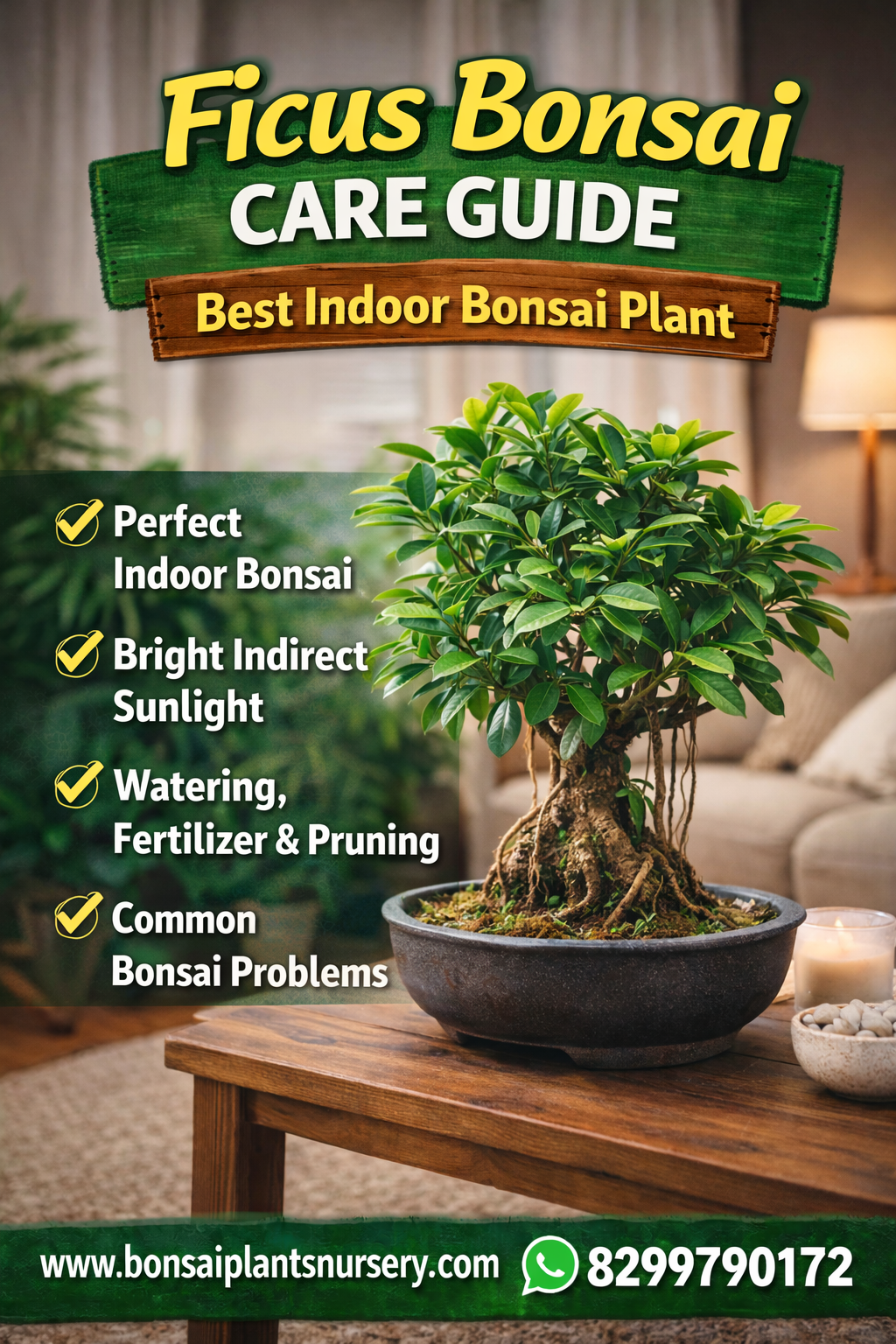
🌿 Ficus Bonsai Care Guide – Best Indoor Bonsai Plant Complete Guide for Home and Office

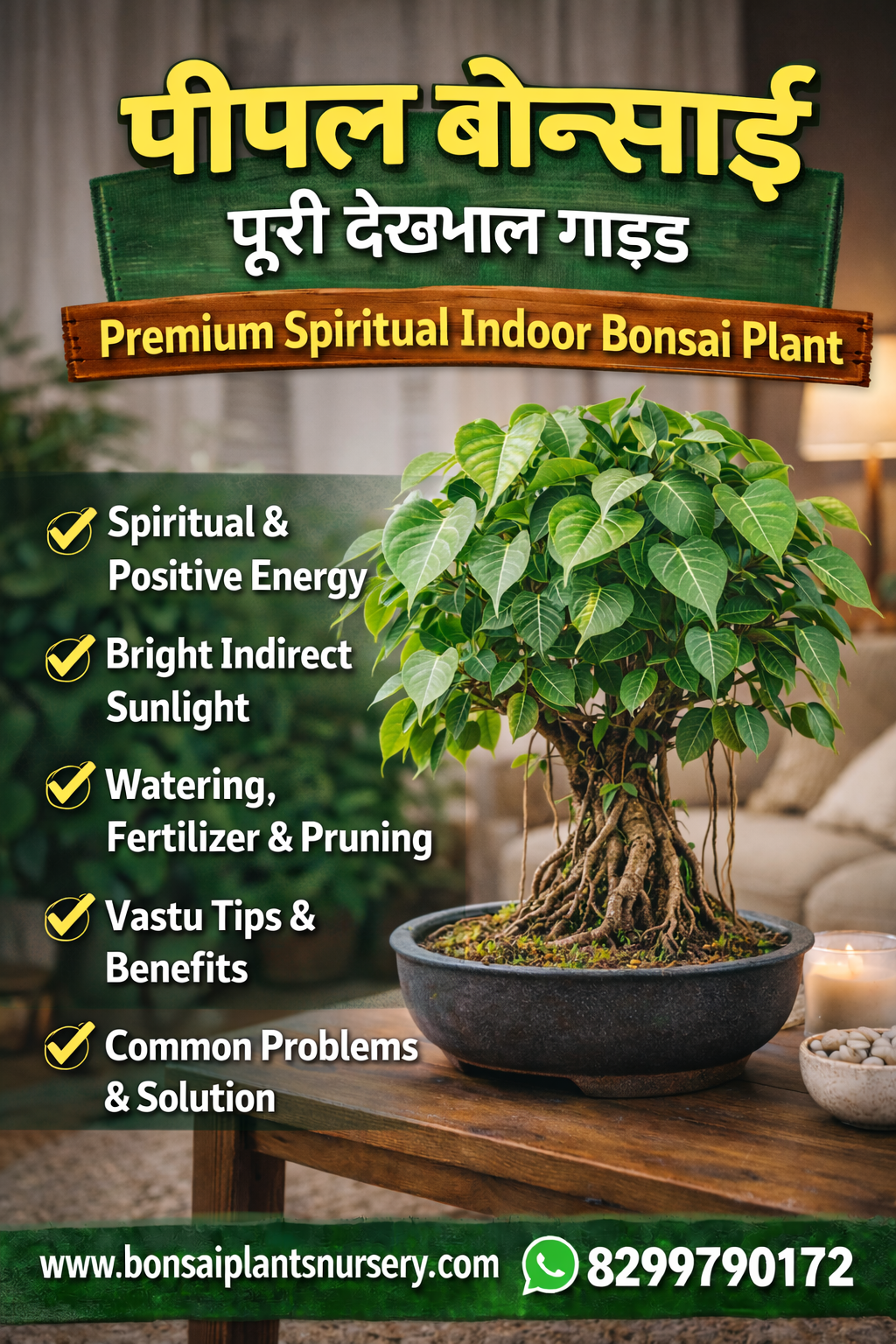
In today’s fast-paced lifestyle, people are increasingly looking to bring peace, greenery, and positive energy into their homes and offices. Among all indoor plants, the Ficus Bonsai (Ficus Microcarpa / Retusa / Benjamina) is one of the most popular indoor bonsai plants in India.

Ficus_Bonsai_Care_Guide


This guide is specifically for those who:

  • Want to buy a Ficus Bonsai

  • Are growing bonsai for the first time

  • Want a low-maintenance, decorative plant

  • Are looking for a premium indoor bonsai


🌱 What is Ficus Bonsai?

A Ficus Bonsai is a miniature, trained version of a Ficus tree, shaped using pruning, wiring, and proper care. It is not a separate species but a bonsai art form, keeping the tree small and aesthetically pleasing.


🌳 Why Ficus Bonsai is Special

1️⃣ Perfect for Indian Climate

Ficus Bonsai tolerates:

  • Heat

  • Humidity

  • Mild winters

2️⃣ Thrives Indoors

Even with indirect sunlight, it grows beautifully.

3️⃣ Beginner-Friendly

Ideal for first-time bonsai growers, requiring minimal care compared to other bonsai species.


🌿 Popular Ficus Bonsai Varieties in India

✅ Ficus Microcarpa Bonsai

  • Thick trunk

  • Aerial roots

  • Best indoor variety

✅ Ficus Retusa Bonsai

  • Small, glossy leaves

  • Dense canopy

  • Easy to shape

✅ Ficus Benjamina Bonsai

  • Graceful slender branches

  • Slightly sensitive but visually appealing


🪴 Choosing the Right Pot for Ficus Bonsai

The pot is not just decorative; it is essential for healthy growth.

✔ Recommended Pot

  • Shallow and wide bonsai pot

  • Ceramic or clay material

  • Drainage holes mandatory

❌ Deep pots → Root rot
❌ No drainage → Weak plant


🌱 Best Soil Mix for Ficus Bonsai

Wrong soil = 90% bonsai problems ❌

Soil Mix

  • 40% garden soil

  • 30% cocopeat

  • 20% coarse river sand

  • 10% vermicompost

✔ Ensures proper drainage
✔ Healthy root growth
✔ Prevents root rot


☀️ Light Requirements

  • Bright indirect sunlight

  • Near a window for filtered light

  • Morning sunlight preferred

❌ Avoid harsh afternoon sun
❌ Avoid complete darkness


💧 Watering Guidelines

⚠️ Overwatering is the biggest threat to bonsai survival.

✔ Watering Tips

  • Water when the topsoil feels slightly dry

  • Summer: Every 1–2 days

  • Winter: Every 3–4 days

  • Water until it drains from the bottom


🌼 Fertilizing Ficus Bonsai

🌱 Growing Season (Spring–Monsoon)

  • Liquid bonsai fertilizer every 15 days

  • Or vermicompost once a month

❄️ Winter Season

  • Fertilize once every 30–40 days

❌ Over-fertilizing may burn roots


✂️ Pruning for Shape and Health

  • Trim new shoots after 6–8 leaves

  • Leave 2–3 leaves when trimming

  • Regular pruning keeps bonsai compact, healthy, and beautiful


🧵 Wiring & Styling

  • Use aluminum bonsai wire

  • Apply during the growing season

  • Avoid wiring too tightly


🔄 Repotting Ficus Bonsai

  • Repot every 2–3 years

  • Best time: Spring or early monsoon

  • Lightly trim roots during repotting

  • Fresh soil encourages healthy growth


🦠 Common Problems & Solutions

🍂 Leaf Drop

  • Cause: Relocation stress or overwatering

  • Solution: Stable position + controlled watering

🟡 Yellow Leaves

  • Cause: Poor drainage or nutrient deficiency

  • Solution: Improve soil + add vermicompost

🐜 Pests (Mealybugs, Aphids)

  • Solution: Neem oil spray every 7–10 days

  • Clean leaves with a damp cloth


🏡 Where to Place Ficus Bonsai Indoors?

✔ Living room near window
✔ Office desk
✔ Study table

❌ Avoid air conditioning vents
❌ Bathrooms or extremely dark areas


🌿 Feng Shui and Vastu Benefits

  • Increases positive energy

  • Reduces stress

  • Enhances focus and creativity

  • Considered auspicious for offices and homes


❓ Frequently Asked Questions (FAQs)

Q1. Can Ficus Bonsai grow indoors permanently?
Yes, it is one of the best indoor bonsai plants.

Q2. Is it suitable for beginners?
Absolutely, it is easy to grow and low-maintenance.

Q3. How long does a Ficus Bonsai live?
With proper care, it can live 20–30 years or more.


https://bonsaiplantsnursery.com/product/ficus-bonsai-plant-premium-indoor-bonsai/


🌿 Ficus Bonsai Plant – Premium Indoor Bonsai

  • Healthy and trained bonsai

  • Strong trunk and roots

  • Low maintenance

  • Perfect for home & office décor

🎁 Best gift for:

  • Housewarming

  • Office inauguration

  • Birthdays & corporate gifting


🚚 Why Buy from Bonsaiplantsnursery.com?

✅ Trusted online plant nursery
✅ Carefully packed & safe delivery
✅ All-India shipping
✅ Expert-grown bonsai plants

🌐 Website: www.bonsaiplantsnursery.com
📲 WhatsApp: 8299790172
👉 Order Now & Bring Nature Home 🌿


🔚 Conclusion

The Ficus Bonsai is not just a plant; it is a symbol of art, nature, and positive energy. For anyone seeking a premium indoor bonsai plant for home or office, this is the ultimate choice.

With proper care, lighting, watering, and pruning, your Ficus Bonsai can thrive for decades while enhancing your living and working spaces with natural beauty and serenity.

Posted on Leave a comment

🌿 फाइकस बोन्साई की पूरी देखभाल गाइड | घर और ऑफिस के लिए सबसे अच्छा Indoor Bonsai Plant

आज के समय में जब लोग अपने घर और ऑफिस में सकारात्मक ऊर्जा, सुंदरता और शांति लाना चाहते हैं, तब फाइकस बोन्साई (Ficus Bonsai Plant) सबसे ज़्यादा पसंद किया जाने वाला Indoor Bonsai Plant बन चुका है।

Ficus_Bonsai_Care_Guide


यह ब्लॉग उन लोगों के लिए है जो:

  • फाइकस बोन्साई खरीदना चाहते हैं

  • पहली बार बोन्साई पाल रहे हैं

  • घर के अंदर पौधा रखना चाहते हैं

  • एक premium decorative plant की तलाश में हैं


🌱 फाइकस बोन्साई क्या है?

फाइकस बोन्साई असल में Ficus genus का एक छोटा आकार में प्रशिक्षित (trained) पेड़ होता है, जिसे pruning, wiring और proper care से छोटे और सुंदर आकार में बनाया जाता है।

👉 Bonsai कोई अलग पौधा नहीं है, बल्कि पौधे को छोटे आकार में रखने की कला है।


🌳 फाइकस बोन्साई को इतना खास क्या बनाता है?

1️⃣ भारतीय मौसम के लिए बिल्कुल सही

फाइकस बोन्साई:

  • गर्मी

  • नमी

  • हल्की ठंड

सब कुछ आसानी से सह लेता है।

2️⃣ Indoor में भी शानदार ग्रोथ

फाइकस बोन्साई indirect sunlight में भी स्वस्थ रहता है।

3️⃣ Beginners के लिए Best Bonsai

अगर आपने कभी बोन्साई नहीं पाला, तो फाइकस बोन्साई सबसे आसान और टिकाऊ विकल्प है।


🌿 भारत में लोकप्रिय Ficus Bonsai के प्रकार

✅ Ficus Microcarpa Bonsai

  • मोटा तना

  • सुंदर aerial roots

  • Indoor के लिए सबसे लोकप्रिय

✅ Ficus Retusa Bonsai

  • छोटे चमकदार पत्ते

  • Dense canopy

  • आसान shaping

✅ Ficus Benjamina Bonsai

  • पतली और graceful branches

  • थोड़ा sensitive लेकिन बहुत सुंदर


🪴 फाइकस बोन्साई के लिए सही गमला

  • गमला चौड़ा और shallow होना चाहिए

  • Ceramic या clay pot best

  • नीचे drainage hole ज़रूरी
    ❌ गहरा गमला = जड़ें सड़ सकती हैं
    ❌ बिना drainage = पौधा कमजोर


🌱 फाइकस बोन्साई के लिए बेस्ट मिट्टी

गलत मिट्टी = 90% समस्याएँ ❌

Soil Mix

  • 40% बगीचे की मिट्टी

  • 30% कोकोपीट

  • 20% मोटी रेत

  • 10% वर्मीकम्पोस्ट

✔ Excellent drainage
✔ Strong root health
✔ Prevents root rot


☀️ फाइकस बोन्साई को कितनी धूप चाहिए?

  • तेज लेकिन indirect sunlight

  • खिड़की के पास रखें

  • सुबह की हल्की धूप best
    ❌ तेज दोपहर की धूप से बचाएँ
    ❌ अंधेरी जगह में न रखें


💧 फाइकस बोन्साई में पानी कैसे दें?

⚠️ Overwatering = Bonsai की मौत

✔ सही Watering Method

  • ऊपर की मिट्टी सूखने पर पानी दें

  • गर्मी: 1–2 दिन में

  • सर्दी: 3–4 दिन में

  • पानी इतना दें कि नीचे से निकल जाए


🌼 फाइकस बोन्साई के लिए खाद

🌱 बढ़ने का मौसम (Spring–Monsoon)

  • Liquid bonsai fertilizer हर 15 दिन

  • वर्मीकम्पोस्ट महीने में 1 बार

❄️ सर्दियों में

  • 30–40 दिन में 1 बार
    ❌ Over-fertilizing से जड़ें जल सकती हैं


✂️ फाइकस बोन्साई की कटाई (Pruning)

  • 6–8 पत्तियाँ आने पर नई टहनी trim करें

  • 2–3 पत्तियाँ छोड़कर काटें

  • नियमित pruning से पौधा compact और healthy रहता है


🧵 Wiring और Styling

  • Aluminum wire का उपयोग करें

  • Growth season में wiring करें

  • बहुत tight न बाँधें


🔄 Repotting कब और क्यों करें?

  • हर 2–3 साल में repot करें

  • Best time: Spring या मानसून

  • Roots lightly trim करें


🦠 आम समस्याएँ और समाधान

🍂 पत्तियाँ गिरना

  • कारण: जगह बदलना, overwatering

  • समाधान: Stable location + controlled watering

🟡 पीली पत्तियाँ

  • कारण: Poor drainage, nutrient deficiency

  • समाधान: Soil सुधारें + वर्मीकम्पोस्ट

🐜 कीड़े (Mealybugs, Aphids)

  • समाधान: Neem oil spray हर 7–10 दिन, पत्तियाँ साफ करें


🏡 फाइकस बोन्साई घर में कहाँ रखें?

✔ Living room
✔ Office desk
✔ Study table
❌ AC के नीचे
❌ Bathroom
❌ पूरी अंधेरी जगह


🌿 वास्तु और फेंगशुई में फायदे

  • Positive energy बढ़ाता है

  • Stress कम करता है

  • Focus और creativity बढ़ाता है

  • Office और home décor के लिए बहुत शुभ


❓ FAQs – अक्सर पूछे जाने वाले सवाल

Q1. क्या फाइकस बोन्साई indoor ही रखा जा सकता है?
हाँ, यह best indoor bonsai plant है।

Q2. क्या beginners इसे पाल सकते हैं?
बिल्कुल, यह सबसे आसान और low-maintenance bonsai है।

Q3. फाइकस बोन्साई कितने साल चलता है?
सही देखभाल से 20–30 साल या उससे अधिक।


Ficus Bonsai Plant – Premium Indoor Bonsai


🌿 Ficus Bonsai Plant – Premium Indoor Bonsai

  • Healthy & trained bonsai

  • Strong trunk and roots

  • Low maintenance

  • Perfect for home & office décor

🎁 Best Gift Plant For:

  • Housewarming

  • Office inauguration

  • Birthday & corporate gifting


🚚 क्यों Bonsaiplantsnursery.com से खरीदें?

✅ Trusted online plant nursery
✅ Carefully packed & safe delivery
✅ All India delivery
✅ Expert-grown bonsai plants

🌐 Website: www.bonsaiplantsnursery.com
📲 WhatsApp: 8299790172
👉 Order Now & Bring Nature Home 🌿


🔚 निष्कर्ष

फाइकस बोन्साई सिर्फ पौधा नहीं, बल्कि कला और सकारात्मक ऊर्जा का प्रतीक है।
यदि आप best indoor bonsai plant की तलाश में हैं, तो यह आपके घर और ऑफिस के लिए सबसे बेहतरीन विकल्प है।

Posted on Leave a comment

🍋 How to Plant a Lemon Tree in a Pot Complete Guide for Lemon Plant Care at Home (Container Gardening)

The lemon plant (Citrus lemon) is one of the most popular and easy-to-grow fruit plants in India. The best part is that lemon grows extremely well in pots and, with proper care, can produce fruits throughout the year.

If you want to know:

How_to_Plant_a_Lemon_Tree_in_a_Pot


  • How to plant a lemon tree in a pot

  • Which pot and soil are best

  • How long it takes to bear fruits

  • Why flowers fall or leaves turn yellow

This complete lemon plant care guide will answer everything.


🌱 Why Grow a Lemon Plant in a Pot?

  1. Perfect for balcony, terrace, or small gardens

  2. Year-round fruiting with proper care

  3. Low maintenance and beginner-friendly

  4. Fresh, organic lemons at home

  5. Strong medicinal and kitchen value


🌳 Seed-Grown vs Grafted Lemon Plant – Which Is Better?

❌ Lemon Grown from Seeds

  • Takes 4–6 years to fruit

  • Fruit quality not guaranteed

  • Grows into a large tree

✅ Grafted (Kalmi) Lemon Plant

  • Fruits within 8–12 months

  • Better yield and quality

  • Ideal size for pots

👉 For pot gardening, always choose a grafted lemon plant.


🪴 Best Pot Size for Lemon Plant

✔ Recommended Pot Size

  • Minimum: 18–20 inches

  • Ideal: 24 inches

✔ Pot Material

  • Cement pots

  • Thick plastic pots

  • Grow bags

📌 Ensure proper drainage holes at the bottom.


🌿 Best Soil Mix for Lemon Plant in Pot

Wrong soil is the biggest reason for no fruits

🌱 Ideal Potting Mix

  • 40% garden soil

  • 30% vermicompost

  • 20% river sand

  • 10% cocopeat

✔ Excellent drainage
✔ Strong root development
✔ More flowers and fruits


☀️ Sunlight Requirement for Lemon Plant

Lemon plants love sunlight ☀️

  • 6–8 hours of direct sunlight daily

  • Best location: terrace or south-facing balcony

  • Less sunlight = flowers drop, no fruits


💧 How Often to Water a Lemon Plant?

  • Water only when topsoil feels dry

  • Summer: daily or alternate day

  • Winter: every 2–3 days

❌ Overwatering → root rot
❌ Underwatering → flower & fruit drop


🌼 Fertilizer Schedule for Lemon Plant

🟢 Every 15 Days

  • Vermicompost (2–3 handfuls)

  • Well-rotted cow dung manure

🟡 During Flowering & Fruiting

  • Banana peel liquid fertilizer

  • Bone meal

  • Mustard cake liquid (once a month)


✂️ Pruning Lemon Plant in Pot

  • Remove dry and diseased branches

  • Avoid overcrowded growth

  • Best time: February–March

✔ Encourages new branches
✔ Increases flowering and fruiting


⏳ When Does a Lemon Plant Start Fruiting?

Plant Type Fruiting Time
Grafted Lemon 8–12 months
Seed-grown Lemon 4–6 years

👉 With proper care, you can harvest lemons within the first year 🍋


🦠 Common Lemon Plant Problems & Solutions

❌ Yellow Leaves

Cause: Overwatering or nutrient deficiency
Solution: Improve drainage and add compost


❌ Flowers Falling Off

Cause: Water stress or lack of sunlight
Solution: Regular watering + potash


❌ Small or Hard Fruits

Cause: Lack of nutrients
Solution: Bone meal + banana peel fertilizer


❌ Pest Attack (Aphids, Mealybugs)

Solution:

  • Neem oil spray every 7–10 days

  • Spray in morning or evening


🚀 Pro Tips for More Lemons in Pots

  1. Always plant a healthy grafted lemon plant

  2. Never use a small pot

  3. Provide full sunlight

  4. Reduce nitrogen during flowering

  5. Do not change the pot location frequently


❓ Frequently Asked Questions (FAQs)

Q1. Can lemon plants grow well in pots?
Yes, lemon plants perform extremely well in pots.

Q2. Can lemon plants produce fruits all year?
Yes, with proper nutrition and sunlight.

Q3. Which fertilizer is best for lemon plants?
Vermicompost, bone meal, and banana peel fertilizer.


🛒 Where to Buy Grafted Lemon Plants Online?

If you want:
✅ Healthy grafted lemon plants
✅ Safe packaging
✅ All-India delivery

👉 Buy from a trusted nursery:
🌐 www.bonsaiplantsnursery.com
📲 WhatsApp: 8299790172

Fully Grown All Season Lemon Plant for pot and garden – Loaded with many Lemons


🔚 Conclusion

Growing a lemon plant in a pot is easy, rewarding, and perfect for home gardeners. With the right:

  • Pot size

  • Soil mix

  • Sunlight and nutrition

You can enjoy fresh lemons at home all year round 🍋🌱


🎨 NEXT STEP – FEATURED IMAGE

Now I’ll create a high-quality featured image with:

Posted on Leave a comment

🍋 नींबू का पौधा लगाने का सही तरीका गमले में नींबू (Lemon Plant) की पूरी देखभाल – Compl

नींबू का पौधा (Lemon Plant) भारत में सबसे ज़्यादा उगाया जाने वाला फलदार पौधा है। इसकी खास बात यह है कि यह गमले में भी बहुत अच्छे से उगता है और सही देखभाल मिलने पर साल भर फल देता है

How_to_Plant_a_Lemon_Tree_in_a_Pot


अगर आप जानना चाहते हैं कि
👉 गमले में नींबू का पौधा कैसे लगाएँ
👉 कितने समय में फल आएगा
👉 पीले पत्ते, फूल गिरना, फल न आना – क्या करें

तो यह लेख आपके लिए Complete Guide है।


🌱 नींबू का पौधा गमले में क्यों उगाएँ?

  1. कम जगह में संभव – बालकनी, छत, आंगन

  2. साल भर फल

  3. कम देखभाल में अच्छा रिज़ल्ट

  4. Beginners के लिए सबसे अच्छा पौधा

  5. घर पर ताज़ा और ऑर्गेनिक नींबू


🌳 बीज से या Grafted नींबू का पौधा – कौन सा बेहतर?

❌ बीज से उगाया नींबू

  • फल आने में 4–6 साल

  • फल की quality uncertain

✅ Grafted (कलमी) नींबू

  • 8–12 महीने में फल

  • ज़्यादा फूल और फल

  • गमले के लिए best

👉 हमेशा गमले के लिए Grafted नींबू का पौधा ही लगाएँ।


🪴 नींबू के पौधे के लिए सही गमला

✔ गमले का साइज

  • Minimum: 18–20 इंच

  • Ideal: 24 इंच

✔ गमले का मटीरियल

  • Cement pot

  • Grow bag

  • Plastic pot (thick)

📌 गमले में नीचे drainage hole ज़रूर हो


🌿 नींबू के पौधे के लिए सही मिट्टी (Soil Mix)

गलत मिट्टी = पौधा रहेगा लेकिन फल नहीं आएगा ❌

🌱 Best Soil Mix

  • 40% बागवानी मिट्टी

  • 30% वर्मी कम्पोस्ट

  • 20% नदी की रेत

  • 10% कोकोपीट

✔ पानी नहीं रुकेगा
✔ जड़ें मजबूत होंगी
✔ फूल और फल ज़्यादा आएँगे


🌞 नींबू के पौधे को कितनी धूप चाहिए?

नींबू का पौधा धूप पसंद करता है ☀️

  • रोज़ 6–8 घंटे सीधी धूप

  • छत या South-facing बालकनी best

  • कम धूप = फूल आएँगे लेकिन गिर जाएँगे


💧 नींबू के पौधे में पानी कब और कितना दें?

  • मिट्टी ऊपर से सूखी लगे तभी पानी दें

  • गर्मी में: रोज़ या एक दिन छोड़कर

  • सर्दी में: 2–3 दिन में

❌ ज़्यादा पानी → जड़ सड़ना
❌ कम पानी → फूल और फल गिरना


🌼 नींबू के पौधे के लिए खाद (Fertilizer Schedule)

🟢 हर 15 दिन में

  • वर्मी कम्पोस्ट (2–3 मुट्ठी)

  • गोबर की सड़ी खाद

🟡 फूल और फल के समय

  • केले के छिलके की खाद

  • बोन मील

  • सरसों खली का घोल (महीने में 1 बार)


✂️ नींबू के पौधे की कटाई-छंटाई (Pruning)

  • सूखी और बीमार टहनियाँ हटाएँ

  • बहुत घनी शाखाएँ काटें

  • फरवरी–मार्च सबसे अच्छा समय

✔ नई शाखाएँ आएँगी
✔ ज़्यादा फूल और फल मिलेंगे


⏳ नींबू के पौधे में फल कब आता है?

पौधे का प्रकार फल आने का समय
Grafted Plant 8–12 महीने
Seed Grown 4–6 साल

👉 सही देखभाल से पहले साल में ही नींबू मिल सकता है 🍋


🦠 नींबू के पौधे की आम समस्याएँ और समाधान

❌ पत्तियाँ पीली हो रही हैं

कारण: ज़्यादा पानी / पोषण की कमी
उपचार: पानी कम करें, वर्मी कम्पोस्ट डालें


❌ फूल आकर गिर जाते हैं

कारण: पानी की कमी, कम धूप
उपचार: नियमित सिंचाई + पोटाश


❌ फल छोटे रह जाते हैं

कारण: खाद की कमी
उपचार: बोन मील + केले की खाद


❌ कीड़े और चूसक कीट

उपचार:

  • नीम तेल स्प्रे (7–10 दिन में)

  • सुबह या शाम छिड़काव करें


🚀 गमले में ज़्यादा नींबू पाने के Pro Tips

  1. हमेशा Grafted पौधा लगाएँ

  2. छोटा गमला न लें

  3. धूप पूरी दें

  4. फूल आने पर nitrogen कम करें

  5. पौधे को बार-बार जगह न बदलें


❓ अक्सर पूछे जाने वाले सवाल (FAQs)

Q1. क्या गमले में नींबू का पौधा साल भर फल देता है?
👉 हाँ, सही देखभाल से साल भर देता है।

Q2. नींबू का पौधा घर के अंदर रख सकते हैं?
👉 नहीं, सीधी धूप ज़रूरी है।

Q3. नींबू के पौधे के लिए सबसे अच्छी खाद कौन-सी है?
👉 वर्मी कम्पोस्ट + बोन मील + केले की खाद।


🛒 Grafted नींबू का पौधा कहाँ से खरीदें?

अगर आप चाहते हैं:
✅ Healthy Grafted Lemon Plant
✅ Safe Packing
✅ All India Delivery

👉 भरोसेमंद नर्सरी से खरीदें:
🌐 www.bonsaiplantsnursery.com
📲 WhatsApp: 8299790172

Fully Grown All Season Lemon Plant for pot and garden – Loaded with many Lemons


🔚 निष्कर्ष

अगर आप ऊपर बताए गए तरीकों से
🌱 गमले में नींबू का पौधा लगाते और उसकी देखभाल करते हैं,
तो आपको जल्दी, ज़्यादा और अच्छे नींबू ज़रूर मिलेंगे 🍋🍋

Posted on Leave a comment

How to Grow Fruit Plants in Pots at Home? Complete Guide for Beginners (Terrace & Container Gardening)

Growing fruit plants at home in pots is no longer difficult. Even if you live in a flat, apartment, or have only a balcony or terrace, you can still enjoy fresh, organic fruits by following the right method.

In this complete guide, you will learn:

How to Grow Fruit Plants in Pots at Home
  • Benefits of growing fruit plants in pots

  • Best fruit plants for container gardening

  • Correct pot size, soil mix & fertilizers

  • Sunlight, watering & maintenance tips

  • Common problems and solutions

  • How to get more fruits in less time


🌱 Benefits of Growing Fruit Plants in Pots

  1. Perfect for small spaces – balconies, terraces & rooftops

  2. Fresh and organic fruits at home

  3. Low cost, long-term harvest

  4. Easy care with grafted plants

  5. Improves air quality & mental health


🏡 Can Fruit Plants Really Grow in Pots?

👉 Yes, absolutely!

Fruit plants grow very well in pots if:

  • You choose the right plant variety

  • You use grafted fruit plants

  • Proper sunlight, water, and nutrition are provided

📌 Seed-grown (non-grafted) plants may take 4–6 years to fruit
📌 Grafted plants usually give fruits within 1–2 years

That’s why most home gardeners prefer grafted fruit plants for pots.


🍎 Best Fruit Plants to Grow in Pots at Home

🍋 1. Lemon Plant

  • Excellent for pots

  • Fruits throughout the year

  • Very low maintenance

🍐 2. Guava Plant (Grafted)

  • Fruits within 12–18 months

  • Requires good sunlight

  • Ideal for terrace gardening

🍊 3. Pomegranate Plant

  • Grows well in large pots

  • Drought tolerant

  • High fruit yield

🍈 4. Fig Plant (Anjeer)

  • One of the fastest fruiting plants

  • Perfect for beginners

  • Excellent pot performance

🍌 5. Papaya Plant

  • Fast-growing fruit plant

  • Fruits in 8–10 months

  • Best for terrace or open space

🍓 6. Strawberry Plant

  • Grows well in small pots

  • Best for winter season

🥭 7. Mango Plant (Dwarf Grafted)

  • Needs large container

  • Suitable for terrace gardening

👉 Tip: Always buy healthy plants from a trusted nursery like
www.bonsaiplantsnursery.com


🪴 Choosing the Right Pot for Fruit Plants

✔ Recommended Pot Size

  • Small plants: 12–14 inches

  • Medium fruit plants: 18–24 inches

  • Mango, pomegranate: 24–30 inches

✔ Pot Material

  • Cement pots – strong & durable

  • Grow bags – lightweight & affordable

  • Clay pots – breathable but fragile

📌 Drainage holes are mandatory.


🌿 Best Soil Mix for Fruit Plants in Pots

Wrong soil = weak plant & no fruits ❌

🌱 Ideal Soil Mix

  • 40% garden soil

  • 30% vermicompost

  • 20% river sand

  • 10% cocopeat

✔ Improves root growth
✔ Prevents waterlogging
✔ Boosts flowering & fruiting


☀️ Sunlight Requirement

Fruit plants need 6–8 hours of direct sunlight daily.

  • Terrace gardening gives best results

  • South-facing balcony is ideal

  • Indoor fruit plants usually do not fruit


💧 Watering Schedule

  • Water only when the topsoil feels dry

  • Summer: daily or alternate day

  • Winter: every 2–3 days

❌ Overwatering → root rot
❌ Underwatering → flower drop


🌼 Fertilizer & Nutrition Plan

Every 15 Days:

  • Vermicompost

  • Well-rotted cow dung manure

During flowering & fruiting:

  • Banana peel liquid fertilizer

  • Bone meal

  • Mustard cake liquid


🚀 Tips to Get More Fruits in Pots

  1. Always choose grafted fruit plants

  2. Use large-sized pots

  3. Prune unnecessary branches

  4. Reduce nitrogen during flowering

  5. Do not change pot location frequently


🦠 Common Problems & Solutions

❌ Yellow Leaves

Cause: Overwatering or nutrient deficiency
Solution: Improve drainage & add compost

❌ Flower Drop

Cause: Water stress
Solution: Regular watering + organic potash

❌ Pest Attack

Solution: Neem oil spray every 7–10 days


❓ Frequently Asked Questions (FAQs)

Q1. Can fruit plants grow well in pots?
Yes, most fruit plants grow very well in pots with proper care.

Q2. Which fruit plant is best for beginners?
Lemon, fig, and papaya plants.

Q3. How long do grafted plants take to fruit?
Usually 1–2 years.


🛒 Where to Buy Fruit Plants Online in India?

For:
✅ Healthy grafted fruit plants
✅ Safe packaging
✅ All-India delivery

👉 Buy from a trusted nursery:
🌐 www.bonsaiplantsnursery.com


🔚 Conclusion

Growing fruit plants in pots at home is simple and rewarding. With the right:

  • Plant selection

  • Soil mix

  • Sunlight & nutrition

You can enjoy fresh, organic fruits right from your home garden 🌱🍎

Posted on Leave a comment

घर में गमलों में फल वाले पौधे कैसे उगाएँ? Complete Guide for Home & Terrace Gardening

आज के समय में बहुत से लोग चाहते हैं कि वे अपने घर, फ्लैट, बालकनी या छत पर फलदार पौधे उगाएँ, ताकि उन्हें ताज़े, केमिकल-फ्री और ऑर्गेनिक फल मिल सकें।

अच्छी बात यह है कि थोड़ी-सी सही जानकारी और देखभाल से गमलों में भी भरपूर फल उगाए जा सकते हैं

इस लेख में आप जानेंगे:

How to Grow Fruit Plants in Pots at Home


✅ गमलों में फलदार पौधे उगाने के फायदे
✅ कौन-कौन से फल गमलों में अच्छे से उगते हैं
✅ सही गमला, मिट्टी और खाद
✅ पानी, धूप और देखभाल
✅ आम समस्याएँ और उनके समाधान
✅ गमलों में जल्दी फल पाने के टिप्स


🌱 गमलों में फलदार पौधे उगाने के फायदे

  1. कम जगह में बागवानी – छोटे घर और फ्लैट के लिए आदर्श

  2. ताज़े और ऑर्गेनिक फल – बिना केमिकल

  3. कम खर्च, ज़्यादा फायदा – एक बार पौधा, सालों तक फल

  4. स्वास्थ्य और मानसिक शांति – गार्डनिंग stress कम करती है

  5. सुंदरता और हरियाली – घर का माहौल अच्छा बनता है


🏡 क्या गमलों में सच में फल आ सकते हैं?

👉 हाँ, बिल्कुल!

अगर आप:

  • सही पौधा चुनें

  • Grafted (कलमी) पौधे लगाएँ

  • सही धूप, पानी और खाद दें

तो गमलों में भी पौधे अच्छे फूल और फल देते हैं।

📌 बीज से उगाए पौधों में फल आने में 4–6 साल लग सकते हैं
📌 कलमी (Grafted) पौधे 1–2 साल में फल देना शुरू कर देते हैं

इसीलिए गमलों के लिए Grafted fruit plants सबसे बेहतर होते हैं


🍎 गमलों में उगाने के लिए बेस्ट फलदार पौधे

🍋 1. नींबू का पौधा

  • गमले में बहुत अच्छा बढ़ता है

  • साल भर फल देता है

  • Beginners के लिए बेस्ट


🍐 2. अमरूद (Grafted)

  • 12–18 महीने में फल

  • धूप में अच्छा बढ़ता है

  • गमलों और छत दोनों के लिए सही


🍊 3. अनार

  • कम पानी में भी उगता है

  • बड़े गमले में अच्छा फल

  • Terrace gardening के लिए ideal


🍈 4. अंजीर (Fig / Anjeer)

  • तेज़ फल देने वाला पौधा

  • कम देखभाल

  • गमलों में शानदार रिज़ल्ट


🍌 5. पपीता

  • बहुत तेज़ बढ़ने वाला पौधा

  • 8–10 महीने में फल

  • छत या खुले स्थान के लिए बढ़िया


🍓 6. स्ट्रॉबेरी

  • छोटे गमलों में भी उगती है

  • सर्दियों के मौसम में बेस्ट


🥭 7. आम (Dwarf Grafted)

  • बड़े गमले में संभव

  • छत पर उगाने के लिए सही

👉 Tip: हमेशा भरोसेमंद नर्सरी से ही पौधे खरीदें जैसे
🌐 www.bonsaiplantsnursery.com


🪴 फलदार पौधों के लिए सही गमला कैसे चुनें?

✔️ गमले का सही साइज

  • छोटे पौधे: 12–14 इंच

  • मध्यम फलदार पौधे: 18–24 इंच

  • आम, अनार: 24–30 इंच

✔️ गमले का मटीरियल

  • सीमेंट के गमले – मजबूत

  • ग्रो बैग – हल्के और सस्ते

  • मिट्टी के गमले – हवा पास करते हैं

📌 Drainage hole होना बहुत ज़रूरी है।


🌿 गमलों के लिए सही मिट्टी (Soil Mix)

गलत मिट्टी = कमजोर पौधा + फल नहीं ❌

🌱 आदर्श मिट्टी मिश्रण

  • 40% बागवानी की मिट्टी

  • 30% वर्मी कम्पोस्ट

  • 20% नदी की रेत

  • 10% कोकोपीट

✔ जड़ें मजबूत होती हैं
✔ पानी नहीं रुकता
✔ फूल और फल अच्छे आते हैं


☀️ धूप की ज़रूरत

फलदार पौधों को चाहिए:
☀️ रोज़ 6–8 घंटे सीधी धूप

  • छत पर सबसे अच्छा रिज़ल्ट

  • दक्षिण दिशा की बालकनी सही

  • बिना धूप के फल नहीं आते


💧 पानी कब और कितना दें?

  • ऊपर की मिट्टी सूखी लगे तभी पानी दें

  • गर्मी में: रोज़ या एक दिन छोड़कर

  • सर्दी में: 2–3 दिन में एक बार

❌ ज़्यादा पानी = जड़ सड़ना
❌ कम पानी = फूल गिरना


🌼 खाद और पोषण की सही जानकारी

हर 15 दिन में:

  • वर्मी कम्पोस्ट

  • सड़ी हुई गोबर खाद

फूल और फल के समय:

  • केले के छिलके की खाद

  • बोन मील

  • सरसों खली का घोल


🚀 गमलों में जल्दी और ज़्यादा फल पाने के टिप्स

  1. हमेशा Grafted पौधे लगाएँ

  2. छोटा गमला इस्तेमाल न करें

  3. बेकार टहनियों की छंटाई करें

  4. फूल आने पर nitrogen कम करें

  5. पौधे को बार-बार जगह न बदलें


🦠 आम समस्याएँ और उनका समाधान

❌ पत्तियाँ पीली होना

कारण: ज़्यादा पानी या पोषण की कमी
उपचार: पानी कम करें, खाद डालें

❌ फूल गिरना

कारण: पानी की कमी
उपचार: नियमित सिंचाई + पोटाश

❌ कीड़े लगना

उपचार: नीम तेल का छिड़काव (7–10 दिन में)


❓ अक्सर पूछे जाने वाले सवाल (FAQs)

Q1. क्या गमलों में फलदार पौधे सच में फल देते हैं?
👉 हाँ, सही देखभाल से बिल्कुल देते हैं।

Q2. Beginners के लिए सबसे अच्छा पौधा कौन-सा है?
👉 नींबू, अंजीर और पपीता।

Q3. Grafted पौधों में फल कितने समय में आता है?
👉 आमतौर पर 1–2 साल में।


🛒 अच्छे फलदार पौधे कहाँ से खरीदें?

अगर आप चाहते हैं:
✅ Healthy और grafted पौधे
✅ Safe packing
✅ All India delivery

👉 भरोसेमंद नर्सरी से खरीदें:
🌐 www.bonsaiplantsnursery.com


🔚 निष्कर्ष

अगर आप सही पौधा चुनें, सही मिट्टी और धूप दें, तो
🌱 घर के गमलों में भी भरपूर फल उगाए जा सकते हैं।

आज ही शुरुआत करें और अपने घर को बनाइए
🍎 Mini Fruit Garden 🍋

Posted on Leave a comment

🍎 Fast Fruiting Plants Fruit Plants That Give Fruits Within 1 Year – Complete Buying & Growing Guide

Most home gardeners today want fruit plants that grow fast and give fruits quickly. Nobody likes waiting 4–6 years to see results. That’s why fast fruiting plants are becoming extremely popular in India—especially for home gardens, terrace gardens, and pots.

Fruit_Plants_That_Give_Fruits_Within_1_Year.png
Fruit_Plants_That_Give_Fruits_Within_1_Year


If you are searching for “1 year mein phal dene wale paudhe”, this guide will help you choose the right plants, correct growing method, and best care tips to get fruits as early as possible.


🌱 What Are Fast Fruiting Plants?

Fast fruiting plants are fruit plants that:

  • Start flowering and fruiting within 8–18 months

  • Perform best when they are grafted (kalmi) plants

  • Require proper sunlight, nutrition, and care

📌 Most plants that give fruits within 1 year are grafted fruit plants, not seed-grown plants.


🌳 Grafted vs Non-Grafted Plants (Very Important)

✅ Grafted Fruit Plants

  • Fruits in 1–2 years

  • Controlled plant height

  • Better fruit quality

  • Disease resistant

  • Ideal for pots & terrace gardening

❌ Non-Grafted Plants

  • Fruits in 4–7 years

  • Uncertain fruit quality

  • Large tree size

👉 If your goal is fast fruiting, always choose grafted plants.


🥇 Top Fast Fruiting Plants (Give Fruits Within 1 Year)

🍋 1. Lemon Plant (Citrus / Nimbu)

⏱️ Fruiting time: 8–12 months

Why choose lemon?

  • Fruits throughout the year

  • Easy to grow in pots

  • Perfect for beginners


🍈 2. Papaya Plant

⏱️ Fruiting time: 7–10 months

Highlights:

  • One of the fastest growing fruit plants

  • Suitable for terrace and backyard

  • High yield in short time


🍎 3. Fig Plant (Anjeer)

⏱️ Fruiting time: 8–14 months

Why fig is popular:

  • Excellent pot performance

  • Very low maintenance

  • High market demand


🍊 4. Pomegranate Plant (Anar)

⏱️ Fruiting time: 10–15 months

Benefits:

  • Requires less water

  • Ideal for hot Indian climate

  • Perfect for terrace gardening


🍐 5. Guava Plant (Grafted Amrud)

⏱️ Fruiting time: 12–18 months

📌 Always choose grafted guava plants for faster fruiting.


🍓 6. Strawberry Plant

⏱️ Fruiting time: 3–4 months

  • Best for winter season

  • Suitable for small pots & hanging baskets


🍌 7. Banana Plant (Dwarf Variety)

⏱️ Fruiting time: 9–12 months

  • Excellent for terrace & backyard

  • Requires regular feeding


🥭 8. Mango Plant (Dwarf Grafted)

⏱️ Fruiting time: 12–18 months

📌 Seed-grown mango plants take 5–7 years, but grafted dwarf mango fruits much earlier.


🍒 9. Cherry Tomato

⏱️ Fruiting time: 2–3 months

  • Best for balcony gardening

  • Continuous harvest


🍇 10. Grapes Plant

⏱️ Fruiting time: 10–14 months

  • Needs strong sunlight

  • Best grown with support/trellis


🪴 How to Grow Fast Fruiting Plants in Pots

✅ Right Pot Size

  • Minimum 18–24 inches

  • Bigger pot = faster growth & more fruits

  • Drainage holes are compulsory


🌿 Best Soil Mix for Fast Fruiting

Ideal potting mix:

  • 40% garden soil

  • 30% vermicompost

  • 20% river sand

  • 10% cocopeat

✔ Prevents waterlogging
✔ Promotes strong roots
✔ Encourages flowering & fruiting


☀️ Sunlight Requirement

Fast fruiting plants need:
☀️ 6–8 hours of direct sunlight daily

📌 Less sunlight = flowers without fruits.


💧 Watering Schedule

  • Water only when topsoil feels dry

  • Summer: daily or alternate day

  • Winter: every 2–3 days

❌ Overwatering causes root rot
❌ Underwatering causes flower drop


🌼 Fertilizer Plan for Fast Results

Every 15 days:

  • Vermicompost

  • Well-rotted cow dung manure

During flowering & fruiting:

  • Banana peel liquid fertilizer

  • Bone meal

  • Mustard cake liquid


🚀 Expert Tips to Get Fruits Within 1 Year

  1. Always buy healthy grafted plants

  2. Use large pots, not small containers

  3. Reduce nitrogen during flowering stage

  4. Prune unnecessary branches

  5. Do not change pot location frequently


🦠 Common Problems & Solutions

❌ Flower Drop

Cause: Water stress or nutrient deficiency
Solution: Regular watering + organic potash

❌ Yellow Leaves

Cause: Overwatering
Solution: Improve drainage & reduce watering

❌ Pest Attack

Solution: Neem oil spray every 7–10 days


❓ Frequently Asked Questions (FAQs)

Q1. Can fruit plants really give fruits within 1 year?

Yes, grafted fruit plants can fruit within 1 year with proper care.

Q2. Best fast fruiting plant for beginners?

Lemon, fig, and papaya plants.

Q3. Can fast fruiting plants grow in pots?

Yes, most fast fruiting plants perform very well in pots.


🛒 Where to Buy Fast Fruiting Plants Online?

If you are looking for:
✅ Healthy grafted fruit plants
✅ Fast fruiting varieties
✅ Safe packaging & delivery

👉 Buy from a trusted nursery:
🌐 www.bonsaiplantsnursery.com
📦 All-India delivery available


🔚 Conclusion

With the right grafted plants, proper sunlight, and correct nutrition, growing fruit plants that give fruits within 1 year is absolutely possible.

🌱 Start today and turn your home into a productive fruit garden 🍎🍋


Posted on Leave a comment

🍎 Fast Fruiting Plants 1 साल में फल देने वाले फलदार पौधे – Complete Buying & Growing Guide

आज के समय में ज़्यादातर लोग ऐसे फलदार पौधे लगाना चाहते हैं जो
👉 जल्दी फल दें,
👉 कम देखभाल में उग जाएँ,
👉 और घर / गमले / छत पर आसानी से लगाए जा सकें।

अगर आप भी यही सोच रहे हैं कि
“कौन-सा पौधा 1 साल के अंदर फल देना शुरू कर देगा?”
तो यह लेख आपके लिए पूरी तरह से उपयोगी है।

Fruit_Plants_That_Give_Fruits_Within_1_Year.png
Fruit_Plants_That_Give_Fruits_Within_1_Year

🌱 Fast Fruiting Plants क्या होते हैं?

Fast Fruiting Plants वे फलदार पौधे होते हैं जो:

  • 8 महीने से 18 महीने के अंदर

  • सही देखभाल मिलने पर

  • फूल और फल देना शुरू कर देते हैं

📌 ज़्यादातर fast fruiting plants Grafted (कलमी) होते हैं।


🌳 Grafted vs Non-Grafted Plants (बहुत ज़रूरी जानकारी)

🔹 Grafted Plants (कलमी पौधे)

✅ 1–2 साल में फल
✅ पौधा छोटा रहता है
✅ फल की quality अच्छी
✅ disease resistant

🔹 Non-Grafted Plants

❌ 4–7 साल में फल
❌ fruit quality unpredictable

👉 अगर आपको जल्दी फल चाहिए, तो हमेशा grafted fruit plants ही लगाएँ।


🥇 Top 10 Fast Fruiting Plants (1 साल में फल देने वाले)

🍋 1. Lemon Plant (नींबू)

⏱️ फल आने का समय: 8–12 महीने
📍 गमले और ज़मीन – दोनों में संभव

फायदे:

  • साल भर फल

  • कम देखभाल

  • Beginners के लिए best


🍈 2. Papaya Plant (पपीता)

⏱️ फल आने का समय: 7–10 महीने
📍 Terrace & backyard best

खास बातें:

  • बहुत तेज़ बढ़ता है

  • कम जगह में भी संभव


🍎 3. Fig Plant / Anjeer

⏱️ फल आने का समय: 8–14 महीने

क्यों लगाएँ?

  • सबसे popular fast fruit plant

  • गमले में बहुत अच्छा result


🍊 4. Pomegranate / Anar

⏱️ फल आने का समय: 10–15 महीने

फायदे:

  • कम पानी में भी उगता है

  • Terrace gardening के लिए ideal


🍐 5. Guava (Grafted Amrud)

⏱️ फल आने का समय: 12–18 महीने

Tip:
👉 हमेशा grafted guava ही खरीदें।


🍓 6. Strawberry

⏱️ फल आने का समय: 3–4 महीने
📍 Small pots & hanging baskets


🍌 7. Banana (Dwarf Variety)

⏱️ फल आने का समय: 9–12 महीने

Best for:

  • Terrace

  • Backyard


🥭 8. Mango (Dwarf Grafted)

⏱️ फल आने का समय: 12–18 महीने

📌 Normal mango seed से उगाने पर 5–7 साल लगते हैं।


🍒 9. Cherry Tomato

⏱️ फल आने का समय: 2–3 महीने
📍 Balcony gardening


🍇 10. Grapes (Angoor)

⏱️ फल आने का समय: 10–14 महीने


🪴 गमलों में Fast Fruiting Plants कैसे उगाएँ?

✅ सही गमला

  • Minimum: 18–24 inch

  • Drainage hole ज़रूरी

✅ सही मिट्टी (Soil Mix)

  • 40% Garden soil

  • 30% Vermicompost

  • 20% Sand

  • 10% Cocopeat


☀️ धूप कितनी जरूरी है?

Fast fruiting plants को चाहिए:
☀️ 6–8 घंटे सीधी धूप रोज़

📌 बिना धूप = फूल आएँगे लेकिन फल नहीं।


💧 पानी कब और कितना?

❌ ज्यादा पानी = root rot
❌ कम पानी = stress

✔️ मिट्टी सूखी लगे तभी पानी दें।


🌼 खाद और पोषण (Fertilizer Schedule)

हर 15 दिन:

  • Vermicompost

  • Cow dung manure

फूल-फल के समय:

  • Banana peel liquid

  • Bone meal

  • Mustard cake liquid


🚀 1 साल में फल पाने के Expert Tips

1️⃣ हमेशा Grafted plants लगाएँ
2️⃣ छोटा गमला इस्तेमाल न करें
3️⃣ फूल आने पर nitrogen कम करें
4️⃣ Neem oil spray 15 दिन में
5️⃣ पौधे को बार-बार जगह न बदलें


🦠 Common Problems & Solution

❌ फूल गिरना

कारण: पानी की कमी
उपचार: Regular watering + potash

❌ पत्तियाँ पीली

कारण: Overwatering
उपचार: Drainage सुधारें


❓ FAQs – अक्सर पूछे जाने वाले सवाल

Q1. क्या सच में 1 साल में फल आ सकता है?

👉 हाँ, grafted plants में संभव है।

Q2. Beginners के लिए best fast plant?

👉 नींबू, अंजीर, पपीता

Q3. गमले में आम संभव है?

👉 हाँ, dwarf grafted mango से।


🛒 Best Place to Buy Fast Fruiting Plants

अगर आप चाहते हैं:
✅ Healthy grafted plants
✅ Fast fruiting varieties
✅ Safe home delivery

👉 भरोसेमंद nursery से खरीदें:
🔗 www.bonsaiplantsnursery.com
📦 All India delivery available


🔚 निष्कर्ष (Conclusion)

अगर आप सही पौधा चुनें और थोड़ी-सी सही देखभाल करें, तो
🌱 1 साल के अंदर फल पाना बिल्कुल संभव है।

👉 आज ही शुरुआत करें और अपने घर को बनाइए mini fruit garden 🍎🍋

Posted on Leave a comment

How to Grow Fruit Plants in Pots at Home? Complete Guide for Beginners (Pot & Terrace Gardening)

In today’s busy lifestyle, many people want to grow fruit plants at home—whether on a terrace, balcony, or small backyard. The good news is that you don’t need a large garden. With the right plants, pots, soil, and care, you can successfully grow fruit-bearing plants in containers.

This detailed guide will explain:

  • Benefits of growing fruit plants in pots

  • Best fruit plants for container gardening

  • Right pot size, soil mix & fertilizers

  • Watering, sunlight & maintenance

  • Common diseases and solutions

  • Tips to get fruits faster

  • FAQs (Frequently Asked Questions)


🌱 Benefits of Growing Fruit Plants in Pots

  1. Perfect for small spaces – ideal for flats & balconies

  2. Fresh & organic fruits at home

  3. Cost-effective – one-time planting, long-term harvest

  4. Easy maintenance with grafted plants

  5. Stress relief & greenery at home


🏡 Can Fruit Plants Really Grow in Pots?

👉 Yes, absolutely!

If you:

  • Choose the right variety

  • Prefer grafted fruit plants

  • Provide proper sunlight & nutrition

Then fruit plants can grow and bear fruits very well in pots.

📌 Non-grafted plants may take 4–6 years to fruit
📌 Grafted plants usually start fruiting within 1–2 years

That’s why most home gardeners prefer buying grafted fruit plants online.


🍎 Best Fruit Plants to Grow in Pots at Home

✅ 1. Lemon Plant (Citrus)

  • Grows well in pots

  • Fruits throughout the year

  • Low maintenance

✅ 2. Guava Plant

  • Best with grafted variety

  • Fruits within 12–18 months

  • Needs good sunlight

✅ 3. Pomegranate Plant

  • Ideal for terrace gardening

  • Drought tolerant

  • High yield in large pots

✅ 4. Fig Plant (Anjeer)

  • One of the fastest fruiting plants

  • Perfect for beginners

✅ 5. Papaya Plant

  • Fast-growing fruit plant

  • Fruits within 8–10 months

✅ 6. Strawberry

  • Suitable for small pots

  • Best for winter season

✅ 7. Mango Plant (Dwarf / Grafted)

  • Needs large pot

  • Excellent for terraces

✅ 8. Jamun (Dwarf Variety)

  • Slow-growing but strong plant

👉 Tip: Always buy plants from a trusted nursery like
www.bonsaiplantsnursery.com


🪴 Choosing the Right Pot for Fruit Plants

🔹 Ideal Pot Size

  • Small plants: 12–14 inches

  • Medium fruit plants: 18–24 inches

  • Mango, pomegranate: 24–30 inches

🔹 Best Pot Material

  • Cement pots – strong & durable

  • Grow bags – lightweight & affordable

  • Clay pots – breathable but fragile

📌 Make sure every pot has proper drainage holes.


🌿 Best Soil Mix for Fruit Plants in Pots

Wrong soil = weak plant & no fruits ❌

🌱 Ideal Soil Mix

  • 40% garden soil

  • 30% vermicompost

  • 20% river sand

  • 10% cocopeat

✔ Improves root growth
✔ Prevents waterlogging
✔ Boosts flowering & fruiting


☀️ Sunlight Requirement

Fruit plants need at least 6–8 hours of direct sunlight daily.

  • South-facing balconies are best

  • Terrace gardening gives best results

  • Indoor fruit plants usually don’t fruit


💧 Watering Schedule

❌ Overwatering → root rot
❌ Underwatering → plant stress

✔ Correct Method:

  • Water only when topsoil feels dry

  • Summer: daily or alternate days

  • Winter: once every 2–3 days


🌼 Fertilizer & Nutrition Guide

🌱 Every 15 Days:

  • Vermicompost – 1 handful

  • Well-rotted cow dung manure

🌸 During flowering & fruiting:

  • Bone meal

  • Banana peel compost

  • Mustard cake liquid fertilizer


⏳ Tips to Get Fruits Faster in Pots

  1. Always choose grafted plants

  2. Use large-sized pots

  3. Prune excess branches regularly

  4. Reduce nitrogen during flowering

  5. Avoid changing pot location frequently


🦠 Common Diseases & Organic Treatment

❌ Yellow Leaves

Cause: Overwatering or nutrient deficiency
Solution: Reduce watering & add compost

❌ Flower Drop

Cause: Water stress or lack of potash
Solution: Regular watering + organic potash

❌ Pest Attack

Solution: Neem oil spray every 7 days


❓ Frequently Asked Questions (FAQs)

Q1. Can mango grow in a pot?

Yes, grafted dwarf mango plants grow well in large pots.

Q2. How long does it take to get fruits?

  • Grafted plants: 1–2 years

  • Non-grafted plants: 4–6 years

Q3. Best fruit plant for beginners?

Lemon, fig, and papaya plants.

Q4. Is terrace gardening safe?

Yes, but always check the building’s load capacity.


🛒 Where to Buy Healthy Fruit Plants Online?

If you are looking for:
✅ Healthy & disease-free plants
✅ Grafted fruit varieties
✅ Safe packaging & delivery

👉 Buy from a trusted nursery:
www.bonsaiplantsnursery.com
(Delivery available across India 🇮🇳)


🔚 Conclusion

Growing fruit plants in pots at home is easy and rewarding if done correctly. With:

  • Proper sunlight

  • Good soil & nutrition

  • Quality grafted plants

You can enjoy fresh, organic fruits right from your home garden 🍎🍋

Start today and turn your home into a mini fruit garden 🌱

Posted on Leave a comment

घर में गमलों में फल वाले पौधे कैसे उगाएं?

Complete Guide for Beginners (Pot & Terrace Gardening)

आज के समय में बहुत से लोग घर, फ्लैट, छत (Terrace) या बालकनी में ही फल वाले पौधे उगाना चाहते हैं। लेकिन सही जानकारी के अभाव में पौधे तो लग जाते हैं, पर फल नहीं आते

how_to_grow_fruit_plants_at_home

अगर आप भी चाहते हैं कि आपके गमलों में लगे पौधों पर अच्छे, मीठे और हेल्दी फल आएं, तो यह गाइड आपके लिए है।

इस लेख में हम जानेंगे:
✅ गमलों में फल उगाने के फायदे
✅ कौन-कौन से फल गमलों में उग सकते हैं
✅ सही गमला, मिट्टी और खाद
✅ पानी, धूप और देखभाल
✅ आम बीमारियां और उनका उपचार
✅ गमलों में जल्दी फल पाने के टिप्स
✅ FAQs (अक्सर पूछे जाने वाले सवाल)


🌱 गमलों में फल वाले पौधे उगाने के फायदे

  1. कम जगह में खेती – छोटे घर या फ्लैट में भी संभव

  2. 100% ऑर्गेनिक फल – केमिकल फ्री

  3. ताजा फल घर पर – बाजार जाने की जरूरत नहीं

  4. कम लागत – एक बार पौधा लगाइए, सालों तक फल पाइए

  5. मानसिक शांति – गार्डनिंग stress कम करती है


🏡 क्या गमलों में सच में फल आ सकते हैं?

👉 हाँ, बिल्कुल!
अगर आप:

  • सही पौधा चुनें

  • Grafted (कलमी) पौधे लगाएं

  • सही देखभाल करें

तो गमलों में भी भरपूर फल आते हैं।

📌 नॉन-ग्राफ्टेड पौधों में फल आने में 4–6 साल लग सकते हैं,
जबकि Grafted पौधे 1–2 साल में फल देना शुरू कर देते हैं।

👉 इसी वजह से आजकल लोग online grafted fruit plants खरीदना पसंद करते हैं।


🍎 गमलों में उगने वाले बेस्ट फल वाले पौधे

नीचे ऐसे फल पौधों की सूची दी गई है जो pots / gamlon में बहुत अच्छे से उगते हैं:

✅ 1. नींबू (Lemon / Nimbu)

  • गमले में बहुत अच्छा बढ़ता है

  • साल भर फल देता है

  • कम देखभाल

✅ 2. अमरूद (Guava)

  • Grafted variety सबसे बेहतर

  • 12–18 महीने में फल

  • धूप पसंद करता है

✅ 3. अनार (Pomegranate)

  • सूखे मौसम में भी अच्छा

  • बड़े गमले में बढ़िया उत्पादन

✅ 4. अंजीर (Fig / Anjeer)

  • बहुत तेज़ फल देने वाला पौधा

  • Beginners के लिए बेस्ट

✅ 5. पपीता (Papaya)

  • Fast growing plant

  • 8–10 महीने में फल

✅ 6. स्ट्रॉबेरी

  • छोटे गमले में भी संभव

  • ठंडे मौसम में बेस्ट

✅ 7. आम (Mango – Dwarf / Grafted)

  • बड़े गमले में संभव

  • Terrace gardening के लिए सही

✅ 8. जामुन (Dwarf variety)

  • Slow growing लेकिन मजबूत पौधा

👉 Tip: हमेशा certified nursery से ही पौधे खरीदें जैसे
www.bonsaiplantsnursery.com


🪴 गमलों का सही चुनाव कैसे करें?

फल वाले पौधों के लिए गमला बहुत महत्वपूर्ण है।

🔹 गमले का साइज

  • छोटे पौधे: 12–14 inch

  • फल वाले पौधे: 18–24 inch

  • आम, अनार: 24–30 inch

🔹 गमले का मटीरियल

  • सीमेंट के गमले – Heavy & strong

  • प्लास्टिक grow bags – सस्ते और अच्छे

  • मिट्टी के गमले – breathable लेकिन टूट सकते हैं

📌 Drainage hole जरूर होना चाहिए।


🌿 गमलों के लिए सही मिट्टी (Soil Mix)

गलत मिट्टी = पौधा कमजोर + फल नहीं

🧪 Best Soil Mix (Ideal)

  • 40% Garden Soil

  • 30% Vermicompost

  • 20% River Sand

  • 10% Cocopeat

👉 इससे:

  • जड़ें मजबूत होंगी

  • पानी रुकेगा नहीं

  • पौधा तेजी से बढ़ेगा


🌞 धूप कितनी जरूरी है?

फल वाले पौधों को चाहिए:

☀️ 6–8 घंटे सीधी धूप रोजाना

  • Balcony south facing हो तो best

  • Terrace gardening सबसे बढ़िया

  • Indoor रखे पौधों में फल नहीं आते


💧 पानी कब और कितना दें?

❌ ज्यादा पानी = जड़ सड़ना
❌ कम पानी = पौधा सूखना

✔️ सही तरीका:

  • मिट्टी की ऊपरी परत सूखी लगे तभी पानी दें

  • गर्मियों में: रोज या एक दिन छोड़कर

  • सर्दियों में: 2–3 दिन में एक बार


🌼 खाद और पोषण (Fertilizer Schedule)

🌱 हर 15 दिन में:

  • Vermicompost – 1 मुट्ठी

  • गोबर की खाद – 1 मुट्ठी

🌸 फल और फूल के समय:

  • Bone meal

  • Banana peel compost

  • Mustard cake liquid


⏳ गमलों में जल्दी फल कैसे पाएं? (Expert Tips)

  1. हमेशा Grafted plants लगाएं

  2. सही साइज का गमला इस्तेमाल करें

  3. ज्यादा पत्तियाँ हों तो pruning करें

  4. फूल आने पर nitrogen कम करें

  5. Pot को बार-बार जगह न बदलें


🦠 पौधों की आम बीमारियां और उपचार

❌ 1. पत्तियाँ पीली होना

  • कारण: ज्यादा पानी या पोषण की कमी

  • उपचार: पानी कम करें, compost डालें

❌ 2. फूल गिरना

  • कारण: stress, पानी की कमी

  • उपचार: regular watering + potash

❌ 3. कीड़े लगना

  • Neem oil spray (7 दिन में 1 बार)


❓ FAQs – अक्सर पूछे जाने वाले सवाल

Q1. क्या गमलों में आम उग सकता है?

👉 हाँ, grafted dwarf mango possible है।

Q2. फल आने में कितना समय लगता है?

👉 Grafted पौधे: 1–2 साल
👉 Non-grafted: 4–6 साल

Q3. कौन सा पौधा beginners के लिए best है?

👉 नींबू, अंजीर, पपीता

Q4. क्या terrace gardening safe है?

👉 हाँ, बस weight capacity check करें।


🛒 कहां से खरीदें अच्छे फल वाले पौधे?

अगर आप चाहते हैं:
✅ Healthy plants
✅ Grafted varieties
✅ Safe home delivery

तो भरोसेमंद nursery से ही खरीदें:

👉 www.bonsaiplantsnursery.com
(India-wide delivery available)


🔚 निष्कर्ष (Conclusion)

अगर सही जानकारी और सही पौधे हों, तो घर के गमलों में भी भरपूर फल उगाए जा सकते हैं
बस जरूरत है:

  • धैर्य

  • सही देखभाल

  • और अच्छी nursery से पौधे खरीदने की

🌱 आज ही शुरुआत करें और अपने घर को बनाएं mini fruit garden 🍎🍋

Posted on Leave a comment

How to Grow Fig Plant (Anjeer) – Method of Planting, Care, Benefits, Diseases & Treatment

Introduction

The fig plant, commonly known as Anjeer in India and Fig (Ficus carica) in English, is one of the oldest cultivated fruit plants in the world. It is highly valued for its delicious taste, medicinal properties, and easy maintenance. Due to its adaptability to Indian climatic conditions, many people prefer growing fig plants at home, on terraces, balconies, gardens, and farms.

Growing a fig plant is not difficult if you follow the correct planting method and care routine. In this detailed guide, you will learn everything about how to grow fig plant successfully, its care, benefits, common diseases, treatments, and frequently asked questions.

order_fig_plant_online

What Is a Fig Plant (Anjeer Plant)?

The fig plant belongs to the Moraceae family and its scientific name is Ficus carica. It is a deciduous plant that produces sweet, soft, and nutrient-rich fruits. Fig plants can grow as shrubs or small trees and are suitable for both pot and ground planting.

Common Names of Fig

  • English: Fig

  • Hindi: Anjeer

  • Sanskrit: Udumbar


Why Grow Fig Plant in India?

India’s warm and semi-dry climate is ideal for fig cultivation. Fig plants are hardy, require low maintenance, and start fruiting quickly compared to many other fruit plants.

Benefits of Growing Fig Plant

  • Easy to grow and maintain

  • Grows well in pots and soil

  • Early fruiting plant

  • Highly nutritious and medicinal fruit

  • Good market value


Best Time to Plant Fig Plant

Choosing the right time is crucial for healthy growth.

Ideal Planting Seasons

  • Spring (February to March)

  • Monsoon (July to August)

❌ Avoid planting during extreme winters.


How to Plant Fig Plant – Step-by-Step Guide

1. Selecting a Healthy Fig Plant

Always buy a healthy, disease-free fig plant from a trusted nursery. Grafted or cutting-grown plants give fruits faster than seed-grown plants.


2. How to Grow Fig Plant in a Pot

Pot Selection

  • Pot size: 18–24 inches

  • Ensure proper drainage holes

Soil Mix

  • 40% garden soil

  • 30% well-rotted cow dung manure or vermicompost

  • 20% sand

  • 10% cocopeat

Planting Process

  1. Place stones or bricks at the bottom of the pot

  2. Fill with soil mixture

  3. Place the fig plant carefully

  4. Press soil gently

  5. Water lightly

  6. Keep the pot in shade for 2–3 days


3. How to Grow Fig Plant in Ground

  • Dig a pit of 2 x 2 x 2 feet

  • Mix compost into the soil

  • Plant the sapling upright

  • Water thoroughly

  • Maintain 10–12 feet spacing between plants


Fig Plant Care Guide

1. Sunlight Requirement

  • Requires 6–8 hours of direct sunlight daily

  • Best placed on terrace, balcony, or open garden


2. Watering Schedule

  • Summer: 2–3 times a week

  • Winter: Once a week

  • Water only when topsoil feels dry

⚠️ Overwatering may cause root rot.


3. Fertilizer & Manure

  • Organic compost every 30 days

  • Vermicompost or cow dung manure recommended

  • Potassium-rich fertilizer before fruiting


4. Pruning (Trimming)

  • Prune once a year

  • Remove weak, dry, or diseased branches

  • Encourages more fruit production


Flowering and Fruiting Time

  • Starts fruiting within 6–12 months

  • Can produce fruits twice a year with good care


Health Benefits of Fig (Anjeer)

1. Improves Digestion

Rich in dietary fiber, helps relieve constipation.

2. Strengthens Bones

Contains calcium, magnesium, and phosphorus.

3. Helps in Weight Management

Low in calories and high in fiber.

4. Good for Heart Health

Helps regulate cholesterol levels.

5. Beneficial for Diabetics

Can be consumed in moderation with medical advice.


Common Diseases in Fig Plant and Their Treatment

1. Yellowing of Leaves

Causes:

  • Overwatering

  • Poor drainage

  • Nutrient deficiency

Symptoms:

  • Leaves turn yellow and fall

  • Stunted growth

Treatment:

  • Reduce watering

  • Improve drainage

  • Add organic compost regularly


2. Powdery Mildew (White Powder on Leaves)

Causes:

  • Excess humidity

  • Poor air circulation

Symptoms:

  • White powder-like coating on leaves

Treatment:

  • Spray neem oil (3–5 ml per liter of water)

  • Remove infected leaves

  • Keep plant in airy location


3. Root Rot Disease

Causes:

  • Waterlogging

  • Poor soil drainage

Symptoms:

  • Wilting plant

  • Soft stem near roots

Treatment:

  • Stop watering immediately

  • Repot with fresh, well-draining soil

  • Remove rotten roots


4. Pest Attack (Aphids, Mealybugs, Whiteflies)

Symptoms:

  • Sticky substance on leaves

  • Curled leaves

  • Visible insects

Treatment:

  • Neem oil spray

  • Mild soap water spray

  • Regular inspection


5. Fruit Drop Problem

Causes:

  • Nutrient deficiency

  • Irregular watering

  • Excess heat

Treatment:

  • Apply potassium-rich organic fertilizer

  • Maintain consistent watering

  • Provide light shade in extreme heat


6. Leaf Spot Disease

Symptoms:

  • Brown or black spots on leaves

Treatment:

  • Remove affected leaves

  • Use organic fungicide or neem oil

  • Avoid water stagnation


How to Prevent Diseases in Fig Plant

  • Use organic fertilizers

  • Avoid overwatering

  • Monthly neem oil spray

  • Proper sunlight and ventilation

  • Regular pruning


Vastu Benefits of Fig Plant

  • Promotes positive energy

  • Symbol of prosperity and peace

  • Best placed in east or south direction


Why Buy Fig Plant from BonsaiPlantsNursery.com?

  • Healthy, nursery-grown plants

  • Secure packaging

  • All India home delivery

  • Expert plant care guidance

  • Quality assurance


Frequently Asked Questions (FAQ)

Q1. How long does fig plant take to bear fruit?

👉 Usually 6–12 months.

Q2. Can fig plant grow in a pot?

👉 Yes, with proper pot size and care.

Q3. How much sunlight does fig plant need?

👉 6–8 hours daily.

Q4. Can fig plant be grown indoors?

👉 No, it requires outdoor sunlight.

Q5. How long does a fig plant live?

👉 With good care, 20–30 years.


Conclusion

The fig plant (Anjeer) is an excellent choice for home gardeners due to its easy maintenance, fast fruiting, and numerous health benefits. By following the correct planting method, proper care routine, and timely disease management, you can enjoy fresh figs grown at home for many years.

If you are planning to grow a healthy fig plant, always choose a reliable nursery and provide the right growing conditions.

🌱 Start growing your own fig plant today and enjoy nature’s sweet gift!

Grafted Fig Live Plant anjeer ka podha


Posted on Leave a comment

अंजीर का पौधा लगाने का सही तरीका, देखरेख और लाभ

परिचय

अंजीर का पौधा (Fig Plant / Ficus Carica) भारत में प्राचीन काल से उगाया जा रहा है। इसे आयुर्वेद में अत्यंत लाभकारी फल माना गया है। अंजीर का फल स्वादिष्ट होने के साथ-साथ पोषक तत्वों से भरपूर होता है। आजकल लोग अपने घर, छत, बगीचे और फार्महाउस में अंजीर का पौधा लगाना पसंद कर रहे हैं क्योंकि इसकी देखरेख आसान है और यह जल्दी फल देना शुरू कर देता है।

order_fig_plant_online

इस ब्लॉग पोस्ट में हम विस्तार से जानेंगे:

  • अंजीर का पौधा लगाने का सही तरीका

  • गमले और जमीन में अंजीर कैसे लगाएं

  • अंजीर के पौधे की देखरेख

  • अंजीर खाने के फायदे

  • आम समस्याएं और समाधान

  • FAQ (अक्सर पूछे जाने वाले सवाल)


अंजीर का पौधा क्या है?

अंजीर एक फलदार पौधा है जिसका वैज्ञानिक नाम Ficus Carica है। यह शहतूत परिवार (Moraceae) से संबंधित है। अंजीर का पौधा मध्यम आकार का होता है और इसकी पत्तियाँ बड़ी तथा खुरदरी होती हैं।

भारत में अंजीर को अलग-अलग नामों से जाना जाता है:

  • हिंदी – अंजीर

  • अंग्रेजी – Fig

  • संस्कृत – उदुम्बर

  • उर्दू – अंजीर


भारत में अंजीर का पौधा क्यों लगाएं?

भारत का मौसम अंजीर के पौधे के लिए काफी अनुकूल है। यह पौधा गर्म और शुष्क जलवायु में अच्छी तरह बढ़ता है।

अंजीर का पौधा लगाने के फायदे

  • कम देखरेख में अच्छा उत्पादन

  • जल्दी फल देना

  • गमले और जमीन दोनों में उगाया जा सकता है

  • औषधीय गुणों से भरपूर

  • बाजार में अच्छी कीमत


अंजीर का पौधा लगाने का सही समय

अंजीर का पौधा लगाने के लिए सही समय बहुत महत्वपूर्ण है।

सबसे अच्छा समय

  • फरवरी से मार्च (वसंत ऋतु)

  • जुलाई से अगस्त (मानसून)

👉 ठंड के मौसम (दिसंबर-जनवरी) में पौधा लगाने से बचें।


अंजीर का पौधा कैसे लगाएं? (Step-by-Step Guide)

1. अंजीर का पौधा कहां से लें?

अंजीर का पौधा हमेशा विश्वसनीय नर्सरी से ही लें। बीज की तुलना में कलम या ग्राफ्टेड पौधा जल्दी फल देता है।

👉 आप स्वस्थ अंजीर का पौधा ऑनलाइन भी खरीद सकते हैं।


2. गमले में अंजीर का पौधा लगाने का तरीका

सही गमले का चुनाव

  • गमले का साइज: 18–24 इंच

  • नीचे जल निकासी छेद (Drainage Hole) जरूर हो

मिट्टी का मिश्रण

  • 40% गार्डन मिट्टी

  • 30% गोबर की खाद / वर्मीकम्पोस्ट

  • 20% रेत

  • 10% कोकोपीट

पौधा लगाने की विधि

  1. गमले के नीचे कंकड़ या ईंट के टुकड़े डालें

  2. मिट्टी का मिश्रण भरें

  3. पौधे को सावधानी से लगाएं

  4. हल्का पानी दें

  5. 2–3 दिन छाया में रखें


3. जमीन में अंजीर का पौधा कैसे लगाएं?

  • गड्ढे का आकार: 2x2x2 फीट

  • मिट्टी में गोबर की खाद मिलाएं

  • पौधे को सीधा लगाएं

  • अच्छी तरह सिंचाई करें

👉 पौधों के बीच कम से कम 10–12 फीट की दूरी रखें।


अंजीर के पौधे की देखरेख कैसे करें?

1. धूप की जरूरत

  • अंजीर को रोज़ 6–8 घंटे धूप चाहिए

  • गमले वाला पौधा बालकनी या छत पर रखें


2. पानी देने का सही तरीका

  • गर्मियों में: हफ्ते में 2–3 बार

  • सर्दियों में: हफ्ते में 1 बार

  • मिट्टी सूखने पर ही पानी दें

⚠️ ज्यादा पानी देने से जड़ें सड़ सकती हैं।


3. खाद और उर्वरक

  • हर 30 दिन में गोबर की खाद

  • फल आने से पहले पोटाश युक्त खाद

  • जैविक खाद सबसे बेहतर


4. छंटाई (Pruning)

  • साल में 1 बार छंटाई करें

  • सूखी और कमजोर टहनियां हटाएं

  • इससे फल ज्यादा लगते हैं


अंजीर के पौधे में फूल और फल कब आते हैं?

  • पौधा लगाने के 6–12 महीने में फल

  • सही देखरेख से साल में 2 बार फल


अंजीर खाने के स्वास्थ्य लाभ

1. पाचन तंत्र के लिए लाभकारी

अंजीर फाइबर से भरपूर होता है जो कब्ज दूर करता है।

2. हड्डियों को मजबूत करता है

इसमें कैल्शियम और मैग्नीशियम होता है।

3. वजन घटाने में सहायक

कम कैलोरी और ज्यादा फाइबर।

4. दिल के लिए फायदेमंद

कोलेस्ट्रॉल नियंत्रित करता है।

5. डायबिटीज में लाभ

सीमित मात्रा में सेवन लाभकारी होता है।


अंजीर के पौधे में आने वाली आम समस्याएं और समाधान

1. पत्तियां पीली होना

कारण: ज्यादा पानी
समाधान: सिंचाई कम करें

2. फल गिरना

कारण: पोषण की कमी
समाधान: जैविक खाद दें

3. कीट और रोग

  • नीम तेल का छिड़काव करें

  • रासायनिक दवाइयों से बचें


अंजीर का पौधा घर में लगाने के वास्तु लाभ

  • सकारात्मक ऊर्जा बढ़ाता है

  • घर में शांति और समृद्धि

  • दक्षिण या पूर्व दिशा में लगाएं


अंजीर का पौधा क्यों खरीदें BonsaiPlantsNursery.com से?

  • स्वस्थ और मजबूत पौधे

  • सुरक्षित पैकिंग

  • पूरे भारत में होम डिलीवरी

  • गमले और ग्रो बैग विकल्प

  • पौधों की देखरेख गाइड


FAQ – अंजीर के पौधे से जुड़े अक्सर पूछे जाने वाले सवाल

Q1. अंजीर का पौधा कितने दिन में फल देता है?

👉 आमतौर पर 6–12 महीने में।

Q2. क्या अंजीर का पौधा गमले में फल देता है?

👉 हाँ, सही गमले और देखरेख से।

Q3. अंजीर के पौधे को कितनी धूप चाहिए?

👉 रोज़ 6–8 घंटे।

Q4. क्या अंजीर का पौधा घर के अंदर रखा जा सकता है?

👉 नहीं, इसे बाहर धूप में रखें।

Q5. अंजीर का पौधा कितने साल चलता है?

👉 सही देखरेख से 20–30 साल तक।


निष्कर्ष

अंजीर का पौधा न केवल स्वादिष्ट फल देता है बल्कि स्वास्थ्य और पर्यावरण के लिए भी अत्यंत लाभकारी है। सही समय, सही मिट्टी और नियमित देखरेख से आप अपने घर में आसानी से अंजीर उगा सकते हैं।

अगर आप स्वस्थ और उच्च गुणवत्ता वाला अंजीर का पौधा खरीदना चाहते हैं, तो भरोसेमंद नर्सरी से ही लें।

🌱 आज ही अपने घर में अंजीर का पौधा लगाएं और प्रकृति का लाभ उठाएं।

🌿 अंजीर के पौधे में होने वाली बीमारियाँ और उनके उपचार

(Anjeer ke Podhe ki Beemari aur Upchaar)

अंजीर का पौधा सामान्यतः मजबूत होता है, लेकिन गलत देखरेख, अधिक नमी, पोषण की कमी या कीटों के कारण इसमें कुछ बीमारियाँ हो सकती हैं। समय पर पहचान और सही उपचार से पौधे को आसानी से स्वस्थ रखा जा सकता है।


1️⃣ पत्तियों का पीला पड़ना (Yellow Leaves Disease)

कारण:

  • ज्यादा पानी देना

  • जल निकासी की कमी

  • मिट्टी में पोषक तत्वों की कमी

लक्षण:

  • पत्तियाँ पीली होकर गिरने लगती हैं

  • पौधे की बढ़वार रुक जाती है

उपचार:

  • पानी तभी दें जब मिट्टी ऊपर से सूखी हो

  • गमले में अच्छे ड्रेनेज होल रखें

  • हर 20–30 दिन में वर्मीकम्पोस्ट या गोबर की खाद डालें


2️⃣ पत्तियों पर सफेद पाउडर (Powdery Mildew)

कारण:

  • अधिक नमी

  • हवा का सही संचार न होना

लक्षण:

  • पत्तियों पर सफेद पाउडर जैसी परत

  • पत्तियाँ कमजोर हो जाती हैं

उपचार:

  • नीम तेल (Neem Oil) 3–5 ml प्रति लीटर पानी में मिलाकर छिड़काव करें

  • संक्रमित पत्तियाँ हटा दें

  • पौधे को खुली और हवादार जगह रखें


3️⃣ जड़ सड़न रोग (Root Rot)

कारण:

  • जरूरत से ज्यादा सिंचाई

  • पानी जमा रहने वाली मिट्टी

लक्षण:

  • पौधा अचानक मुरझाने लगता है

  • तना नरम पड़ जाता है

उपचार:

  • पानी तुरंत बंद करें

  • पौधे को सूखी, अच्छी जल निकासी वाली मिट्टी में लगाएं

  • सड़ी हुई जड़ों को काटकर हटाएं


4️⃣ कीट आक्रमण (Aphids, Mealybugs, Whiteflies)

कारण:

  • गंदा वातावरण

  • कमजोर पौधा

लक्षण:

  • पत्तियों पर चिपचिपा पदार्थ

  • पत्तियाँ मुड़ने लगती हैं

  • छोटे सफेद या हरे कीड़े दिखाई देना

उपचार:

  • नीम तेल या नीम खली का घोल छिड़कें

  • हल्का साबुन पानी का स्प्रे करें

  • हर 10–15 दिन में निरीक्षण करें


5️⃣ फल गिरने की समस्या (Fruit Drop)

कारण:

  • पोषक तत्वों की कमी

  • पानी की अनियमितता

  • अत्यधिक गर्मी

लक्षण:

  • कच्चे फल गिर जाते हैं

  • फल आकार में छोटे रह जाते हैं

उपचार:

  • पोटाश युक्त जैविक खाद दें

  • नियमित सिंचाई करें

  • तेज धूप में हल्की छाया दें


6️⃣ पत्तियों पर भूरे या काले धब्बे (Leaf Spot Disease)

कारण:

  • फंगल संक्रमण

  • ज्यादा नमी

लक्षण:

  • पत्तियों पर काले या भूरे धब्बे

  • पत्तियाँ सूखने लगती हैं

उपचार:

  • संक्रमित पत्तियाँ हटा दें

  • नीम तेल या जैविक फंगीसाइड का छिड़काव करें

  • पौधे के आसपास पानी जमा न होने दें


🌱 अंजीर के पौधे को बीमारियों से बचाने के आसान उपाय

  • हमेशा जैविक खाद का प्रयोग करें

  • जरूरत से ज्यादा पानी न दें

  • महीने में एक बार नीम तेल स्प्रे करें

  • पौधे को खुली धूप और हवा दें

  • समय-समय पर छंटाई (Pruning) करें


🔚 निष्कर्ष

अगर अंजीर के पौधे की सही समय पर देखरेख की जाए तो यह बहुत कम बीमार पड़ता है। ऊपर बताए गए बीमारियों और उपचार अपनाकर आप अपने अंजीर के पौधे को लंबे समय तक हरा-भरा और फलदार बनाए रख सकते हैं।

Grafted Fig Live Plant anjeer ka podha


Posted on Leave a comment

🌿 Rosemary Plant: Benefits, How to Grow, Care Tips and Complete Guide

🌿 Rosemary Plant: Benefits, How to Grow, Care Tips and Complete Guide


Introduction

In today’s fast-paced lifestyle, people are increasingly turning back to nature for better health and peace of mind. Herbal plants are becoming popular not only for their medicinal value but also for their beauty and usefulness in daily life. One such wonderful herb is the Rosemary plant.

The rosemary plant is known for its aromatic leaves, medicinal properties, culinary uses, and positive energy benefits. It is easy to grow and perfect for home gardens, balconies, terraces, and kitchen gardens. Whether you are a gardening enthusiast or a beginner, rosemary is an ideal plant to start with.

In this detailed guide, you will learn everything about rosemary, including its benefits, how to plant it, care tips, harvesting, common problems, and frequently asked questions.

👉 To buy healthy Rosemary plants, WhatsApp us: 8299790172
👉 Visit our website: www.bonsaiplantsnursery.com

Rosemary Plant: Benefits, How to Grow, Care Tips and Complete Guide

What is a Rosemary Plant?

Rosemary (Salvia rosmarinus) is a fragrant evergreen herb belonging to the mint family (Lamiaceae). Its needle-like leaves emit a strong, refreshing aroma and are widely used in cooking, medicine, and aromatherapy.

Originally native to the Mediterranean region, rosemary has adapted well to Indian climatic conditions and can be grown easily across the country. It is a hardy plant that tolerates heat, mild cold, and drought once established.


Benefits of Growing Rosemary Plant

1. Health Benefits

Rosemary is rich in antioxidants and anti-inflammatory compounds. Regular use offers several health benefits:

  • Improves memory and concentration
  • Reduces stress and anxiety
  • Supports digestion
  • Boosts immunity
  • Helps relieve headaches and fatigue

Rosemary tea and essential oil are especially popular for mental clarity and relaxation.


2. Culinary Uses

Rosemary enhances the flavor and aroma of many dishes and is widely used in international cuisines:

  • Soups and salads
  • Pasta and pizza
  • Grilled vegetables
  • Chicken, fish, and paneer dishes
  • Herb butter and sauces

Fresh rosemary leaves provide stronger aroma than dried ones.


3. Natural Mosquito Repellent

The strong fragrance of rosemary naturally repels mosquitoes and insects. Keeping rosemary plants in balconies or near windows helps reduce insects indoors.


4. Aesthetic and Decorative Value

Rosemary plants remain green throughout the year and add elegance to gardens. They can be grown in pots, borders, hedges, or even trained as bonsai plants.


5. Vastu and Positive Energy Benefits

According to Vastu principles, rosemary brings positive energy and purifies the surroundings. It helps reduce negativity and promotes mental calmness. Placing it in the north or east direction is considered auspicious.


How to Grow Rosemary Plant at Home

1. Growing from Seeds or Cuttings

Rosemary can be grown in two ways:

  • From seeds (slow germination)
  • From stem cuttings (fast and reliable)

👉 Growing from cuttings is recommended for beginners.


2. Best Soil for Rosemary

Rosemary prefers light, well-drained soil. A good soil mix includes:

  • 40% garden soil
  • 30% river sand
  • 20% vermicompost
  • 10% cocopeat

Soil pH should be between 6 and 7.


3. Choosing the Right Pot

  • 8–12 inch pot is ideal
  • Ensure proper drainage holes
  • Clay or ceramic pots are best

4. Planting Method

  1. Fill the pot with prepared soil
  2. Plant the rosemary cutting or sapling
  3. Water lightly
  4. Keep in partial shade for the first few days

Rosemary Plant Care Tips

Sunlight

Rosemary needs at least 5–6 hours of direct sunlight daily. Place it in a sunny balcony, terrace, or garden.


Watering

  • Water only when the soil feels dry
  • Avoid overwatering
  • Reduce watering during winter

Fertilizer

Rosemary requires minimal feeding:

  • Apply vermicompost once a month
  • Use organic liquid fertilizer occasionally
  • Avoid chemical fertilizers

Pruning

  • Regular pruning keeps the plant bushy
  • Remove dry and yellow leaves
  • Prune after flowering for best growth

Harvesting Rosemary

  • Ready for harvest in 2–3 months
  • Cut 10–12 cm long stems
  • Harvest in the morning
  • Never cut more than one-third of the plant at once

Rosemary as a Bonsai Plant

Rosemary is also popular as a bonsai plant due to its small leaves and woody stem. It offers beauty along with fragrance, making it a favorite among bonsai lovers.


Common Problems and Solutions

Yellow leaves: Overwatering
Slow growth: Lack of sunlight
Pests: Spray neem oil weekly


Seasonal Care Tips

Summer Care

  • Protect from extreme afternoon heat
  • Water in the morning or evening

Winter Care

  • Reduce watering
  • Protect from frost

Monsoon Care

  • Ensure proper drainage
  • Prevent fungal infections

Rosemary Tea and Home Remedies

How to Make Rosemary Tea

  1. Boil one cup of water
  2. Add 5–6 fresh rosemary leaves
  3. Cover and steep for 5 minutes
  4. Strain and drink warm

Helps reduce stress, improve digestion, and boost immunity.


Hair and Skin Benefits of Rosemary

Hair Care

  • Reduces hair fall
  • Promotes new hair growth
  • Controls dandruff
  • Strengthens hair roots

Skin Care

  • Reduces acne
  • Improves skin clarity
  • Anti-aging properties

Rosemary in Kitchen Garden

Rosemary grows well alongside basil, mint, thyme, and lavender. It is an excellent choice for kitchen gardens.


Commercial Benefits of Rosemary Plant

Growing rosemary can be profitable:

  • Nursery business
  • Herbal products
  • Essential oil extraction
  • Online plant sales

👉 Bulk and retail rosemary plants available
📞 WhatsApp: 8299790172


Frequently Asked Questions (FAQ)

Q1. Can rosemary be grown indoors?

Yes, if sufficient sunlight is available.

Q2. How often should I water rosemary?

Only when the soil dries out.

Q3. When is the best time to plant rosemary?

Spring and mild winter are ideal.

Q4. Where can I buy healthy rosemary plants?

From Bonsai Plants Nursery.


Conclusion

The rosemary plant is a perfect combination of beauty, health, and utility. It requires minimal care and offers maximum benefits. Whether for cooking, wellness, or decoration, rosemary is an excellent addition to every home garden.

🌿 Order your healthy Rosemary plant today
📞 WhatsApp: 8299790172
🌐 www.bonsaiplantsnursery.com

✨ Trusted Nursery | Premium Plants | All India Delivery

Live Rosemary Plant for Home & Kitchen Garden | Healthy Herbal Plant – Bonsai Plants Nursery


Posted on Leave a comment

🌿 रोज़मेरी का पौधा: लगाने के फायदे, लगाने का तरीका, देखभाल आदि सम्पूर्ण जानकारी| Bonsai Plants Nursery

🌿 रोज़मेरी का पौधा: लगाने के फायदे, लगाने का तरीका, देखभाल आदि सम्पूर्ण जानकारी| Bonsai Plants Nursery


भूमिका

आज के समय में लोग फिर से प्राकृतिक और औषधीय पौधों की ओर लौट रहे हैं। रोज़मेरी का पौधा एक ऐसा ही बहुउपयोगी पौधा है जो स्वाद, स्वास्थ्य, सुंदरता और सकारात्मक ऊर्जा – चारों का अद्भुत संगम है। इसे आप अपने घर की बालकनी, छत, गार्डन या किचन गार्डन में बहुत आसानी से उगा सकते हैं।

रोज़मेरी का पौधा न केवल खाने में खुशबू और स्वाद बढ़ाता है, बल्कि यह मानसिक शांति, अच्छी सेहत और वातावरण को शुद्ध रखने में भी मदद करता है। इस लेख में आपको रोज़मेरी के पौधे से जुड़ी हर छोटी‑बड़ी जानकारी सरल हिंदी में मिलेगी।

👉 स्वस्थ और तैयार रोज़मेरी का पौधा खरीदने के लिए व्हाट्सएप करें: 8299790172
👉 वेबसाइट देखें: www.bonsaiplantsnursery.com

Rosemary Plant: Benefits, How to Grow, Care Tips and Complete Guide

रोज़मेरी का पौधा क्या है?

रोज़मेरी एक सुगंधित और औषधीय पौधा है जिसका वैज्ञानिक नाम साल्विया रोज़मैरिनस है। इसके पत्ते पतले, नुकीले और खुशबूदार होते हैं। यह पौधा सदाबहार होता है यानी साल भर हरा‑भरा रहता है।

पहले यह पौधा भूमध्यसागरीय क्षेत्रों में पाया जाता था, लेकिन अब भारत में भी इसे आसानी से उगाया जा सकता है। यह पौधा गर्मी और हल्की सर्दी दोनों को सहन कर लेता है।


रोज़मेरी का पौधा लगाने के फायदे

1. स्वास्थ्य के लिए लाभकारी

रोज़मेरी का पौधा औषधीय गुणों से भरपूर होता है। इसके नियमित उपयोग से:

  • याददाश्त तेज होती है
  • तनाव और चिंता कम होती है
  • पाचन तंत्र मजबूत होता है
  • सिरदर्द और माइग्रेन में राहत मिलती है
  • रोग प्रतिरोधक क्षमता बढ़ती है

2. भोजन में स्वाद और खुशबू बढ़ाता है

रोज़मेरी का उपयोग कई तरह के व्यंजनों में किया जाता है जैसे:

  • सूप
  • पास्ता
  • पिज़्ज़ा
  • सब्ज़ियाँ
  • पनीर और मांसाहारी व्यंजन

ताज़े पत्ते सूखे पत्तों की तुलना में अधिक सुगंधित होते हैं।


3. मच्छर और कीड़े भगाने में सहायक

रोज़मेरी की तेज खुशबू मच्छर और कीड़ों को दूर रखती है। बालकनी या खिड़की के पास इसे लगाने से घर में मच्छर कम आते हैं।


4. घर और बगीचे की सुंदरता बढ़ाता है

रोज़मेरी का पौधा देखने में बहुत सुंदर होता है। यह गमले, हेज और बोन्साई के रूप में भी लगाया जा सकता है।


5. वास्तु के अनुसार लाभ

वास्तु शास्त्र के अनुसार रोज़मेरी का पौधा:

  • घर में सकारात्मक ऊर्जा लाता है
  • नकारात्मक प्रभाव दूर करता है
  • मानसिक शांति प्रदान करता है

इसे पूर्व या उत्तर दिशा में लगाना शुभ माना जाता है।


रोज़मेरी का पौधा लगाने का सही तरीका

1. बीज या कलम से लगाना

रोज़मेरी को दो तरीकों से लगाया जा सकता है:

  • बीज से
  • कलम (कटिंग) से

कलम से लगाया गया पौधा जल्दी बढ़ता है और अधिक सफल होता है।


2. मिट्टी का चयन

रोज़मेरी के लिए हल्की और पानी निकास वाली मिट्टी सर्वोत्तम होती है:

  • 40% बगीचे की मिट्टी
  • 30% रेत
  • 20% वर्मी कम्पोस्ट
  • 10% कोकोपीट

3. गमले का चयन

  • 8 से 12 इंच का गमला उपयुक्त
  • नीचे छेद अवश्य हों
  • मिट्टी या सिरेमिक गमला बेहतर

4. पौधा लगाने की विधि

  1. गमले में मिट्टी भरें
  2. पौधा या कलम लगाएँ
  3. हल्का पानी दें
  4. शुरुआती दिनों में तेज धूप से बचाएँ

रोज़मेरी के पौधे की देखभाल

धूप

रोज़ाना 5–6 घंटे धूप आवश्यक है।

पानी

मिट्टी सूखने पर ही पानी दें। अधिक पानी नुकसानदायक है।

खाद

महीने में एक बार जैविक खाद या वर्मी कम्पोस्ट दें।

कटाई‑छँटाई

समय‑समय पर सूखे और पीले पत्ते हटाते रहें।


रोज़मेरी की कटाई और उपयोग

  • 2–3 महीने बाद पत्तियाँ तोड़ी जा सकती हैं
  • सुबह का समय सर्वोत्तम
  • एक बार में पौधे का अधिक हिस्सा न काटें

सामान्य समस्याएँ और समाधान

पत्ते पीले पड़ना: अधिक पानी
पौधा मुरझाना: धूप की कमी
कीड़े लगना: नीम तेल का छिड़काव


रोज़मेरी का पौधा कहाँ रखें

  • बालकनी
  • छत
  • किचन गार्डन
  • उत्तर या पूर्व दिशा

व्यवसायिक लाभ

रोज़मेरी का पौधा व्यवसाय के लिए भी लाभकारी है:

  • नर्सरी व्यवसाय
  • हर्बल उत्पाद
  • ऑनलाइन पौधा बिक्री

👉 थोक और खुदरा दोनों में उपलब्ध
📞 व्हाट्सएप: 8299790172


अक्सर पूछे जाने वाले प्रश्न (FAQ)

प्रश्न 1: क्या रोज़मेरी घर के अंदर उग सकती है?
उत्तर: हाँ, यदि पर्याप्त धूप मिले।

प्रश्न 2: रोज़मेरी को रोज़ पानी देना चाहिए?
उत्तर: नहीं, मिट्टी सूखने पर ही।

प्रश्न 3: रोज़मेरी का पौधा कहाँ से खरीदें?
उत्तर: Bonsai Plants Nursery से।


अतिरिक्त विस्तृत जानकारी: रोज़मेरी का पौधा (Deep Guide)

रोज़मेरी का इतिहास और महत्व

रोज़मेरी का उपयोग हजारों वर्षों से किया जा रहा है। प्राचीन यूनान और रोम में इसे याददाश्त बढ़ाने वाला पौधा माना जाता था। छात्र परीक्षा से पहले रोज़मेरी की माला पहनते थे ताकि एकाग्रता बनी रहे। आयुर्वेद और यूनानी चिकित्सा पद्धति में भी रोज़मेरी का विशेष स्थान है।

भारत में अब धीरे-धीरे लोग विदेशी हर्ब्स की उपयोगिता समझ रहे हैं और रोज़मेरी उन्हीं में से एक प्रमुख पौधा है।


रोज़मेरी और आयुर्वेदिक गुण

आयुर्वेद के अनुसार रोज़मेरी:

  • वात दोष को संतुलित करता है
  • दिमाग को शांत करता है
  • रक्त संचार बेहतर बनाता है
  • थकान और कमजोरी दूर करता है

रोज़मेरी की चाय पीने से शरीर को ताजगी और स्फूर्ति मिलती है।


रोज़मेरी से बालों और त्वचा को लाभ

बालों के लिए

  • बालों का झड़ना कम करता है
  • नए बाल उगाने में सहायक
  • डैंड्रफ कम करता है
  • बालों को मजबूत बनाता है

रोज़मेरी तेल को नारियल तेल में मिलाकर सिर की मालिश करना बहुत लाभकारी होता है।

त्वचा के लिए

  • मुंहासे कम करता है
  • त्वचा को साफ करता है
  • एंटी-एजिंग गुण
  • स्किन को ग्लोइंग बनाता है

रोज़मेरी की चाय और घरेलू उपयोग

रोज़मेरी की चाय बनाने की विधि:

  1. एक कप पानी उबालें
  2. उसमें 5–6 ताज़े रोज़मेरी पत्ते डालें
  3. 5 मिनट ढककर रखें
  4. छानकर पीएँ

यह चाय तनाव, सिरदर्द और पाचन में सहायक होती है।


अलग-अलग मौसम में रोज़मेरी की देखभाल

गर्मी में देखभाल

  • दोपहर की तेज धूप से बचाएँ
  • सुबह या शाम पानी दें
  • मिट्टी सूखने पर ही पानी

सर्दी में देखभाल

  • बहुत कम पानी दें
  • पाले से बचाएँ
  • धूप वाली जगह रखें

बरसात में देखभाल

  • पानी जमा न होने दें
  • गमले को ढकी जगह रखें
  • फंगल संक्रमण से बचाव

रोज़मेरी और किचन गार्डन

अगर आप किचन गार्डन बनाना चाहते हैं तो रोज़मेरी एक बेहतरीन विकल्प है। यह तुलसी, पुदीना और धनिया के साथ आसानी से उगाई जा सकती है।


रोज़मेरी और बच्चों के लिए फायदे

  • बच्चों की एकाग्रता बढ़ाता है
  • पढ़ाई में मन लगाता है
  • वातावरण को शुद्ध करता है

रोज़मेरी को सुखाकर स्टोर कैसे करें

  • पत्तों को छाया में सुखाएँ
  • एयर टाइट डिब्बे में रखें
  • 6–8 महीने तक सुरक्षित

रोज़मेरी और पर्यावरण संरक्षण

रोज़मेरी का पौधा वातावरण को शुद्ध करता है और ऑक्सीजन स्तर बढ़ाता है। यह मधुमक्खियों और तितलियों को आकर्षित करता है, जिससे जैव विविधता बढ़ती है।


रोज़मेरी का पौधा और व्यवसाय के अवसर (विस्तार)

आज के समय में रोज़मेरी से जुड़े कई व्यवसायिक अवसर हैं:

  • हर्बल तेल निर्माण
  • कॉस्मेटिक उद्योग
  • ऑर्गेनिक फार्मिंग
  • नर्सरी स्टार्टअप

रोज़मेरी से जुड़े आम मिथक

  • यह पौधा भारत में नहीं उगता (गलत)
  • इसे बहुत ज्यादा पानी चाहिए (गलत)
  • यह सिर्फ विदेशी खाने में उपयोगी है (गलत)

रोज़मेरी के साथ कौन से पौधे लगाएँ

  • तुलसी
  • लैवेंडर
  • थाइम
  • पुदीना

निष्कर्ष (Conclusion)

रोज़मेरी का पौधा एक संपूर्ण औषधीय, सुगंधित और बहुउपयोगी पौधा है। यह स्वास्थ्य, सौंदर्य, भोजन और सकारात्मक ऊर्जा – हर क्षेत्र में लाभ देता है। कम देखभाल में अधिक फायदे देने वाला यह पौधा हर घर में होना चाहिए।

🌿 आज ही स्वस्थ रोज़मेरी का पौधा मंगवाएँ
📞 व्हाट्सएप: 8299790172
🌐 www.bonsaiplantsnursery.com

✨ विश्वसनीय नर्सरी | प्रीमियम पौधे | पूरे भारत में डिलीवरी

Live Rosemary Plant for Home & Kitchen Garden | Healthy Herbal Plant – Bonsai Plants Nursery