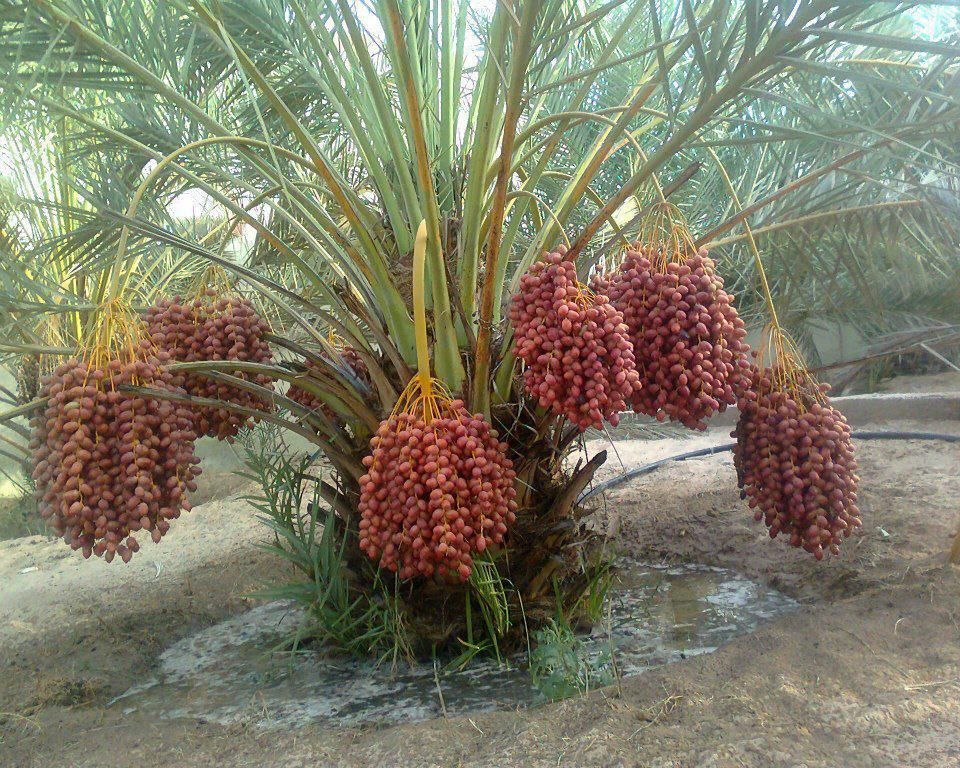
फसल के समय NPK (Nitrogen, Phosphorus, Potash) संतुलित मात्रा दें।
फल बनने से पहले पोटाश और फॉस्फेट बढ़ाएँ।
माइक्रोन्यूट्रिएंट (जिंक, आयरन) भी दें।
✂️ छंटाई और देखभाल
सूखी पत्तियाँ समय-समय पर हटा दें।
फूल और फल आने से पहले पौधे को साफ रखें।
गमले वाले पौधे को छोटे आकार में रखने के लिए छंटाई करें।
🐛 रोग और कीट नियंत्रण
रेड पाम वीविल: तने को खोखला करता है → नीम तेल का छिड़काव करें।
लीफ स्पॉट: पत्तों पर धब्बे → कॉपर ऑक्सीक्लोराइड का छिड़काव।
स्केल इंसेक्ट: पत्तों का रस चूसते हैं → कीटनाशक साबुन का प्रयोग करें।
🍎 अधिक फल पाने के उपाय
नर और मादा पौधे दोनों लगाएँ (परागण आवश्यक)।
प्रति 100 मादा पौधों पर 5–6 नर पौधे रखें।
फूल आने पर कृत्रिम परागण (artificial pollination) करें।
धूप और गर्मी ज्यादा मिले।
गमले में पौधे को खुले स्थान पर रखें।
फसल के समय अतिरिक्त पोटाश दें।
🌸 खजूर के फायदे और उपयोग
ऊर्जा और ग्लूकोज से भरपूर।
पाचन में सहायक।
हड्डियों को मजबूत करता है (कैल्शियम से भरपूर)।
खून की कमी (एनीमिया) दूर करता है।
रोग प्रतिरोधक क्षमता बढ़ाता है।
आयुर्वेद में खजूर को बलवर्धक और शुक्राणु वृद्धि हेतु माना गया है।
🪔 धार्मिक और सांस्कृतिक महत्व
इस्लामिक परंपरा में रमजान के समय खजूर खाने का विशेष महत्व।
बाइबल और पुराणों में भी खजूर का उल्लेख।
वास्तु अनुसार घर में खजूर लगाने से समृद्धि और सौभाग्य आता है।
📊 Quick Care Table
पहलू
जानकारी
पौधे का नाम
खजूर (Phoenix dactylifera)
गमला
24–30 इंच
मिट्टी
बलुई दोमट + खाद
धूप
10–12 घंटे
पानी
गर्मी – हर 5–7 दिन, सर्दी – 15–20 दिन
खाद
हर 2–3 महीने
परागण
नर और मादा पौधों से
औषधीय लाभ
पाचन, हड्डियों, रोग प्रतिरोधक क्षमता
आयु
50–70 साल फल देने वाला वृक्ष
खजूर का पौधा (Date Palm – Phoenix dactylifera)द्विलिंगी (dioecious) होता है, यानी नर (Male) और मादा (Female) पौधे अलग-अलग होते हैं। फल केवल मादा पौधे पर आते हैं और नर पौधे पर केवल पराग (pollen) होता है।
👉 लेकिन सबसे बड़ी समस्या यह है कि पौधे की नर और मादा की पहचान तब तक स्पष्ट नहीं होती जब तक कि पौधा फूल न दे। यह सामान्यतः 3–5 साल बाद शुरू होता है।
🌿 नर और मादा पौधे की पहचान
1. फूलों से पहचान
नर पौधा (Male Plant)
फूल: छोटे, सफेद या क्रीम रंग के।
गुच्छे (spikes) छोटे और सघन होते हैं।
इनमें केवल परागकण (pollen) होता है।
इन फूलों से तेज़ सुगंध आती है।
मादा पौधा (Female Plant)
फूल: पीले-सफेद, बड़े और थोड़े ढीले गुच्छों में।
फूलों में अंडाशय (ovary) स्पष्ट दिखता है।
यही फूल बाद में फल (Dates) में बदलते हैं।
2. फल से पहचान
नर पौधा कभी भी फल नहीं देगा।
मादा पौधे पर परागण होने के बाद अंडाकार हरे फल बनते हैं जो पकने पर भूरे या लाल-भूरे हो जाते हैं।
3. वैज्ञानिक तरीकों से पहचान
DNA Marker Testing या Molecular sexing द्वारा 1–2 साल के पौधों की भी पहचान की जा सकती है।
कुछ नर्सरियों में पहले से लैब-टेस्टेड मादा पौधे बेचे जाते हैं।
4. परागण (Pollination) की आवश्यकता
प्राकृतिक वातावरण में कीट और हवा से परागण होता है, लेकिन अधिक उत्पादन के लिए किसान कृत्रिम परागण (hand pollination) करते हैं।
इसके लिए नर पौधे से पराग लेकर मादा पौधे के फूलों पर छिड़कते हैं।
🌴 व्यावहारिक सुझाव
यदि आप 10–12 मादा पौधे लगाते हैं तो 1 नर पौधा पर्याप्त होता है।
छोटे पैमाने पर गमले या बगीचे में लगाने के लिए कम से कम 1 नर + 3 मादा पौधे रखें।
🌴 नर और मादा खजूर पौधों (Date Palm) की पहचान
विशेषता
नर पौधा (Male Plant)
मादा पौधा (Female Plant)
🌸 फूलों का रंग व आकार
सफेद/क्रीम रंग, छोटे और घने (क्लस्टर में)
पीले-सफेद, बड़े और ढीले गुच्छों में
🌼 फूलों की सुगंध
तेज़ सुगंध आती है
हल्की या बहुत कम सुगंध
🌱 गुच्छे (Inflorescence)
छोटे और बहुत सघन
लंबे और फैले हुए
🍃 पत्तियों का रूप
पत्तियों में हल्की कठोरता और अधिक नुकीलापन
पत्तियाँ थोड़ी चौड़ी और नरम दिखती हैं
🍎 फल लगना
कभी फल नहीं लगते
परागण के बाद खजूर के फल (Dates) बनते हैं
🕰️ पहचान का समय
3–5 साल में फूल आने पर पता चलता है
3–5 साल बाद फूल और फल से पहचान
👨🌾 खेती में महत्व
केवल परागण के लिए उपयोगी
मुख्य फल उत्पादन (Dates) देती है
🌞 अतिरिक्त टिप्स
परागण के लिए अनुपात:
हर 100 मादा पौधों पर कम से कम 5–6 नर पौधे रखें।
गमले/छोटे बगीचे में:
3 मादा + 1 नर पौधा पर्याप्त होगा।
Artificial Pollination:
नर फूलों से पराग एकत्रित करके मादा फूलों पर छिड़कें → इससे उत्पादन 2–3 गुना बढ़ जाता है।
🌸 खजूर के पौधों में कृत्रिम परागण (Artificial Pollination) – सम्पूर्ण गाइड
🪴 Step 1: नर पौधे से पराग (Pollen) एकत्र करना
जब नर पौधा फूल देता है, उसके गुच्छों (male spathes) को सावधानी से काट लें।
इन गुच्छों में छोटे-छोटे सफेद/क्रीम रंग के फूल होते हैं।
इन्हें छायादार जगह पर सुखा लें।
सुखाने के बाद फूलों को हल्के हाथ से मसलकर पाउडर जैसे परागकण (pollen) अलग करें।
👉 नोट: पराग 2–3 हफ्ते तक सुरक्षित रहता है यदि सूखी और ठंडी जगह पर रखा जाए।
🌱 Step 2: मादा पौधे के फूल पहचानना
मादा पौधे के फूल बड़े और ढीले गुच्छों में निकलते हैं।
फूलों में अंडाशय (ovary) साफ दिखाई देता है।
फूल खिलने के 2–3 दिन के भीतर परागण करना सबसे प्रभावी होता है।
✋ Step 3: परागण करना (Hand Pollination)
नर पौधे से एकत्रित परागकण लें।
मादा फूलों के गुच्छों को हल्का खोलें।
ब्रश, रूई या हाथ से सीधे मादा फूलों पर परागकण छिड़कें।
चाहें तो नर पौधे के छोटे फूलों का गुच्छा सीधे मादा फूल के बीच बाँध सकते हैं।
💧 Step 4: देखभाल के बाद
परागण के 7–10 दिन बाद फल बनने के संकेत दिखने लगते हैं।
इस समय पौधे को हल्की सिंचाई और पोटाशयुक्त खाद दें।
अनावश्यक या अधिक फल लगे गुच्छों को पतला (thinning) कर दें → इससे बचे हुए फल बड़े और मीठे होंगे।
📊 Quick Pollination Guide Table
स्टेप
क्रिया
समय
1. पराग एकत्र करना
नर पौधे के फूल काटकर पराग निकालना
फूल आने पर (फरवरी–मार्च)
2. मादा फूल पहचानना
बड़े, ढीले, पीले-सफेद फूल
फूल खिलने के 2–3 दिन बाद
3. परागण करना
ब्रश/रूई से मादा फूलों पर पराग डालना
सुबह के समय
4. फल बनना
परागण के बाद 7–10 दिन में प्रारंभ
फल पकने तक 5–6 महीने
🌟 कृत्रिम परागण के फायदे
फल का आकार और मिठास बढ़ती है।
उत्पादन 2–3 गुना तक बढ़ जाता है।
फल अधिक समान और गुणवत्ता वाले होते हैं।
समय पर परागण करने से 70–80% तक फूल फल में बदल जाते हैं, जबकि प्राकृतिक परागण में केवल 30–40%।
📅 खजूर (Date Palm) का सालभर का देखभाल कैलेंडर
🌱 जनवरी – फरवरी (सर्दियों का अंत)
काम:
पुराने सूखे पत्ते हटाएँ।
पौधे की हल्की छंटाई करें।
खाद:
गोबर की खाद (2–3 किलो प्रति पौधा) डालें।
पानी:
यदि ठंड अधिक हो तो पानी कम दें।
नोट: पौधा इस समय आराम की अवस्था (Dormant Stage) में रहता है।
🌸 मार्च – अप्रैल (फूल आने की शुरुआत)
काम:
नर और मादा फूलों की पहचान करें।
कृत्रिम परागण (Artificial Pollination) करें।
खाद:
डीएपी या जैविक खाद (1 किलो प्रति पौधा) डालें।
पानी:
सप्ताह में 1–2 बार हल्की सिंचाई करें।
नोट: यही समय फल बनने की शुरुआत का है।
🌞 मई – जून (गर्मी और फल सेट होना)
काम:
परागण के 7–10 दिन बाद फल सेट हो जाएंगे।
छोटे फल पतले (Thinning) करें ताकि बाकी फल बड़े हों।
खाद:
पोटाश और फॉस्फोरस वाली खाद डालें।
पानी:
हर 4–5 दिन में नियमित पानी दें।
नोट: गर्मी में पौधे को छायादार नेट (Shade Net) से बचाना फायदेमंद है।
🌴 जुलाई – अगस्त (मानसून का समय)
काम:
पौधे के चारों ओर खरपतवार हटाएँ।
नई जड़ों की वृद्धि तेज होती है।
खाद:
वर्मी कम्पोस्ट (2–3 किलो प्रति पौधा)।
माइक्रोन्यूट्रिएंट्स (जिंक, बोरॉन) स्प्रे करें।
पानी:
बारिश हो तो अतिरिक्त पानी निकालने की व्यवस्था करें।
🍂 सितम्बर – अक्टूबर (फल पकना)
काम:
फल तोड़ने की तैयारी करें।
फलों को पक्षियों और कीटों से बचाने के लिए जाल (Net) लगाएँ।
खाद:
फल पकने से पहले 1 किलो नीमखली या जैविक खाद डालें।
पानी:
हल्की सिंचाई करें, अधिक पानी से फल फट सकते हैं।
नोट: फसल का यह सबसे महत्वपूर्ण समय है।
🍎 नवम्बर – दिसम्बर (फल तुड़ाई और पौधे की तैयारी)
काम:
पके हुए खजूर के फल तोड़ें और सुखाएँ।
पौधे की हल्की छंटाई करें।
खाद:
फसल के बाद पौधे को 2–3 किलो गोबर की खाद दें।
पानी:
ठंड के कारण पानी कम दें।
नोट: पौधा धीरे-धीरे आराम की अवस्था (Dormancy) में चला जाता है।
📊 Quick Annual Care Chart
महीना
मुख्य कार्य
खाद
सिंचाई
जनवरी–फरवरी
छंटाई, सफाई
गोबर की खाद
कम
मार्च–अप्रैल
फूल, परागण
डीएपी, जैविक खाद
1–2 बार/सप्ताह
मई–जून
फल सेट, थिनिंग
पोटाश, फॉस्फोरस
4–5 दिन में
जुलाई–अगस्त
मानसून, जड़ वृद्धि
वर्मी कम्पोस्ट, माइक्रो न्यूट्रिएंट्स
जरूरत अनुसार
सितम्बर–अक्टूबर
फल पकना
नीमखली
हल्की
नवम्बर–दिसम्बर
तुड़ाई, छंटाई
गोबर खाद
कम
🌟 बोनस टिप्स
नर और मादा पौधों का संतुलन – 100 मादा पौधों पर 5–6 नर पौधे ज़रूरी।
Artificial Pollination – उत्पादन को 2–3 गुना बढ़ा देता है।
खाद – जैविक + रासायनिक खाद का संतुलित उपयोग करें।
सिंचाई – अधिक पानी से जड़ों में सड़न और फलों में फटना हो सकता है।
फल तोड़ाई – पूरी तरह पकने पर ही करें, इससे स्वाद और मिठास बढ़ती है।
❓ FAQs
Q1. क्या खजूर का पौधा गमले में फल देगा? 👉 हाँ, dwarf variety गमले में फल देती है लेकिन बड़े पैमाने पर बगीचे में बेहतर।
Q2. खजूर के पेड़ को फल आने में कितना समय लगता है? 👉 5–7 साल में फल देना शुरू करता है।
Q3. क्या भारत में खजूर की खेती लाभदायक है? 👉 हाँ, राजस्थान, गुजरात और पंजाब में बड़े पैमाने पर सफल।
Q4. क्या एक पौधे से ही फल मिलेगा? 👉 नहीं, नर और मादा दोनों पौधे चाहिए।
Q5. खजूर को सबसे ज्यादा फायदा किस चीज़ से मिलता है? 👉 गर्म जलवायु, पर्याप्त धूप और उचित परागण से।
Parijat, also known as Harsingar or Night-Flowering Jasmine, holds a sacred place in Indian culture, Ayurveda, and spiritual practices. Its delicate white flowers with an orange center not only look stunning but also carry a divine fragrance. Beyond beauty, the plant is valued for its religious importance, vastu benefits, and medicinal properties.
📖 Mythological Story – Lord Krishna and Parijat
The legend of the Parijat tree is deeply rooted in Hindu mythology and is mentioned in the Puranas and Mahabharata.
During the great Samudra Manthan (Churning of the Ocean) by the Devas (gods) and Asuras (demons), many celestial treasures emerged. Among them was the Parijat tree, which was planted in Indralok (the abode of Lord Indra). Its divine fragrance and heavenly beauty fascinated everyone.
One day, Lord Krishna’s wife Satyabhama desired the Parijat flower. To fulfill her wish, Lord Krishna went to heaven and requested the tree from Indra. However, Indra refused to part with it. A battle ensued, and Lord Krishna emerged victorious. He then brought the Parijat tree to Earth and planted it in Satyabhama’s garden.
It is believed that this is why Parijat flowers bloom at night and fall to the ground in the morning, symbolizing that they should not be plucked by force but collected as divine blessings from the earth itself.
👉 Hence, Parijat is revered as the “Celestial flower brought to Earth by Lord Krishna.”
हरसिंगार (Parijat) जिसे नाइट फ्लावरिंग जेसमीन या पारिजात भी कहा जाता है, भारतीय संस्कृति, आयुर्वेद और पूजा-पाठ में अत्यंत महत्वपूर्ण स्थान रखता है। इसके सफेद फूल जिनका मध्य भाग केसरिया होता है, न केवल सुंदर और सुगंधित होते हैं बल्कि औषधीय गुणों से भरपूर भी होते हैं। यह पौधा सजावटी, धार्मिक और औषधीय – तीनों ही दृष्टियों से अद्वितीय है।
📖 पौराणिक कथा – भगवान कृष्ण और पारिजात
पारिजात के फूल का उल्लेख पुराणों और महाभारत में मिलता है। कथा के अनुसार, देवताओं और असुरों द्वारा समुद्र मंथन के समय अनेक दिव्य रत्न प्राप्त हुए। इन्हीं में से एक था पारिजात वृक्ष, जो इन्द्रलोक (स्वर्ग) में लगाया गया। इसकी सुंदरता और दिव्य सुगंध ने सबका मन मोह लिया।
भगवान श्रीकृष्ण की पत्नी सत्यभामा ने पारिजात के फूल की चाह की। तब भगवान कृष्ण स्वर्ग गए और इन्द्र से पारिजात वृक्ष मांगा। इन्द्र ने इसे देने से मना कर दिया। तब भगवान कृष्ण ने इन्द्र से युद्ध कर पारिजात वृक्ष को पृथ्वी पर लाया और इसे अपनी पत्नी सत्यभामा के बगीचे में लगा दिया।
माना जाता है कि इसी कारण पारिजात वृक्ष के फूल रात में खिलते हैं और सुबह धरती पर गिर जाते हैं, ताकि कोई भी इसे तोड़े नहीं, बल्कि हर कोई इसे धरती पर बिखरे दिव्य फूल के रूप में प्राप्त करे।
👉 इस कथा के कारण पारिजात को “स्वर्ग से धरती पर उतरा दिव्य पुष्प” कहा जाता है।
Crossostephium chinense, commonly known as Chinese Wormwood or Chinese Lavender, is a versatile ornamental and medicinal plant belonging to the Asteraceae family, the same family as sunflowers, chrysanthemums, and chamomile.
This plant is admired for its silvery foliage, distinct aroma, and therapeutic properties. It is widely cultivated in gardens, balconies, and pots due to its compact growth and decorative appeal.
Leaves: Silvery-gray, spatulate, velvety in texture
Flowers: Small daisy-like flowers with yellow centers
Native Habitat: Coastal regions of China, Taiwan, Japan, Philippines, and Southeast Asia
This unique plant combines aesthetic value with traditional medicinal importance, making it a favorite for both gardeners and herbalists.
🌞 Climate & Light Requirements
Thrives in warm, subtropical, and coastal climates.
Sunlight: Requires at least 5–6 hours of direct sun daily.
Partial Shade: Beneficial during extreme heat.
Drought Tolerance: Can survive with minimal watering, making it a hardy choice.
🌿 Soil Requirements
Type: Well-draining sandy or loamy soil
pH Level: Slightly alkaline is best
Organic Matter: Enrich with compost or cow dung manure for healthy growth
💡 Tip: When growing in pots, use a mix of garden soil (50%), coarse sand (30%), and compost (20%). Add pebbles or cocopeat at the base to prevent waterlogging.
🌱 Planting Methods
1. In Pots
Choose a pot 8–10 inches wide.
Prepare soil mix with garden soil, sand, and compost.
Place the plant in the center and water lightly.
2. In Gardens
Maintain 20–25 cm spacing between plants.
Select a sunny location.
Provide light irrigation after planting.
💧 Watering Schedule
Summer: 2–3 times per week
Winter: Only when soil feels dry
Caution: Avoid overwatering to prevent root rot
🌿 Fertilization & Nutrition
Organic Manure: Apply compost or vermicompost every 30–40 days.
Liquid Fertilizer: Use organic tea or diluted vermicompost solution monthly.
Chemical Fertilizer: Apply mild NPK solution only if necessary.
✂️ Pruning & Maintenance
Regular pruning enhances compact and bushy growth.
Remove dry, yellow, or diseased leaves.
Trimming encourages fresh shoots and keeps the plant in shape.
🐛 Pests & Disease Management
Common Issues
Powdery Mildew: Due to excess moisture
Root Rot: From overwatering
Leaf Yellowing: Nutrient deficiency or poor soil
Solutions
Spray neem oil solution every 15 days.
Maintain controlled watering.
Enrich soil with compost and organic matter.
🌿 Medicinal & Traditional Uses
1. Traditional Chinese Medicine
Relieves coughs and phlegm
Helps regulate menstrual irregularities
Reduces fever
2. Other Uses
Improves digestion
Provides relief from inflammation and pain
Used in treating minor skin conditions
🪴 Ornamental Value
Border Planting: Ideal for decorating garden edges
Rock Gardens: Looks stunning between stones
Balcony Gardening: Compact and attractive in small pots
Silver Foliage Appeal: Adds contrast and brightness to landscapes
🌍 Environmental Importance
Prevents soil erosion in coastal and dry areas
Can grow in poor soils with minimal care
Supports biodiversity by attracting beneficial insects
Crossostephium chinense, जिसे आमतौर पर Chinese Wormwood या Chinese Lavender कहा जाता है, एक आकर्षक और बहुउपयोगी पौधा है। यह पौधा Asteraceae परिवार से संबंधित है, वही परिवार जिसमें सूर्यमुखी, गेंदा और कैमोमाइल जैसे पौधे आते हैं।
यह पौधा अपने चाँदी जैसे पत्तों, हल्की सुगंध, और औषधीय महत्व के कारण बागवानी प्रेमियों और पारंपरिक चिकित्सा पद्धतियों दोनों में खास स्थान रखता है। इसे गमले, बालकनी और गार्डन बॉर्डर में आसानी से उगाया जा सकता है।
Lemongrass (Cymbopogon citratus) is an aromatic and multipurpose herbal plant that can be easily grown at home, in pots, or in gardens. Its leaves are widely used to make tea, essential oils, and herbal remedies.
Well-draining soil: Loamy or humus-rich soil is ideal.
pH Level: Between 5.0 and 8.0 is optimal.
2. Location (Garden or Pot)
Sunny spot: At least 6 hours of sunlight per day.
Partial shade: Helpful during peak summer.
3. Choosing the Plant
Fresh stems or cuttings: Healthy and disease-free.
Small plants: 15–20 cm length is ideal for transplanting.
4. Planting Method
Fill the pot with 15–20 cm of soil.
Insert the stem or small plant into the soil.
Gently press soil to stabilize the plant.
Water immediately after planting.
💧 Lemongrass Care
1. Watering
Water 2–3 times a week.
During hot weather, water more frequently.
Reduce watering in winter.
2. Fertilization
Compost or cow dung: Every 2 months.
NPK fertilizer: Improves soil fertility and plant growth.
3. Pruning & Harvesting
Cut leaves when they are 30–40 cm tall.
Water lightly after pruning.
Regular trimming promotes bushier growth and healthy plants.
4. Pest & Disease Management
Borer or fungal infections: Use neem extract or organic solutions.
Clean soil: Avoid contaminated soil.
Avoid overwatering: Prevents fungal growth.
🌿 Uses of Lemongrass
1. Tea & Herbal Drinks
Use 1–2 leaves, boil, and strain.
Add honey or lemon for flavor and health benefits.
2. Culinary Uses
Adds freshness to soups, curries, and salads.
Natural flavor enhancer in stir-fry dishes.
3. Oil & Massage
Extracted oil is beneficial for skin and hair.
Useful for massage due to anti-inflammatory properties.
4. Home & Decoration
Adds fragrance to your home when grown in pots.
Acts as a natural insect and mosquito repellent.
🌱 Harvesting & Storage
Harvesting: Cut upper leaves of the stems.
Drying: Dry leaves in shade.
Storage: Store dried leaves in airtight containers.
Oil Extraction: Essential oil can be extracted for massage and cosmetic use.
🌿 Frequently Asked Questions (FAQ)
1. What is Lemongrass?
Lemongrass is an aromatic herbal plant with a lemon-like fragrance. It can be grown at home, in pots, or gardens and is useful for health, herbal tea, and cooking.
2. What are the main benefits of Lemongrass?
Improves digestion, boosts immunity, reduces stress, relieves cold & cough, repels insects, and purifies indoor air.
3. How can Lemongrass be grown at home?
Choose a sunny spot, use well-draining soil, plant fresh stems or small plants, and water and fertilize regularly.
4. How to care for Lemongrass?
Water 2–3 times weekly, fertilize every 2 months, prune regularly, and use natural remedies for pests and diseases.
5. How are Lemongrass leaves used?
Leaves are used to make herbal tea, in soups, curries, salads, and for extracting essential oils for skincare and massage.
6. When should Lemongrass be harvested?
Harvest leaves when the stem reaches 30–40 cm. Regular pruning keeps the plant healthy and bushy.
7. How to store Lemongrass?
Keep fresh leaves in the fridge, dried leaves in airtight containers, and essential oil in small glass bottles.
8. How to prevent pests and diseases in Lemongrass?
Use neem extract or organic methods, maintain clean soil, and avoid overwatering.
9. Can Lemongrass oil be made at home?
Yes, using steam distillation from fresh leaves. Useful for hair, skin, and massage.
10. How much sunlight does Lemongrass need?
At least 6 hours of direct sunlight per day. Partial shade is helpful during extreme heat.
लेमनग्रास (Lemongrass) एक सुगंधित और बहुउपयोगी हर्बल पौधा है, जिसे घर, गमले और बाग़ीचे में आसानी से उगाया जा सकता है। इसके पत्तियों से चाय, तेल और औषधीय उत्पाद बनते हैं। यह पौधा सौंदर्य, स्वास्थ्य और घर की सजावट के लिए बेहद लाभकारी है।
अच्छी जल निकासी वाली मिट्टी: दोहनशील और ह्यूमस वाली मिट्टी।
pH स्तर: 5.0 से 8.0 के बीच उपयुक्त।
2. गमला या बगीचे का स्थान
धूप वाली जगह: कम से कम 6 घंटे प्रतिदिन।
छायादार विकल्प: गर्मियों में हल्की छाया।
3. लेमनग्रास के पौधे चुनना
ताजा तना या स्टेम: बिना रोग के स्वस्थ स्टेम।
छोटे पौधे: 15–20 सेमी की लंबाई वाले।
4. रोपाई की विधि
गमले में 15–20 सेमी मिट्टी भरें।
स्टेम या छोटे पौधे को गमले में लगाएं।
हल्का दबाव डालकर मिट्टी समतल करें।
रोपाई के बाद तुरंत पानी दें।
💧 लेमनग्रास की देखभाल
1. पानी देना
हफ्ते में 2–3 बार पानी।
गर्मियों में मिट्टी सूखने पर अधिक पानी।
सर्दियों में पानी कम करें।
2. खाद और पोषण
कंपोस्ट या गोबर की खाद: हर 2 महीने में।
एनपीके उर्वरक: मिट्टी की उर्वरता बढ़ाने के लिए।
3. छंटाई और कटाई
30–40 सेमी की लंबाई पर पत्तियों को काटें।
कटाई के बाद मिट्टी में हल्का पानी दें।
नियमित छंटाई पौधे को घना और स्वस्थ बनाती है।
4. कीट और रोग प्रबंधन
घुन या फफूंदी: प्राकृतिक उपाय जैसे नीम का अर्क।
रोग मुक्त मिट्टी: गमले और बगीचे में साफ मिट्टी का उपयोग।
🌿 लेमनग्रास के उपयोग
1. चाय और हर्बल ड्रिंक
1–2 पत्तियां काटें, उबालें।
मधु या नींबू डालकर पीएं।
2. खाना पकाने में
सूप, करी, सलाद और स्टिर-फ्राई में ताजगी।
प्राकृतिक फ्लेवर और स्वाद बढ़ाने के लिए।
3. तेल और मसाज
पत्तियों से निकला तेल त्वचा और बालों के लिए।
मसाज में एंटी-इंफ्लेमेटरी लाभ।
4. घर और सजावट
गमले में रखने से खुशबू फैलती है।
कीट और मक्खियों से घर की सुरक्षा।
🌱 लेमनग्रास की कटाई और भंडारण
कटाई: स्टेम के ऊपरी पत्ते काटें।
सुखाने की विधि: छाया में सूखाएं।
भंडारण: एयर-टाइट कंटेनर में रखें।
तेल संग्रहण: पत्तियों से एसेंशियल ऑयल निकालकर स्टोर करें।
🌿 लेमनग्रास (Lemongrass) के बारे में अक्सर पूछे जाने वाले सवाल (FAQ)
1. लेमनग्रास क्या है?
लेमनग्रास एक हर्बल पौधा है, जिसकी खुशबू नींबू जैसी होती है। इसे घर, गमले और बगीचे में उगाया जा सकता है। यह स्वास्थ्य, हर्बल चाय और खाना पकाने में उपयोगी है।
2. लेमनग्रास के प्रमुख फायदे क्या हैं?
पाचन सुधारने में मदद करता है।
इम्यूनिटी बढ़ाता है।
तनाव कम करता है।
खांसी और सर्दी-जुकाम में राहत देता है।
कीट और मक्खियों को भगाता है।
एयर प्यूरीफायर का काम करता है।
3. लेमनग्रास घर में कैसे उगाया जा सकता है?
धूप वाली जगह चुनें।
अच्छी जल निकासी वाली मिट्टी का उपयोग करें।
ताजा स्टेम या छोटे पौधे लगाएं।
नियमित पानी और खाद दें।
4. लेमनग्रास की देखभाल कैसे करें?
हफ्ते में 2–3 बार पानी दें।
हर 2 महीने में गोबर या कंपोस्ट खाद डालें।
पौधे को स्वस्थ रखने के लिए नियमित छंटाई करें।
कीट और फफूंदी से बचाने के लिए नीम का अर्क या प्राकृतिक उपाय अपनाएँ।
5. लेमनग्रास के पत्तों का उपयोग कैसे किया जाता है?
हर्बल चाय बनाने के लिए।
सूप, करी, सलाद और स्टिर-फ्राई में।
पत्तियों से तेल निकालकर मसाज और सौंदर्य उत्पादों में।
6. लेमनग्रास कब काटा जाता है?
पौधे के स्टेम के ऊपरी पत्तों को जब यह 30–40 सेमी लंबा हो जाए।
कटाई के बाद हल्का पानी दें।
नियमित कटाई से पौधा घना और स्वस्थ रहता है।
7. लेमनग्रास को किस तरह स्टोर किया जा सकता है?
ताजगी के लिए पत्तियों को फ्रिज में रखें।
सुखाने के बाद एयर-टाइट कंटेनर में स्टोर करें।
एसेंशियल ऑयल को छोटे कांच के कंटेनर में रखें।
8. लेमनग्रास के कीट और रोग कैसे रोकें?
नियमित निगरानी करें।
नीम का अर्क या जैविक उपाय अपनाएँ।
गमले और मिट्टी को साफ रखें।
अत्यधिक पानी से बचें, इससे फफूंदी की समस्या कम होती है।
9. क्या लेमनग्रास का तेल भी घर पर बनाया जा सकता है?
हाँ, लेमनग्रास के पत्तियों से एसेंशियल ऑयल निकाला जा सकता है। इसे स्टीम डिस्टिलेशन के माध्यम से बनाया जाता है और यह त्वचा, बाल और मसाज के लिए उपयोगी है।
10. लेमनग्रास के पौधे को कितनी धूप चाहिए?
कम से कम 6 घंटे प्रतिदिन सूर्य की रोशनी।
गर्मियों में हल्की छाया पौधे की वृद्धि के लिए लाभकारी।
Growing plants at home or in pots not only makes your space green and vibrant but also provides health benefits, decoration, and medicinal uses. This post lists 100 plants you can easily grow in your home garden or balcony pots.
घर और गमलों में पौधे उगाना न सिर्फ़ आपके घर को हरा-भरा बनाता है, बल्कि स्वास्थ्य, सजावट और आयुर्वेदिक लाभ भी प्रदान करता है। इस पोस्ट में हमने 100 पौधों की सूची दी है जिन्हें आप आसानी से घर में गमलों में उगा सकते हैं।
📊 पौधों की श्रेणियों के अनुसार वितरण
श्रेणी
संख्या
प्रतिशत
फूल वाले पौधे
10
10%
औषधीय पौधे
10
10%
सब्ज़ी वाले पौधे
10
10%
फल वाले पौधे
10
10%
हरे/सदाबहार पौधे
10
10%
खुशबू वाले पौधे
10
10%
बेल वाले पौधे
10
10%
किचन/हर्बल पौधे
10
10%
छोटे सजावटी पौधे
10
10%
अन्य उपयोगी पौधे
10
10%
Chart: (Bar Chart)
X-axis: Categories
Y-axis: Number of Plants
Color: Green tones for visual appeal
🌺 फूलों वाले पौधे
नाम
उपयोग
देखभाल की विधि
गुलाब (Rose)
पूजा, सजावट
धूप वाली जगह, हफ्ते में 2–3 बार पानी
गेंदा (Marigold)
पूजा, सजावट
धूप वाली जगह, नियमित पानी
जैस्मीन (Jasmine)
सुगंध, पूजा
हल्की धूप, नियमित पानी
गुलदाउदी (Chrysanthemum)
सजावटी, एयर प्यूरीफायर
मध्यम धूप, नियमित पानी
हिबिस्कस (Hibiscus)
पूजा, आयुर्वेद
धूप वाली जगह, हफ्ते में 2 बार पानी
पेंस (Pansy)
सजावटी
मध्यम धूप, हल्की मिट्टी
लैवेंडर (Lavender)
सुगंध, सजावट
धूप, कम पानी
सूरजमुखी (Sunflower)
सजावटी, बीज
धूप, नियमित पानी
कैलेंडुला (Calendula)
हर्बल, सजावटी
धूप, हल्की मिट्टी
अमरांथा (Amaranthus)
सजावटी, हरी पत्तियां
धूप, नियमित पानी
🌿 औषधीय पौधे
नाम
उपयोग
देखभाल की विधि
तुलसी (Holy Basil)
सर्दी-जुकाम, हृदय
धूप, नियमित पानी
एलोवेरा (Aloe Vera)
त्वचा रोग, हीलिंग
आधी धूप, कम पानी
नीम (Neem)
रोग प्रतिरोधक, कीट नियंत्रण
धूप, कम पानी
अश्वगंधा (Ashwagandha)
तनाव, थकान
धूप, नियमित पानी
पुदीना (Mint)
पाचन, ताजगी
हल्की धूप, नियमित पानी
अदरक (Ginger)
औषधीय, पाक कला
छायादार, नियमित पानी
हल्दी (Turmeric)
औषधीय, मसाले
छायादार, नियमित पानी
मेथी (Fenugreek)
स्वास्थ्यवर्धक
धूप, हल्की मिट्टी
अंजीर (Fig)
पाचन, सजावटी
धूप, कम पानी
गिलोय (Giloy)
इम्यूनिटी
हल्की धूप, नियमित पानी
🌱 सब्ज़ियों वाले पौधे
नाम
उपयोग
देखभाल की विधि
टमाटर (Tomato)
सलाद, सब्ज़ी
धूप, नियमित पानी
भिंडी (Okra)
सब्ज़ी
धूप, हल्की मिट्टी
बैंगन (Brinjal)
सब्ज़ी
धूप, नियमित पानी
शिमला मिर्च (Capsicum)
सब्ज़ी
धूप, हल्की मिट्टी
खीरा (Cucumber)
सलाद
धूप, बेल सहारा
पालक (Spinach)
पोषण
हल्की धूप, नियमित पानी
लौकी (Bottle Gourd)
सब्ज़ी
धूप, बेल सहारा
करेला (Bitter Gourd)
औषधीय
धूप, बेल सहारा
शलगम (Turnip)
पत्तियाँ और जड़
धूप, नियमित पानी
मूली (Radish)
जड़ वाली सब्ज़ी
धूप, नियमित पानी
🍎 फल वाले पौधे
नाम
उपयोग
देखभाल की विधि
नींबू (Lemon)
ताजा फल, सजावटी
धूप, नियमित पानी
संतरा (Orange)
ताजा फल
धूप, हल्की मिट्टी
आम (Mango)
फल
छोटे गमले में, धूप
अमरूद (Guava)
फल
धूप, नियमित पानी
स्ट्रॉबेरी (Strawberry)
फल
हल्की धूप, नियमित पानी
पपीता (Papaya)
फल
धूप, नियमित पानी
कीवी (Kiwi)
बेलदार, फल
सहारा, धूप
अनार (Pomegranate)
फल
धूप, कम पानी
अंगूर (Grapes)
बेलदार, फल
सहारा, धूप
नाशपाती (Pear)
फल
गमले में छोटे पेड़
🌿 हरे/सदाबहार पौधे
नाम
उपयोग
देखभाल की विधि
स्नेक प्लांट (Snake Plant)
एयर प्यूरीफायर
कम धूप, कम पानी
पॉथोस (Pothos/Devil’s Ivy)
जल्दी बढ़ने वाली बेल
हल्की धूप, नियमित पानी
स्पाइडर प्लांट (Spider Plant)
हरा पौधा
हल्की धूप, नियमित पानी
फर्न (Fern)
सजावटी
छायादार, नियमित पानी
मनी प्लांट (Money Plant)
घर में समृद्धि
हल्की धूप, नियमित पानी
सर्पेंटाइन (ZZ Plant)
कम देखभाल
कम धूप, कम पानी
बोस्टन फर्न (Boston Fern)
सजावटी
छायादार, नियमित पानी
ड्रासिना (Dracaena)
एयर प्यूरीफायर
मध्यम धूप, कम पानी
गोल्डन बैंबू (Lucky Bamboo)
कम धूप में
पानी बदलें, हल्की मिट्टी
कैक्टस (Cactus)
कम पानी में
धूप, कम पानी
🌸 खुशबू वाले पौधे
नाम
उपयोग
देखभाल की विधि
रोज़मेरी (Rosemary)
सुगंध, खाना
धूप, कम पानी
थाइम (Thyme)
हर्बल, मसाला
धूप, कम पानी
लेमनग्रास (Lemongrass)
चाय, सुगंध
धूप, नियमित पानी
कैमोमाइल (Chamomile)
हर्बल चाय
धूप, हल्की मिट्टी
बेसिल (Sweet Basil)
पाक कला
धूप, नियमित पानी
सेंट जॉन’स वॉर्ट
हर्बल
धूप, कम पानी
लैवेंडर (Lavender)
मानसिक शांति
धूप, कम पानी
मैजोरम (Marjoram)
मसाले
धूप, हल्की मिट्टी
कोरियेंडर (Coriander/Cilantro)
सलाद, मसाला
धूप, नियमित पानी
सिट्रस बैक्टीरिया (Lemon Balm)
चाय, सुगंध
धूप, हल्की मिट्टी
🌿 बेल वाले पौधे
नाम
उपयोग
देखभाल की विधि
इपॉमिया (Ipomoea)
तेज़ी से फैलने वाली बेल
धूप, सहारा
मनी प्लांट बेल (Money Plant Vine)
लटकाने के लिए
हल्की धूप, नियमित पानी
जैस्मीन बेल (Jasmine Vine)
सुगंध
धूप, सहारा
हनीसकल (Honeysuckle)
फूल
धूप, सहारा
गुलमोहर बेल (Flame Vine)
सजावटी
धूप, सहारा
क्लाइम्बिंग रोज़ (Climbing Rose)
गमलों में
धूप, सहारा
प्लैटिनम बेल (Plumeria Vine)
फूल
धूप, सहारा
मूलबेर बेल (Mulberry Vine)
फल
धूप, सहारा
थम्बलिना (Thunbergia)
रंगीन फूल
धूप, सहारा
क्लाइम्बिंग हिबिस्कस
सजावटी
धूप, सहारा
🌿 किचन और हर्बल पौधे
नाम
उपयोग
देखभाल की विधि
धनिया (Coriander)
सलाद, मसाला
धूप, नियमित पानी
हरी मिर्च (Green Chili)
सब्ज़ी
धूप, नियमित पानी
अजवाइन (Carom Seeds)
मसाला
धूप, हल्की मिट्टी
सलवेल (Borage)
हर्बल, सजावट
धूप, नियमित पानी
सौंफ (Fennel)
मसाला
धूप, हल्की मिट्टी
बेसिल/तुलसी
पाक कला, हर्बल
धूप, नियमित पानी
मेथी (Fenugreek)
हरी पत्तियां
धूप, हल्की मिट्टी
ओरिगैनो (Oregano)
हर्बल, मसाला
धूप, कम पानी
पार्सले (Parsley)
सलाद
धूप, नियमित पानी
चिव्स (Chives)
सलाद
धूप, नियमित पानी
🌿 छोटे सजावटी और मिनी पौधे
नाम
उपयोग
देखभाल की विधि
बोन्साई (Bonsai)
मिनी पेड़, सजावटी
धूप, नियमित पानी
सक्सुलेंट (Succulent)
कम देखभाल
धूप, कम पानी
क्रासुला (Crassula)
मिनी गार्डन
धूप, कम पानी
एशियाटिक लिली (Asiatic Lily)
छोटे गमले
धूप, नियमित पानी
मनी ट्री (Money Tree/Pachira)
लकी, सजावटी
हल्की धूप, नियमित पानी
हवायन पाम (Hawaiian Palm)
मिनी गमले
हल्की धूप, कम पानी
फिकस बेंजामिना (Ficus Bonsai)
मिनी पेड़
धूप, नियमित पानी
ड्रैगन ब्लड प्लांट
लाल सजावटी
धूप, कम पानी
गोल्डन फिग (Golden Fig)
मिनी पेड़
धूप, नियमित पानी
हाउस प्लांट्स (Spider, Pothos)
सजावटी
हल्की धूप, नियमित पानी
🌿 अन्य उपयोगी पौधे
नाम
उपयोग
देखभाल की विधि
बिट्स (Bitter Leaf)
औषधीय
धूप, हल्की मिट्टी
सिट्रस पौधे
फल
गमले में, धूप
ग्वारपाठा
सजावटी, औषधीय
धूप, नियमित पानी
कैरम (Ajwain)
मसाला
धूप, हल्की मिट्टी
सहजन (Moringa)
पत्तियां
धूप, नियमित पानी
तुअर (Pigeon Pea)
सब्ज़ी
धूप, गमले में
पालक (Spinach)
पोषण
हल्की धूप, नियमित पानी
रोज़मेरी (Rosemary)
हर्बल, सुगंध
धूप, कम पानी
लेमनग्रास (Lemongrass)
सुगंध
धूप, नियमित पानी
केवड़ा (Pandan/Screwpine)
सुगंध, सजावट
धूप, नियमित पानी
1. फूलों वाले पौधे (Ornamental/Flowering Plants)
गुलाब (Rose) – सुगंधित और सुंदर फूल, धार्मिक एवं सजावटी उपयोग।
गेंदा (Marigold) – पूजा और सजावट में प्रयुक्त।
जैस्मीन (Jasmine) – सुगंधित फूल, हवन और पूजा में उपयोग।
गुलदाउदी (Chrysanthemum) – सजावटी और वायुप्रदूषण कम करने में सहायक।
हिबिस्कस (Hibiscus) – पूजा, सजावट और आयुर्वेदिक उपयोग।
पेंस (Pansy) – रंग-बिरंगे फूलों के लिए।
लैवेंडर (Lavender) – सुगंधित फूल, मानसिक शांति और सजावट।
सूरजमुखी (Sunflower) – सजावटी और स्वास्थ्यवर्धक बीज।
कैलेंडुला (Calendula) – हर्बल और सजावटी उपयोग।
अमरनाथ/अमरांथा (Amaranthus) – सजावटी और हरी पत्तियों के लिए।
2. औषधीय पौधे (Medicinal Plants)
तुलसी (Holy Basil) – आयुर्वेद में हृदय, सर्दी-जुकाम में उपयोग।
अलोवेरा (Aloe Vera) – त्वचा रोग, हीलिंग और सजावटी।
नीम (Neem) – रोगप्रतिरोधक, कीट नियंत्रण और औषधि।
अश्वगंधा (Ashwagandha) – तनाव, थकान और स्वास्थ्यवर्धक।
पुदीना (Mint) – पाचन, ताजगी और सजावट।
अदरक (Ginger) – औषधीय और खाना पकाने में उपयोग।
हल्दी (Turmeric) – औषधीय और पाक कला में उपयोग।
मेथी (Fenugreek) – स्वास्थ्यवर्धक और हरी पत्तियों के लिए।
अंजीर (Ficus/ Fig plant) – पाचन, स्वास्थ्यवर्धक और सजावटी।
गिलोय (Giloy) – इम्यूनिटी बढ़ाने के लिए औषधीय।
3. सब्ज़ियों वाले पौधे (Vegetable Plants)
टमाटर (Tomato) – घर में उगाने योग्य, सलाद और सब्ज़ी के लिए।
भिंडी (Okra/Ladyfinger) – गमलों में उगाई जा सकती।
बैंगन (Brinjal/Eggplant) – पौधे बड़े नहीं, लेकिन गमले में उग सकते।
शिमला मिर्च (Capsicum/Bell Pepper) – रंग-बिरंगी सब्ज़ियों के लिए।
खीरा (Cucumber) – बेलों के साथ गमलों में उग सकता।
पालक (Spinach) – जल्दी बढ़ने वाली हरी सब्ज़ी।
लौकी (Bottle Gourd) – लंबी बेलों के लिए गमले में।
करेला (Bitter Gourd) – औषधीय गुणों वाली सब्ज़ी।
शलगम (Turnip) – पत्तियों और जड़ दोनों के लिए।
मूली (Radish) – जल्दी उगने वाली जड़ वाली सब्ज़ी।
4. फल वाले पौधे (Fruit Plants in Pots)
नींबू (Lemon) – छोटे पेड़ गमले में उग सकते।
संतरा (Orange) – मध्यम आकार के पेड़।
आम (Mango) – छोटे डीवारिएंट्स गमलों में उग सकते।
अमरूद (Guava) – गमलों में उगने योग्य।
स्ट्रॉबेरी (Strawberry) – छोटे पौधे, बालकनी में उपयुक्त।
पपीता (Papaya) – ताजा फल के लिए।
कीवी (Kiwi) – बेलदार गमले में उग सकता।
अनार (Pomegranate) – गमले में छोटे पेड़ के रूप में उग सकते।
अंगूर (Grapes) – बेलदार, गमले में प्रशिक्षित।
नाशपाती (Pear) – गमले में छोटे आकार में।
5. सदाबहार और हरे पौधे (Foliage/Indoor Green Plants)
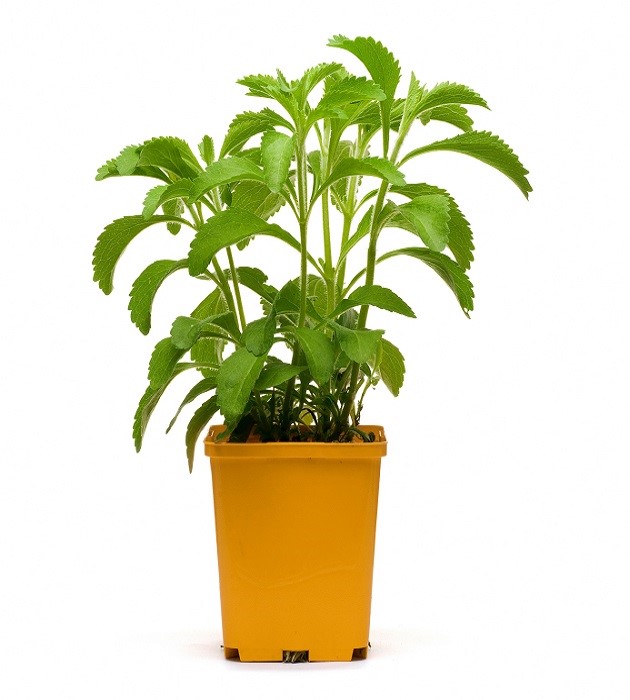
When it comes to natural sweeteners, Stevia (Stevia rebaudiana) stands out as one of the most popular and effective alternatives to sugar. Known as the “Sweet Leaf” or “Sugar Leaf”, Stevia is a green, leafy plant that belongs to the sunflower family (Asteraceae). Its leaves contain natural compounds called steviol glycosides, which are 200–300 times sweeter than table sugar yet contain zero calories.
Stevia originates from South America, particularly Paraguay and Brazil, where indigenous communities have been using it for centuries to sweeten teas and herbal drinks. Over time, its popularity spread across the globe, and today, it is cultivated widely in Asia, Europe, and North America due to its health and commercial benefits.
🍃 Why Stevia is Called “Sweet Leaf”
The plant earned the nickname “Sweet Leaf” because of the remarkable sweetness of its leaves. Unlike sugar, which contributes to obesity, diabetes, and dental problems, Stevia provides a naturally sweet taste without harmful side effects. This makes it a healthy sugar substitute for people of all ages, especially those dealing with diabetes and obesity.
🌍 Growing Popularity Worldwide
In recent years, health awareness has been on the rise. People are moving away from refined sugar and artificial sweeteners due to their negative impact on health. This global trend has placed Stevia at the center of attention. Major food and beverage companies have started using Stevia extracts in products like soft drinks, chocolates, protein powders, teas, and sugar-free desserts.
Countries like Japan were among the first to adopt Stevia commercially, and today it is approved by leading health organizations including the FDA (U.S. Food & Drug Administration) and the European Food Safety Authority (EFSA).
🌟 Importance of Stevia in Modern Lifestyle
For Health-Conscious Individuals: Stevia helps reduce calorie intake, making it an essential part of weight management programs.
For Diabetic Patients: Stevia doesn’t raise blood sugar levels, making it a safe sweetener for diabetes management.
For Everyday Use: Whether in tea, coffee, or homemade sweets, Stevia adds natural sweetness without the harmful effects of sugar.
For the Economy: Stevia farming has become an emerging agricultural business. Many farmers are now cultivating Stevia due to its increasing demand and high market value.
🌱 Why You Should Grow Stevia at Home
Easy to grow in pots, balconies, gardens, or rooftops
Requires minimal care and thrives in warm climates
Provides fresh, chemical-free leaves for daily use
Helps you reduce sugar dependency naturally
Health & General Benefits of Stevia
The demand for natural sugar substitutes has grown rapidly in the last decade, and among them, Stevia is the most trusted option. Known for its zero-calorie sweetness and numerous health benefits, Stevia has been embraced worldwide as a healthy alternative to sugar. Let us explore the various benefits of this magical plant in detail.
🍃 1. Zero Calories – Ideal for Weight Management
One of the biggest advantages of Stevia is that it contains zero calories. Unlike refined sugar, which adds extra calories and contributes to weight gain, Stevia provides sweetness without affecting your daily calorie count.
People trying to lose weight can use Stevia in tea, coffee, juices, or desserts.
Fitness enthusiasts and athletes often prefer Stevia over sugar in their diet plans.
Replacing sugar with Stevia helps prevent obesity and related health issues.
🍃 2. Natural Sweetness Without Side Effects
Artificial sweeteners like saccharin and aspartame are known to cause side effects such as headaches, digestive problems, and even long-term health risks. In contrast, Stevia is a completely natural sweetener.
It is derived directly from plant leaves.
No harmful chemicals are involved in its natural form.
Safe for children, adults, and the elderly (when consumed in moderation).
🍃 3. Helps in Diabetes Management
Stevia is a blessing for diabetic patients. Its glycosides do not increase blood sugar levels, making it safe for people suffering from both Type 1 and Type 2 diabetes.
Regular use of Stevia can help regulate insulin production.
It prevents sudden spikes and drops in blood sugar levels.
Diabetic-friendly desserts and beverages often use Stevia instead of sugar.
🍃 4. Good for Heart Health
High sugar intake is directly linked to heart problems such as high blood pressure, cholesterol imbalance, and obesity. Replacing sugar with Stevia can improve cardiovascular health.
Studies suggest that Stevia helps lower high blood pressure.
It improves blood circulation and reduces strain on the heart.
Regular use may reduce risks of heart attack and stroke.
🍃 5. Dental & Oral Health Benefits
Unlike sugar, which is one of the main causes of tooth decay, cavities, and gum disease, Stevia is safe for oral health.
It does not promote bacterial growth in the mouth.
Helps maintain healthy teeth and gums.
Many toothpastes and mouthwashes now include Stevia extracts as a sweetener.
🍃 6. Aids in Digestion and Gut Health
Stevia has mild anti-inflammatory and anti-bacterial properties that help in maintaining a healthy digestive system.
Prevents acidity and bloating.
Supports a healthy gut microbiome.
Herbal teas with Stevia are known to improve digestion after meals.
🍃 7. Boosts Immunity
Rich in antioxidants, Stevia strengthens the body’s natural defense system.
Regular consumption protects the body from infections and free radicals.
Helps in preventing common illnesses like cold, cough, and seasonal flu.
Supports overall vitality and long-term wellness.
🍃 8. Skin Benefits
The antimicrobial properties of Stevia make it beneficial for skin health.
Stevia extracts help in reducing acne, pimples, and skin irritation.
Homemade face masks with Stevia leaves can promote glowing skin.
Prevents premature aging by fighting oxidative stress.
🍃 9. Safe for All Age Groups
Unlike many artificial sweeteners that are not recommended for children or pregnant women, Stevia in natural form is considered safe.
Children can enjoy Stevia-sweetened treats without risking tooth decay.
Adults can use it in beverages, desserts, and everyday meals.
Pregnant women may also use Stevia but should consult a doctor first.
🍃 10. Eco-Friendly and Sustainable
Beyond health benefits, Stevia also supports environmental sustainability.
It requires less land and water compared to sugarcane cultivation.
Contributes to organic farming practices.
Encourages a shift toward sustainable agriculture.
🌟 Summary of Health Benefits
✅ Zero calories, weight management support
✅ Safe for diabetics – does not raise blood sugar
✅ Improves heart health and regulates blood pressure
✅ Protects teeth and gums from decay
✅ Supports digestion and gut health
✅ Boosts immunity with antioxidants
✅ Improves skin health naturally
✅ Safe and eco-friendly
Planting Method of Stevia
Growing Stevia (Stevia rebaudiana) at home is simple, rewarding, and highly beneficial. Whether you want to use it for personal consumption or on a commercial scale, Stevia can be cultivated successfully with the right method. Below is the complete guide for planting Stevia.
🌱 1. Climate and Season for Planting
Stevia is a subtropical and tropical plant that prefers warm conditions.
Ideal temperature: 20°C to 30°C (68°F to 86°F).
It does not tolerate frost or extreme cold.
Best season for planting in India: February–March and July–August (before monsoon).
In temperate regions, Stevia can be grown indoors in pots throughout the year.
🌱 2. Soil Preparation
Stevia thrives in well-drained, sandy loam soil enriched with organic matter.
pH requirement: Slightly acidic to neutral (6.0–7.5).
Avoid saline or heavy clay soils as they cause root rot.
Enrich soil with compost, cow dung manure, or vermicompost before planting.
Good drainage is essential since Stevia roots are sensitive to waterlogging.
🌱 3. Pot Selection for Home Gardening
If you are growing Stevia at home in pots or containers:
Use a 12–15 inch deep pot with proper drainage holes.
Fill with a mix of 40% garden soil + 40% organic compost + 20% sand.
Place the pot in a sunny balcony, terrace, or garden.
🌱 4. Propagation Methods
Stevia can be grown through seeds or cuttings.
(a) Growing Stevia from Seeds
Seeds are very tiny and have a low germination rate (30–40%).
Use a seed tray filled with light potting mix.
Sprinkle seeds on the surface and cover lightly with soil.
Keep in partial shade and maintain moisture.
Seeds germinate in 7–14 days.
Once seedlings reach 4–5 inches, transplant them into pots or garden beds.
(b) Growing Stevia from Cuttings (Best Method)
Cuttings provide better survival rate and faster growth.
Take 3–4 inch stem cuttings from a healthy Stevia plant.
Remove lower leaves and dip cut end in organic rooting hormone (optional).
Plant in moist soil or cocopeat mix.
Roots develop in 2–3 weeks, after which you can transfer them to pots or open ground.
🌱 5. Spacing and Plantation Layout
For garden or farm cultivation: maintain 30 cm (1 ft) spacing between plants and 45 cm (1.5 ft) between rows.
For pots: plant 1 seedling per pot.
Ensure proper airflow and sunlight access.
🌱 6. Watering Guidelines
Stevia requires regular but light watering.
Keep soil moist but not waterlogged.
In summer, water every 2–3 days.
In winter, reduce watering frequency.
Use mulching (dry leaves, straw, or cocopeat) to retain soil moisture.
🌱 7. Fertilization for Healthy Growth
Stevia prefers organic fertilizers over chemical ones.
Apply vermicompost or cow dung manure once every 20–25 days.
Avoid heavy nitrogen fertilizers as they reduce sweetness in leaves.
Use neem cake powder to improve soil health and prevent pests.
🌱 8. Sunlight Requirements
Stevia loves full sunlight (6–7 hours daily).
Partial shade is acceptable, but it reduces leaf sweetness.
Indoor Stevia plants should be placed near south-facing windows or under grow lights.
🌱 9. Companion Plants
Stevia grows well with:
Tulsi (Holy Basil)
Mint
Lemongrass
Marigold (helps repel insects)
Avoid planting Stevia near large trees that may block sunlight or absorb nutrients.
🌱 10. Harvesting Stevia
First harvest: 3–4 months after planting.
Subsequent harvests: every 3–4 months.
Cut stems just above the base, leaving 3–4 inches for regrowth.
Dry leaves in shade for 2–3 days and store in airtight containers.
🌟 Quick Step-by-Step Summary for Beginners
Choose warm season and sunny spot.
Prepare sandy loam soil with compost.
Use pots (12–15 inch) or plant directly in garden.
Propagate through cuttings (best) or seeds.
Maintain spacing of 30 × 45 cm in garden beds.
Water lightly every 2–3 days.
Fertilize with organic compost every 3–4 weeks.
Provide full sunlight daily.
Harvest after 3–4 months and dry leaves for use.
Care & Maintenance Tips for Stevia Plant
Growing Stevia is simple, but to get healthy, sweet, and long-lasting leaves, proper care and maintenance are essential. Whether you are cultivating Stevia in pots, gardens, or farms, following these tips will ensure maximum growth and yield.
🌞 1. Sunlight Requirements
Stevia is a sun-loving plant.
Needs 6–8 hours of direct sunlight daily.
In cooler climates, place pots indoors near a south-facing window.
If natural light is insufficient, use LED grow lights for at least 12–14 hours.
Avoid full shade, as it reduces sweetness and leaf production.
💧 2. Watering Guidelines
Stevia requires consistent moisture but cannot tolerate waterlogging.
Keep the soil evenly moist but not soggy.
In summer: water every 2–3 days or when topsoil feels dry.
In winter: reduce watering to once every 4–5 days.
Best method: drip irrigation or light watering at soil level.
Avoid splashing water on leaves to prevent fungal infections.
🌱 3. Fertilization Schedule
Stevia grows best with organic fertilizers.
Apply vermicompost, cow dung manure, or compost tea once every 20–25 days.
Avoid excess nitrogen fertilizers as they reduce leaf sweetness.
For better growth, apply liquid seaweed extract or organic foliar spray once a month.
Add neem cake powder to prevent soil-borne diseases and pests.
✂️ 4. Pruning and Pinching
Pruning improves leaf production and keeps the plant bushy.
Pinch off the top 2–3 inches of stems when the plant reaches 6–8 inches tall.
Remove yellow or dry leaves regularly.
Cut back long stems to encourage branching.
After harvesting, leave 3–4 inches of stem for regrowth.
🐛 5. Pest & Disease Management
Stevia is relatively pest-resistant but can sometimes be affected.
Common pests:
Aphids
Whiteflies
Mealybugs
Spider mites
Natural remedies:
Spray neem oil solution (5 ml in 1 liter water) once a week.
Introduce ladybugs in the garden to control aphids naturally.
Use garlic or chili spray for pest control.
Common diseases:
Root rot (due to waterlogging)
Powdery mildew (white fungus on leaves)
Prevention:
Ensure proper drainage in pots.
Avoid overhead watering.
Use organic fungicides like Trichoderma powder if needed.
🍂 6. Seasonal Care Tips
Summer: Protect from extreme heat by using shade nets during mid-day.
Winter: Move potted plants indoors to protect from frost; use grow lights if needed.
🌿 7. Harvesting and Storage
First harvest: 3–4 months after planting.
Best time: just before flowering (leaves are sweetest then).
Cut stems leaving a few inches for regrowth.
Dry leaves in shade for 2–3 days.
Store in airtight containers away from moisture.
Shelf life:
Dried Stevia leaves remain fresh for up to 12 months.
Stevia powder can be stored for 6–8 months.
🌍 8. Indoor vs Outdoor Care
Indoor plants: require artificial light and controlled watering.
Outdoor plants: need protection from heavy rain and pests.
Both require regular pruning and harvesting for continuous growth.
🌟 Quick Care Checklist
✅ Full sunlight (6–8 hrs)
✅ Water lightly, avoid waterlogging
✅ Fertilize every 3–4 weeks with organic compost
✅ Neem oil spray for pest control
✅ Prune regularly for bushy growth
✅ Harvest before flowering for best sweetness
Stevia for Diabetic Patients
Diabetes has become one of the most common health concerns worldwide, and sugar consumption is the primary culprit. People with diabetes must avoid refined sugar, yet many artificial sweeteners available in the market come with their own side effects. Here, Stevia emerges as a natural, safe, and effective solution for diabetic patients.
🍵 Why Stevia is Safe for Diabetics
Stevia contains steviol glycosides, which provide sweetness without increasing blood sugar levels.
It has a zero glycemic index, making it suitable for both Type 1 and Type 2 diabetes.
Unlike artificial sweeteners, Stevia does not interfere with insulin production or sensitivity.
Regular consumption of Stevia may even help in maintaining balanced blood sugar levels.
🍃 Methods of Using Stevia for Diabetic Patients
In Tea and Coffee
Replace sugar with 2–3 dried Stevia leaves or a pinch of Stevia powder in your morning tea or coffee.
Gives the same sweetness without the harmful effects of sugar.
In Herbal Drinks and Decoctions
Stevia leaves can be added while boiling kadha, green tea, or herbal infusions.
Helps in making bitter medicines and herbal teas more palatable.
In Fruits and Salads
Sprinkle crushed Stevia leaves or powder over fruit bowls and salads for mild sweetness.
In Homemade Desserts
Use Stevia powder or drops while preparing puddings, halwa, kheer, or cakes.
Makes desserts diabetic-friendly without compromising taste.
Ready-to-Use Stevia Products
Market products like Stevia tablets, drops, or granules can be used directly in cooking or beverages.
Always check for pure Stevia without added artificial sweeteners.
⚠️ Precautions for Diabetic Patients
Do not consume excessive amounts, as it may cause a slightly bitter aftertaste.
Pregnant women, nursing mothers, and children should use Stevia under medical guidance.
Always prefer natural Stevia leaves or pure extracts instead of mixed products.
Consult your doctor before making Stevia a regular part of your diabetic diet.
🌟 Key Takeaway
Stevia is not just a sugar substitute but a natural ally for diabetic patients. It allows them to enjoy sweet flavors without guilt, keeps blood sugar in check, and promotes a healthier lifestyle. With Stevia, people with diabetes can truly “enjoy sweetness without sugar.”
Medicinal Uses of Stevia
Stevia is often celebrated as a natural sweetener, but beyond sweetness, it has remarkable medicinal properties. Traditional healers and modern researchers both recognize Stevia as a valuable plant for health and wellness. Let’s explore its key medicinal uses:
❤️ 1. Helps in Blood Pressure Regulation
Stevia leaves contain compounds that act as vasodilators, helping to relax blood vessels.
Regular consumption may reduce high blood pressure (hypertension) without side effects.
Unlike chemical medicines, Stevia does not lower blood pressure drastically, making it safe for long-term use.
Herbal teas with Stevia leaves can be a gentle remedy for mild hypertension.
🩺 2. Controls Blood Sugar Levels
Stevia is a boon for Type 1 and Type 2 diabetes patients.
Its steviol glycosides provide sweetness without affecting blood glucose.
Some studies suggest Stevia may even improve insulin sensitivity and help the body regulate sugar naturally.
Daily use in beverages or herbal teas helps maintain balanced glucose levels.
🌱 3. Supports Weight Management
Stevia is zero-calorie, making it an excellent alternative to sugar.
Helps reduce overall calorie intake, assisting in weight loss.
Can be used in desserts, juices, and smoothies to satisfy sweet cravings without adding fat.
Prevents obesity-related issues like high cholesterol and fatty liver.
🦷 4. Improves Dental Health
Unlike sugar, Stevia does not cause cavities or tooth decay.
Its antibacterial properties fight against Streptococcus mutans, the bacteria responsible for dental plaque.
Many natural toothpastes and mouthwashes now include Stevia as a sweetener.
Regular use may reduce gum infections and bad breath.
🌸 5. Promotes Healthy Skin
Stevia’s natural compounds help in reducing acne, dermatitis, and skin inflammation.
Applying Stevia-infused water or paste may soothe eczema and minor wounds.
Its antibacterial and anti-fungal properties keep skin clear and glowing.
Drinking Stevia tea may also help in detoxifying the body for better skin health.
🛡️ 6. Boosts Immunity
Stevia leaves are rich in antioxidants.
Helps fight free radicals that cause aging and chronic diseases.
Strengthens the body’s natural defense against infections.
Regular consumption in tea may reduce chances of seasonal flu and cold.
🧘 7. Improves Digestion
Stevia aids in proper digestion and metabolism.
Helps reduce acid reflux, heartburn, and indigestion.
Mild laxative properties prevent constipation.
Best consumed as Stevia herbal tea after meals.
🧠 8. Reduces Stress & Fatigue
Some studies suggest Stevia may have adaptogenic properties (helping the body adapt to stress).
Consuming Stevia tea relaxes the nerves and promotes a feeling of calmness.
May also improve mental alertness without caffeine dependence.
🌟 Summary of Medicinal Benefits
Regulates blood pressure
Controls blood sugar
Supports weight loss
Prevents dental problems
Improves skin health
Boosts immunity
Aids digestion
Relieves stress and fatigue
Clearly, Stevia is more than just a sweetener—it’s a natural healer.
FAQs About Stevia
When it comes to Stevia, people often have many questions regarding its safety, cultivation, and uses. Here are some of the most commonly asked questions along with clear, research-based answers.
❓ 1. Can Stevia be grown at home?
✅ Yes, Stevia can be easily grown at home in pots, balconies, terraces, or gardens.
It requires 6–8 hours of sunlight, light watering, and organic compost.
With regular pruning, it grows into a bushy plant full of sweet leaves.
❓ 2. Is Stevia safe for diabetic patients?
✅ Absolutely. Stevia is considered one of the best natural sugar substitutes for diabetic patients.
It has zero calories and a zero glycemic index.
Does not spike blood sugar or insulin levels.
Helps patients manage sweet cravings safely.
❓ 3. Can children consume Stevia?
✅ Yes, children can safely consume Stevia in moderate amounts.
It is better than refined sugar for kids’ health and teeth.
Use natural Stevia leaves or powder instead of flavored artificial mixes.
❓ 4. Is Stevia safe during pregnancy?
⚠️ Pregnant and breastfeeding women should use Stevia with medical consultation.
Natural Stevia leaves are generally safe.
Avoid processed Stevia products that may contain other artificial sweeteners.
❓ 5. Does Stevia have any side effects?
Stevia is generally safe when consumed in moderate amounts.
Excessive intake may cause a slightly bitter aftertaste or mild digestive discomfort.
Always prefer natural Stevia leaves or pure extracts.
❓ 6. How many Stevia leaves can be consumed daily?
About 2–3 fresh leaves or half a teaspoon of dried powder per day is enough for sweetness.
For diabetics, dosage should be decided after consulting a doctor.
❓ 7. Can Stevia be used in cooking and baking?
✅ Yes, Stevia can be used in a wide variety of recipes.
Works well in teas, coffees, juices, smoothies, and desserts.
Can also be added to cakes, puddings, and Indian sweets.
Note: Stevia is much sweeter than sugar, so use small amounts.
❓ 8. Does Stevia help in weight loss?
✅ Yes, Stevia helps reduce calorie intake by replacing sugar.
Keeps sweet cravings under control.
Prevents obesity-related health issues.
Works best when combined with a balanced diet and exercise.
❓ 9. Can Stevia attract pests or diseases if grown at home?
Stevia is generally pest-resistant.
May sometimes attract aphids or whiteflies, which can be controlled with neem oil spray.
Good drainage and proper care prevent root rot and fungal infections.
❓ 10. Can Stevia be used daily for a lifetime?
✅ Yes, Stevia is safe for long-term use.
Unlike artificial sweeteners, it does not have harmful side effects.
Many people across the world use Stevia as a daily sugar substitute.
❓ 11. Is Stevia better than jaggery or honey?
Jaggery and honey are natural sweeteners but contain calories and can raise blood sugar.
Stevia, on the other hand, is zero-calorie and does not affect blood sugar.
For diabetics and weight-conscious people, Stevia is the better option.
🌟 Key Takeaway
Stevia answers the needs of people looking for a safe, natural, and healthy sugar alternative. With its ability to grow easily at home and provide numerous health benefits, it has become one of the most trusted medicinal plants worldwide.
Conclusion
Stevia is truly a miracle plant gifted by nature. Known as the “Sweet Herb of Paraguay,” it has traveled across the world to become one of the most popular natural sugar substitutes. What makes Stevia special is not just its ability to add sweetness without calories, but also its wide range of medicinal, nutritional, and economic benefits.
🌟 A Natural Alternative to Sugar
In today’s world, where lifestyle diseases like diabetes, obesity, and hypertension are on the rise, Stevia offers a natural way to enjoy sweetness without guilt. Unlike refined sugar, it does not cause spikes in blood sugar or increase calorie intake. This makes it a safe and reliable sweetener for everyone, especially diabetic and weight-conscious individuals.
🌿 Easy to Grow and Maintain
Another amazing benefit of Stevia is that it is easy to grow at home. Whether in a garden, balcony, or terrace pot, Stevia requires only basic care—sunlight, moderate watering, organic compost, and occasional pruning. With just a little attention, you can enjoy a year-round supply of fresh, sweet leaves right at your doorstep.
💚 More than Just Sweetness
Beyond its role as a sugar substitute, Stevia provides numerous health benefits.
It regulates blood pressure
Controls blood sugar levels
Promotes dental health
Improves digestion and immunity
Supports weight loss and skin health
This makes Stevia a complete medicinal herb, not just a sweetener.
🌱 A Step Toward Sustainable Living
Growing Stevia at home also promotes eco-friendly and sustainable living. Instead of relying on chemical-laden artificial sweeteners, you can harvest your own natural, pesticide-free sweet leaves. It is cost-effective, safe, and supports a healthier lifestyle for the whole family.
🔮 The Future of Stevia
Looking ahead, Stevia is expected to play an even bigger role in healthcare, food industries, and herbal medicine. As more people shift toward organic and natural products, Stevia stands as a strong alternative to sugar, benefiting both health and the environment.
🌟 Final Words
If you want to enjoy sweetness without compromising your health, Stevia is the perfect choice. By planting Stevia at home, you are not only ensuring a natural supply of sweetness but also embracing a healthier, disease-free lifestyle.
So, why depend on sugar when you can have nature’s own sweet gift—Stevia? Start growing it today and take the first step toward a sweeter, healthier future.
स्टीविया एक ऐसा पौधा है जिसे प्राकृतिक मीठा (Natural Sweetener) माना जाता है। इसे “मीठी पत्ती” या “Sugar Leaf” भी कहा जाता है। सामान्य चीनी की तुलना में यह 200 से 300 गुना अधिक मीठा होता है, लेकिन इसमें कैलोरी लगभग शून्य होती है। यही कारण है कि आज पूरी दुनिया में स्टीविया की मांग तेजी से बढ़ रही है।
भारत में भी स्टीविया की खेती अब बड़े पैमाने पर की जा रही है क्योंकि यह स्वास्थ्य, औषधीय और आर्थिक दृष्टिकोण से अत्यंत लाभकारी है।
2. 🌿 स्टीविया पौधे के प्रमुख लाभ (Benefits of Stevia Plant)
(a) स्वास्थ्य संबंधी लाभ
मधुमेह रोगियों के लिए वरदान – यह ब्लड शुगर को नियंत्रित करने में मदद करता है।
लो-कैलोरी स्वीटनर – मोटापा कम करने वालों के लिए बेहतर विकल्प।
ब्लड प्रेशर नियंत्रण – हाई ब्लड प्रेशर वाले मरीजों के लिए लाभकारी।
दांतों के लिए सुरक्षित – इसमें कैविटी उत्पन्न करने वाला तत्व नहीं होता।
एंटीऑक्सिडेंट्स का स्रोत – शरीर को फ्री रेडिकल्स से बचाता है।
(b) औषधीय लाभ
सर्दी-खांसी और गले की खराश में राहत।
लीवर और किडनी स्वास्थ्य को बेहतर बनाने में मदद।
हड्डियों और जोड़ों के दर्द में उपयोगी।
(c) आर्थिक लाभ
कम लागत में अधिक मुनाफा।
पत्तियों की बड़ी मांग – औषधीय कंपनियों, हेल्थ प्रोडक्ट्स और पेय पदार्थों में उपयोग।
प्रति एकड़ से किसान लाखों की आय कर सकते हैं।
3. 🌱 स्टीविया पौधा लगाने की विधि (How to Plant Stevia)
(a) जलवायु
स्टीविया को उष्णकटिबंधीय और उपोष्णकटिबंधीय जलवायु पसंद है।
20°C – 35°C तापमान सबसे अनुकूल।
(b) मिट्टी
दोमट या बलुई मिट्टी सर्वोत्तम।
pH 6.5–7.5 होनी चाहिए।
जल निकास अच्छा होना चाहिए।
(c) पौधा तैयार करना
बीज या कलम दोनों से स्टीविया लगाया जा सकता है।
नर्सरी में पौध तैयार कर खेत या गमले में ट्रांसप्लांट करें।
(d) रोपाई
पौधों के बीच 30 सेमी दूरी रखें।
पंक्तियों के बीच 45 सेमी जगह छोड़ें।
4. 🌿 स्टीविया पौधे की देखभाल (Care & Maintenance)
(a) सिंचाई
गर्मी में 5–7 दिन पर पानी दें।
बरसात में अतिरिक्त पानी से बचाएं।
(b) खाद व उर्वरक
गोबर की खाद या कम्पोस्ट उत्तम।
समय-समय पर जैविक खाद डालें।
(c) रोग व कीट प्रबंधन
पत्तों पर कीड़े लगें तो नीम तेल का छिड़काव करें।
फफूंद रोग से बचाने के लिए समय-समय पर जैविक दवा दें।
(d) छंटाई
अधिक पत्तियां पाने के लिए पौधे की हल्की छंटाई करें।
5. 🌱 स्टीविया से अधिक उत्पादन के उपाय (Tips for Higher Yield)
अच्छी नर्सरी से पौधे लें।
पौधों के बीच उचित दूरी रखें।
जैविक खाद और नीम आधारित कीटनाशक का उपयोग करें।
हर 3–4 महीने में कटाई करें।
6. 🌿 स्टीविया पत्तियों का उपयोग (Uses of Stevia Leaves)
प्राकृतिक चीनी के रूप में चाय, कॉफी और पेय में।
बेकरी प्रोडक्ट्स, कैंडी और आइसक्रीम में।
औषधियों और डायबिटिक उत्पादों में।
वज़न घटाने वाले उत्पादों में।
7. 🌱 स्टीविया की खेती से आर्थिक लाभ (Economic Value of Stevia Farming)
प्रति एकड़ 6–8 टन हरी पत्तियों का उत्पादन।
प्रोसेसिंग के बाद सूखी पत्तियां महंगे दामों पर बिकती हैं।
हेल्थ और न्यूट्रास्यूटिकल कंपनियों से सीधा कॉन्ट्रैक्ट किया जा सकता है।
8. ❓ सामान्य प्रश्न (FAQs)
Q1. क्या स्टीविया को घर में गमले में उगा सकते हैं? 👉 हाँ, यह आसानी से गमले में उगाया जा सकता है।
Q2. क्या स्टीविया चीनी से बेहतर है? 👉 जी हाँ, यह 200 गुना मीठा लेकिन कैलोरी-फ्री है।
Q3. क्या स्टीविया मधुमेह रोगियों के लिए सुरक्षित है? 👉 बिल्कुल, यह ब्लड शुगर नहीं बढ़ाता।
Q4. एक पौधे से कितनी बार पत्तियों की कटाई हो सकती है? 👉 हर 3–4 महीने में पत्तियां काटी जा सकती हैं।
Q5. क्या स्टीविया खेती से मुनाफा होता है? 👉 हाँ, औषधीय व खाद्य कंपनियों में इसकी भारी मांग है।
🍵 मधुमेह (Sugar) रोगियों के लिए स्टीविया का उपयोग (How Diabetic Patients Can Use Stevia)
स्टीविया को डायबिटीज़ रोगियों के लिए वरदान माना जाता है। इसकी सबसे बड़ी विशेषता यह है कि यह ब्लड शुगर लेवल नहीं बढ़ाता और चीनी की तरह कैलोरी भी नहीं देता।
✅ उपयोग के तरीके (Methods of Using Stevia for Diabetic Patients)
चाय और कॉफी में –
सामान्य चीनी की जगह 2–3 सूखी या हरी स्टीविया पत्तियां डालें।
इससे स्वाद भी मिलेगा और शुगर लेवल भी नियंत्रित रहेगा।
काढ़े या हर्बल ड्रिंक में –
डायबिटिक रोगियों के लिए बने हर्बल काढ़े को मीठा करने के लिए स्टीविया का प्रयोग किया जा सकता है।
फलों और सलाद पर –
थोड़ी सी पिसी हुई स्टीविया पत्तियां फलों और सलाद पर डालकर हल्की मिठास लाई जा सकती है।
बेकरी और घर के पकवानों में –
केक, पुडिंग, हलवा या खीर में चीनी की जगह स्टीविया पाउडर मिलाएँ।
रेडी-टू-यूज़ स्टीविया पाउडर/ड्रॉप्स –
बाजार में उपलब्ध स्टीविया पाउडर या लिक्विड ड्रॉप्स को डॉक्टर की सलाह अनुसार उपयोग करें।
⚠️ सावधानियां (Precautions)
अधिक मात्रा में प्रयोग न करें, क्योंकि इससे स्वाद थोड़ा कड़वा लग सकता है।
गर्भवती महिलाएं और छोटे बच्चे डॉक्टर से पूछकर ही इस्तेमाल करें।
किसी भी औषधीय उपयोग से पहले अपने चिकित्सक की सलाह अवश्य लें।
🌿 स्टीविया के औषधीय उपयोग (Medicinal Uses of Stevia Plant)
स्टीविया को “स्वीट हर्ब” या “मीठी पत्ती” कहा जाता है। इसमें पाए जाने वाले प्राकृतिक ग्लाइकोसाइड्स (Stevioside, Rebaudioside) इसे औषधीय पौधों की श्रेणी में शामिल करते हैं।
✅ प्रमुख औषधीय उपयोग (Main Medicinal Uses of Stevia)
मधुमेह नियंत्रण (Diabetes Management)
स्टीविया का सबसे बड़ा औषधीय उपयोग ब्लड शुगर लेवल को नियंत्रित करना है।
यह पैनक्रियाज को सक्रिय कर इंसुलिन के कार्य में सहायक होता है।
वजन घटाने में सहायक (Weight Loss Aid)
इसमें कैलोरी नहीं होती और यह मीठा स्वाद देता है।
चीनी की जगह स्टीविया लेने से मोटापा नियंत्रित करने में मदद मिलती है।
रक्तचाप नियंत्रण (Blood Pressure Regulation)
रिसर्च में पाया गया है कि स्टीविया हाई ब्लड प्रेशर वाले मरीजों के लिए फायदेमंद है।
यह रक्त प्रवाह को संतुलित करता है और हृदय को स्वस्थ रखता है।
दांत और मसूड़ों की रक्षा (Dental & Oral Health)
चीनी दांतों को नुकसान पहुँचाती है, लेकिन स्टीविया से कैविटी और मसूड़ों की समस्या नहीं होती।
टूथपेस्ट और माउथवॉश में इसका उपयोग किया जाता है।
त्वचा संबंधी रोगों में उपयोग (Skin Benefits)
स्टीविया के एंटीबैक्टीरियल और एंटी-फंगल गुण एक्ने, पिंपल्स और स्किन इंफेक्शन में लाभकारी हैं।
इसका पेस्ट बनाकर त्वचा पर लगाया जा सकता है।
पाचन तंत्र में सुधार (Improves Digestion)
स्टीविया चाय या पत्तियों का सेवन पेट के रोग, एसिडिटी और अपच में राहत देता है।
प्रतिरोधक क्षमता बढ़ाना (Boosts Immunity)
स्टीविया में मौजूद एंटीऑक्सीडेंट्स शरीर की इम्यूनिटी को मजबूत बनाते हैं।
नियमित सेवन से शरीर को संक्रमणों से लड़ने की शक्ति मिलती है।
9. 📌 निष्कर्ष (Conclusion)
स्टीविया पौधा स्वास्थ्य और आर्थिक दृष्टि से बेहद उपयोगी है। यह न केवल मधुमेह रोगियों के लिए चीनी का बेहतरीन विकल्प है, बल्कि किसानों और बागवानी प्रेमियों के लिए भी आय का बड़ा स्रोत है। यदि आप घर की छत, बालकनी या खेत में इसे लगाते हैं और सही देखभाल करते हैं तो यह वर्षों तक पत्तियां देता रहेगा।
👉 इसलिए, यदि आप स्वास्थ्य, मिठास और मुनाफे तीनों चाहते हैं तो स्टीविया पौधा अवश्य लगाएँ।
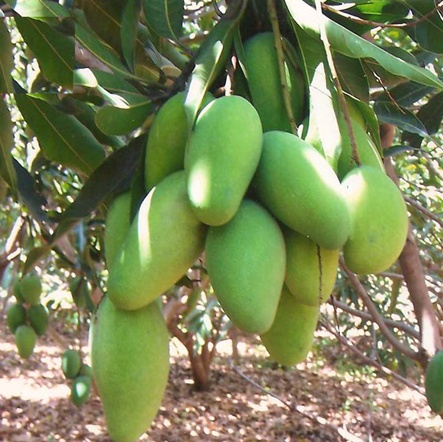
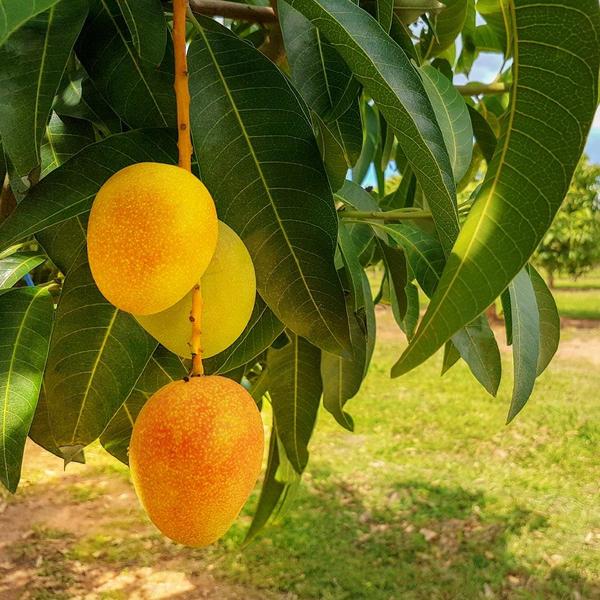
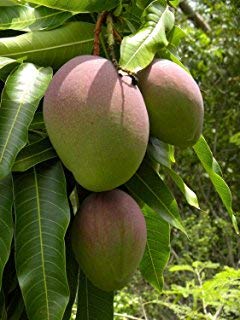
आम — “फलों का राजा” सिर्फ एक काव्यात्मक उपाधि नहीं, बल्कि भारतीय संस्कृति, भोजन और अर्थव्यवस्था में इसकी अहमियत का साक्ष्य है। पौराणिक काल से आज तक आम ने हमारे उत्सवों, रीति-रिवाजों और रोज़मर्रा के खाने दोनों में एक विशेष स्थान बनाया हुआ है। भारत में आम का पेड़ हर आँगन, खेत और माली के बगीचे की शान माना जाता है — चाहे वह गाँव का पुराना कटा हुआ बरगद हो या शहर की छत पर रखा एक छोटा गमला।
सांस्कृतिक पहचान: भारत में आम का जश्न, आम की माला और आम के पत्तों से बनी सजावट अनेक उत्सवों और परम्पराओं का हिस्सा है। शादी-विवाह, पूजा-पाठ और त्योहारों में आम के फूल व आम की रसयुक्त मिठास का विशेष स्थान होता है।
स्वाद और विविधता: अमर प्रतिज्ञा नहीं; आम की तरह स्वाद में विविधता शायद ही किसी और फल में मिले — मीठे, कुरकुरे, खट्टे-मीठे, सुगंधित और रेशेदार से लेकर बियाबान-रसदार तक। यही वजह है कि आम के सैकड़ों स्थानीय और अंतरराष्ट्रीय किस्में मौजूद हैं।
पोषण का स्रोत: आम विटामिन-A (बेटा-कैरोटीन), विटामिन-C, फाइबर और एंटीऑक्सिडेंट्स का अच्छा स्रोत है। यह इम्यूनिटी बढ़ाने, त्वचा-स्वास्थ्य सुधाने और पाचन में मदद करने वाला फल माना जाता है।
किफायती ऊर्जा: पका हुआ आम तुरंत ऊर्जा देता है — गर्मी के महीनों में शरीर को ठंडक प्रदान करने वाले शरबत और ठंडाई के रूप में भी आम का उपयोग पुरातन काल से होता आया है।
भारत और दुनिया में इसकी लोकप्रियता (Popularity in India & Worldwide)
भारत का ही नहीं, विश्व का प्रिय फल: भारत में कई क्षेत्रीय किस्में पैदा होती हैं — महाराष्ट्र के अल्फांसो से लेकर बिहार-उत्तर प्रदेश की दशहरी और चौसा तक — परन्तु इनकी लोकप्रियता सीमाओं से परे है। विश्वबाजार में भारतीय हापुस, केसर व अन्य किस्मों की मांग बड़ी रहती है।
निर्यात व प्रसंस्करण: पल्प, कैन, जूस, अचार, मुरब्बा व ड्राइड-फ्लैक्स जैसे उद्योग आम पर आधारित हैं। इससे छोटे किसान से लेकर बड़े प्रोसेसर तक कई लोगों की रोज़रोटी जुड़ी होती है।
कृषि और रोजगार: आम की खेती रोजगार उत्पन्न करती है — बागवानी, पैकिंग, प्रसंस्करण और लॉजिस्टिक्स तक। खासकर ग्रामीण क्षेत्रों में आम की खेती लंबे समय में स्थायी आय का स्रोत बन सकती है।
पौष्टिक और आर्थिक महत्व (Nutritional & Economic Importance)
पोषण: एक मध्यम आकार का आम विटामिन-A और C का अच्छा योगदान देता है, साथ ही फाइबर और आवश्यक सूक्ष्मपोषक भी प्रदान करता है। बच्चों और बुजुर्गों दोनों के लिए यह पौष्टिक स्नैक माना जाता है।
आर्थिक लाभ: उच्च गुणवत्ता वाली किस्मों की खेती से किसान लंबी अवधि में अच्छा रिटर्न पा सकते हैं — ग्राफ्टेड पौधे जल्दी फल देते हैं और निर्यात-योग्य किस्मों का भाव बाजार में उच्च रहता है। साथ ही डेली-प्रोसेसिंग इंडस्ट्री (जूस, पल्प, अचार) किसानों के लिए वैकल्पिक आय स्रोत खोलती है।
🥭 भारत और दुनिया की 11 बेहतरीन आम की किस्में
आम की सैकड़ों किस्में हैं लेकिन उनमें से कुछ खास किस्में स्वाद, सुगंध और लोकप्रियता की वजह से पूरी दुनिया में मशहूर हैं। आइए जानते हैं सबसे अच्छी 11 किस्मों के बारे में विस्तार से।
1. दशहरी आम (Dasheri Mango)
प्रमुख क्षेत्र: उत्तर प्रदेश (मलिहाबाद, लखनऊ)
स्वाद और विशेषता: बेहद मीठा, बिना रेशों वाला और सुगंधित आम।
मौसम: जून से जुलाई।
पैदावार: एक पेड़ से 200–300 आम आसानी से मिल जाते हैं।
विशेष बात: इसे “आम का नायक” कहा जाता है और यह भारतीय परिवारों में सबसे लोकप्रिय है।
6. मल्चिंग और इंटरक्रॉपिंग (Mulching & Intercropping)
गर्मी में पौधे के चारों ओर सूखी पत्तियाँ, भूसा या नारियल की छाल बिछाएँ।
इससे नमी बनी रहती है और खरपतवार भी नहीं उगते।
शुरुआती सालों में आम के साथ दालें, सब्ज़ियाँ या हल्दी- अदरक जैसी फसलें लगाई जा सकती हैं।
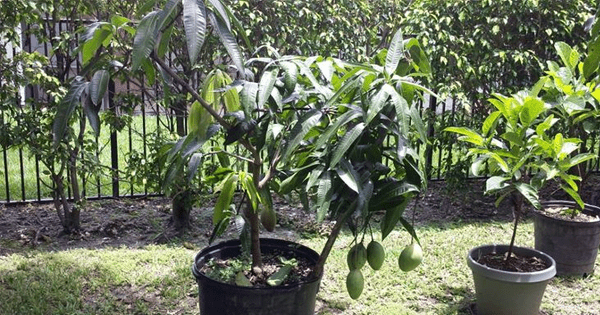
7. गमले वाले पौधों की देखभाल (Care of Potted Mango Plants)
हर 15 दिन में तरल खाद (Vermiwash, Compost Tea) डालें।
धूप वाले स्थान पर रखें।
साल में एक बार मिट्टी बदलकर नई खाद डालें।
नियमित pruning करें ताकि पौधा ज्यादा बड़ा न हो।
📌 सही देखभाल से आपका आम का पेड़ 3–4 साल में फल देना शुरू कर देगा और 40–50 साल तक लगातार स्वादिष्ट फल देता रहेगा।
🍋 अधिक फल पाने के आसान उपाय (Tips for Higher Yield of Mango Tree)
आम का पेड़ लगाना आसान है, लेकिन भरपूर और मीठे फल पाना तभी संभव है जब सही तकनीक अपनाई जाए। यहाँ कुछ महत्वपूर्ण उपाय दिए जा रहे हैं:
1. सही किस्म और पौधा चुनें
अगर आप जल्दी फल चाहते हैं तो ग्राफ्टेड पौधा (कलमी आम) ही लगाएँ।
dwarf varieties जैसे आम्रपाली, नीलम, अल्फांसो गमले या छोटे बगीचे के लिए उपयुक्त हैं।
अच्छी नर्सरी से स्वस्थ पौधा ही लें।
2. फूल आने के समय देखभाल
फरवरी–मार्च में आम में बौर (फूल) आते हैं।
इस समय पौधे को बहुत पानी न दें।
फूल आने पर हल्का पोटाश और फॉस्फोरस वाली खाद डालें।
फूल झड़ने से बचाने के लिए जैविक स्प्रे (छाछ + नीम तेल + गोमूत्र) का छिड़काव करें।
3. जैविक स्प्रे और पोषण
नीम तेल स्प्रे (5ml/L पानी): कीट रोकने में मदद करता है।
जैविक टॉनिक: छाछ, गोमूत्र, वर्मीवॉश का मिश्रण फूल और फल बढ़ाता है।
पोटाश युक्त खाद: फल के आकार और मिठास को बढ़ाती है।
4. छंटाई और canopy management
हर साल फूल और फल आने के बाद सूखी टहनियों को काटें।
पेड़ की छतरी गोल रखें ताकि धूप और हवा अच्छी तरह पहुँच सके।
छंटाई के बाद Bordeaux mixture का छिड़काव करें।
5. High Density Plantation (HDP)
आधुनिक खेती में 5 × 5 मीटर की दूरी पर पौधे लगाए जाते हैं।
HDP से एक एकड़ में ज्यादा पेड़ आते हैं और उपज 2–3 गुना बढ़ जाती है।
drip irrigation और नियमित छंटाई जरूरी है।
6. मल्चिंग और पानी प्रबंधन
गर्मी में पेड़ के चारों ओर सूखी पत्तियाँ और भूसा बिछाएँ।
इससे नमी बनी रहती है और जड़ों को ठंडक मिलती है।
पानी की सही मात्रा दें — न ज्यादा, न कम।
7. ग्राफ्टिंग और टॉपवर्किंग तकनीक
पुराने पेड़ पर नई किस्म का ग्राफ्ट लगाने से पैदावार और गुणवत्ता दोनों बढ़ते हैं।
इससे एक पेड़ पर अलग-अलग किस्म के आम भी उगाए जा सकते हैं।
8. फूल और फल झड़ने से बचाव
NAA (Naphthalene Acetic Acid – 20–30 ppm) का छिड़काव करें।
जैविक विकल्प के रूप में नीम तेल + गोमूत्र का छिड़काव करें।
संतुलित उर्वरक डालें, खासकर पोटाश और जिंक।
9. रोग और कीट नियंत्रण
पाउडरी मिल्ड्यू: फूल आने पर गंधक या जैविक छिड़काव।
फ्रूट फ्लाई: trap लगाएँ, पके फल समय पर तोड़ें।
डाइबैक रोग: प्रभावित टहनियाँ काटकर Bordeaux paste लगाएँ।
10. समय पर तुड़ाई (Harvesting at the Right Time)
फल को जब 75–80% पकने की स्थिति में हो, तभी तोड़ें।
जल्दी तोड़ने से स्वाद कम होता है, देर से तोड़ने पर फल सड़ सकता है।
तुड़ाई के बाद फलों को छाया में रखें।
📌 इन उपायों को अपनाकर किसान भी अपनी पैदावार बढ़ा सकते हैं और घर के बागवानी प्रेमी भी अपने आम के पेड़ से हर साल भरपूर मीठे फल पा सकते हैं।
❓ आम के बारे में अक्सर पूछे जाने वाले सवाल (FAQs on Mango Tree)
1. आम का पेड़ कितने साल में फल देना शुरू करता है?
अगर आपने ग्राफ्टेड (कलमी) पौधा लगाया है तो यह 3–4 साल में फल देना शुरू कर देता है।
बीज से उगाया गया पौधा 7–10 साल बाद फल देता है।
2. क्या गमले में आम लगाया जा सकता है?
हाँ, dwarf varieties जैसे आम्रपाली, नीलम और अल्फांसो को गमले में आसानी से उगाया जा सकता है।
इसके लिए कम से कम 24 इंच का गमला चुनें और पौधे को धूप वाली जगह रखें।
3. कौन सा आम सबसे मीठा होता है?
अल्फांसो (हापुस) और दशहरी आम को सबसे मीठा और स्वादिष्ट माना जाता है।
मियाज़ाकी आम भी बेहद मीठा है लेकिन यह दुनिया का सबसे महंगा आम है।
4. एक आम का पेड़ कितने साल तक फल देता है?
आम का पेड़ 40–50 साल तक नियमित फल देता है।
अच्छी देखरेख से यह 80–100 साल तक भी जीवित रह सकता है।
5. मियाज़ाकी आम इतना महंगा क्यों है?
इसका गहरा लाल रंग, खास मिठास और पौष्टिकता इसे खास बनाते हैं।
इसकी खेती बहुत सीमित क्षेत्र में होती है और उत्पादन कम मिलता है।
जापान से यह गल्फ और यूरोप में निर्यात होता है, जहाँ इसकी कीमत लाखों रुपये तक पहुँच जाती है।
6. क्या आम की खेती से अच्छा मुनाफा हो सकता है?
जी हाँ, आम की खेती भारत में सबसे लाभकारी फसलों में से एक है।
एक हेक्टेयर में सही किस्म और HDP तकनीक से ₹3–5 लाख सालाना तक की आमदनी संभव है।
मियाज़ाकी जैसे प्रीमियम आम और निर्यात-योग्य किस्में और भी ज्यादा लाभ देती हैं।
📌 निष्कर्ष (Conclusion)
आम न केवल भारत का राष्ट्रीय फल है बल्कि हमारी संस्कृति और परंपरा का भी हिस्सा है। सही किस्म का चुनाव, उचित देखभाल और आधुनिक तकनीकों के प्रयोग से हम अपने बगीचे या खेत में भरपूर, मीठे और उच्च गुणवत्ता वाले आम पा सकते हैं।
अगर आप घर के लिए आम लगाना चाहते हैं तो आम्रपाली, दशहरी, अल्फांसो जैसी किस्में उपयुक्त हैं।
किसानों के लिए HDP और ग्राफ्टिंग तकनीक अपनाकर कम जगह में ज्यादा पैदावार लेना संभव है।
गमले में dwarf varieties लगाकर भी बालकनी और छत पर स्वादिष्ट आम उगाए जा सकते हैं।
👉 कुल मिलाकर, आम लगाना केवल स्वाद और स्वास्थ्य के लिए ही नहीं, बल्कि यह आर्थिक और सांस्कृतिक दृष्टि से भी बेहद लाभकारी है।
Cultural Value: Mango leaves are used in festivals, weddings, and religious ceremonies across India.
Taste Diversity: From sweet, pulpy Alphonso to tangy Totapuri, mangoes come in hundreds of varieties, each with unique flavor and aroma.
Nutrition: Rich in Vitamin A, Vitamin C, fiber, and antioxidants, mango boosts immunity, improves digestion, and promotes glowing skin.
Economic Importance: Mango cultivation supports millions of farmers, provides raw material for industries (juices, pickles, pulp), and has high export demand.
🥭 Top 11 Mango Varieties (Best Mangoes to Grow)
1. Dasheri Mango
Region: Uttar Pradesh (Malihabad, Lucknow)
Taste: Sweet, fiberless, aromatic
Season: June–July
Specialty: One of the most popular varieties in Indian households.
Mix soil + sand + compost + neem cake + a little SSP (Single Super Phosphate).
Choosing the Plant
Prefer grafted plants (bear fruits in 3–4 years).
Seed-grown plants may take 8–10 years.
Planting Technique
Remove the polybag carefully.
Place the sapling in the pit.
Cover with soil & press gently.
Water immediately after planting.
Spacing
Traditional: 10 × 10 m
High Density Plantation (HDP): 5 × 5 m
For pots: 24-inch container minimum.
🌿 Care & Maintenance
Watering
First year: every 7–10 days.
Summer: every 4–5 days.
Flowering stage: reduce watering.
Fertilizers
First 3 years: compost + neem cake every 2–3 months.
Mature tree:
20–25 kg farmyard manure
1–1.5 kg nitrogen
0.5–1 kg phosphorus
1–1.5 kg potash
Pruning
Remove diseased, dry, and inward branches.
Maintain open canopy for airflow.
Pest & Disease Control
Mealybugs, fruit flies, thrips: Use neem oil spray.
Powdery mildew, anthracnose: Use Bordeaux mixture.
Mulching & Intercropping
Apply dry leaves or straw around the tree.
Grow pulses, ginger, or turmeric in early years.
🍋 Easy Tips for Higher Yield
Choose grafted plants of high-yielding varieties.
Use organic sprays: buttermilk + neem oil + cow urine.
Adopt High Density Plantation for commercial farming.
Avoid excessive watering during flowering.
Apply potash-rich fertilizers for bigger, sweeter fruits.
Protect from fruit drop using NAA spray or organic alternatives.
❓ FAQs
Q1. How many years does a mango tree take to bear fruit?
Grafted: 3–4 years
Seed-grown: 7–10 years
Q2. Can mango be grown in pots?
Yes, dwarf varieties like Amrapali and Neelum grow well in containers.
Q3. Which mango is the sweetest?
Alphonso and Dasheri are considered the sweetest.
Q4. How long does a mango tree live?
A healthy tree bears fruits for 40–50 years, sometimes up to 100 years.
Q5. Why is Miyazaki mango so expensive?
Rare, limited production, unique red color, and extremely sweet flavor.
Q6. Is mango farming profitable?
Yes, with modern techniques like HDP, farmers can earn ₹3–5 lakhs per hectare annually.
📌 Conclusion
Mango is not just India’s national fruit but also a symbol of tradition, taste, and prosperity. With the right variety, proper care, and scientific methods, anyone can grow mangoes successfully—whether in a large farm, a backyard garden, or even in pots on a terrace.
👉 If you want delicious, juicy, and high-quality mangoes year after year:
Choose the right variety.
Follow proper planting & care methods.
Use organic fertilizers and sprays.
Practice pruning and modern techniques like HDP.
A well-cared mango tree can be your companion for decades, giving you joy, shade, and of course—the King of Fruits! 🥭✨
Sandalwood (Chandan) is known as the “King of Fragrance” in India. It is not just a plant but a tree of religious, medicinal, economic, and spiritual importance.
For thousands of years, sandalwood has been used in worship, Ayurveda, perfumes, and beauty products. Sandalwood wood and oil are so valuable that they are considered one of the most precious natural treasures of India.
Today, people grow sandalwood not only in gardens and homes but also as a profitable business. Planting sandalwood brings fragrance, positivity, health benefits, and financial prosperity. A sandalwood tree once planted can live for 70–80 years.
🌼 Benefits of Sandalwood Plant
1. Religious and Spiritual Importance
Sandalwood paste is essential in worshipping Lord Vishnu, Lord Shiva, and other deities.
It is used in temple rituals, abhishekam, and tilak.
It provides peace, stability, and spiritual energy to the mind.
Growing sandalwood at home attracts positivity and purity.
2. Medicinal Benefits (Ayurvedic Uses)
In Ayurveda, sandalwood is considered cooling, healing, and anti-bacterial.
Skin health – Sandalwood paste cures rashes, pimples, itching, and sunburn.
Mental peace – Its fragrance relieves stress, anxiety, and insomnia.
Digestive health – Sandalwood water improves digestion and relieves acidity.
Antiseptic – Sandalwood oil heals cuts, wounds, and prevents infections.
Immunity booster – Sandalwood improves body resistance and balances doshas.
3. Environmental Benefits
Sandalwood purifies the air and spreads fragrance.
Improves soil fertility.
Its natural fragrance keeps mosquitoes and insects away.
Provides natural coolness and freshness in the surroundings.
4. Economic Benefits
Sandalwood wood and oil are costlier than gold.
A mature sandalwood tree (15–20 years) can be worth lakhs of rupees.
Sandalwood oil is in high demand in perfumes, incense, cosmetics, and medicine.
Sandalwood farming is a long-term investment with high returns.
5. Positive Effects at Home
Brings prosperity and good luck.
Enhances focus and positive energy.
Creates a soothing and spiritual environment at home.
🌱 How to Plant Sandalwood (Planting Methods)
1. Soil Selection
Grows best in red, black, and loamy soil.
Soil must be well-drained; avoid waterlogging.
2. Climate Requirements
Best suited for tropical climates.
Requires temperature between 12°C to 35°C.
3. Seed Preparation
Collect mature seeds and soak them in water for 24 hours.
Germination takes 30–40 days.
4. Planting Time
The best time to plant sandalwood is monsoon (July–August).
Young plants need partial shade initially.
5. Supporting Host Plant
Sandalwood is semi-parasitic. It needs a host plant like turmeric, pigeon pea (arhar), or moong for nutrition.
🌿 Sandalwood Plant Care Tips
1. Watering
Water regularly in the first 2–3 years.
After maturity, it needs less water.
2. Fertilizer
Use organic compost and vermicompost.
Apply nitrogen-based fertilizers for faster growth.
3. Pruning
Regular pruning helps in better branch development.
4. Pest & Disease Management
Protect from stem borers, termites, and fungus.
Use organic neem oil spray for pest control.
5. Growth Duration
Takes 15–20 years to mature.
Can live for 70–80 years.
💰 Economic Value of Sandalwood
1. Sandalwood Wood
Highly priced in national and international markets.
Used in carving, rituals, and ayurvedic medicines.
2. Sandalwood Oil
Extracted from wood and roots.
1 kg of pure sandalwood oil costs ₹50,000–₹70,000 internationally.
3. Farming Opportunities
Farmers can earn huge profits after 15–20 years.
Government provides schemes to promote sandalwood cultivation.
4. Business Opportunities
Industries for incense sticks, perfumes, cosmetics, and Ayurveda.
Export market offers huge profit.
🌿 Medicinal Uses of Sandalwood
For Skin
Sandalwood paste reduces pimples, acne, scars, and sunburn.
For Mind & Stress
Sandalwood oil calms the mind and relieves stress.
For Digestion
Sandalwood water cures stomach disorders.
For Immunity
Boosts body resistance against diseases.
🛕 Religious & Vastu Importance
1. Religious Significance
Used in temples, poojas, and rituals.
Sandalwood paste for tilak is considered auspicious.
2. Vastu Importance
Growing sandalwood at home brings peace and prosperity.
Planting in the south direction is considered lucky.
3. Spiritual Use
Sandalwood incense is used in meditation and yoga for inner peace.
❓ FAQ Section
Q1. How many years does it take for sandalwood to mature? 👉 Around 15–20 years.
Q2. Can sandalwood be grown in pots? 👉 Yes, young plants can be grown in pots with a host plant.
Q3. Which soil is best for sandalwood? 👉 Red, black, and loamy soil with good drainage.
Q4. Do snakes live on sandalwood trees? 👉 It’s a belief, but not entirely true. Sandalwood fragrance sometimes attracts reptiles nearby, but with cleanliness, it’s not an issue.
Q5. Can sandalwood be planted at home? 👉 Yes, it spreads fragrance and positivity.
Q6. Is sandalwood farming profitable? 👉 Yes, sandalwood tree and oil are in high demand globally, making it highly profitable.
📌 Conclusion
The sandalwood plant is not just a tree but a symbol of health, spirituality, and prosperity.
It benefits health through Ayurveda.
It enriches the environment with fragrance.
It provides economic value worth lakhs.
It holds deep religious and cultural significance.
👉 If you want a plant that gives benefits for generations, sandalwood is the perfect choice.
भारत में चंदन (Sandalwood) को “सुगंधों का राजा” कहा जाता है। यह केवल एक पौधा नहीं बल्कि धार्मिक, औषधीय, आर्थिक और आध्यात्मिक महत्व से भरपूर एक वृक्ष है।
हजारों सालों से चंदन का प्रयोग पूजा-पाठ, आयुर्वेदिक दवाओं, सुगंध और सौंदर्य उत्पादों में किया जाता रहा है। चंदन की लकड़ी और उसका तेल इतना मूल्यवान है कि इसे भारत की सबसे कीमती प्राकृतिक संपत्ति माना जाता है।
आज के समय में लोग इसे न केवल बगीचों और घरों में लगाते हैं बल्कि इसे एक लाभकारी व्यवसाय की तरह भी देखते हैं। चंदन का पौधा लगाने से न सिर्फ वातावरण सुगंधित और शुद्ध होता है बल्कि आने वाली पीढ़ियों को भी इसका लाभ मिलता है, क्योंकि एक बार लगाया गया चंदन का पेड़ 70–80 साल तक जीवित रहता है।
🌼 चंदन के पौधे के फायदे (Benefits of Sandalwood Plant)
1. धार्मिक और आध्यात्मिक महत्व
चंदन का लेप भगवान विष्णु, शिव और देवी-देवताओं की पूजा में अनिवार्य माना गया है।
मंदिरों में चंदन का प्रयोग तिलक, मूर्ति अभिषेक और धूप-दीप के रूप में किया जाता है।
यह मन को शांति, स्थिरता और आध्यात्मिक ऊर्जा प्रदान करता है।
घर में चंदन लगाने से वातावरण में सकारात्मकता और पवित्रता आती है।
2. औषधीय फायदे (Medicinal Benefits)
आयुर्वेद में चंदन को ठंडक प्रदान करने वाला और रोग नाशक माना गया है।
त्वचा रोगों में लाभकारी – चंदन का लेप दाद, खुजली, फुंसी और धूप की जलन में तुरंत राहत देता है।
मानसिक शांति – इसकी सुगंध तनाव, चिंता और अनिद्रा को दूर करती है।
पाचन शक्ति बढ़ाने वाला – चंदन पानी का सेवन पेट की समस्याओं में सहायक होता है।
संक्रमण रोधी – इसमें प्राकृतिक एंटीबैक्टीरियल और एंटीसेप्टिक गुण होते हैं।
3. पर्यावरणीय फायदे (Environmental Benefits)
चंदन का पौधा वायु को शुद्ध करता है और आसपास का वातावरण सुगंधित बनाता है।
यह धरती की उर्वरता को बढ़ाने में सहायक है।
चंदन के वृक्ष से निकलने वाला तेल और सुगंध मच्छरों और कीटों को दूर रखता है।
इसके आस-पास रहने से व्यक्ति को प्राकृतिक ठंडक और ताजगी महसूस होती है।
4. आर्थिक फायदे (Economic Benefits)
चंदन की लकड़ी और तेल का मूल्य सोने से भी ज्यादा माना जाता है।
चंदन की खेती किसानों और उद्यमियों के लिए एक लाभदायक व्यवसाय है।
एक परिपक्व चंदन का पेड़ (15–20 साल पुराना) लाखों रुपये में बिक सकता है।
चंदन से बने उत्पाद (अगरबत्ती, इत्र, पाउडर, तेल) की मांग भारत ही नहीं बल्कि विदेशों में भी बहुत अधिक है।
5. घर और जीवन पर सकारात्मक प्रभाव
चंदन का पौधा घर में सौभाग्य और समृद्धि लाता है।
इसकी सुगंध से मन में सकारात्मक ऊर्जा और एकाग्रता बढ़ती है।
बच्चों के लिए यह पौधा स्वास्थ्यवर्धक और अध्ययन में सहायक माना जाता है।
📌 इस प्रकार चंदन का पौधा न केवल धार्मिक और आध्यात्मिक दृष्टि से महत्वपूर्ण है, बल्कि यह हमारे स्वास्थ्य, पर्यावरण और आर्थिक जीवन में भी अमूल्य योगदान देता है।
🌱 चंदन का पौधा लगाने की विधि और देखभाल के उपाय
🌿 चंदन का पौधा कैसे लगाएँ (Planting Guide)
चंदन (Sandalwood) एक अर्ध-परजीवी पौधा होता है। यानी यह अपनी जड़ों से कुछ पोषक तत्व पास के पौधों से लेता है। इसलिए इसे हमेशा ऐसे पौधे के साथ लगाया जाता है, जो तेजी से बढ़ने वाला हो और जिसकी जड़ों में पर्याप्त पोषण हो।
1. सही जलवायु (Climate Requirement)
चंदन का पौधा उष्णकटिबंधीय और उपोष्णकटिबंधीय क्षेत्रों में आसानी से उगता है।
इसे 600–1200 मिमी तक की वार्षिक वर्षा वाले क्षेत्र पसंद आते हैं।
तापमान 12°C से 35°C तक इसके लिए आदर्श है।
बहुत ठंडे या ज्यादा पानी वाले क्षेत्रों में यह पौधा धीमा बढ़ता है।
2. सही मिट्टी (Soil Requirement)
चंदन लाल बलुई, दोमट और काली मिट्टी में अच्छी तरह उगता है।
मिट्टी में पानी का जमाव नहीं होना चाहिए।
pH मान 6 से 7.5 तक सबसे अच्छा है।
पौधारोपण से पहले मिट्टी में गोबर की खाद और जैविक खाद मिलाना लाभकारी होता है।
3. बीज से पौधा तैयार करना (Growing from Seeds)
बीजों को सबसे पहले 24 घंटे पानी में भिगोकर रखें।
इन्हें छायादार जगह में नर्सरी बैग या ट्रे में बोएँ।
अंकुरण होने में लगभग 25–30 दिन लगते हैं।
जब पौधा 6–8 इंच का हो जाए, तो इसे खेत या गमले में ट्रांसप्लांट करें।
4. पौधशाला से पौधा लाना (Buying Saplings)
अगर आप बीज से पौधा नहीं लगाना चाहते तो नर्सरी से 1–2 साल पुराना पौधा खरीद सकते हैं।
ऐसे पौधे की जड़ें मजबूत और तना सीधा होना चाहिए।
5. सहायक पौधे (Host Plants)
चंदन को हमेशा किसी होस्ट पौधे के पास लगाना चाहिए।
मूंग, अरहर, अरंडी, नीम, गुलमोहर, करंज आदि अच्छे सहायक पौधे हैं।
ये पौधे चंदन की जड़ों को पोषण देते हैं और उसकी वृद्धि तेज़ करते हैं।
🌿 चंदन की देखभाल के उपाय (Care Tips)
1. पानी देना (Watering)
शुरुआती 1–2 साल तक पौधे को सप्ताह में 2–3 बार पानी दें।
जब पौधा स्थापित हो जाए तो सामान्य वर्षा ही पर्याप्त होती है।
अधिक पानी देने से जड़ें सड़ सकती हैं।
2. खाद और उर्वरक (Fertilization)
हर 2–3 महीने में गोबर की खाद या वर्मी कम्पोस्ट डालें।
रासायनिक खादों का कम उपयोग करें।
पौधे की जड़ों के पास नाइट्रोजन, फॉस्फोरस और पोटाश की संतुलित मात्रा दें।
3. छंटाई (Pruning)
पौधे से सूखी और कमजोर टहनियों को हटा दें।
शुरुआती वर्षों में पौधे को सीधा बढ़ने दें, शाखाओं को अनावश्यक रूप से न काटें।
4. कीट और रोग नियंत्रण (Pest & Disease Control)
चंदन का सबसे बड़ा दुश्मन Sandal Spike Disease है। यह पौधे की पत्तियों को पीला कर देता है और धीरे-धीरे सूखा देता है।
रोग रोकने के लिए पौधे के आसपास नीम तेल का छिड़काव करें।
दीमक और अन्य कीड़ों से बचाने के लिए पौधारोपण के समय कार्बोफ्यूरान या नीम खली डालें।
पौधे के आसपास हमेशा साफ-सफाई रखें।
5. प्रकाश और स्थान (Light & Placement)
चंदन को सीधी धूप बहुत पसंद है।
इसे ऐसी जगह लगाएँ जहाँ कम से कम 6–7 घंटे की धूप मिले।
6. गमले में चंदन लगाना (Growing in Pots)
12–15 इंच गहरा गमला लें।
मिट्टी का मिश्रण: 50% दोमट मिट्टी + 30% गोबर की खाद + 20% रेत।
साथ में एक छोटा सहायक पौधा भी गमले में लगाएँ।
गमले को धूप वाली जगह रखें।
📌 इस तरह सही मिट्टी, सहायक पौधे और नियमित देखभाल से आपका चंदन का पौधा स्वस्थ और लंबे समय तक जीवित रह सकता है।
💰 चंदन के पौधे के आर्थिक लाभ, औषधीय उपयोग और धार्मिक महत्व
💰 चंदन के पौधे से आर्थिक लाभ (Economic Benefits of Sandalwood)
चंदन का पौधा न केवल धार्मिक और औषधीय दृष्टि से मूल्यवान है बल्कि आर्थिक दृष्टि से भी अत्यधिक लाभकारी है। यही कारण है कि आज किसान और उद्यमी इसकी खेती को एक लाभदायक निवेश मानते हैं।
1. चंदन की लकड़ी का मूल्य
चंदन की लकड़ी बाजार में सबसे महंगी लकड़ियों में गिनी जाती है।
एक परिपक्व चंदन का पेड़ (15–20 वर्ष का) लाखों रुपये का हो सकता है।
लकड़ी का मूल्य उसकी सुगंध और तेल की मात्रा पर निर्भर करता है।
2. चंदन के तेल का व्यापार
चंदन की लकड़ी से निकाला गया तेल (Sandalwood Oil) इत्र, अगरबत्ती, सौंदर्य प्रसाधन और दवाओं में उपयोग होता है।
1 किलो शुद्ध चंदन का तेल अंतरराष्ट्रीय बाजार में 50,000–70,000 रुपये तक बिक सकता है।
यह तेल भारत के अलावा विदेशों में भी अत्यधिक मांग में है।
3. किसानों के लिए फायदे
चंदन की खेती से किसान लंबे समय के लिए निवेश कर सकते हैं।
एक बार लगाया गया पौधा 70–80 साल तक जीवित रहता है।
सरकार भी चंदन की खेती को प्रोत्साहित करने के लिए कई योजनाएँ चला रही है।
4. उद्यमियों के लिए अवसर
चंदन से जुड़े उद्योग जैसे अगरबत्ती निर्माण, इत्र निर्माण, आयुर्वेदिक उत्पाद आदि शुरू किए जा सकते हैं।
चंदन का निर्यात (Export) करके विदेशी मुद्रा अर्जित की जा सकती है।
🌿 चंदन के औषधीय उपयोग (Medicinal Uses of Sandalwood)
आयुर्वेद में चंदन का वर्णन शीतल, सुगंधित और रोग नाशक औषधि के रूप में किया गया है।
1. त्वचा रोगों में लाभकारी
चंदन का लेप दाद, खुजली, फुंसी और मुंहासों में राहत देता है।
गर्मी और धूप से हुई जलन को कम करने के लिए चंदन का पेस्ट सबसे अच्छा माना जाता है।
2. मानसिक शांति
चंदन की सुगंध तनाव, चिंता और चिड़चिड़ापन दूर करती है।
यह मन को ठंडक और स्थिरता प्रदान करता है।
3. संक्रमण रोधक (Antiseptic)
चंदन का तेल घावों और कटने-छिलने पर लगाया जाता है।
यह बैक्टीरिया और फंगस से बचाव करता है।
4. पाचन में सहायक
चंदन पानी का सेवन पेट की जलन और एसिडिटी को कम करता है।
यह मूत्र विकारों और बुखार में भी राहत देता है।
5. आयुर्वेदिक उपयोग
चंदन का प्रयोग चूर्ण, तेल और लेप के रूप में किया जाता है।
यह शरीर को ठंडक देने और रोग प्रतिरोधक क्षमता बढ़ाने में सहायक है।
🛕 चंदन का धार्मिक एवं वास्तु महत्व (Religious & Vastu Importance)
1. धार्मिक महत्व
हिंदू धर्म में चंदन का विशेष स्थान है।
पूजा-पाठ में चंदन का तिलक शुभ और पवित्र माना जाता है।
मूर्तियों पर चंदन का लेप करने से देवी-देवता प्रसन्न होते हैं।
धार्मिक अनुष्ठानों और यज्ञों में चंदन का प्रयोग अनिवार्य है।
2. वास्तु महत्व
घर में चंदन का पौधा लगाने से सकारात्मक ऊर्जा बनी रहती है।
वास्तु शास्त्र के अनुसार, यह पौधा घर में शांति और समृद्धि लाता है।
दक्षिण दिशा में चंदन लगाना शुभ माना जाता है।
3. अध्यात्मिक महत्व
ध्यान और साधना के समय चंदन की धूप और सुगंध मन को एकाग्र करती है।
चंदन का प्रयोग योग और ध्यान में आंतरिक शांति पाने के लिए किया जाता है।
📌 इस प्रकार चंदन का पौधा न केवल आर्थिक दृष्टि से अमूल्य है बल्कि यह हमारे स्वास्थ्य और धार्मिक जीवन को भी समृद्ध बनाता है।
❓ चंदन के पौधे से जुड़े सामान्य प्रश्न (FAQ Section)
Q1. चंदन का पौधा कितने साल में तैयार होता है? 👉 चंदन का पेड़ लगभग 15 से 20 साल में परिपक्व होता है। इसके बाद इसकी लकड़ी और तेल का व्यावसायिक उपयोग किया जा सकता है।
Q2. क्या चंदन को गमले में लगाया जा सकता है? 👉 हाँ, छोटे पौधे को गमले में लगाया जा सकता है। इसके लिए 12–15 इंच गहरा गमला और पास में एक सहायक पौधा (जैसे अरहर, मूंग) होना चाहिए।
Q3. चंदन किस मिट्टी में अच्छा उगता है? 👉 चंदन का पौधा लाल बलुई, काली और दोमट मिट्टी में सबसे अच्छा उगता है। पानी का जमाव मिट्टी में नहीं होना चाहिए।
Q4. क्या चंदन के पेड़ में साँप लगते हैं? 👉 यह एक मान्यता है कि चंदन के पेड़ में साँप रहते हैं, परंतु यह पूरी तरह सच नहीं है। असल में, चंदन की खुशबू मिट्टी और वातावरण में फैलती है जिससे कभी-कभी सांप उसके आस-पास आ सकते हैं। यदि पौधे के आसपास साफ-सफाई रखी जाए तो कोई समस्या नहीं होती।
Q5. क्या चंदन को घर में लगाया जा सकता है? 👉 जी हाँ, चंदन का पौधा घर में लगाया जा सकता है। यह वातावरण को सुगंधित बनाता है और वास्तु शास्त्र के अनुसार घर में सकारात्मक ऊर्जा और समृद्धि लाता है।
Q6. क्या चंदन की खेती से अच्छा मुनाफा होता है? 👉 बिल्कुल। चंदन की लकड़ी और तेल अंतरराष्ट्रीय बाजार में बहुत महंगे बिकते हैं। एक परिपक्व पेड़ किसान को लाखों का लाभ दे सकता है।
Q7. चंदन का पौधा कितने समय तक जीवित रहता है? 👉 एक चंदन का पेड़ औसतन 70–80 साल तक जीवित रह सकता है।
Q8. क्या चंदन पौधा किसी भी मौसम में लगाया जा सकता है? 👉 इसे मानसून के मौसम (जुलाई–अगस्त) में लगाना सबसे अच्छा होता है क्योंकि इस समय मिट्टी में नमी और बारिश का पानी पर्याप्त मिलता है।
📌 निष्कर्ष (Conclusion)
चंदन का पौधा सिर्फ एक वृक्ष नहीं है, बल्कि यह धार्मिक, औषधीय, आर्थिक और आध्यात्मिक महत्व से भरपूर एक प्राकृतिक खजाना है।
यह हमारे स्वास्थ्य के लिए उपयोगी है।
यह हमारे घर और वातावरण को सकारात्मक ऊर्जा और सुगंध प्रदान करता है।
यह किसानों और उद्यमियों के लिए एक आर्थिक वरदान है।
यह भारत की संस्कृति, परंपरा और अध्यात्म से गहराई से जुड़ा हुआ है।
👉 यदि आप अपने घर या खेत में एक ऐसा पौधा लगाना चाहते हैं जो आने वाली पीढ़ियों तक लाभकारी हो, तो चंदन का पौधा सबसे उत्तम विकल्प है।
The marigold plant (Tagetes spp.), known as Genda in Hindi, is one of the most popular flowering plants in India and around the world. It is admired not only for its bright and attractive blooms but also for its wide use in decorations, festivals, religious rituals, medicinal remedies, and gardening purposes.
Marigolds are extremely easy to grow, require very little maintenance, and produce flowers continuously once they start blooming. This makes them a favorite for home gardens, balconies, and large landscapes.
French Marigold (Tagetes patula) – Smaller flowers in deep red, yellow, and orange shades, often with a strong fragrance.
From temples and weddings to festivals and gardens, marigolds hold immense importance in Indian culture. Beyond their beauty, they also offer medicinal, environmental, and economic benefits.
🌼 Benefits of Marigold Plant
1. Religious and Cultural Importance
Marigold flowers are considered auspicious in Hinduism.
They are commonly offered to Lord Ganesha and Hanuman during prayers.
Festivals like Diwali, Durga Puja, and Navratri use marigold garlands for decoration and rituals.
In weddings, marigold symbolizes good fortune and prosperity.
2. Ornamental and Gardening Uses
Marigolds bloom continuously once flowering begins.
They are perfect for borders, flower beds, and balcony decoration.
Their bright colors enhance the beauty of any garden space.
3. Medicinal Benefits
Marigolds contain antibacterial, antifungal, and anti-inflammatory properties.
A paste of leaves and flowers helps in skin infections and minor wounds.
Marigold tea reduces stomach issues and inflammation.
4. Environmental Benefits
The strong scent of marigolds repels mosquitoes, aphids, and harmful insects.
Farmers plant marigolds around crop fields as companion plants to reduce pests.
They also improve soil health naturally.
5. Economic Value
Marigold cultivation is low-cost and high-yield, making it profitable for farmers.
It has high demand throughout the year in markets for weddings, temples, and festivals.
🌱 How to Grow Marigold Plant
Marigolds can be grown easily from seeds, cuttings, or nursery saplings in pots and gardens.
1. Growing from Seeds
Prepare loose soil mixed with compost.
Sow seeds about 1–2 cm deep.
Cover lightly with soil and water gently.
Seeds germinate within 5–7 days.
2. Growing from Cuttings
Cut 4–5 inch long healthy stems.
Dip in rooting hormone and place in moist soil.
Roots appear within 10–15 days.
3. Growing in Pots
Use pots at least 8–10 inches deep with drainage holes.