Buy fertilizer for plants here https://bonsaiplantsnursery.com/produ… How to Make Homemade Fertilizer for Flowers and Fruit Plants What is Organic Fertilizer? Organic fertilizers comprise a variety of plant-derived materials that range from fresh or dried plant material to animal manures and litters to agricultural by-products 7 Best Homemade Fertilizer for Flowers and Fruit Plants Grass Clippings If you have an organic lawn or rake, make sure to collect your grass clippings to use on your gardens. Half an inch to an inch of grass clippings makes a great weed-blocking mulch, and it is also rich in nitrogen, which is an essential nutrient for most plants. Manure Manure comes from a variety of sources — cows, horses, chickens, and even bats. Each type of manure is high in nitrogen and other nutrients, but you’ll need to use it carefully. Raw manure is highly acidic and may actually have more nutrients than your plants need, so too much can burn your plants. It’s best to use composted manure. Coffee Grounds Coffee grounds come with a lot of uses, but one of their best is as a fertilizer. Lots of plants, such as blueberries, rhododendron, roses, and tomatoes, thrive best in acidic soil. Recycle your coffee grounds to help acidify your soil. Eggshells Egg shells are something else that you probably have tons of throughout the week and typically just throw out. The shells contain a lot of calcium which helps with cellular growth in your plants. Calcium deficient soil can lead to blossom end rot on tomatoes and various other garden catastrophes. This egg shell fertilizer will help to end that. Just crush up used egg shells and then bury them in the soil. Banana Peels We eat bananas for their potassium, and roses love potassium too. Simply bury peels in a hole alongside the rose bush so they can compost naturally. As the rose grows, bury the peels into the soil’s top layer. Fireplace Ash Fertilizer Fireplace ash provides calcium carbonate and potassium to plants. All you need to do is add the ash to the garden bed and then massage it into the soil. It may be best to do this right before planting so that you don’t risk knocking your plants over or harming them while massing the ash into the soil. Onion Skin Fertilizer Don’t throw away the onion skins, use them to create organic potassium-rich fertilizer for all your plants growing indoors or outdoors. Using it will increase their disease resistance, growth, strong stems, and productivity. Use the leftover onion skins for mulching. The dry peels will decompose soon and enrich your soil with potassium and calcium.
Buy Best Quality Fast Growing Fruit plant only at https://bonsaiplantsnursery.com/shop/ How to Get Epic Amount of Fruit from Grape Plant Grapes are versatile fruits used in a wide range of popular foods — from raisins to jelly to wine. Grape vines not only produce sweet and versatile fruits, they add an element of drama to a garden or landscape. They are vigorous growers. Where To Plant Grapes Your location needs to be prepared with a support well in advance. You can use a trellis, an arbor, or any number of other types of support structure, but it needs to be there when you plant your vine. How To Plant Grapes Bare root grapes should be soaked in water for at least 2 hours prior to planting. Potted grapes should be watered well the day before to reduce transplant shock. Begin by digging a hole that is a minimum of a foot wide and deep. Add four inches of good topsoil to the bottom of the hole, then examine your plant’s roots. Trim off any which are broken or damaged. Support Grapevines need some type of support or they will trail along the ground. The support can be an arbor covering a patio for shade, or can be as simple as a post in the ground to support the trunk of the vine. Growth Of Grape Plants Bud Break In the early spring as the vine comes out of dormancy, it begins with “bleeding” of vines which were pruned during the winter months. As the soil warms, water will ooze out of places where the cane was cut. One vine can “bleed” up to almost a gallon and a half of water. Flowering Stage During the flowering stage is when pollination occurs. While most commercially-grown grapevines are self-pollinating, wild ones are not and require insects to pollinate the flowers. In addition, this stage is when fertilization and seed-set occurs, forming tiny dots that will become seed. Caring for Grape Plant to Ensure the Good Quality Yield Watering Apply water only to the root zone. Avoid getting grape foliage wet as this can encourage many grape diseases. Reduce watering young vines in the fall to encourage the plant to harden-off its canes to prepare for winter. Feeding and Mulching Do not fertilize in the first year unless you have problem soil. Fertilize lightly in the second year of growth. Use mulch to keep an even amount of moisture around the vines. A mesh net is useful in keeping birds away from budding fruit. Weeding Keep grass and other plants from growing under grapevines. This allows the soil to heat up early in the spring and maintain higher soil temperatures to encourage growth. Pruning Pruning grapes depends on how you decide to grow them in your garden and how much space you have. Heavy pruning provides the best fruit. Light pruning results in large yields of poor-quality fruit. Very heavy pruning produces too much leafy growth and very little or no fruit. Harvesting The best way to tell if grapes are ripe is to taste a few. Many varieties turn color before they are ripe. Clip full clusters off the vine with pruning shears or heavy scissors. Handle clusters carefully. Remove any discolored, injured, or undesirable berries. Cool them as soon as they are picked.
Buy best quality fruit plants online at https://bonsaiplantsnursery.com/shop/ How to Bonsai Fruit Plant Step by Step Process What is a Bonsai Tree? Bonsai is not a genetically altered plant to create a dwarf like-version of a full-size species. Rather through careful cultivation, pruning, and wiring of the branches, tree to stay under 4 feet (a generally accepted height), and still bear flowers and fruits if desired. Step 1: Choosing Your Bonsai Fruit Plant Bonsai can be grown with a number of different plants and trees. People have made bonsai out of bushy shrubs and fruit trees. Step 2: Potting Your Bonsai Fruit Tree If you’re starting your own bonsai and not buying a pregrown one from a nursery, you’ll need a good pot. Ideally, it should be shallow and small so that the tree’s roots don’t spread out too far, causing it to get too big. Step 3: Styling Your Bonsai Fruit Tree It’s important that the style is sympathetic to the matches plant that you have selected. Once you have settled on a preferred style, it’s time to get pruning and shaping. Step 4: Wiring Your Bonsai Fruit Tree If you’re not happy with how some of your branches are growing, you can use a technique called wiring. For this technique, you will need quality gardening wire. You’ll need to be gentle and wrap tightly. This will force the branch to move every few weeks. Once your Bonsai has achieved the desired shape, you can remove the wiring. Step 5: Caring For Your Bonsai Fruit Tree Now that you’ve planted, potted, and styled your Bonsai, you need to ensure that proper ongoing care is given. Each individual type of fruit plant will have its own needs. Basic Care Tips For Bonsai Fruit Gardeners Watering Wait until the soil is slightly dry to water your Bonsai and avoid overwatering. Temperature Be sure to keep your bonsai out of direct sunlight when the temperature is hot outdoors. Repotting It is likely you will need to repot your Bonsai over a few years until it gets to the size you’d like. If the leaves look yellow, or the roots dried, the pot should be changed to a larger one Maintenance Once your Bonsai has grown into your desired shape, you’ll need to prune it a little every year. Be careful to not remove any additional branches when you are pruning.
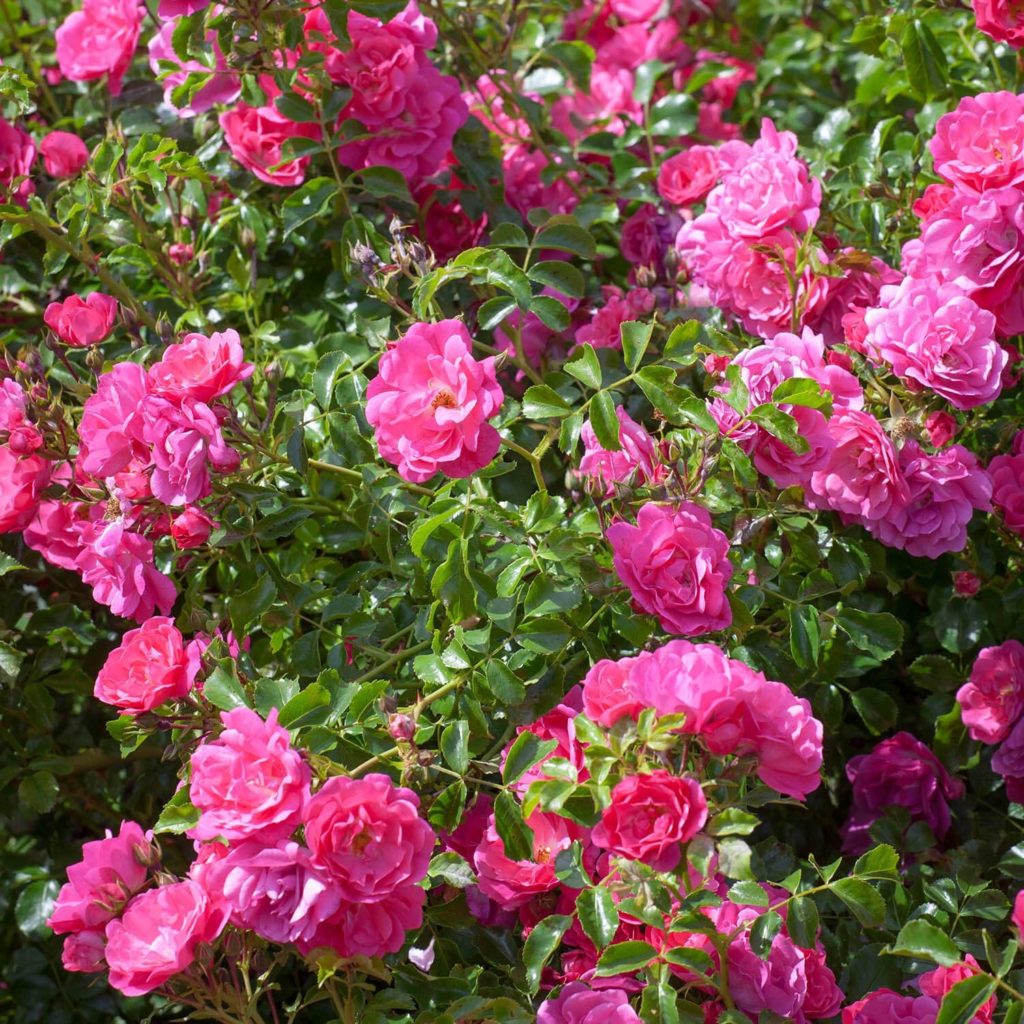
क्या आपके घर में लगे गुलाब के पौधे में फूल नहीं आ रहे या आना बंद हो गए हैं, तो आपको घबराने की बिल्कुल जरुरत नहीं है। आज आपको ऐसे अचूक तरीके पता चलेंगे। जिन्हें आप अपने गुलाब के पौधे पर आजमा कर अपने गुलाब के पौधे से पुनः ढेर सारे गुलाब पा सकते हैं।
अगर आपका गुलाब का पौधा 2 साल पुराना हो चूका है और उसमें फूल नहीं आ रहे हैं तो आप समझ जाइये की आपको अपने गुलाब के पौधे की रिपौटिंग करने का समय आ गया है।
क्या होता हैं न की पौधा अधिक दिनों तक एक ही गमले में रहने से उसकी जड़ें पूरे गमले में अपना कब्जा कर लेती हैं और फिर स्थान की कमी होने पर उसकी जड़ें अच्छे से ग्रोथ नहीं कर पाती हैं। जिस वजह से गुलाब में फूलों की कमी आ जाती है। तो आपको फिर से उस गुलाब के पौधे से फूल पाने के लिए उपाय यह करना है कि उस गुलाब के पौधे को गमले से निकालकर उसकी जड़ों में लगी सारी मिट्टी को निकालकर उसकी जड़ को साफ पानी में रख दें। उसके बाद आप गमले को साफ करके नयी मिटटी लेकर उसमे गुलाब का पौधा लगा दें। आप पुराने गमले के जगह कोई नया और उससे बड़ा गमला भी ले सकते है। ऐसा करने से आपके गुलाब के पौधे में पहले से अधिक फूल आने लगेंगे।
नोट :- पौधे की रिपोटिंग करते समय गुलाब की पुरानी शाखाओं को काट देना चाहिए और मिटटी में वर्मीकम्पोस्ट को मिला लेना चाहिए।
तरीका न. – 2
गुलाब के पौधे में जब पहला फूल आये तो उसे तोड़ लें। उस फूल को तोड़ने का भी एक तरीका होता है। आपको फूल के नीचे एक साथ तीन पत्तियाँ जहाँ तक दिखें और जहाँ से पाँच पत्तियाँ दिखनी सुरु हो जाये। तो जहाँ से तीन पत्तियाँ दिखना शुरू हो जाये तो वहाँ से उस हिस्से को फूल सहित काट दें।
तरीका न. – 3
जिस गमले में गुलाब लगा हो उसकी मिटटी में आयोडीन नमक या मैगनीशियम सल्फेट का एक-एक चम्मच डाल दें। इसके साथ ही आधा चम्मच पोटाश भी डाल दें।
ध्यान रहे की ये चीजें आप पौधे के तने के पास बिल्कुल न डालें। गमले के किनारे पर डालें।
आप आयोडीन नमक, मैगनीशियम सल्फेट और पोटाश की उतनी ही मात्रा लेकर उसको पानी में मिलाकर। आप गुलाब के पौधे की पत्तियों पर स्प्रे भी कर सकते हैं। इससे पौधे को सीधे पत्तियों से पोषण मिलता है।
आप अपने गुलाब के पौधे में गोबर की खाद डाल सकते हैं और ब्लूम बड़ी नामक खाद भी मिला सकते हैं। जो आपको आसानी से मार्केट में मिल जायेगी।
नोट :- आप अपने गुलाब के पौधे में Amrutras liquid organic fertilizer डालने से आपका गुलाब का पौधा पहले और अधिक फूल देने लगेगा। आपको यह मार्केट से बहुत आसानी से मिल जायेगा। अगर नहीं मिलता है तो आप इसे ऑनलाइन भी आर्डर कर सकते हैं
Desert Rose Plant Info: Caring For Desert Rose Plants Plant lovers are always looking for easy to grow, unique plants with a fun aspect. Adenium desert rose plants are perfect specimens for the intrepid or novice gardener.These East African and Arabian natives are wonderful in the interior container garden or as warm climate additions to the patio display. Caring for desert rose plants requires a full sun location and well-drained soil. Properly mimicking their native regional conditions will garner plenty of rose-like blooms on an architectural marvel of a plant. Desert Rose Plant Info Desert rose has become a popular ornamental garden plant in United States Department of Agriculture zones 10 to 11. The rest of us in cooler zones will have to resort to growing Adenium indoors, giving the plant a vacation in the summer on the patio or deck. Desert rose plant care can be difficult and requires some knowledge of the life cycle of the species. Adeniums are succulent, tropical plants. They are distinctive among the class because they develop a caudex, or swollen trunk. All succulent plants have some sort of water storage system, be it leaves, stems or roots. In desert rose, the trunk swells to conserve moisture for times of drought. A nice fat trunk is an indicator of plant health. A skinny stem can indicate that the plant requires more moisture. An interesting bit of desert rose plant info is its natural resemblance to a bonsai plant, with a short stature when mature, and tidy canopy perched atop the graduated stem. Many growers seem to have trouble caring for desert rose plants, but these can truly be easy to maintain if you keep in mind the water, temperature and lighting needs of Adenium. Adenium Desert Rose Growing Tips First, remember that Adenium plants are native to regions with poor, gritty soil and hot, sunny climates. You can’t expect the plant to thrive in overly moist soil, in a site with limited light. They are also not frost tolerant and will succumb to a freeze if exposed. The plant will not survive long if exposed to temperatures below 40 degrees F (4 C) but will thrive in temperatures reaching up to 90 degrees F (32 C). Desert rose succulents like bright light, so a southern window exposure provides enough sun for the plants to flourish and bloom. In the garden, choose a sunny location that has some protection from noonday sun, as this can scorch the foliage. Soil is very important. Adenium plants should have a mixture of cactus soil with gritty sand or lava rocks for good drainage. Desert Rose Plant Care The one thing that will kill these plants quickly is improper watering. They are succulents but are used to rainy periods during which they grow, followed by a dormant, dry period. Match your watering practices to these needs for best success. Keep soil moderately moist in spring and summer, but reduce watering in fall and especially winter when the plant is dormant. Fertilize with a dilution by half of a 20-20-20 liquid plant food once per month when the plant is actively growing. Do not feed the desert rose during winter. The most common pests are scale, mealybugs and spider mites. Use cotton balls soaked in alcohol to wipe away these insect rogues. Be cautious, as Adenium desert rose is in the Dogbane family, with all species bleeding a poisonous sap that can irritate skin and mucous membranes.
How to Plant and Care for Mogra or Jasmine Plant Mogra plant is dwarf growing shrub with almost stalkless leaves and wavy margins. The plant can be grown as a short climber too. The heavy scented white flowers are borne in clusters of 3 to 12 and may be single, semi-double or perfectly double. The plant flowers mainly in the summer and rainy seasons, but several other flushes during other parts of the year are quite common. Rest Period for Blooms Outdoor jasmine with no blooms can be covered with a dark, lightweight landscape covering, or even a sheet, but be sure to remove it when the sun comes up. The jasmine with no blooms will still need light during the day. Water the non blooming jasmine on a limited basis during this rest period. Withhold fertilization for the four to five week period. Keep temperatures at 40-50 F. (4-10 C.) during the resting time for the jasmine flowers that are not blooming. Gardening Practices for Mogra Plant Watering: Moderate Watering is good for Mogra plant. It is essential in the flowering season. Mogra cannot withstand water logging and plants will be killed in the waterlogged soil in no time. Watering is stopped during November to enable the plants to rest. Defoliation: Once the watering is stopped, the plants shed the leaves. If it does not happen, all the leaves on the plant should be removed by hand. Pruning: Defoliation is followed by a light pruning of stems. Branches are pruned one-third of their length. If than at the right time it will encourage more and bigger blooms. Manuring: Plenty of well-rotted farmyard manure is added to the potting soil after pruning a plant, along with NPK fertilizers. Resumption of Watering: After application of manures, irrigation should commence slowly, and the frequency of watering is increased after the appearance of flower buds. Pests and Diseases Jasmines are tropical plants, one of the most common issues related to them is rust and blight. These two conditions cause damage to the leaves; it can affect the coloration of the foliage, make the leaves wilt, and it can even pass to younger stems or cutting offspring that is taken from the mature plant. Getting Rid of Diseases The best way to get rid of most pests that can affect your Jasmine plants is to create a soapy solution that you can apply to the leaves of the plant. If you know what the pest is, then you can target it specifically with an insecticide spray. Harvesting Mogra flowers The plant begins to flower second year onwards after planting. The flowers are harvested in bud stage either in the evening or early in the morning by handpicking. Flower buds are used for garland making, adorning hair, worshipping, decoration, and extraction of perfume. Article Sources:https://www.gardeningknowhow.com/ornamental/flowers/jasmine/non-flowering-jasmine.htm
Air layering is a useful method of producing roots on the stem of indoor landscape plants that have become “leggy” through the loss of their lower foliage.
This method, believed to have been developed centuries ago by the Chinese. It has been used successfully as a mean of propagating some of the more difficult-to-root plants. Because it required excessive care and patience.
The procedure was to wound the stem or branch of a plant and enclose the wounded stem with moist sphagnum moss or similar rooting medium until roots develop from the wounded area. Success was dependent upon the ability of the propagator to keep the rooting medium moist until the roots were formed and large enough to support the new plant. Only since the development of polyethylene film has air layering become a practical method of propagation for the home gardener and amateur horticulturist.
Steps for Making a Successful Air Layering
Step 1 With a sharp knife, make two parallel cuts about 1 1/2 inches apart around the stem and through the bark and cambium layer. Connect the two parallel cuts with one long cut and remove the ring of bark, leaving the inner woody tissue exposed.
Step 2 Apply a handful of damp sphagnum moss so that it envelopes the wounded portion of the stem. Tying the moss in place with string helps keep it in position while completing the process. The sphagnum moss should be soaked several hours to insure that it is thoroughly moist. Squeeze out surplus water before using, since excessive moisture will result in decay and deterioration of the plant tissue.
Step 3 Using a sheet of polyethylene film approximately 6″ X 12″ or 8″ X 12″, depending upon the size of the plant stem, wrap the ball of sphagnum moss using the butchers fold to secure a tight seal where the two ends of the sheet are joined.
Step 4 Draw the upper end of the film snugly around stem making sure that none of the moss is exposed. Fasten securely with electricians tape, taking care that the tape extends beyond the film and adheres to the stem. Repeat the procedure on the lower end, again making sure there is a snug fit. Moisture must not escape and excess moisture must not enter when watering or syringing the plants. Support the plant with stake or splint to prevent breakage at the wounded area.
Step 5 After the new roots have penetrated the moss ball and are visible on all sides, the rooted branch may be removed from the parent plant. The rooting time will vary with plant variety as well as the season in which it is performed.
Step 6 Remove the newly rooted plant from the parent plant with a sharp knife or pruning shears, making the cut just below the ball of moss and roots. Carefully remove the polyethylene film. Without disturbing the roots or removing the ball of moss, plant in a container using a good potting mixture or plant in a well-prepared soil bed.
Step 7 Placing a polyethylene tent over the newly potted plant for 4 to 8 days until the root system is well established. It is helpful as it will aid in preventing excessive loss of moisture. Keep the plant under a light shade and avoid direct sunlight until the new root system is well developed.
Many plants are lost in the final stage of the process because the root system is not sufficiently developed to sustain the top portion of the new plant. By keeping the new plant in a humid environment, it is possible to develop a good root system on rather large cuttings. Once the plant is well established, it is best to harden off the foliage by gradually exposing it to normal atmosphere.
How to Do Air Layering of Any Fruit Plant Air layering is a useful method of producing roots on the stem of indoor landscape plants that have become “leggy” through the loss of their lower foliage. This method, believed to have been developed centuries ago by the Chinese. It has been used successfully as a mean of propagating some of the more difficult-to-root plants. Because it required excessive care and patience. The procedure was to wound the stem or branch of a plant and enclose the wounded stem with moist sphagnum moss or similar rooting medium until roots develop from the wounded area. Success was dependent upon the ability of the propagator to keep the rooting medium moist until the roots were formed and large enough to support the new plant. Only since the development of polyethylene film has air layering become a practical method of propagation for the home gardener and amateur horticulturist. Steps for Making a Successful Air Layering Step 1 With a sharp knife, make two parallel cuts about 1 1/2 inches apart around the stem and through the bark and cambium layer. Connect the two parallel cuts with one long cut and remove the ring of bark, leaving the inner woody tissue exposed. Step 2 Apply a handful of damp sphagnum moss so that it envelopes the wounded portion of the stem. Tying the moss in place with string helps keep it in position while completing the process. The sphagnum moss should be soaked several hours to insure that it is thoroughly moist. Squeeze out surplus water before using, since excessive moisture will result in decay and deterioration of the plant tissue. Step 3 Using a sheet of polyethylene film approximately 6″ X 12″ or 8″ X 12″, depending upon the size of the plant stem, wrap the ball of sphagnum moss using the butchers fold to secure a tight seal where the two ends of the sheet are joined. Step 4 Draw the upper end of the film snugly around stem making sure that none of the moss is exposed. Fasten securely with electricians tape, taking care that the tape extends beyond the film and adheres to the stem. Repeat the procedure on the lower end, again making sure there is a snug fit. Moisture must not escape and excess moisture must not enter when watering or syringing the plants. Support the plant with stake or splint to prevent breakage at the wounded area. Step 5 After the new roots have penetrated the moss ball and are visible on all sides, the rooted branch may be removed from the parent plant. The rooting time will vary with plant variety as well as the season in which it is performed. Step 6 Remove the newly rooted plant from the parent plant with a sharp knife or pruning shears, making the cut just below the ball of moss and roots. Carefully remove the polyethylene film. Without disturbing the roots or removing the ball of moss, plant in a container using a good potting mixture or plant in a well-prepared soil bed. Step 7 Placing a polyethylene tent over the newly potted plant for 4 to 8 days until the root system is well established. It is helpful as it will aid in preventing excessive loss of moisture. Keep the plant under a light shade and avoid direct sunlight until the new root system is well developed. Many plants are lost in the final stage of the process because the root system is not sufficiently developed to sustain the top portion of the new plant. By keeping the new plant in a humid environment, it is possible to develop a good root system on rather large cuttings. Once the plant is well established, it is best to harden off the foliage by gradually exposing it to normal atmosphere.
क्या आप जब पौधों को नर्सरी या ऑनलाइन नर्सरी से लेते हैं तो आपके द्वारा वह पौधे लगाए जाने पर सूख जाते हैं या उनकी ग्रोथ अच्छे से नहीं होती। तो आपको घबराने की बिल्कुल जरुरत नहीं है। आज आप बिल्कुल ऐसे तरीके जानने वाले है जो तरीके नर्सरी में प्रयोग किये जाते हैं।
अगर आपने किसी पौधे को लोकल नर्सरी से लिया है तो आपको बस उनको लगाने और देखभाल करने के तरीके को ही जनना है।
अगर आपने किसी पौधे को ऑनलाइन नर्सरी से आर्डर किया है तो पौधा आने के बाद उस पौधे की 4 से 5 दिन कुछ अलग तरीके की देखभाल आपको करनी होगी। जो निम्न्लिखित हैं।
यदि आपके पास पहुंचे हुए पौधे की पत्तियां सूख गयी हैं, या पत्तियों की संख्या कम हो गयी है तो निराश न हों क्योंकि पैकिंग डिब्बे में बंद रहने के कारण पौधे को कुछ दिनों तक धुप और पानी न मिलने से पौधे की पत्तियां सूख या झड़ सकती हैं और कुछ पौधों के लिए वर्तमान मौसम पतझड़ का होने के कारण पत्तियां कम या नहीं भी हो सकती हैं। लेकिन इसका मतलब यह नहीं की पौधा मर गया है क्योंकि पौधे 10 से 12 दिनों तक बिना धुप या पानी के जीवित रह सकते हैं। अतः अगर पौधा ऑनलाइन नर्सरी से आर्डर करने के बाद 10 दिनों के अंदर आपके पास पहुँच गया है तो निश्चित रूप से यह पौधा मरा नहीं है। भले ही इसकी पत्तियां सूखी या टहनी टूटी हैं।
आपके पास पौधे किसी भी स्थिति में पहुंचे हो सबसे पहले आपको पौधों को किसी बर्तन में रखकर उसकी मिट्टी को गीला कर लें और फिर उनको किसी ऐसे स्थान पर रखना है जहाँ धूप बहुत ही कम पहुँच रही हो। अगर आप उनको तेज धूप में रख देंगे तो वह सूख सकते हैं।
आपको पौधों को 4 से 5 दिनों के लिए ऐसे ही खुले में रहने देना है। अगर बारिश हो रही हो तो आप उनको बारिश के पानी में रख दे। बारिश का पानी पौधों के लिए अमृत के समान होता है।
4 से 5 दिनों के बाद पौधे की रिपोटिंग कर दें।
ये तो बात हो गयी ऑनलाइन नर्सरी द्वारा आये पौधों की शुरुआती दिनों की देखभाल की। अब बात करते हैं हम कि पौधों की रिपोटिंग कैसे करें। इसमें हम दोनों ही पौधों की बात करेंगे चाहे वह पौधा आपने लोकल नर्सरी से लिया हो या ऑनलाइन नर्सरी से। दोनों की रिपोटिंग समान तरीके से ही होती है।
अगर आपको पौधा गमले में लगाना है तो यथा संभव बड़े से बड़ा गमला लें। गमला जितना बड़ा होगा पौधे के लिए उतना ही अच्छा रहेगा। मिट्टी के गमले सबसे अच्छे होते हैं लेकिन आप चाहे तो प्लास्टिक, फाइवर और सीमेंट के गमले भी प्रयोग कर सकते हैं। फूल वाले पौधों के लिए कम से कम 6 इंच का गमला और फल वाले पौधे के लिए कम से कम 12 इंच का गमला प्रयोग करें।
जब पौधे को नए गमले में डाला जा रहा हो तो उसमें नयी मिट्टी का इस्तेमाल करें और यह भी ध्यान रहे कि मिट्टी प्रदूषित न हो।
पौधे को लगाते समय मिट्टी में कोई खाद न मिलाएं, गोबर वाली खाद भी नहीं क्योंकि अगर खाद पुरानी न हुई तो उसकी गर्मी से पौधे की जड़ों को नुकसान पहुँच सकता है और पौधा सूख सकता है।
पौधे का पॉलीबैग खींचना नहीं चाहिए। इससे पौधे की जड़ टूट सकती है और पौधा सूख सकता है। पॉलीबैग को ब्लेड या कैंची की मदद से काट कर निकाल दें।
पौधे को पॉलीबैग से निकालने के बाद पौधे की जड़ को थोड़ा सा ढीला कर दें।
अब पौधे को गमले में लगाए। पौधे की जड़ पूरी तरह मिटटी के अंदर होनी चाहिए और पौधा लगाने के बाद मिट्टी को अच्छी तरह से दबा दें।
पौधे को लगाने के बाद उसको पानी देना ना भूलें। ध्यान रहे पानी का तापमान सामान्य होना चाहिए।
गमले में लगे पौधों को सुबह 10 बजे से पहले और शाम को 4 बजे के बाद ही पानी देना चाहिए।
गमले में लगाए गए नए पौधों को ज्यादा तेज धुप आने वाले स्थान पर न रखें।
पौधा लगाने के बाद आप इसमें जैविक खाद डाल सकते है। बिना उचित जानकारी के कोई केमिकल खाद पौधों में न डालें।

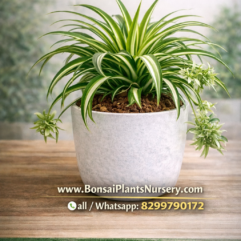 🌿 Spider Plant (Chlorophytum comosum) – Premium Indoor Air Purifying PlantSale!
 Bougainvillea Bonsai Plant – Live Flowering BonsaiSale!
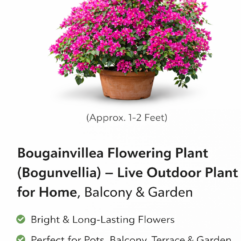 Bougainvillea Flowering Plant (Bogunvellia) – Live Outdoor Plant for Home, Balcony & GardenSale!