
🌱 Introduction
The Pear (Nashpati) is one of the most popular temperate fruits grown worldwide. Known for its sweet, juicy, and refreshing taste, it is also packed with essential nutrients like Vitamin C, potassium, dietary fiber, and antioxidants.
In India, pears are cultivated mostly in Himachal Pradesh, Jammu & Kashmir, Uttarakhand, Arunachal Pradesh, and other cold regions. Nowadays, with modern grafting techniques, pear trees can also be grown successfully in pots, terrace gardens, and backyards.
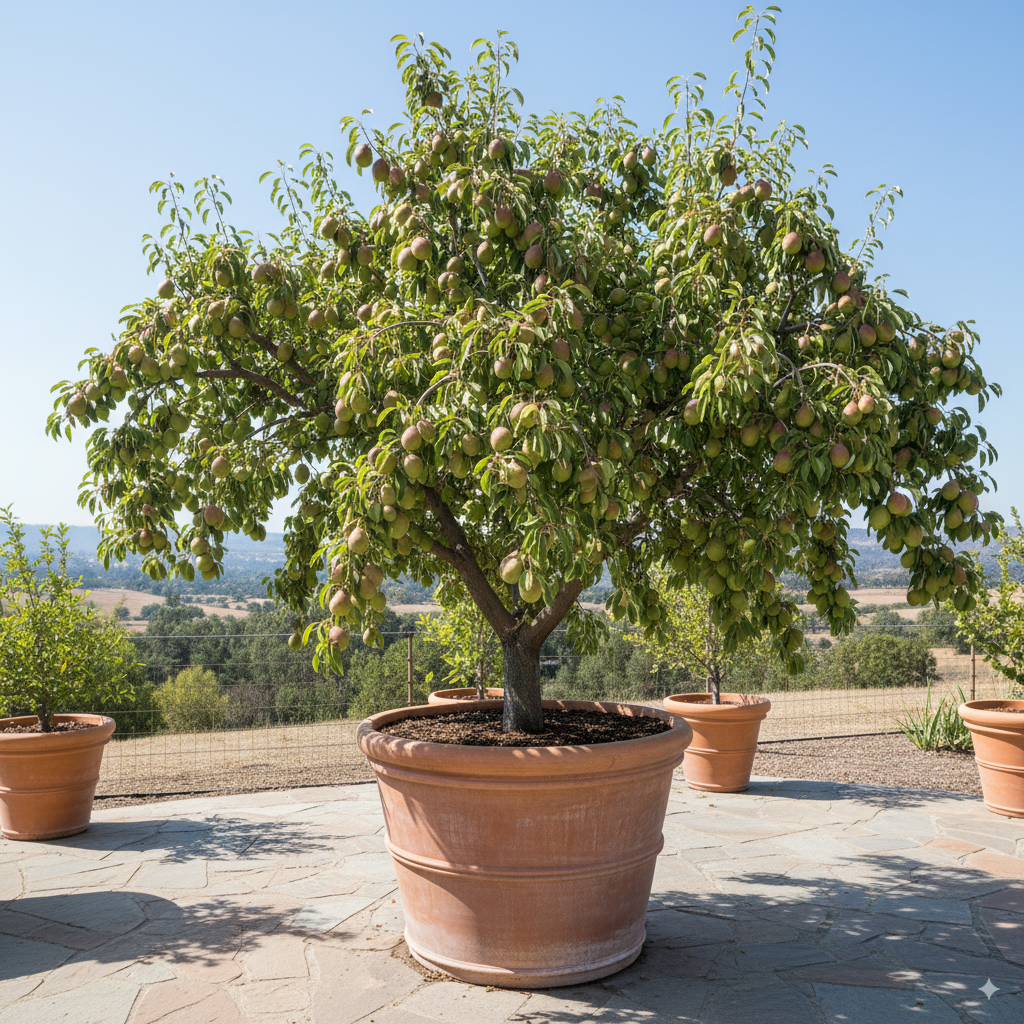
With proper planting methods and scientific care, you can enjoy abundant and high-quality pears even in limited spaces.
This article covers:
-
Step-by-step plantation guide for pear plants
-
Growing in pots vs. garden/fields
-
Soil, watering, fertilizer, and sunlight needs
-
Pruning and pollination management
-
Tips for boosting fruit yield
-
Pest and disease control
-
Health and Vastu benefits of pears
🪴 Plantation Method for Pear Trees
✔ Suitable Climate & Location
-
Pears grow best in temperate and cold climates.
-
Ideal temperature: 5°C – 25°C.
-
Require chilling hours during winter for proper flowering.
-
Select a location with 6–8 hours of direct sunlight daily.
✔ Choosing Container or Field Space
-
Pot Plantation: Use a 20–24 inch deep and wide pot/drum with drainage holes.
-
Field Plantation: Maintain 12–15 feet spacing between plants.
✔ Soil Preparation
Pear trees prefer well-drained sandy loam soil.
Soil Mix for Pots:
-
40% garden soil
-
30% cow dung compost or vermicompost
-
20% river sand
-
10% leaf compost/cocopeat
-
100 g neem cake powder (to prevent soil pests)
✔ Planting Steps
-
Dig a pit (2×2×2 ft) in the garden or prepare your pot.
-
Fill with prepared soil mixture.
-
Place a grafted pear plant (not seedling) in the center.
-
Cover roots gently, water lightly, and support the plant with a stick.
💧 Watering Schedule
-
First Year: Water every 3–4 days.
-
Established Plant: Water once a week in normal conditions.
-
During Fruiting: Maintain consistent soil moisture but avoid waterlogging.
⚠ Excess water causes root rot. Ensure proper drainage in pots.
🌿 Fertilization & Nutrition
| Season | Fertilizer | Purpose |
|---|---|---|
| Every 2 months | 2–3 kg compost/vermicompost | Soil fertility |
| March–April | 50 g bone meal + neem cake | Root strengthening |
| July–August | 100 g urea + 100 g DAP | Vegetative growth |
| Oct–Nov | 150 g potash + micronutrient spray | Better flowering & fruit set |
👉 Potassium and Boron are essential for fruit size, sweetness, and reduced fruit drop.
🌞 Sunlight & Temperature
-
Pear trees require full sun exposure for at least 6–8 hours.
-
Best suited for regions with cold winters and mild summers.
-
Can adapt to pots in plains with proper care.
✂️ Pruning & Maintenance
-
Prune annually during winter to remove dry, diseased, or weak branches.
-
Train the tree to an open vase shape for better sunlight and airflow.
-
Thin extra branches before flowering so energy goes into fruiting.
🌸 Pollination & Fruiting
-
Pear trees mostly need cross-pollination for better fruit yield.
-
Plant at least two different varieties nearby.
-
Honeybees are natural pollinators.
-
In small gardens/pots, hand pollination using a soft brush ensures fruit set.
🍎 Tips to Maximize Pear Yield
-
Always plant grafted pear trees (they fruit in 3–4 years).
-
Re-pot container plants every 2–3 years with fresh soil.
-
Spray potash and boron during flowering.
-
Use neem oil spray to control pests.
-
Perform fruit thinning to ensure larger and sweeter pears.
-
Provide adequate chilling in winter (or simulate by placing in cooler conditions in plains).
🐛 Pest & Disease Management
| Problem | Symptoms | Solution |
|---|---|---|
| Leaf Spot | Brown/black patches on leaves | Spray copper oxychloride |
| Aphids | Curled, sticky leaves | Soap water/neem oil spray |
| Fruit Drop | Flowers/young fruits falling | Boron & zinc sprays |
| Root Rot | Yellow leaves, weak growth | Improve drainage, apply Trichoderma |
🌟 Health Benefits of Pears
-
Boosts immunity due to Vitamin C.
-
Aids digestion with high fiber content.
-
Helps regulate blood pressure.
-
Good for diabetes patients (low GI fruit).
-
Improves skin glow and hair health.
-
Prevents heart diseases with antioxidants.
🏡 Vastu Benefits of Pear Tree
-
Planting pear tree in north or east direction is considered auspicious.
-
Brings prosperity, health, and harmony to the family.
📊 Quick Pear Care Guide
| Stage | Care | Tips |
|---|---|---|
| Plantation | 12–15 ft spacing / 20–24 inch pot | Use grafted plant |
| Watering | 3–4 days (young), weekly (mature) | Avoid waterlogging |
| Fertilization | Compost every 2 months, NPK seasonally | Potash & boron vital |
| Sunlight | 6–8 hrs daily | Open sunny spot |
| Fruiting | 3–4 years (grafted) | Hand pollination in pots |
❓ FAQs on Pear Plants
Q1: Can pears be grown in pots?
✔ Yes, with a large pot (20–24 inches), grafted pear plants grow well.
Q2: How long does it take for pears to fruit?
✔ Grafted plants start fruiting in 3–4 years.
Q3: Which fertilizer is best for pears?
✔ Organic compost, potash, and boron sprays during flowering.
Q4: How many years do pear trees live?
✔ With care, pear trees produce fruits for 25–30 years.
Q5: Is pear farming profitable in India?
✔ Yes, especially in Himachal, Kashmir, and Uttarakhand.
🎯 Conclusion
Pears are a delicious and nutritious fruit that can be grown both in gardens and pots with the right techniques. With proper soil mix, sunlight, pruning, fertilization, and pollination, you can enjoy abundant pear harvests at home.
Whether for commercial farming in cold regions or home gardening in pots, pear trees are rewarding and bring both health and prosperity.