Posted on Leave a comment

दिसंबर में बागवानी कैसे करें: अपने गार्डन को हरा-भरा और सुंदर रखने के 25 ज़रूरी उपाय

दिसंबर में बागवानी कैसे करें: अपने गार्डन को हरा-भरा और सुंदर रखने के 25 ज़रूरी उपाय

दिसंबर का महीना सर्दियों का चरम समय होता है। इस समय पौधे ठंड से प्रभावित होते हैं और उनकी ग्रोथ कम हो जाती है। सही देखभाल से आपका बगीचा सर्दियों में भी हरा-भरा और आकर्षक बना रह सकता है। यहाँ आपके लिए दिसंबर माह की पूरी बागवानी गाइड दी गई है।
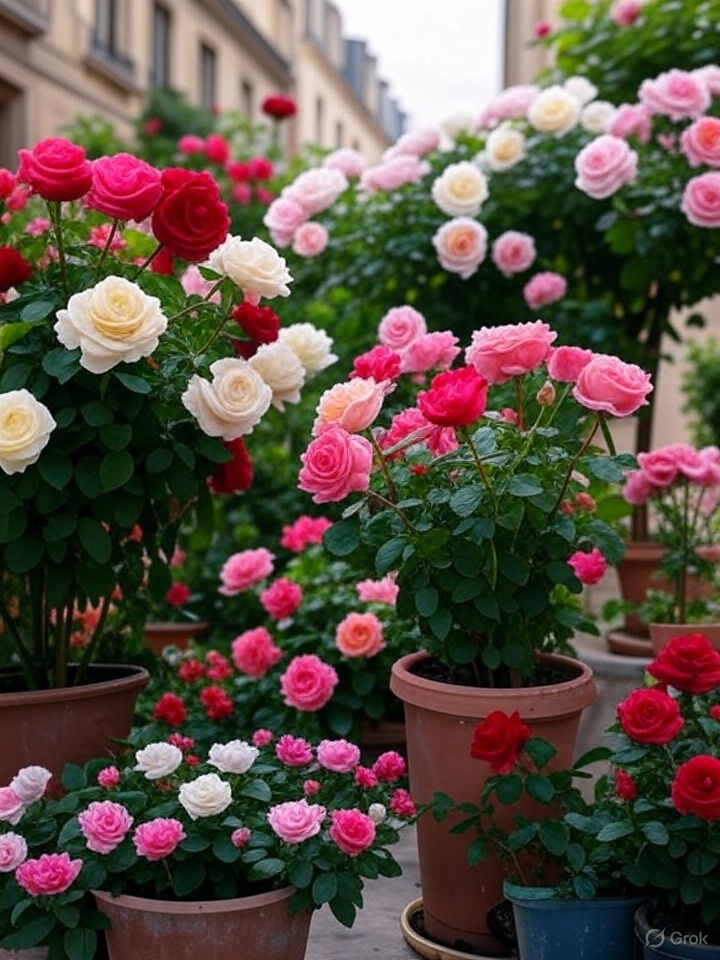
गुलाब के पौधे से ढेर सारे फूल प्राप्त करने की स्टेप बाय स्टेप प्रक्रिया

⭐ 1. दिसंबर में बागवानी की जरूरत क्यों बदल जाती है?

  • तापमान 4–15°C तक जाता है

  • मिट्टी ठंडी होकर सख्त हो जाती है

  • पौधों की जड़ें पानी कम सोखती हैं

  • धूप धीमी और छोटी अवधि की होती है

  • पाला (Frost) गिरने से पत्तियाँ जल सकती हैं


⭐ 2. दिसंबर में लगाने योग्य पौधे

✓ सब्जियाँ

  • मटर

  • गाजर

  • पालक

  • गोभी

  • धनिया

✓ सर्दियों के फूल

  • गुलदाउदी

  • मैरीगोल्ड

  • पेटूनिया

  • डेहलिया

  • पैंसी

✓ इनडोर पौधे

  • स्नेक प्लांट

  • ZZ प्लांट

  • मनी प्लांट

  • रबर प्लांट


⭐ 3. सर्दियों में पौधों को पानी कैसे दें?

✓ पानी कब दें?

  • सुबह 9–11 बजे

  • शाम को कभी न दें

✓ पानी कितनी बार दें?

  • गमले → हर 4–6 दिन

  • जमीन → हर 7–10 दिन

✓ ध्यान रखें

  • मिट्टी की ऊपरी 2 इंच सूखने पर ही पानी दें

  • पत्तियों पर पानी न गिराएँ


⭐ 4. दिसंबर में खाद देने का सही तरीका

✓ कौन-सी खाद दें?

  • वर्मी कम्पोस्ट

  • नीम खली

  • बोन मील

  • seaweed लिक्विड

✓ कौन सी खाद न डालें?

  • ताज़ा गोबर

  • भारी NPK

  • DAP


⭐ 5. सर्दियों में पौधों को ठंड से कैसे बचाएँ?

  • पौधों को टाट/गननी बैग से ढकें

  • गमलों को जमीन से ऊपर लकड़ी/ईंट पर रखें

  • सुबह वाली धूप सबसे जरूरी है

  • मल्चिंग जरूर करें (सूखे पत्ते, भूसा, नारियल की भूसी)


⭐ 6. सर्दियों की आम गलतियाँ — जिन्हें तुरंत रोकें

  • अत्यधिक पानी देना

  • रात में पानी देना

  • बहुत भारी खाद डालना

  • पौधों को बार-बार इधर-उधर रखना

  • पत्तियों पर ठंडे पानी से स्प्रे करना


⭐ 7. दिसंबर में पेस्ट और फंगल नियंत्रण

✓ आम कीट

  • व्हाइट फ्लाई

  • मिलीबग

  • एफिड्स

✓ समाधान

  • नीम तेल (5 ml/1 L पानी)

  • साबुन पानी स्प्रे

  • दालचीनी पाउडर (फंगल रोकथाम)


⭐ 8. मिट्टी की केयर (Soil Care)

  • हर 10–15 दिन में मिट्टी हल्की ढीली करें

  • मल्चिंग करें

  • नीम पाउडर या वर्मी कम्पोस्ट मिलाएँ


⭐ 9. गार्डन डेकोरेशन टिप्स (Winter Beautification)

  • रंगीन विंटर फ्लावर लगाएँ

  • गार्डन पाथवे पर सफाई रखें

  • warm-yellow गार्डन लाइट्स लगाएँ

  • लॉन की हल्की कटिंग करें


⭐ 10. दिसंबर में छँटाई (Pruning Tips)

✓ हल्की छँटाई करें

  • गुलाब

  • बोगनविलिया

  • मनी प्लांट

  • जसभर

✓ इन पौधों की छँटाई न करें

  • सुकोलेंट

  • कैक्टस


⭐ 11. दिसंबर में घर के अंदर रखने योग्य पौधे

  • स्नेक प्लांट

  • ZZ प्लांट

  • पीस लिली

  • पोथोस

  • एग्लोनिमा


⭐ 12. दिसंबर में नए पौधे लगाने का सही समय

सब्जियाँ

1–15 दिसंबर

फूल

1–20 दिसंबर

फलदार पौधे

नींबू, अमरूद, अनार (हल्की सर्दी वाले क्षेत्र)


⭐ 13. इनडोर गार्डन की देखभाल (Indoor Plant Care)

  • पौधों को खिड़की के पास रखें

  • ठंडी हवा वाली जगह से बचाएँ

  • पत्तियों को सप्ताह में 2 बार साफ करें

  • पानी बहुत कम दें


⭐ 14. बालकनी/टेरेस गार्डन के लिए विशेष सुझाव

  • पौधों को क्लस्टर में रखें → तापमान स्थिर रहता है

  • छोटे गमलों में मल्चिंग जरूर करें

  • बहुत ठंडी रात में पौधों को अंदर ले आएँ

  • भारी हवा वाले कोनों से बचाएँ


⭐ 15. पौधा खरीदते समय ध्यान रखें

  • पत्तियाँ चमकीली और स्वस्थ हों

  • तने पर दाग न हों

  • मिट्टी बहुत गीली न हो

  • जड़ें बाहर न निकल रही हों


⭐ 16. दिसंबर का पूरा 30-दिन का बागवानी कैलेंडर

Day 1–5

  • मिट्टी तैयार करें

  • नए फूल लगाएँ

Day 6–10

  • मल्चिंग करें

  • Frost Protection सेट करें

Day 11–15

  • Seaweed स्प्रे करें

  • पत्तियाँ साफ करें

Day 16–20

  • हल्की छँटाई

  • लॉन ट्रिम

Day 21–25

  • कीट नियंत्रण स्प्रे

  • गमलों की जांच

Day 26–30

  • कम पानी

  • इनडोर पौधों को धूप दें


⭐ निष्कर्ष

दिसंबर में बागवानी करते समय पानी, धूप, तापमान और मिट्टी पर थोड़ा-सा ध्यान देने से पूरा बगीचा सर्दियों में भी ताज़ा और खूबसूरत बना रह सकता है।
अगर आप ऊपर बताई सभी तकनीकों का पालन करते हैं, तो आपका गार्डन दिसंबर में भी शानदार और हरा-भरा दिखाई देगा।

गुलाब के पौधे से ढेर सारे फूल प्राप्त करने की स्टेप बाय स्टेप प्रक्रिया

 

Posted on Leave a comment

🌳 10 Reasons Why African Mahogany is Being Called the “Green Gold” of the Future

Introduction – Why African Mahogany is Emerging as the Next Big Timber Revolution

Across India and many countries, one tree is rapidly rising in popularity—African Mahogany.
Known scientifically as Khaya senegalensis or Khaya ivorensis, this tree is becoming a game-changer for farmers, wood industries, agroforestry investors, and commercial plantation developers.

African Mahogany is being hailed as “The Green Gold of the Future” due to:

  • its high-quality hardwood,

  • exceptionally fast growth,

  • strong demand in domestic & global markets,

  • suitability to Indian climate,

  • and extremely high returns on investment.

In this long-form, deeply researched guide, we will explore the top 10 strongest reasons why African Mahogany is considered the most profitable timber tree of the coming decades.

Plant African Mahogany – Earn Lakhs in 10 Years

Let’s dive in.


Reason 1 – One of the Fastest-Growing Premium Hardwood Trees

Growth speed is the backbone of profitable forestry.
African Mahogany offers exceptional speed, especially in its early years.

📌 Growth Statistics

  • 2–3 meters height increase every year during the first 3–4 years

  • 30–40 cm girth within 7–10 years

  • 1 meter or more trunk girth by 15–18 years

  • Final height reaches 60–90 feet

📌 Comparison with Teak

Teak usually takes 20–25 years to mature.
African Mahogany matures in 12–15 years, cutting almost half the waiting period.

👉 Faster maturity = Faster profits = Faster return on investment.
This is one of the biggest reasons it is called Green Gold.


Reason 2 – Highly Valued, Premium-Quality Hardwood

African Mahogany produces hardwood that is:

  • dense

  • durable

  • reddish-brown

  • termite-resistant

  • moisture-resistant

  • straight-grained

  • aesthetically attractive

It is counted among the finest luxury woods worldwide.

📌 Major Applications

  • Premium furniture

  • Doors & windows

  • Wardrobe & interior panels

  • Wooden flooring

  • Hotel & resort interiors

  • Sculptures & decorative products

  • Kitchen cabinets

  • Musical instruments

  • Boat building

  • Veneer manufacturing

The market never stops demanding high-quality hardwood.
This makes African Mahogany a stable, long-term investment tree.


Reason 3 – Rapidly Growing Demand in the Indian Market

In the last 5–7 years, furniture manufacturers, interior designers, and wood traders across India have started shifting toward African Mahogany due to its:

  • durability

  • faster availability

  • lower cost compared to teak

  • excellent finishing quality

📌 Present Market Price (India)

  • Raw logs: ₹1,500 – ₹2,800 per cubic foot

  • Sawn timber: ₹3,500 – ₹6,000 per cubic foot

  • Veneer: ₹60 – ₹120 per sq. ft

Furniture companies prefer African Mahogany because:

  • it takes polish & paint extremely well

  • it provides a high-end luxury finish

  • it has uniform density and stability

  • it is more affordable than teak

👉 Demand is skyrocketing, and supply is still limited.
That’s why prices are rising every year.


Reason 4 – Exceptional Return on Investment (ROI) in Just 12–15 Years

African Mahogany is one of the highest earning trees a farmer can grow.

📌 Plantation Density

  • 250–300 trees per acre

  • Spacing: 10×10 ft or 12×12 ft

📌 Investment

Total plantation cost per acre (one-time):

  • ₹35,000 – ₹50,000

📌 Returns

An average African Mahogany tree yields:

  • 8–15 cubic feet of timber

  • Timber value per tree: ₹35,000 – ₹70,000

📌 Per Acre Profit

If 250 trees mature successfully:

250 × ₹40,000 = ₹1,00,00,000 (1 Crore Rupees per acre)
(Estimated after 12–15 years)

No other hardwood plantation gives such a high return in such a short time.

👉 High ROI + Low risk = Best long-term investment for farmers.


Reason 5 – Excellent for Agroforestry and Intercropping

Farmers can grow crops along with African Mahogany during the early years because its canopy remains small for 4–5 years.

This makes it an ideal agroforestry tree.

📌 Best Intercrops

  • Turmeric

  • Ginger

  • Lemongrass

  • Vegetables

  • Moringa

  • Tulsi

  • Fodder crops

  • Stevia

  • Cowpea

  • Medicinal herbs

Intercropping provides:

  • yearly income

  • soil improvement

  • moisture retention

  • maximum land utilization

👉 African Mahogany ensures dual income:
short-term crop income + long-term timber income.


Reason 6 – Thrives in Almost Every Indian Climate Zone

African Mahogany is highly adaptable.

📌 Suitable Indian States

  • Uttar Pradesh

  • Bihar

  • Madhya Pradesh

  • Maharashtra

  • Karnataka

  • Telangana

  • Andhra Pradesh

  • Tamil Nadu

  • Odisha

  • West Bengal

📌 Soil Requirements

  • Black soil

  • Red soil

  • Alluvial soil

  • Loamy soil

  • Sandy-loam soil

  • Soil pH: 6.0 to 7.5

📌 Climate

  • Tolerates drought

  • Performs well in humid areas

  • Ideal rainfall: 800–2000 mm

👉 Its adaptability ensures a very high survival rate, even with minimal care.


Reason 7 – Very Low Risk of Pests and Diseases

Where other trees like Eucalyptus, Poplar or Subabul often face pest and fungal issues, African Mahogany naturally resists many common problems.

📌 Natural Resistance

  • termite resistance

  • fungal resistance

  • stem-borer resistance

  • leaf spot is rare

  • no excessive disease management required

This reduces:

  • maintenance cost

  • need for pesticides

  • plantation losses

👉 Low maintenance = Higher profit margin.


Reason 8 – Very High Export Demand

African Mahogany is one of the most traded hardwoods in the global market.

Countries like:

  • USA

  • UK

  • Germany

  • France

  • UAE

  • China

  • Japan

import tons of Mahogany every year.

📌 Main Export Uses

  • luxury furniture

  • interior wood panels

  • yacht interiors

  • decorative veneering

  • musical instruments

Export demand is increasing significantly because teak supply is limited and very costly.

👉 Farmers growing African Mahogany benefit from global timber scarcity and rising demand.


Reason 9 – Environmental Benefits + Carbon Credit Income

African Mahogany absorbs a large amount of carbon dioxide due to its rapid growth rate.

It contributes to:

  • reducing carbon emissions

  • improving soil fertility

  • creating biodiversity

  • enhancing groundwater recharge

📌 Carbon Credit Earnings

Each tree generates:

  • 0.3–0.5 carbon credits annually

  • Carbon credit price: ₹600–₹1,200 each

Farmers with large plantations can earn additional income.

👉 This makes African Mahogany not only profitable but also environment-friendly.


Reason 10 – A Perfect Future Alternative to Teak

Teak (Sagwan) is world-famous but:

  • slow-growing

  • expensive

  • limited supply

  • high maintenance

  • requires 20–25 years to mature

African Mahogany offers almost all the benefits of teak, but grows twice as fast.

📌 Advantages Over Teak

  • faster growth

  • highly durable hardwood

  • excellent finishing

  • lower cost of plantation

  • quicker harvesting

  • strong global demand

Furniture & interior industries are already shifting from teak to mahogany.

👉 All these reasons make African Mahogany the Future King of Timber.


🌟 Conclusion – Is African Mahogany Truly the “Green Gold” of the Future?

Absolutely yes.

African Mahogany stands out due to:

  1. High-quality hardwood

  2. Fast growth rate

  3. Massive domestic & international demand

  4. Crore-level income per acre

  5. Low maintenance & high adaptability

  6. Perfect for agroforestry

  7. Suitable for all Indian states

  8. Strong export market

  9. Carbon credit benefits

  10. Replacement for teak

For farmers, it is one of the most profitable long-term investments.

For investors, it is a stable, future-proof asset.

For industries, it is a premium hardwood alternative.

👉 That is why African Mahogany is rightly called the “Green Gold” of the future.


📞 Need African Mahogany Plants for Plantation?

We supply high-quality African Mahogany plants across India.

✔ Healthy nursery-grown plants
✔ PAN-India delivery
✔ Bulk order supply
✔ Support for plantation guidance

📲 WhatsApp / Call: 8299790172

🌳 Plant African Mahogany on Vacant Land – Earn Lakhs in 10 Years

Posted on Leave a comment

10 कारण – African Mahogany को भविष्य का “ग्रीन गोल्ड” क्यों कहा जा रहा है? (भारतीय किसानों के लिए सबसे विस्तृत 5200+ शब्दों की पूरी मार्गदर्शिका)

परिचय – African Mahogany क्या है और यह इतना खास क्यों है?

आज भारत में यदि कोई पेड़ सबसे तेज़ी से लोकप्रिय हो रहा है, तो वह है — अफ़्रीकन महोगनी (अफ्रीकन महोगनी)
इसे वन-विज्ञान में खाया सिनेगालेन्सिस और खाया आइवोरेन्सिस जैसी प्रजातियों के नाम से भी जाना जाता है।

पिछले कुछ वर्षों में भारत, अफ्रीका, थाईलैंड, इंडोनेशिया और ऑस्ट्रेलिया सहित कई देशों में इस पेड़ की व्यावसायिक खेती में तेज़ी आई है।

इसकी तेज़ वृद्धि, उच्च गुणवत्ता की लकड़ी, बढ़ती बाज़ार माँग और कम समय में बेहतर कमाई के कारण इसे आज दुनिया भर में भविष्य का “ग्रीन गोल्ड” (हरा सोना) कहा जाता है।

इस विस्तृत लेख में हम जानेंगे कि आखिर यह पेड़ इतना खास क्यों है और भारत में इसे उगाना किसानों के लिए कितना फायदेमंद है।

Plant African Mahogany – Earn Lakhs in 10 Years

🌟 कारण 1 – अफ्रीकन महोगनी की वृद्धि गति बेहद तेज़ है

भारत में किसान ऐसे पेड़ चाहते हैं जो:

  • जल्दी बड़े हों,

  • जल्दी लकड़ी दें,

  • और खेती में कम समय लगाएँ।

अफ्रीकन महोगनी इस मामले में बिल्कुल सही पेड़ है।

✔ औसत वृद्धि

  • पहले 3–4 साल में 2 से 3 मीटर तक ऊँचाई

  • 7–10 साल में 30–40 सेंटीमीटर तना मोटाई

  • 15–18 साल में 1 मीटर से अधिक तना मोटाई

  • कुल ऊँचाई 60–90 फीट तक

✔ यह सागौन (टीक) से तेज़ क्यों बढ़ता है?

सागौन को 20–25 वर्ष लगते हैं,
जबकि अफ्रीकन महोगनी 12–15 वर्ष में ही तैयार हो जाता है।

यानी निवेश जल्दी वापस, कम समय में लकड़ी तैयार।

👉 यही इसे भविष्य का “ग्रीन गोल्ड’’ बनाता है।


🌟 कारण 2 – अफ्रीकन महोगनी की लकड़ी अत्यधिक मूल्यवान और टिकाऊ होती है

महोगनी लकड़ी दुनिया भर में लकड़ी की सर्वोच्च श्रेणी में गिनी जाती है।

इसकी विशेषताएँ:

  • मजबूत, घनी और टिकाऊ

  • दीमक और फंगस से स्वाभाविक रूप से सुरक्षित

  • लाल-भूरे रंग का आकर्षक रूप

  • सीधी और सुंदर लकड़ी की लहरदार बनावट

  • अनेक वर्षों तक खराब न होने वाली गुणवत्ता

✔ उपयोग

  • महँगे फर्नीचर

  • दरवाज़े और खिड़कियाँ

  • शोपीस और सजावटी वस्तुएँ

  • रसोई के कैबिनेट

  • होटल और रिसॉर्ट का इंटीरियर

  • संगीत वाद्ययंत्र

  • जहाज़ों के डेक

महोगनी लकड़ी की कीमतें भारत में लगातार बढ़ रही हैं।

👉 जहाँ भी प्रीमियम लकड़ी की मांग होगी, महोगनी वहाँ हमेशा चमकेगी।


🌟 कारण 3 – भारत में इसकी बाज़ार माँग तेज़ी से बढ़ रही है

भारत में पिछले 5–7 वर्षों में अफ्रीकन महोगनी की मांग तेजी से बढ़ी है।

इसका मुख्य कारण है:

  • बढ़ता हुआ निर्माण कार्य

  • लक्ज़री फर्नीचर उद्योग

  • इंटीरियर डिज़ाइन और लकड़ी आधारित उद्योगों का विस्तार

  • विदेशों में बढ़ती मांग

✔ लकड़ी का बाज़ार भाव

  • कच्चा लट्ठा: ₹1,500 – ₹2,800 प्रति घन फीट

  • तैयार तख्ते: ₹3,500 – ₹6,000 प्रति घन फीट

  • सजावटी परत (वीनीयर): ₹60 – ₹120 प्रति वर्ग फीट

कई कंपनियाँ टीक (सागौन) के बजाय महोगनी को बेहतर विकल्प मान रही हैं।

👉 यानी मांग बढ़ने से किसानों को बिक्री में कोई समस्या नहीं होती।


🌟 कारण 4 – 12–15 वर्षों में करोड़ों तक की कमाई का सामर्थ्य

अफ्रीकन महोगनी की खेती को सबसे अधिक लाभदायक इसलिए कहा जाता है क्योंकि यह कम समय में असाधारण कमाई देता है।

✔ प्रति एकड़ पौधे

  • 250 से 300 पौधे (12×12 फीट दूरी पर)

✔ लागत

  • लगभग ₹35,000 – ₹50,000 केवल एक बार में

✔ प्रति पेड़ लकड़ी

  • 8 से 15 घन फीट

  • प्रति पेड़ कमाई: ₹35,000 – ₹70,000 या उससे अधिक

✔ औसत एकड़ कमाई

यदि 250 पौधे सफल मानें:

250 × ₹40,000 = ₹1,00,00,000 (1 करोड़ रुपये तक)

और यह सब 12–15 वर्षों में।

👉 किसी भी किसान के लिए यह निवेश पर सबसे अधिक लाभ (ROI) देने वाला पेड़ साबित हो सकता है।


🌟 कारण 5 – अंतरफसली खेती में सर्वश्रेष्ठ विकल्प (Agroforestry)

अफ्रीकन महोगनी की छाया शुरुआत के वर्षों में कम होती है,
इसलिए किसान इसके नीचे कई फसलें उगा सकते हैं।

✔ उपयुक्त अंतरफसलें

  • हल्दी

  • अदरक

  • लेमनग्रास

  • सब्जियाँ

  • सहजन (मोरिंगा)

  • पशुपालन और चारे की फसलें

  • मेंहदी

  • तुलसी

  • अरहर

इससे किसान को हर साल अतिरिक्त आय मिलती रहती है।

👉 एक ही खेत से दोहरी आमदनी — यही इसकी सबसे बड़ी ताकत है।


🌟 कारण 6 – भारत की जलवायु में खुद को आसानी से ढाल लेता है

यह पेड़ गर्म और नम दोनों प्रकार के मौसम में बहुत अच्छा बढ़ता है।

✔ जहाँ-जहाँ इसकी खेती सफल है

  • उत्तर प्रदेश

  • बिहार

  • मध्य प्रदेश

  • झारखंड

  • महाराष्ट्र

  • कर्नाटक

  • तेलंगाना

  • आंध्र प्रदेश

  • तमिलनाडु

  • ओडिशा

  • पश्चिम बंगाल

✔ मिट्टी

  • काली, लाल, दोमट या बलुई – सभी उपयुक्त

  • पीएच 6.5 से 7.5 आदर्श

✔ पानी

  • 800–2000 मि.मी. वर्षा क्षेत्र वाले इलाक़े आदर्श

अफ्रीकन महोगनी सूखा भी सह सकता है और ज्यादा बारिश में भी अच्छा पनपता है।

👉 यानी इसे भारत के किसी भी कोने में उगाया जा सकता है।


🌟 कारण 7 – रोग और कीटों का कम खतरा

कई पेड़ों जैसे नीलगिरी, सफेदा, पॉपलर आदि में कीट हमलों की समस्या रहती है।

परंतु अफ्रीकन महोगनी में:

  • दीमक का हमला बहुत कम

  • फफूंद समस्याएँ कम

  • पत्तियों में सड़न की समस्या न के बराबर

  • तने में छेद करने वाले कीड़े नहीं पनपते

इससे रखरखाव बहुत कम होता है।

👉 किसान को अतिरिक्त खर्च और परेशानी दोनों से राहत मिलती है।


🌟 कारण 8 – विदेशों में अत्यधिक मांग (निर्यात मूल्य बहुत अधिक)

अफ्रीका और एशिया के कई देशों में महोगनी लकड़ी का निर्यात करोड़ों में चलता है।
यूरोप, अमेरिका और खाड़ी देशों में इसकी मांग लगातार बढ़ रही है।

✔ मुख्य निर्यात उपयोग

  • महँगे फर्नीचर

  • सजावटी उत्पाद

  • जहाज़

  • लक्ज़री इंटीरियर

  • संगीत वाद्ययंत्र

कई भारतीय व्यापारियों ने अब महोगनी की लकड़ी के निर्यात पर ध्यान देना शुरू कर दिया है।

👉 किसान को घरेलू ही नहीं, विदेशी बाज़ार से भी कमाई हो सकती है।


🌟 कारण 9 – पर्यावरण के लिए अत्यंत लाभकारी (कार्बन क्रेडिट आय)

कार्बन क्रेडिट आज एक बड़ी आय का स्रोत बन चुके हैं।
तेज़ी से बढ़ने वाले पेड़ अधिक कार्बन पकड़ते हैं और इसके बदले किसान को भुगतान मिलता है।

अफ्रीकन महोगनी:

  • बहुत कार्बन अवशोषित करता है

  • पर्यावरण को साफ़ करता है

  • मिट्टी की गुणवत्ता सुधारता है

✔ कार्बन क्रेडिट कमाई

  • प्रति पेड़ प्रति वर्ष 0.3–0.5 क्रेडिट

  • एक क्रेडिट का अंतरराष्ट्रीय मूल्य ₹600–₹1200 तक

👉 बड़े खेत में हजारों पेड़ लगाकर किसान अलग से आय कमा सकते हैं।


🌟 कारण 10 – भविष्य में सागौन (टीक) का सबसे मजबूत विकल्प

सागौन की प्रमुख समस्या यह है कि:

  • यह धीरे बढ़ता है

  • देखभाल अधिक चाहिए

  • दाम बहुत अधिक

  • उपलब्धता कम

इसके विपरीत, अफ्रीकन महोगनी—

  • जल्दी बढ़ता है

  • कम देखभाल चाहता है

  • मजबूत लकड़ी देता है

  • सागौन जैसा ही प्रीमियम लुक

  • सस्ती और बेहतर विकल्प

फर्नीचर उद्योग अब तेजी से महोगनी की तरफ बढ़ रहा है।

👉 इसलिए इसे भविष्य का “ग्रीन गोल्ड’’ कहा जा रहा है।


🟢 निष्कर्ष – क्या अफ्रीकन महोगनी सच में ‘ग्रीन गोल्ड’ है?

पूरी तरह हाँ।

इसके 5 मुख्य कारण:

  1. तेज़ी से बढ़ने वाला पेड़

  2. प्रीमियम गुणवत्ता की लकड़ी

  3. घरेलू और विदेशी दोनों बाज़ारों में भारी मांग

  4. 1 एकड़ से 1 करोड़ तक कमाई

  5. कम देखभाल और रोग प्रतिरोधक क्षमता

यदि कोई किसान भविष्य के लिए सुरक्षित निवेश करना चाहता है, तो अफ्रीकन महोगनी सबसे श्रेष्ठ विकल्पों में से एक है।


🌱 यदि आपको अफ्रीकन महोगनी के उच्च गुणवत्ता वाले पौधे चाहिए

हम आपकी नर्सरी से पूरे भारत में पौधे भेजते हैं।

✔ स्वस्थ और बड़े आकार के पौधे
✔ खेत, फार्म और बड़े पैमाने पर ऑर्डर उपलब्ध
✔ सुरक्षित पैकिंग और परिवहन
✔ सभी राज्यों में डिलीवरी

📞 संपर्क / व्हाट्सऐप: 8299790172
(आप सीधे इस नंबर पर संदेश भेज सकते हैं)

🌳 खाली ज़मीन पर अफ्रीकन महोगनी लगाएं – 10 साल में लाखों कमाएं


Posted on Leave a comment

मेलिया डबिया (Melia Dubia / Malabar Neem) की व्यावसायिक खेती से लाखों रुपए कमाएँ

मेलिया डबिया (Melia Dubia / Malabar Neem) की व्यावसायिक खेती से लाखों रुपए कमाएँ

पूरी जानकारी: पौधा चयन, रोपण विधि, रख-रखाव, लागत, उपज और बिक्री

भारत में आजकल कृषि क्षेत्र में सबसे तेज़ी से बढ़ने वाले पेड़ों में से मेलिया डबिया (Malabar Neem / मेहगनी जैसा लेकिन तेज़ी से बढ़ने वाला) का नाम सबसे ऊपर आता है। यह पौधा केवल 4 से 6 साल में कटाई योग्य हो जाता है और इसका उपयोग फ़र्नीचर, प्लाईवुड, पेपर, पैकिंग बॉक्स, सरकारी व निजी निर्माण कार्यों, लकड़ी मिलों और फ़र्नीचर फैक्ट्रियों में बड़े पैमाने पर किया जाता है।

इसकी तेज़ ग्रोथ, कम पानी की जरूरत, कम रख-रखाव और तैयार लकड़ी की लगातार बढ़ती मार्केट डिमांड इसे एक सबसे अधिक लाभदायक व्यावसायिक पेड़ बनाती है।

Melia Dubia (Malabar Neem) Commercial Farming – Earn Lakhs in Just 4 Years

मेलिया डबिया क्या है?

विवरण जानकारी
वैज्ञानिक नाम Melia Dubia
सामान्य नाम Malabar Neem / मेलिया डबिया
प्रकृति तेज़ी से बढ़ने वाली व्यावसायिक लकड़ी
कटाई योग्य समय 4–6 वर्ष
उपयोग फर्नीचर, प्लाईवुड, बॉक्स, पेपर इंडस्ट्री
खासियत 6-10 गुना तेजी से बढ़ता है

मेलिया डबिया की खेती क्यों करें? (मुख्य फायदे)

✔ 4 से 6 साल में तैयार
✔ 100% मार्केट डिमांड
✔ कम पानी और कम खाद आवश्यकता
✔ रोग और कीट से लगभग सुरक्षित
✔ बिना रख-रखाव भी बढ़ता है
✔ खाली खेत या बंजर ज़मीन पर भी सफल
✔ प्लाईवुड इंडस्ट्री में बड़ी मांग
✔ सरकार द्वारा बढ़ावा और अनुदान की संभावना


जलवायु और मिट्टी की आवश्यकता

आवश्यकता विवरण
तापमान 18°C से 42°C
वर्षा 800 से 1800 mm
मिट्टी दोमट, लाल, रेतीली-दोमट
pH 6.0 से 7.5
नमी जल निकासी अच्छी होनी चाहिए

ध्यान रखें: पानी खड़ा नहीं होना चाहिए, जड़ें सड़ सकती हैं।


खेती के लिए उपयुक्त पौधों का चयन

पौधों का प्रकार विशेषता सलाह
Tissue Culture Melia Dubia तेजी से बढ़ते, एक समान ऊंचाई सर्वश्रेष्ठ
Grafted / Clone Plants मजबूत जड़ें, रोग प्रतिरोधी अच्छा विकल्प
स्थानीय बीज वाले पौधे असमान ग्रोथ, कम उपज इस्तेमाल ना करें

बोंसाई प्लांट नर्सरी (Bonsaiplantsnursery.com) पर
उच्च गुणवत्ता वाले Melia Dubia Tissue Culture Plants उपलब्ध
Call/WhatsApp: 8299790172


एक एकड़ में पौधों की संख्या और दूरी

दूरी प्रति एकड़ पौधे परिणाम
10 ft × 10 ft 450–500 पौधे सबसे लोकप्रिय
12 ft × 12 ft 300–350 पौधे लकड़ी का आकार बड़ा
8 ft × 8 ft 600–700 पौधे High Density Farming

भूमि की तैयारी

  1. खेत की गहरी जुताई करें

  2. कंकर, घास और झाड़ियों को हटाएँ

  3. जल निकासी की उचित व्यवस्था करें

  4. फिर हल्की जुताई करके मिट्टी भुरभुरी बनाई जाए


गड्ढों की खुदाई और भराई

गड्ढे का आकार:

1 ft x 1 ft x 1 ft

गड्ढे की भराई में मिलाएँ:

सामग्री मात्रा
गोबर खाद / वर्मी कम्पोस्ट 5 kg
नीमखली 100–150 gm
ट्राइकोडर्मा 50 gm
रेत (यदि मिट्टी भारी है) 10–15%

रोपाई का सही समय

सीजन उपयुक्तता
वर्षा ऋतु (जुलाई–अगस्त) सबसे अच्छा
बसंत ऋतु अच्छा
गर्मी और सर्दी टालें

सिंचाई प्रबंधन

समय पानी
रोपाई के 1 महीने तक हर 4–5 दिन में
बाद में केवल गर्मियों में
बारिश वाले क्षेत्र सिंचाई की आवश्यकता नहीं

ड्रिप सिंचाई होने पर पौधा 30–50% तेजी से बढ़ता है।


खाद एवं पोषण प्रबंधन

समय खाद की मात्रा
रोपाई के समय 5-10 kg जैविक खाद प्रति पौधा
हर 6 महीने 2–3 kg कम्पोस्ट
प्रति वर्ष NPK 100–200 gm + सूक्ष्म पोषक

कुल 4 साल में पेड़ कितना बढ़ता है?

वर्ष ऊँचाई मोटाई (Circumference)
1 वर्ष 7–12 ft 4–6 inch
2 वर्ष 15–20 ft 8–12 inch
3 वर्ष 25–35 ft 14–18 inch
4 वर्ष 35–50 ft 18–24+ inch

4 साल में एक पेड़ 30–60 cubic feet लकड़ी दे सकता है (मार्केट पर निर्भर)।


रोग व कीट प्रबंधन

मेलिया डबिया में रोग और कीट बहुत कम लगते हैं, फिर भी:

समस्या समाधान
दीमक क्लोरोपायरीफॉस या नीम तेल का छिड़काव
फफूंद ट्राइकोडर्मा + गोबर खाद
पत्तियाँ पीली होना सूक्ष्म पोषक तत्व + पानी नियंत्रण

कटाई और उपज

कटाई का समय:

4 से 5 वर्ष (व्यावसायिक उद्देश्य)

एक पेड़ की कीमत (4 साल में):

₹800 से ₹2,500+ प्रति पेड़
(गुणवत्ता, मोटाई और खरीदार पर निर्भर)


एक एकड़ में लागत और मुनाफा (4 साल का अनुमान)

लागत

खर्चा राशि (₹)
पौधे (500 × ₹20–60) ₹10,000 – ₹30,000
जुताई, श्रम, खाद ₹15,000 – ₹25,000
सिंचाई व रख-रखाव ₹5,000 – ₹15,000
कुल लागत ₹30,000 – ₹70,000 (एक बार)**

आय (4 साल बाद)

500 पौधे × ₹1,200 प्रति पौधा =
₹6,00,000 (6 लाख)

यदि लकड़ी का साइज़ बड़ा होता है:
500 पौधे × ₹2,500 प्रति पौधा =
₹12,50,000 (12.5 लाख)

सिर्फ 4 साल में!


कहाँ बेचें?

  • स्थानीय लकड़ी मिलें

  • प्लाईवुड फैक्ट्रियाँ

  • पेपर उद्योग

  • ऑनलाइन व थोक व्यापारी

  • अंतरराज्यीय लकड़ी व्यापार मंडी


उच्च गुणवत्ता वाले Melia Dubia पौधे उपलब्ध हैं

Bonsaiplantsnursery.com
✅ Tissue Culture & Clone Plants
✅ All India Delivery
✅ Full Plantation Guidance

📞 Call / WhatsApp: 8299790172


Melia Dubia Farming FAQs (Frequently Asked Questions)

Q1. Melia Dubia (Malabar Neem) की कटाई कितने साल में होती है?

उत्तर: Melia Dubia पौधे की कटाई सामान्यतः 4 से 6 वर्ष में की जा सकती है। यदि पौधा अच्छी भूमि, सिंचाई और खाद के साथ लगाया गया हो तो यह 4 साल में ही कटाई योग्य हो जाता है।


Q2. एक पेड़ से कितनी लकड़ी मिलती है?

उत्तर: 4 साल में एक पेड़ से लगभग 30–60 cubic feet लकड़ी प्राप्त हो सकती है। यह मिट्टी, देखरेख और पौधे की गुणवत्ता पर निर्भर करता है।


Q3. Melia Dubia की लकड़ी की मार्केट प्राइस क्या है?

उत्तर: इसकी कीमत क्षेत्र अनुसार बदलती है, परंतु आम तौर पर:

  • ₹800 से ₹2,500+ प्रति पेड़ (4 साल में)

  • बड़े आकार पर रेट और भी अधिक मिलता है।


Q4. Melia Dubia के पौधे कहाँ से खरीदें?

उत्तर: प्रमाणित Tissue Culture और Clone पौधे ही खरीदें।
Bonsaiplantsnursery.com पर उच्च गुणवत्ता वाले पौधे उपलब्ध हैं।
📞 Call/WhatsApp: 8299790172


Q5. क्या Melia Dubia को बहुत पानी चाहिए?

उत्तर: नहीं।
शुरुआत में 1–2 महीनों के लिए हल्की सिंचाई चाहिए।
इसके बाद यह बारिश के पानी पर भी बढ़ सकता है।


Q6. क्या यह पौधा रोगों और दीमक से प्रभावित होता है?

उत्तर: Melia Dubia की लकड़ी और जड़ें प्राकृतिक रूप से दीमक प्रतिरोधी होती हैं।
रोग बहुत कम लगते हैं, इसलिए यह कम रखरखाव वाला पेड़ है।


Q7. एक एकड़ में कितने पौधे लगाए जा सकते हैं?

उत्तर:
Spacing 10 ft × 10 ft रखने पर 450–500 पौधे लगाए जाते हैं।


Q8. क्या Melia Dubia खेती में सरकारी अनुमति चाहिए?

उत्तर:
नहीं।
यह पौधा Forest Act के अंतर्गत प्रतिबंधित वृक्षों में नहीं आता, इसलिए आप इसकी कटाई और बिक्री आसानी से कर सकते हैं।


Q9. क्या बंजर या कम उपजाऊ जमीन पर Melia Dubia लग सकता है?

उत्तर:
हाँ।
यह पेड़ कम उपजाऊ मिट्टी में भी तेजी से बढ़ जाता है, बस जल निकासी अच्छी होनी चाहिए।


Q10. क्या Melia Dubia को दूसरे फसलों के साथ भी लगाया जा सकता है?

उत्तर:
हाँ।
पहले 18–24 महीनों तक आप हल्की फसलें जैसे मूंग, उड़द, बाजरा, चारा आदि साथ में उगा सकते हैं।


सारांश (Conclusion)

यदि आपके पास खाली भूमि है और आप कम निवेश में जल्दी और निश्चित आय चाहते हैं, तो Melia Dubia की व्यावसायिक खेती आपके लिए एक बेहद लाभदायक कृषि व्यापार साबित हो सकती है।
सिर्फ 4 साल में 6 से 12 लाख+ तक का लाभ सिर्फ एक एकड़ में संभव है।


उच्च गुणवत्ता वाले Melia Dubia Tissue Culture पौधे उपलब्ध हैं

Bonsaiplantsnursery.com
📞 Call / WhatsApp: 8299790172
🚚 All India Delivery
🌱 100% High Survival Rate
🧑‍🌾 Free Plantation Guidance

प्रमुख व्यावसायिक पेड़: खाली प्लॉट या खेत में लगाकर कुछ वर्षों में अच्छा मुनाफा कमाने का सुनहरा अवसर

Posted on Leave a comment

Melia Dubia (Malabar Neem) Commercial Farming – Earn Lakhs in Just 4 Years

Melia Dubia (Malabar Neem) Commercial Farming – Earn Lakhs in Just 4 Years

Complete Guide: Plantation Method, Care, Irrigation, Pruning, Harvesting and Selling


Introduction

If you have vacant land and you are looking for a high-profit, low-maintenance agricultural business, then Melia Dubia (also known as Malabar Neem) is one of the fastest-growing and most income-generating trees you can cultivate.

This tree matures quickly, requires minimal care, grows well in different soil types, and has huge demand in the plywood, furniture, construction, packaging, and paper industries. The best part is that it is not restricted under forest laws, so its harvesting and selling are legally free and hassle-free.

Many farmers across India are earning 6 to 12+ lakhs per acre in just 4 years through Melia Dubia farming.

This article will explain everything step-by-step:

  • Benefits of Melia Dubia

  • Climate and soil requirements

  • Land preparation and spacing

  • Fertilizer and irrigation schedule

  • Pest and disease management

  • Expected yield and profit calculation

  • Wood market prices and buyers list

  • Complete business model to start farming successfully


What is Melia Dubia (Malabar Neem)?

Melia Dubia is a fast-growing deciduous timber tree belonging to the mahogany family.
It grows rapidly and forms straight cylindrical boles, making it ideal for timber production.

Melia Dubia (Malabar Neem) Commercial Farming – Earn Lakhs in Just 4 Years

Common Names:

Name Region
Melia Dubia Scientific/Common name
Malabar Neem South India
Sevanthi / Hebbevu Karnataka
Maha Neem / Kala Neem North India
Mahanim Eastern regions

Characteristics of Melia Dubia:

  • Can grow 25–40 feet in 3–4 years

  • Ready for harvesting in 4–6 years

  • Naturally resistant to termites

  • Grows well with minimal water

  • Strong demand in wood markets


Why Melia Dubia is a Profitable Crop?

Feature Advantage
Very fast growth Ready for cutting in just 4 years
High survival rate Adapts to almost all climates
Strong market demand Used in plywood, packing & furniture
No government restrictions Free harvesting and selling
Low maintenance Minimal fertilizers and irrigation required

This makes it suitable for:

  • Farmers

  • Plantation business investors

  • Real estate land developers

  • Agri entrepreneurs


Climate & Soil Requirements

Climate

  • Grows best in tropical and sub-tropical regions

  • Temperature range: 18°C to 42°C

  • Requires moderate sunlight throughout the year

Soil

  • Performs well in:

    • Red soil

    • Black soil

    • Loamy soil

    • Sandy-loam soil

  • pH range: 6.5 to 8

  • Soil must be well-drained (no water logging)


Land Preparation

  1. Plough the field 2–3 times to make soil fine and loose.

  2. Remove weeds and stones.

  3. Prepare pits of size 2ft x 2ft x 2ft.

  4. Fill pits with:

    50% soil
    + 25% well-decomposed cow dung/compost
    + 25% river sand (optional)

Planting Material

Always purchase High-Quality Tissue Culture or Grafted Plants.

Why Tissue Culture Plants?

Feature Benefit
Uniform growth Even height and shape development
Disease resistance Lower mortality rate
Higher wood quality Better market price

To Buy Certified Melia Dubia Plants:
🌱 Bonsaiplantsnursery.com
📞 Call / WhatsApp: 8299790172
🚚 Home Delivery Available Across India


Plantation Spacing

For Commercial Timber Farming:

Spacing Plants Per Acre
10 ft × 10 ft 450–500 plants
12 ft × 12 ft 350–380 plants
8 ft × 8 ft 600+ plants (recommended for small land areas)

Irrigation Requirements

  • First month: Light watering every 3 days

  • 2–6 months: Irrigate weekly

  • After 6 months: Irrigation only during dry months

  • In rainfall areas, no irrigation needed after 1 year

Melia Dubia survives well in rain-fed areas.


Fertilizer Schedule

Time Fertilizer Qty per plant
At plantation Cow dung or organic manure 2–3 kg
After 6 months NPK (19:19:19) in water 50 gm
Every year Cow dung manure 3–5 kg

Use Organic neem cake and Jeevamrut to improve soil life.


Weeding and Maintenance

  • Remove weeds every 60 days for the first year.

  • Prune side branches after 8–12 months to ensure a straight, tall trunk, which increases market value.


Pest & Disease Control

Melia Dubia is naturally disease and termite-resistant, but sometimes mild pest attacks occur.

Problem Solution
Leaf-eating insects Neem oil spray (5 ml per liter)
Fungus in rainy season Copper oxychloride spray

No chemical pesticides are generally required.


Growth Timeline

Year Growth Stage
1st year 6–10 feet
2nd year 12–18 feet
3rd year 20–30 feet
4th year 25–40+ feet, ready to harvest

Harvesting & Yield

  • Tree ready for cutting at 4–6 years

  • Average wood from one tree:
    30–60 cubic feet

  • Example: 450 plants per acre
    → Yield approx. 15,000 to 30,000 cubic feet wood


Market Price & Profit Calculation

Item Value
Selling price per cubic ft ₹50 to ₹120 (region-wise)
Revenue per tree ₹800 to ₹2,500+
Revenue per acre (450 trees) ₹4,00,000 to ₹12,00,000+
Total cost per acre ₹50,000 to ₹1,20,000 only
Net Profit per acre in 4 years ₹6 to ₹12 lakhs+

Where to Sell Melia Dubia Wood?

  • Plywood factories

  • Furniture manufacturers

  • Packaging box industries

  • Paper and pulp mills

  • Timber & wood traders


Conclusion

Melia Dubia farming is a sustainable, profitable, and low-maintenance agribusiness model with a guaranteed market.
If you have even 1 acre of land, you can earn 6–12+ lakhs in just 4 years.

This is not just farming; it is a long-term wealth-building plantation model.


Buy High-Quality Melia Dubia Plants

🌱 Bonsaiplantsnursery.com
📞 Call / WhatsApp: 8299790172
🚚 Nationwide Delivery
🎯 Free Plantation Guidance Available


Frequently Asked Questions (FAQs) About Melia Dubia (Malabar Neem) Farming

Q1. How many years does it take for Melia Dubia to be ready for harvesting?

Answer: Melia Dubia reaches harvesting stage in 4 to 6 years, depending on soil quality, climate, irrigation, and plant variety. With proper management, many farmers harvest profitable timber as early as 4 years.


Q2. How many plants can be grown in one acre?

Answer:
With recommended spacing of 10 ft x 10 ft, you can plant 450 to 500 plants per acre.
In smaller spacing like 8 ft x 8 ft, more than 600+ plants can be cultivated.


Q3. How much income can be earned from Melia Dubia farming per acre?

Answer:
In 4 years, one acre plantation can generate approx:

  • ₹4,00,000 to ₹12,00,000+ revenue

  • Net profit: ₹6 to ₹12 lakhs per acre, depending on market price and wood quality.


Q4. What is the market price of Melia Dubia wood?

Answer:
The price varies by region and wood diameter:

  • ₹50 to ₹120 per cubic feet
    Large-diameter wood always receives a higher price in timber yards.


Q5. Is Melia Dubia affected by termites or pests?

Answer:
No. Melia Dubia wood is naturally termite and pest resistant.
This makes it very low maintenance compared to other timber crops.


Q6. Can Melia Dubia be grown on low-fertility or dry land?

Answer:
Yes. This tree grows well in low-fertility and semi-dry land conditions.
However, ensure good drainage and avoid waterlogging.


Q7. Does Melia Dubia require high irrigation?

Answer:
No. Only light irrigation is needed for the first 2–3 months. After that, it can survive mainly on rainwater.


Q8. Can we plant crops along with Melia Dubia?

Answer:
Yes. Intercropping is beneficial during the first 18–24 months.
Best crops to grow alongside:

  • Millets (Bajra, Jowar)

  • Pulses (Moong, Urad)

  • Fodder crops
    Avoid tall crops that block sunlight.

Posted on Leave a comment

Teak Wood Farming on Vacant Land: Earn Lakhs in 5–12 Years

Teak Wood Farming on Vacant Land: Earn Lakhs in 5–12 Years

A Complete Guide to Planting, Maintenance, Harvesting and Profit

Teak Wood Farming is becoming one of the most profitable long-term agricultural investments for farmers, landowners, and agro-entrepreneurs. If you have vacant land, unused farmland, or barren soil, you can convert it into a high-income asset by planting Teak (Sagwan) trees.

Teak is called “The Golden Timber” due to its high durability, strength, beautiful texture, and extremely high global market demand. The wood of teak is widely used in luxury furniture, government projects, naval shipbuilding, interior designing, hotels, resorts, railway coaches, and export markets.

In India, the price of teak wood continues to grow every year. This means the longer the tree grows, the more valuable it becomes, creating lifelong wealth.

सागौन-की-खेती-Teak-Wood-Farming

What is Teak (Sagwan)?

Property Description
Scientific Name Tectona Grandis
Growth Type Hardwood Timber Tree
Lifespan 50–100+ years
Region Grows well in tropical climates
Nickname Golden Timber

Its natural oil content, straight grain texture, and weather resistance make it one of the most expensive woods in the world.


Why Teak Wood is Highly Valuable?

Feature Benefit
Natural Oil Content Protects wood from water and rotting
Termite & Insect Resistant No need for chemical preservation
Hard and Heavy Wood Ideal for heavy furniture and big structures
Attractive Golden Brown Color Enhances beauty and finish
High Export Demand Global furniture industry depends on teak

Teak Wood Market Price

Teak wood price ranges from:

₹7,000 to ₹15,000+ per cubic feet (based on age and quality)

Older trees fetch much higher prices.


Why Choose Teak Farming? (Key Advantages)

सागौन-की-खेती-Teak-Wood-Farming

✔ Once planted, trees continue to grow for years
✔ Very low maintenance compared to crops
✔ Requires only seasonal irrigation
✔ Can be grown even in semi-fertile or low fertility soil
✔ Suitable for agroforestry and mixed farming
✔ Wood buyers, mills, and exporters are always ready to purchase

This makes Teak farming a safe and profitable long-term investment.


Suitable Climate and Soil Conditions for Teak Farming

Condition Requirement
Ideal Temperature 18°C to 42°C
Annual Rainfall 1000–2500 mm
Soil Type Loamy, Red Loamy, Sandy-Loam
Soil pH 6.5 to 7.5
Elevation Works in both plain and mild hilly areas

Water should not stagnate around the roots; proper drainage is essential.


Step-by-Step Teak Plantation Process

सागौन-की-खेती-Teak-Wood-Farming

1. Land Preparation

  • Plough the land 2–3 times to loosen the soil.

  • Remove weeds, stones, and wild shrubs.

  • Create proper drainage channels to prevent waterlogging.

2. Digging Pits

Make pits of:

1 ft x 1 ft x 1 ft (length × width × depth)

Fill each pit with:

Material Quantity
Cow Dung or Vermicompost 5 kg
Neem Cake 100–150 grams
NPK (20:20:20) Fertilizer 200 grams

3. Selecting Teak Plant Variety

Prefer:

Tissue Culture Teak Saplings
Clone Teak Saplings

These are:

  • Faster growing

  • Disease resistant

  • Give higher quality wood

  • Increase yield compared to seed-grown plants

Avoid local seed-grown plants, they grow slow and produce lower grade wood.


Plant Spacing and Number of Trees Per Acre

Spacing Plants per Acre Suitable For
8 ft × 8 ft 680 plants Normal plantation
10 ft × 10 ft 450–500 plants Commercial farming
6 ft × 6 ft 1000–1200 plants High-density plantation

Irrigation Requirements

  • Initial 1–2 months: water twice a week

  • After establishment: water only in summer

  • Rain-fed regions require no artificial irrigation


Fertilization Schedule

Time Application
At Planting 5 kg cow dung + neem cake
Every 6 months 1–2 kg organic compost
Yearly Light NPK dose + micronutrients

Maintenance Practices

✔ Keep weeds removed
✔ Apply soil mound around roots every monsoon
✔ Ensure proper sunlight access
✔ Use drip irrigation for water saving (optional)


Pest and Disease Management

Teak is naturally strong, but for safety:

Issue Treatment
Termite Neem Oil Spray or Soil Drench
Fungal Infection Trichoderma mixed compost
Leaf Diseases Mild Bordeaux mixture spray

Harvesting and Wood Yield

Tree Age Average Wood Volume Selling Price per Tree
5 years 0.5–1 cubic feet ₹1,000–₹3,000
10 years 1.5–2.5 cubic feet ₹10,000–₹35,000
15 years 4–7+ cubic feet ₹40,000 to ₹1,00,000+

Cost and Profit (One Acre Calculation)

Initial Cost

Expense Amount (₹)
Plants (500 saplings) 25,000–50,000
Land Preparation & Labor 20,000–40,000
Fertilizer & Maintenance 8,000–18,000
Total Investment ₹60,000 to ₹1,30,000

Income After 10 Years

500 trees × ₹15,000 per tree =
₹75,00,000 (75 Lakhs) approx.

Income After 15 Years

500 trees × ₹50,000 per tree =
₹2,50,00,000 (2.5 Crore+)


Where to Sell Teak Wood?

  • Local Timber Buyers

  • Furniture Manufacturers

  • Plywood and Veneer Factories

  • Export Traders

  • Corporate Wood Buyers


Government Permissions

Varies by state:

  • Some states allow direct sale

  • Some require prior notice to forest department

  • Process is simple and well-documented


High Quality Tissue Culture Teak Plants Available

Bonsaiplantsnursery.com
📞 Call / WhatsApp: 8299790172
🚚 All India Delivery Available
🌱 Plantation Training Support Available

Posted on Leave a comment

खाली जमीन पर सागौन की खेती (Teak Wood Farming) से कमाएँ लाखों – लगाने की विधि, देखभाल, कटाई एवं संपूर्ण जानकारी

आज के समय में किसान और भूमि मालिक अपनी खाली जमीन या परती खेतों को किसी लंबे समय तक मुनाफा देने वाले कृषि विकल्प में लगाना चाहते हैं। ऐसे में सागौन (Teak Wood / Sagwan) की खेती सबसे बेहतर और सुरक्षित विकल्प मानी जाती है। सागौन की लकड़ी की दुनिया भर में बहुत अधिक मांग है क्योंकि यह लकड़ी बहुत मजबूत, टिकाऊ, सुंदर रंग वाली और कीटों से सुरक्षित होती है।

भारत और विदेशों में फर्नीचर उद्योग, निर्माण क्षेत्र, सरकारी प्रोजेक्ट, इंटीरियर डिज़ाइन, होटेल-रिसॉर्ट लकड़ी इंटीरियर आदि में सागौन की मांग लगातार बढ़ रही है। इसके कारण सागौन की लकड़ी की कीमत साल दर साल बढ़ती जाती है, जो किसान को बहुत बड़ा लाभ देती है।

सागौन-की-खेती-Teak-Wood-Farming

सागौन (Teak) क्या है?

सागौन का वैज्ञानिक नाम Tectona grandis है।
इसे दुनिया में Golden Timber या लकड़ियों का सोना भी कहा जाता है।

मुख्य विशेषताएं:

  • भारी और मजबूत लकड़ी

  • पानी, कीट, फैलाव और मौसम से सुरक्षित

  • 50-100 वर्षों तक टिकाऊ

  • रंग सुंदर सुनहरा भूरा

  • पॉलिश होने पर बेहद आकर्षक


सागौन की लकड़ी इतनी महंगी क्यों है?

कारण विवरण
टिकाऊपन पानी, धूप, दीमक और कीड़ों से सुरक्षित
फर्नीचर की पसंदीदा लकड़ी का दाना पॉलिश पर बेहद सुंदर दिखता है
एक्सपोर्ट मांग विदेशों में प्रीमियम दामों पर खरीदी जाती है
निर्माण उद्योग में उपयोग बड़े प्रोजेक्ट्स में भारी मात्रा में इस्तेमाल

बाज़ार दर:
सागौन की लकड़ी की कीमत ₹7,000 से ₹15,000 प्रति क्यूबिक फीट तक रहती है।
पुराना सागौन इससे भी महंगे दामों में बिकता है।


क्यों करें सागौन की खेती?

✔ एक बार लगाओ → सालों तक फायदा
✔ देखभाल बहुत कम
✔ सिंचाई कम होती है
✔ सूखी या कमजोर मिट्टी में भी उग सकता है
✔ पेड़ 10-15 साल में ही अच्छा लाभ दे देता है
✔ बड़े व्यापारी, फैक्ट्री और निर्यात कंपनियाँ इसे खरीदती हैं


सागौन की खेती के लिए आवश्यक जलवायु और मिट्टी

तत्व आवश्यक मान
तापमान 18°C से 42°C
वर्षा 1000–2500 मिमी वार्षिक
मिट्टी लाल दोमट / बलुई दोमट
pH स्तर 6.5 से 7.5
धूप 6–8 घंटे प्रतिदिन

ध्यान रहे कि पानी रुकने वाली मिट्टी सागौन के लिए हानिकारक होती है।


सागौन की खेती कैसे करें? (Step-by-Step Practical Guide)

सागौन-की-खेती-Teak-Wood-Farming

1. जमीन की जुताई

  • सबसे पहले 2–3 बार गहरी जुताई करें।

  • खरपतवार पूरी तरह साफ करें।

  • मिट्टी को भुरभुरा बनाएँ ताकि जड़ें तेजी से फैलें।

2. गड्ढे खोदना

  • 1×1×1 फीट के गड्ढे बनाएं

  • गड्ढों में यह खाद मिश्रण डालें:

    • 5 किलो गोबर खाद / केंचुआ खाद

    • 100 ग्राम Neem cake

    • 200 ग्राम NPK (20:20:20)

3. पौधे का चयन

  • टिशू कल्चर / क्लोनल सागौन पौधे चुनें।

  • यह पौधे तेजी से बढ़ते हैं और लकड़ी मजबूत बनती है।

ध्यान रहे:
देसी बीज वाले पौधे धीमे बढ़ते हैं और कम लकड़ी देते हैं।


रोपण दूरी (Spacing) और पौधों की संख्या

दूरी (फुट) प्रति एकड़ पौधों की संख्या उपयोग
8×8 फीट 680 पौधे सामान्य खेती
10×10 फीट 450–500 पौधे व्यावसायिक खेती
6×6 फीट 1200+ पौधे हाई डेंसिटी प्लांटेशन

सिंचाई (Irrigation)

  • रोपण के 30-45 दिनों तक सप्ताह में 2 बार पानी दें।

  • उसके बाद केवल गर्मियों में सिंचाई पर्याप्त है।

  • वर्षा वाले क्षेत्रों में अतिरिक्त सिंचाई की आवश्यकता नहीं होती।


खाद एवं उर्वरक (Fertilization)

समय खाद
रोपण के समय 5 किलो गोबर / केंचुआ खाद
हर 6 महीने 1–2 किलो जैविक खाद प्रति पौधा
साल में 1 बार NPK + सूक्ष्म पोषक तत्व

देखभाल और रखरखाव (Maintenance)

✔ खरपतवार हटाते रहें
✔ पौधों के आसपास मिट्टी चढ़ाएं
✔ 6 महीनों के अंतर पर ट्रेंच बनाकर नमी रोकें


कीट एवं रोग नियंत्रण

सागौन में रोग कम लगते हैं।
फिर भी:

कीट/रोग समाधान
दीमक नीम तेल + पानी स्प्रे
फफूंद ट्राइकोडर्मा मिश्रित खाद
पत्ती झुलसा Bordo mix का हल्का छिड़काव

सागौन पेड़ की कटाई (Harvesting)

आयु उत्पादन अनुमानित मूल्य
5 वर्ष पतली लकड़ी ₹1,000–₹3,000 प्रति पेड़
10 वर्ष 1.5–2.5 cft लकड़ी ₹10,000–₹35,000 प्रति पेड़
15 वर्ष 4–7 cft लकड़ी ₹40,000–₹1,00,000+ प्रति पेड़

1 एकड़ खेती में लागत और आय (Profit Calculation)

कुल लागत (1 एकड़ पर 500 पौधे):

खर्च राशि (₹)
पौधे 25,000–50,000
मजदूरी/जुताई 15,000–30,000
खाद/उर्वरक 8,000–18,000
5 साल तक देखभाल 12,000–30,000
कुल निवेश ₹60,000 से ₹1,30,000

10 वर्षों बाद आय

500 × ₹15,000 = ₹75,00,000 (75 लाख रुपए तक)

15 वर्षों बाद आय

500 × ₹50,000 = ₹2,50,00,000 (2.5 करोड़ रुपए तक)


बिक्री कहाँ करें?

  • लकड़ी व्यापारी

  • सॉ-मिल संचालक

  • फर्नीचर निर्माता

  • प्लाईवुड फैक्ट्री

  • निर्यात कंपनियां


सरकारी अनुमति

कुछ राज्यों में पेड़ कटाई के लिए वन विभाग की अनुमति आवश्यक होती है।
कई राज्यों में अब सागौन निजी वृक्ष श्रेणी में आता है, जिससे नियम आसान हो गए हैं


FAQ (सामान्य प्रश्न)

प्रश्न: क्या सागौन बंजर / सूखी भूमि में उगता है?
उत्तर: हाँ, यदि पानी नहीं रुकता हो।

प्रश्न: क्या इसमें ज्यादा मेहनत लगती है?
उत्तर: नहीं, सिर्फ खरपतवार नियंत्रण और हल्की सिंचाई।

प्रश्न: पौधे कहाँ से खरीदें?
उत्तर: नीचे जानकारी दी गई है।


उच्च गुणवत्ता वाले टिशू कल्चर सागौन पौधे उपलब्ध

Bonsaiplantsnursery.com
📞 Call/WhatsApp: 8299790172
🚚 पूरे भारत में सप्लाई


निष्कर्ष

यदि आपके पास कोई खाली जमीन या परती खेत है, तो सागौन की खेती आपको आने वाले वर्षों में लाखों से करोड़ों तक कमाई करा सकती है।
यह खेती कम खर्च और कम मेहनत में अधिक लाभ देती है।
बस एक बार पौधे लगाइए और प्रकृति को अपना काम करने दें।

प्रमुख व्यावसायिक पेड़: खाली प्लॉट या खेत में लगाकर कुछ वर्षों में अच्छा मुनाफा कमाने का सुनहरा अवसर

Posted on Leave a comment

Commercial Tree Farming: A Profitable Long-Term Investment for Farmland and Empty Plots

If you have unused farmland or an empty plot and want to generate long-term income with minimal yearly maintenance, commercial tree farming is a highly profitable option. This guide explains how to plant teak, sandalwood, mahogany, bamboo and other fast-growing trees with full planting methods, care tips, and expected returns.

Commercial Tree Farming: A Profitable Long-Term Investment for Farmland and Empty Plots

Introduction

Agriculture is not limited to seasonal crops. Today, many progressive farmers are choosing commercial tree farming because it offers high long-term profits with low maintenance. These trees are used in furniture, construction, medicine, plywood, perfumes, handicrafts, and export markets. Once planted, many of these trees continue to grow with minimal water and care.

If you want to turn your land into a long-term profitable asset, then planting high-value commercial trees is an excellent investment.

This article covers the best trees for commercial plantations along with:

  • Ideal soil & climate
  • Spacing and planting methods
  • Watering & maintenance tips
  • Expected yield and profit calculation

1. Teak Wood Farming (Tectona Grandis)

Teak is one of the world’s most valuable hardwoods. It is highly demanded in furniture, flooring, boats, and interior décor.

Ideal Conditions

  • Well-drained loamy soil
  • Hot and dry climate
  • Soil pH: 6.5 to 7.5

Planting Spacing

  • 10 x 10 feet or 12 x 12 feet
  • 300 to 450 trees per acre

Care Requirements

  • Light irrigation in the first 6 months
  • Weed control in early stages
  • Apply organic manure once a year

Harvest Time

  • 10 to 12 years

Expected Profit

  • 10 to 15 cubic feet wood per tree
  • Market price: ₹1500 to ₹2500 per cubic foot

Estimated Income per Acre: ₹45 Lakhs to ₹1 Crore+

Teak Wood Farming on Vacant Land: Earn Lakhs in 5–12 Years


2. White Sandalwood Farming (Santalum Album)

Also known as “the gold of wood”, sandalwood is valuable because of its fragrance and essential oil.

Planting

  • 10 x 10 feet spacing
  • 350 trees per acre

Intercropping Options

  • Groundnut
  • Pigeon pea

Harvest Time

  • 10 to 15 years

Profit Potential

  • 8 to 15 kg heartwood per tree
  • Price: ₹3500 to ₹10,000 per kg

Total Possible Earnings: ₹1 Crore to ₹2.5 Crores per Acre

🌿 Sandalwood Plant: Benefits, Planting Methods, Care Tips & Economic Value


3. Red Sanders (Red Sandalwood / Pterocarpus Santalinus)

This wood is highly demanded in China and Japan for luxury products.

Planting

  • Spacing: 8 x 8 feet

Harvest Time

  • 12 to 15 years

Expected Returns

  • 25 to 50 kg per tree
  • Price: ₹6000 to ₹18,000 per kg

Potential Profit: ₹3 Crore to ₹7 Crore per Acre

🌿 Sandalwood Plant: Benefits, Planting Methods, Care Tips & Economic Value


4. African Mahogany

A fast-growing, high-value timber tree used widely in furniture and construction.

Planting

  • 10 x 10 feet spacing
  • 300 trees per acre

Harvest Time

  • 8 to 12 years

Profit

  • ₹8000 to ₹25,000 per tree

Income per Acre: ₹25 Lakhs to ₹75 Lakhs

🌳 Plant African Mahogany on Vacant Land – Earn Lakhs in 10 Years


5. Malabar Neem (Melia Dubia)

This is one of the most popular commercial trees for plywood and timber factories.

Planting

  • 8 x 8 feet spacing
  • Around 600 trees per acre

Harvest Time

  • 6 to 7 years

Earnings

  • ₹800 to ₹2000 per tree

Total Profit: ₹5 Lakhs to ₹12 Lakhs per Acre (in 7 years)

Melia Dubia (Malabar Neem) Commercial Farming – Earn Lakhs in Just 4 Years


6. Eucalyptus

Highly demanded in paper and pulp industries.

Planting

  • 6 x 6 feet spacing

Harvest Time

  • 5 to 7 years

Profit

  • ₹250 to ₹800 per tree

Estimated Income: ₹3 Lakhs to ₹6 Lakhs per Acre

🌳 Plant Eucalyptus on Vacant Land – Earn Lakhs in 5 Years


7. Bamboo Farming

One of the fastest-growing crops with diverse market demand.

Harvest Time

  • 4 to 5 years

Profit

  • 2000 to 3000 bamboo poles per acre

Total Earnings: ₹4 Lakhs to ₹8 Lakhs


8. Coconut and Areca Nut (Betel Nut)

Ideal for tropical climates.

Annual Earnings

  • Coconut: ₹2 to ₹5 Lakhs per Acre
  • Areca Nut: ₹4 to ₹7 Lakhs per Acre

General Care Tips for Tree Farming

  • Use certified high-quality saplings
  • Apply organic manure while planting
  • Maintain irrigation for first 6 months
  • Regular weed control in early growth stages

Frequently Asked Questions (FAQ)

Q. Is commercial tree farming a safe investment? Yes. Timber and medicinal woods maintain strong and stable demand in the market.

Q. Which tree gives the fastest return? Malabar Neem and Bamboo begin yielding returns within 4 to 7 years.

Q. Which trees provide the highest profit? White Sandalwood and Red Sanders can generate several crores per acre.

Q. Are saplings available for purchase? Yes. Quality saplings are available.


Conclusion

Commercial tree farming is a high-profit, low-maintenance investment. If you have farmland or unused land, planting these trees can generate substantial income for decades.


Contact for Saplings and Full Cultivation Support

BonsaiPlantsNursery.com
📞 Call / WhatsApp: +91 8299790172
We provide certified saplings, guidance, and plantation assistance.

Posted on Leave a comment

प्रमुख व्यावसायिक पेड़: खाली प्लॉट या खेत में लगाकर कुछ वर्षों में अच्छा मुनाफा कमाने का सुनहरा अवसर

यदि आपके पास खाली जमीन, प्लॉट या खेत है और आप दीर्घकालिक और सुरक्षित कमाई का तरीका तलाश रहे हैं, तो व्यावसायिक पेड़ लगाना सर्वोत्तम विकल्प है। इस लेख में जानिए सागौन, चंदन, महोगनी, बांस, मेलिया डबिया और अन्य तेजी से बढ़ने वाले पेड़ों को किस तरह लगाया जाए, उनकी देखभाल और संभावित कमाई का पूरा विवरण।

Commercial Tree Farming: A Profitable Long-Term Investment for Farmland and Empty Plots

प्रस्तावना

भारत में खेती केवल मौसमी फसलों तक सीमित नहीं है। आज स्मार्ट किसान अपनी जमीन को दीर्घकालिक निवेश के रूप में देखते हैं। व्यावसायिक पेड़ (Commercial Trees) ऐसी खेती का बेहतरीन उदाहरण हैं, जिनसे 4 से 15 वर्षों में लाखों से करोड़ों रुपये तक की कमाई की जा सकती है। इन पेड़ों की मांग लकड़ी उद्योग, दवा उद्योग, आयुर्वेद, पेंट, परफ्यूम, निर्माण और फर्नीचर बाज़ार में लगातार बनी रहती है।

इसके अलावा:

  • एक बार रोपण करने पर वर्षों तक देखभाल कम लगती है
  • सूखा सहन क्षमता अधिक
  • प्राकृतिक संसाधनों का संरक्षण
  • भूमि की गुणवत्ता में सुधार

अब हम विस्तार से जानते हैं ऐसे प्रमुख पेड़ों के बारे में जिन्हें आप अपने खाली खेत / बंजर जमीन / फार्म हाउस / बॉर्डर प्लांटेशन में लगा सकते हैं।


1. सागौन की खेती (Teak Wood Farming)

सागौन की लकड़ी विश्व की सबसे महंगी और मजबूत लकड़ियों में से एक है। इसकी मांग घरेलू फर्नीचर से लेकर शोपीस और जहाज निर्माण तक में होती है।

उपयुक्त मिट्टी

  • दोमट मिट्टी सर्वश्रेष्ठ
  • pH 6.5 से 7.5

पौधारोपण दूरी

  • 10 x 10 फीट या 12 x 12 फीट
  • 1 एकड़ में 300 से 450 पौधे

देखभाल

  • शुरुआती 6 महीने हल्की सिंचाई
  • खरपतवार नियंत्रण
  • गोबर खाद हर वर्ष डालें

कटाई का समय

  • 10 से 12 वर्ष

संभावित कमाई

  • प्रति पेड़ 10 से 15 क्यूबिक फीट लकड़ी
  • बाजार भाव: ₹1500 से ₹2500 प्रति क्यूबिक फीट

1 एकड़ अनुमानित आय: ₹45 लाख से ₹1 करोड़+

खाली जमीन पर सागौन की खेती (Teak Wood Farming) से कमाएँ लाखों – लगाने की विधि, देखभाल, कटाई एवं संपूर्ण जानकारी


2. सफेद चंदन (White Sandalwood Farming)

चंदन को “सोने की लकड़ी” कहा जाता है। इसकी खुशबू, तेल और लकड़ी की मांग विश्व स्तर पर बनी रहती है।

पौधारोपण

  • 10 x 10 फीट दूरी
  • 1 एकड़ में 350 पौधे

सह फसल (Intercropping)

  • मूंगफली
  • अरहर
  • सेंधा नमक पेड़ के पास डालें (कीट से बचाव)

कटाई

  • 10 से 15 वर्ष

संभावित लाभ

  • एक पेड़ से 8 से 15 किलो हार्टवुड
  • भाव: ₹3500 से ₹10,000 प्रति किलो

कुल संभावित कमाई: ₹1 से ₹2.5 करोड़ प्रति एकड़

“चंदन का पौधा लगाने के फायदे, लगाने का तरीका, देखभाल के टिप्स और आर्थिक लाभ – संपूर्ण जानकारी”


3. रेड सैंडल (Red Sanders / लाल चंदन)

यह चंदन की वह प्रजाति है जिसकी अंतर्राष्ट्रीय बाजार में भारी मांग है, खासकर जापान और चीन में।

दूरी और रोपण

  • 8 x 8 फीट दूरी

उत्पादन

  • 12 से 15 वर्षों में कटाई

संभावित आय

  • प्रति पेड़ 25 से 50 किलो लकड़ी
  • भाव: ₹6000 से ₹18,000 प्रति किलो

संभावित मुनाफा: ₹3 से ₹7 करोड़ प्रति एकड़

“चंदन का पौधा लगाने के फायदे, लगाने का तरीका, देखभाल के टिप्स और आर्थिक लाभ – संपूर्ण जानकारी”


4. अफ्रीकन महोगनी (African Mahogany)

क्यों लगाएं?

  • तेजी से बढ़ने वाला
  • उच्च गुणवत्ता वाली फर्नीचर ग्रेड लकड़ी
  • सिंचाई कम

रोपण

  • 10 x 10 फीट दूरी

कटाई

  • 8 से 12 वर्ष

संभावित आय

  • प्रति पेड़ ₹8000 से ₹25,000

कुल लाभ: ₹25 लाख से ₹75 लाख प्रति एकड़

🌳 खाली ज़मीन पर अफ्रीकन महोगनी लगाएं – 10 साल में लाखों कमाएं


5. मेलिया डबिया (Malabar Neem / Melia Dubia)

यह पेड़ प्लाईवुड उद्योग का राजा माना जाता है, क्योंकि इसकी लकड़ी हल्की और मजबूत होती है।

रोपण दूरी

  • 8 x 8 फीट
  • 1 एकड़ में 600 पौधे

कटाई

  • 6 से 7 साल

संभावित आय

  • प्रति पेड़ ₹800 से ₹2000

कुल लाभ: ₹5 से ₹12 लाख प्रति एकड़ (7 वर्षों में)

मेलिया डबिया (Melia Dubia / Malabar Neem) की व्यावसायिक खेती से लाखों रुपए कमाएँ


6. यूकेलिप्टस (Eucalyptus)

लाभ

  • तेज़ विकास
  • पेपर और पल्प इंडस्ट्री में भारी मांग

रोपण

  • 6 x 6 फीट दूरी

कटाई

  • 5 से 7 वर्ष

आय

  • प्रति पेड़ ₹250 से ₹800

कुल लाभ: ₹3 से ₹6 लाख प्रति एकड़

खाली जमीन पर यूके लिप्टस लगाएं – पांच साल में लाखों कमाएं


7. बांस की खेती (Bamboo Farming)

क्यों लगाएं?

  • बहुत तेजी से बढ़ता है
  • फर्नीचर, कंस्ट्रक्शन, पेपर, सजावट उद्योग में उपयोग

समय

  • 4 से 5 वर्ष में कटाई

कमाई

  • 1 एकड़ में 2000 से 3000 बांस तैयार

लाभ: ₹4 से ₹8 लाख


8. नारियल और सुपारी

यदि आप दक्षिण भारत या समान जलवायु क्षेत्र में हैं, ये पेड़ जीवनभर आय देते हैं।

नारियल आय: प्रति एकड़ सालाना ₹2 से ₹5 लाख सुपारी आय: प्रति एकड़ ₹4 से ₹7 लाख प्रति वर्ष


पेड़ों की देखभाल के सामान्य नियम

  • रोपण के समय अच्छी क्वालिटी की पौध लें
  • हर गड्ढे में गोबर और वर्मीकम्पोस्ट डालें
  • पहले 6 महीने सिंचाई नियमित रखें
  • घास और खरपतवार साफ रखें

अक्सर पूछे जाने वाले प्रश्न (FAQ Schema)

प्र. क्या पेड़ लगाकर खेती करना सुरक्षित निवेश है? हाँ, क्योंकि पेड़ों की बाज़ार में मांग हमेशा स्थिर रहती है।

प्र. कौन सा पेड़ सबसे जल्दी लाभ देता है? मेलिया डबिया और बांस 4 से 7 वर्ष में आय देना शुरू कर देते हैं।

प्र. सबसे अधिक लाभ किस पेड़ में है? सफेद और लाल चंदन में करोड़ों तक की कमाई की संभावनाएँ हैं।

प्र. क्या इन पेड़ों की पौधे आपकी नर्सरी से उपलब्ध हैं? हाँ, सभी पौधे उपलब्ध हैं।


निष्कर्ष

यदि आप अपनी जमीन को एक लॉन्ग-टर्म इनकम सोर्स बनाना चाहते हैं, तो व्यावसायिक पेड़ों की खेती आपके लिए सर्वोत्तम विकल्प है। थोड़ी प्रारंभिक देखभाल और योजना से आप आने वाले वर्षों में लाखों से करोड़ों रुपये तक कमा सकते हैं।


पौधे खरीदने और खेती का पूरा मार्गदर्शन पाने के लिए संपर्क करें

BonsaiPlantsNursery.com
📞 Call / WhatsApp: 8299790172
हम आपको प्रमाणित पौधे, तकनीकी मार्गदर्शन और बिक्री सहायता प्रदान करते हैं।

Posted on Leave a comment

🌳 Plant African Mahogany on Vacant Land – Earn Lakhs in 10 Years

Discover how you can transform vacant or barren land into a profitable investment by planting African Mahogany (Khaya senegalensis). Learn about soil requirements, planting methods, growth cycle, costs, government support, and real profit potential. This comprehensive guide from bonsaiplantsnursery.com helps farmers, entrepreneurs, and investors understand how African Mahogany farming can yield lakhs in just 10 years through sustainable timber business and long-term wealth creation.

Plant African Mahogany – Earn Lakhs in 10 Years

🌱 Introduction: Turning Vacant Land into Green Wealth

India has millions of acres of underutilized or barren land. While most people see it as unproductive, smart investors and progressive farmers see a long-term goldmine in tree plantations — especially with premium timber trees like African Mahogany.

African Mahogany is globally known as a high-value hardwood used in luxury furniture, flooring, yachts, musical instruments, and interiors. Its market price can reach ₹3,000 to ₹5,000 per cubic foot depending on age and quality.

With proper plantation and care, African Mahogany trees mature in 8–10 years, offering farmers a potential income of ₹30–50 lakh per acre with minimal maintenance after the first few years.


🌿 What is African Mahogany?

African Mahogany (scientific name: Khaya senegalensis) is a large deciduous hardwood tree native to Africa, but now successfully grown across tropical regions, including India.

It’s famous for its deep reddish-brown wood, elegant grain, and durability. Its commercial demand rivals that of teak wood — yet it grows faster and requires less maintenance.

🔍 Key Characteristics:

  • Height: 40–60 feet in 10 years

  • Girth: 2–3 feet diameter

  • Wood: Hard, reddish-brown, water-resistant

  • Life span: 50+ years

  • Regeneration: Naturally regenerates through coppicing

🌳 African Mahogany is often called “Teak’s Global Competitor” due to its high timber value and aesthetic appeal.


🌾 Climate and Soil Requirements

African Mahogany thrives well in tropical and subtropical climates with moderate rainfall.

Factor Ideal Condition
Temperature 18°C – 38°C
Rainfall 800 – 1500 mm annually
Soil Type Deep, well-drained loamy soil
pH Range 6.0 – 7.5
Elevation Up to 700 meters above sea level
Sunlight Full sunlight exposure is essential

⚠️ Avoid waterlogged or saline soil — roots may rot under excess moisture.


🌱 Varieties of Mahogany Grown in India

  1. Khaya senegalensis (African Mahogany) – Best for commercial plantations

  2. Swietenia macrophylla (Honduras Mahogany) – Slower growing but highly durable

  3. Khaya ivorensis – Popular for furniture-grade timber

  4. Swietenia mahagoni (Cuban Mahogany) – Rare, premium-grade species

Among these, Khaya senegalensis is ideal for Indian conditions and commercial returns.


🌿 How to Propagate and Prepare Saplings

African Mahogany can be grown through both seed propagation and vegetative propagation.

1. Seed Propagation

  • Collect mature, brown pods from trees (September–November).

  • Dry them under shade to extract seeds.

  • Soak seeds in water for 12–16 hours before sowing.

  • Germination rate: 70–80%.

  • Germination time: 10–15 days.

2. Nursery Preparation

  • Use poly bags (9”x6”) with soil, sand, and compost (1:1:1 ratio).

  • Transplant seedlings once they reach 8–10 inches in height (2–3 months old).

3. Vegetative Propagation (Clonal)

  • Used by commercial nurseries to ensure uniform growth and faster timber quality.

  • Contact bonsaiplantsnursery.com for certified saplings.


🌳 Land Preparation and Plantation Spacing

Steps:

  1. Plough land 2–3 times for fine tilth.

  2. Mark pit spacing — 10×10 feet for commercial timber farming.

  3. Dig pits (2×2×2 ft) and fill them with soil mixed with compost.

  4. Transplant saplings at the start of monsoon for best results.

🌱 Spacing Tip: Wider spacing promotes girth growth and better air circulation.


💧 Irrigation and Maintenance

  • Initial Stage (1st Year): Water weekly.

  • After Establishment: Irrigate once every 15–20 days during dry months.

  • Mulching: Retains soil moisture and prevents weeds.

  • Pruning: Start from 2nd year to encourage straight bole.

  • Pest Management: Protect young plants from termites using neem-based pesticides.

💡 Once established, African Mahogany is drought-resistant and requires very little care.


🌿 Fertilizer and Nutrient Management

Stage Fertilizer Quantity per Tree
At planting Farmyard manure 5–10 kg
6 months NPK (100:50:50) 200 grams
1 year Organic compost or neem cake 2 kg
Every 2 years FYM or vermicompost 5 kg

🌳 Use organic manure for long-term soil health and sustainable growth.


🌲 Growth and Maturity Timeline

Year Average Height Girth (Trunk Diameter) Activity
1–2 years 5–8 feet 2–3 inches Root development
3–5 years 15–25 feet 6–8 inches Stem strengthening
6–8 years 30–45 feet 12–18 inches Hardwood formation
9–10 years 50–60 feet 24–30 inches Ready for harvest

🪓 At 10 years, each tree can yield 10–15 cubic feet of high-quality timber.


💰 Cost and Profit Analysis (Per Acre)

Particulars Cost (₹)
Saplings (400 trees @ ₹100) ₹40,000
Land Preparation & Planting ₹15,000
Fertilizers & Maintenance (10 years) ₹30,000
Labor & Irrigation ₹15,000
Total Cost (10 years) ₹1,00,000

Expected Returns:

  • 400 trees × 12 cubic ft timber/tree = 4,800 cubic ft

  • Average price: ₹2,000 per cubic ft

  • Total Revenue = ₹96,00,000 (₹96 lakh)

Net Profit = ₹95 lakh per acre (after 10 years)
Even at conservative prices, profit exceeds ₹50 lakh per acre.

💵 ROI (Return on Investment): 40–50× over 10 years — excellent long-term investment.


🏭 Timber Uses and Market Demand

African Mahogany is one of the world’s most in-demand hardwoods used in:

  • Premium furniture and interiors

  • Shipbuilding and yacht decks

  • Musical instruments (piano, guitar)

  • Veneers and paneling

  • Wooden flooring and decorative work

🔹 Market Demand in India:

India imports tons of Mahogany wood annually due to local shortage — meaning huge domestic market potential for Indian growers.

🌍 Export-ready timber fetches even higher rates internationally.


🧾 Selling and Marketing Strategy

  1. Direct Sale to Timber Depots
    Partner with local wood depots and plywood factories.

  2. Tie-ups with Furniture Manufacturers
    Offer long-term supply contracts.

  3. Auction through Forest Department
    Legal, transparent sale method for large plantations.

  4. Export Partnerships
    Mahogany timber has strong demand in Gulf, Europe & Japan.

🌱 bonsaiplantsnursery.com can connect farmers with verified timber buyers and consultants.


🌿 Government Schemes and Subsidies

Government initiatives encourage tree-based farming through:

  • Agroforestry Mission (National Agroforestry Policy)

  • RKVY – Rashtriya Krishi Vikas Yojana

  • NABARD Agroforestry Subsidy Programs

  • State Horticulture and Forest Departments (offer free saplings or guidance)

Farmers can register plantations under Agroforestry Schemes to receive support for irrigation, fencing, and maintenance.


🌎 Environmental Benefits

African Mahogany not only provides financial benefits but also contributes to ecological balance.

  • Absorbs high CO₂ levels, improving air quality

  • Prevents soil erosion

  • Enhances groundwater recharge

  • Increases biodiversity

  • Provides shade and microclimate benefits

🌳 Each mature tree absorbs over 20 kg of CO₂ annually.


🚜 Business Model: Mahogany Plantation for Entrepreneurs

African Mahogany farming can be structured as a commercial agroforestry business model:

Option 1: Own Land Plantation

  • Plant 5–10 acres on personal or leased land.

  • Maintenance for 10 years, then harvest and sell timber.

Option 2: Contract Farming

  • Partner with small farmers through buyback assurance.

  • Provide saplings and technical support, share profits after harvest.

Option 3: Timber Investment Project

  • Pool investment capital to buy land and plant trees collectively.

  • Ideal for urban investors seeking passive income.

💼 A one-time investment that multiplies your wealth naturally over a decade.


⚠️ Challenges and Risks

  • Requires patience — 10-year growth cycle.

  • Protection needed in first 2 years (animals, termites).

  • Timber market fluctuation (rare but possible).

  • Needs legal felling permission from local forest authority.

✔️ Once registered under agroforestry, cutting and selling become hassle-free.


🧭 Success Stories

Ramesh Patel (Gujarat) – Planted 7 acres of African Mahogany in 2013. By 2023, his trees reached 55 ft height. Estimated timber value: ₹3 crore.

Sunita Devi (Madhya Pradesh) – Planted 2 acres on family land. She plans to sell timber by 2028, targeting ₹1 crore revenue.

AgroGreen Group (Tamil Nadu) – Manages over 100 acres under contract farming, exporting Mahogany logs to Malaysia and Dubai.


📈 Keywords

African Mahogany farming in India, Mahogany plantation profit, timber tree farming, African Mahogany cultivation, Khaya senegalensis, long-term investment farming, profitable tree plantation, bonsaiplantsnursery.com, grow trees for money, sustainable agroforestry.


🌿 Conclusion

African Mahogany farming is not just about planting trees — it’s about planting wealth for the next generation.
With minimal effort, low maintenance, and skyrocketing timber value, this is one of the smartest agricultural investments available today.

🌳 “Plant once, profit for decades.”
That’s the power of African Mahogany.


📢 Ready to Start?

Order certified African Mahogany saplings today at 👉 bonsaiplantsnursery.com
or call 📞 8299790172 for plantation consultancy, bulk orders, and expert guidance.

Posted on Leave a comment

🌳 खाली ज़मीन पर अफ्रीकन महोगनी लगाएं – 10 साल में लाखों कमाएं

जानिए कैसे खाली या बेकार पड़ी ज़मीन को अफ्रीकन महोगनी (Khaya senegalensis) लगाकर सोने की खान बनाया जा सकता है। इसमें जानें मिट्टी की ज़रूरत, रोपण का तरीका, लागत, देखभाल, सरकारी योजनाएं और 10 साल में होने वाले लाखों रुपये के मुनाफ़े की पूरी जानकारी। यह गाइड bonsaiplantsnursery.com की ओर से किसानों और निवेशकों के लिए तैयार की गई है ताकि वे दीर्घकालिक और टिकाऊ पेड़-आधारित खेती से अच्छा लाभ कमा सकें।


🌱 परिचय: खाली ज़मीन से हरियाली और आमदनी की ओर

भारत में लाखों एकड़ ज़मीन ऐसी है जो खेती योग्य नहीं है या खाली पड़ी रहती है। लेकिन समझदार किसान और निवेशक इस खाली ज़मीन को लंबे समय की हरित संपत्ति में बदल रहे हैं — अफ्रीकन महोगनी (African Mahogany) लगाकर।

अफ्रीकन महोगनी एक बहुत कीमती कठोर लकड़ी (Hardwood) वाला पेड़ है, जिसकी लकड़ी फर्नीचर, सजावट, म्यूज़िकल इंस्ट्रूमेंट और फर्श बनाने में इस्तेमाल होती है।
इसकी कीमत बाजार में ₹3000 से ₹5000 प्रति घन फुट तक होती है।

सही देखभाल के साथ, यह पेड़ 8–10 साल में परिपक्व हो जाता है, और प्रति एकड़ ₹30 से ₹50 लाख तक की कमाई संभव है — वो भी कम मेहनत में।

Plant African Mahogany – Earn Lakhs in 10 Years

🌿 अफ्रीकन महोगनी क्या है?

अफ्रीकन महोगनी (Khaya senegalensis) अफ्रीका का मूल निवासी पेड़ है, लेकिन अब यह भारत के कई राज्यों में भी सफलतापूर्वक उगाया जा रहा है।

इसकी लकड़ी लाल-भूरी, मजबूत और टिकाऊ होती है। देखने में यह सागौन (Teak) जैसी लगती है, लेकिन यह उससे तेज़ी से बढ़ती है।

🔍 प्रमुख विशेषताएं:

  • ऊँचाई: 40–60 फीट (10 साल में)

  • तने का व्यास: 2–3 फीट

  • लकड़ी: सख्त, पानी रोधक, लाल-भूरी

  • जीवनकाल: 50+ वर्ष

  • पुनर्जनन क्षमता: कटाई के बाद नई शाखाएं निकलती हैं

🌳 इसे “टीक का अंतरराष्ट्रीय विकल्प” भी कहा जाता है।


🌾 जलवायु और मिट्टी की ज़रूरत

तत्व आदर्श स्थिति
तापमान 18°C – 38°C
वर्षा 800 – 1500 मिमी
मिट्टी गहरी, दोमट, जल निकासी वाली
pH स्तर 6.0 – 7.5
ऊँचाई 700 मीटर तक
धूप पूरे दिन की धूप आवश्यक

⚠️ ध्यान दें: दलदली या खारी मिट्टी में यह पेड़ अच्छे से नहीं बढ़ता।


🌱 भारत में उगाई जाने वाली महोगनी की प्रमुख किस्में

  1. Khaya senegalensis (African Mahogany) – सबसे लोकप्रिय और तेज़ी से बढ़ने वाली प्रजाति

  2. Swietenia macrophylla (Honduras Mahogany) – धीमी वृद्धि पर उच्च गुणवत्ता

  3. Khaya ivorensis – फर्नीचर के लिए उत्तम

  4. Swietenia mahagoni (Cuban Mahogany) – प्रीमियम और दुर्लभ किस्म

भारत के लिए सबसे उपयुक्त Khaya senegalensis मानी जाती है।


🌿 पौधे तैयार करने की प्रक्रिया

1️⃣ बीज से पौध तैयार करना

  • परिपक्व भूरे फलियों से बीज निकालें (सितंबर–नवंबर)।

  • छाया में सुखाएं और 12–16 घंटे पानी में भिगोएं।

  • 10–15 दिन में अंकुरण हो जाता है (70–80% सफलता)।

2️⃣ नर्सरी तैयारी

  • पॉलीबैग (9”x6”) में मिट्टी, बालू और गोबर खाद (1:1:1 अनुपात)।

  • 2–3 महीने बाद जब पौधा 8–10 इंच का हो जाए, तब खेत में रोपें।

3️⃣ क्लोनल पौधे

  • समान गुणवत्ता के लिए क्लोनल पौधे सबसे बेहतर रहते हैं।

  • प्रमाणित पौधे bonsaiplantsnursery.com से प्राप्त करें।


🌳 खेत की तैयारी और पौधारोपण

  1. खेत की जुताई 2–3 बार करें।

  2. 10×10 फीट की दूरी पर गड्ढे खोदें।

  3. गड्ढे में मिट्टी + गोबर खाद भरें।

  4. बरसात के शुरू में पौध लगाना सर्वोत्तम रहता है।

🌱 अधिक दूरी रखने से पेड़ मोटा और सीधा बढ़ता है।


💧 सिंचाई और रखरखाव

  • पहले साल: हफ्ते में एक बार पानी दें।

  • दूसरे साल से: सूखे महीनों में 15–20 दिन में एक बार।

  • मल्चिंग: मिट्टी में नमी बनाए रखती है।

  • छंटाई (Pruning): दूसरे साल से करें ताकि तना सीधा बढ़े।

  • कीट नियंत्रण: नीम-आधारित दवा का प्रयोग करें।

🌿 2 साल बाद पेड़ खुद को संभाल लेता है और बहुत कम देखभाल मांगता है।


🌾 खाद और पोषण प्रबंधन

चरण खाद मात्रा प्रति पेड़
रोपण के समय गोबर खाद 5–10 किलो
6 महीने बाद NPK (100:50:50) 200 ग्राम
1 साल बाद नीमखली / कम्पोस्ट 2 किलो
हर 2 साल में गोबर खाद 5 किलो

✔️ जैविक खाद मिट्टी को उपजाऊ बनाए रखती है।


🌲 विकास और कटाई का समय

वर्ष ऊँचाई तने का व्यास क्रिया
1–2 5–8 फीट 2–3 इंच जड़ मज़बूत होती है
3–5 15–25 फीट 6–8 इंच तना बढ़ता है
6–8 30–45 फीट 12–18 इंच लकड़ी सख्त होती है
9–10 50–60 फीट 24–30 इंच कटाई योग्य

🌳 10 साल में हर पेड़ से 10–15 घन फुट लकड़ी मिलती है।


💰 लागत और मुनाफ़ा (प्रति एकड़)

विवरण अनुमानित लागत
पौधे (400 पेड़ × ₹100) ₹40,000
खेत तैयारी व रोपण ₹15,000
खाद व रखरखाव (10 साल) ₹30,000
मजदूरी व सिंचाई ₹15,000
कुल लागत (10 वर्ष) ₹1,00,000

अनुमानित आय:

  • 400 पेड़ × 12 घन फुट = 4,800 घन फुट लकड़ी

  • औसत कीमत ₹2,000 प्रति घन फुट

  • कुल आय = ₹96,00,000 (₹96 लाख)

➡️ शुद्ध मुनाफ़ा = ₹95 लाख प्रति एकड़ (10 वर्ष में)

💵 एक बार लगाएं, 40-50 गुना तक लाभ पाएं।


🏭 लकड़ी का उपयोग और बाजार

अफ्रीकन महोगनी की लकड़ी का उपयोग:

  • प्रीमियम फर्नीचर

  • लक्ज़री इंटीरियर

  • नाव और यॉट निर्माण

  • संगीत उपकरण (गिटार, पियानो)

  • फ्लोरिंग और सजावट

भारत में महोगनी की भारी मांग है क्योंकि देश में इसकी आपूर्ति सीमित है।

🌍 एक्सपोर्ट मार्केट में कीमत और भी अधिक मिलती है।


📈 बिक्री और मार्केटिंग

  1. लकड़ी मंडी या टिम्बर डिपो में बिक्री

  2. फर्नीचर फैक्ट्रियों से कॉन्ट्रैक्ट

  3. वन विभाग की नीलामी प्रक्रिया

  4. एक्सपोर्ट कंपनियों से टाई-अप

🌱 bonsaiplantsnursery.com किसानों को खरीदारों और एजेंटों से जोड़ने में मदद करता है।


🌿 सरकारी योजनाएं और सहायता

  • राष्ट्रीय कृषि विकास योजना (RKVY)

  • राष्ट्रीय एग्रोफॉरेस्ट्री मिशन

  • नाबार्ड अनुदान योजना

  • राज्य बागवानी विभाग की सहायता योजनाएं

कई राज्य सरकारें पौधे और रखरखाव पर सब्सिडी देती हैं।


🌎 पर्यावरणीय लाभ

  • वायु से CO₂ अवशोषित करता है

  • मिट्टी का कटाव रोकता है

  • जैव विविधता बढ़ाता है

  • छाया और हरियाली प्रदान करता है

🌳 एक परिपक्व पेड़ हर साल लगभग 20 किलो CO₂ अवशोषित करता है।


💼 निवेश और व्यवसाय मॉडल

  1. स्वयं की ज़मीन पर खेती

  2. कॉन्ट्रैक्ट फार्मिंग मॉडल

  3. निवेश आधारित ट्री प्रोजेक्ट

यह एक बार का निवेश है जो हर साल मूल्य बढ़ाता है।


⚠️ सावधानियां

  • पहले दो साल ध्यानपूर्वक देखभाल करें।

  • बाजार में भाव घट-बढ़ सकता है।

  • कटाई के लिए स्थानीय अनुमति आवश्यक है।

✔️ यदि एग्रोफॉरेस्ट्री में पंजीकृत हैं तो प्रक्रिया आसान होती है।


🧭 सफलता की कहानियां

रामेश पटेल (गुजरात) – 7 एकड़ में 2013 में लगाया, 2023 में पेड़ 55 फीट ऊँचे। अनुमानित मूल्य ₹3 करोड़।
सुनीता देवी (म.प्र.) – 2 एकड़ में लगाया, 2028 तक ₹1 करोड़ की उम्मीद।
AgroGreen Group (तमिलनाडु) – 100+ एकड़ की खेती, लकड़ी दुबई और मलेशिया को एक्सपोर्ट।


🔑 प्रमुख

अफ्रीकन महोगनी खेती, महोगनी से कमाई, महोगनी पेड़ की कीमत, African Mahogany farming, Khaya senegalensis, पेड़ लगाकर पैसे कमाएं, लकड़ी की खेती, bonsaiplantsnursery.com, agroforestry business, timber farming in India.


🌿 निष्कर्ष

अफ्रीकन महोगनी की खेती आज के समय में सबसे अच्छा दीर्घकालिक निवेश है।
एक बार लगाएं, 10 साल बाद लाखों की कमाई करें — साथ ही पर्यावरण को हरियाली भी दें।

🌳 “पेड़ लगाओ, भविष्य बनाओ।”


📢 शुरू करें आज ही!

✅ अफ्रीकन महोगनी के प्रमाणित पौधे मंगवाएं 👉 bonsaiplantsnursery.com
📞 8299790172 पर कॉल करें — परामर्श, पौधे और खेती मार्गदर्शन के लिए।

प्रमुख व्यावसायिक पेड़: खाली प्लॉट या खेत में लगाकर कुछ वर्षों में अच्छा मुनाफा कमाने का सुनहरा अवसर

Posted on Leave a comment

🌳 Plant Eucalyptus on Vacant Land – Earn Lakhs in 5 Years

Discover how you can turn your vacant land into a profitable source of income by planting Eucalyptus trees. Learn everything — from suitable soil and climate to plantation techniques, maintenance, harvesting, and market opportunities. This complete guide by bonsaiplantsnursery.com shows how farmers and investors can earn lakhs in just 5 years through Eucalyptus farming, with low investment and long-term returns.


🌱 Introduction: Why Eucalyptus Farming is Rising in Demand

Eucalyptus, often called “Green Gold”, is one of the most profitable fast-growing trees in India.
It requires less water, grows in almost all soil types, and becomes ready for harvest within just 5 years — offering huge returns with minimal maintenance.

Over the past decade, Eucalyptus has become the backbone of many industries such as paper manufacturing, furniture, plywood, biofuel, and pharmaceuticals.
That’s why it’s now being seen as the crop of modern agro-investors — sustainable, high-yielding, and future-proof.

Plant Eucalyptus – Earn Lakhs in 5 Years

🌿 What is Eucalyptus?

Eucalyptus is a fast-growing evergreen tree native to Australia but widely cultivated across India today. It is known for its tall, straight trunk, aromatic leaves, and multiple commercial uses.

Key Features:

  • Grows up to 50–60 feet tall in just 5 years

  • Requires low maintenance once established

  • Its wood is light yet strong — ideal for timber and paper

  • The leaves contain essential oils with medicinal and aromatic value

  • Produces oxygen rapidly and helps purify the air


🌾 Best Climate and Soil Conditions for Eucalyptus Farming

Eucalyptus is adaptable, but optimal yield requires the right climate and soil:

Factor Ideal Range
Temperature 15°C – 35°C
Rainfall 600 – 1000 mm annually
Soil Type Loamy or sandy loam with good drainage
pH Level 6.0 – 8.0
Sunlight Full sun exposure

💡 Tip: Even if your land is semi-barren or less fertile, Eucalyptus can thrive due to its deep root system that extracts nutrients efficiently.


🌱 Major Varieties of Eucalyptus Grown in India

Several Eucalyptus species are suitable for commercial farming. Below are the most profitable and commonly grown ones:

Variety Key Features Maturity Period
Eucalyptus tereticornis Fast-growing, drought-tolerant 4–5 years
Eucalyptus hybrid Suitable for both timber and oil production 5 years
Eucalyptus citriodora Produces lemon-scented oil, used in perfumes and medicine 4 years
Eucalyptus camaldulensis Ideal for dry and semi-arid regions 5–6 years

🌿 Preparing Saplings for Plantation

There are two main ways to prepare saplings:

  1. Seed Propagation

    • Mix seeds with sand and sow them in nursery trays.

    • Water lightly and keep in partial shade.

  2. Cutting or Cloning Method

    • Produces uniform plants with faster growth.

    • Preferred for commercial plantations.

  3. Polybag Method

    • Once seedlings reach 6–8 inches, transfer them to polybags.

    • These are ready for transplanting into the main field after 2 months.


🌳 Land Preparation and Planting Method

Follow these steps for field preparation:

  1. Plough the land 2–3 times to make it fine and weed-free.

  2. Dig pits at 6×6 feet spacing (1.5 ft deep).

  3. Fill pits with farmyard manure or compost before planting.

  4. Transplant saplings at the beginning or end of the monsoon season.

🌿 Spacing Tip:

  • For timber production, maintain 6×6 ft spacing.

  • For oil extraction, use closer spacing (4×4 ft).


💧 Irrigation and Maintenance

  • First 3 months: Water every 7 days.

  • After 3 months: Once a month is sufficient.

  • Weed Control: Use mulch or manual cleaning around the base.

  • Pruning: Remove dry branches after 1 year to promote straight trunk growth.

🪴 Pro Tip: Apply mulch (dry leaves or husk) to retain soil moisture and prevent weeds.


🌿 Fertilization Schedule

Stage Fertilizer Type Quantity per Plant
At planting Farmyard manure 2–3 kg
After 6 months NPK (100:50:50) Standard dose
After 1 year Organic compost or neem cake 2 kg

🌱 Organic Option: Use vermicompost, cow urine, or neem oil for organic plantations.


🌳 Growth and Harvest Timeline

  • 1st Year: 6–8 feet tall

  • 3rd Year: 5–6 inches trunk diameter

  • 5th Year: Fully mature, 40–50 feet tall, 1-foot trunk thickness

At this stage, the trees are ready for harvesting. Use manual cutting or machines depending on scale.

✂️ Note: After felling, new shoots often emerge from the same stump — enabling regrowth without replanting!

🏭 Market and Selling Opportunities

Eucalyptus wood is always in high demand in several industries:

  • Paper and pulp mills

  • Furniture and plywood factories

  • Biofuel production units

  • Construction and packaging industries

💡 Sales Tip:

  • Establish contracts directly with nearby mills.

  • Set up a small wood chipping unit to increase profits further.


🌿 Government Schemes and Support

Various government initiatives promote tree plantation and agroforestry:

  • National Mission for Sustainable Agriculture (NMSA)

  • Rashtriya Krishi Vikas Yojana (RKVY)

  • State Forest Department Subsidies

  • PM Kisan Samman Nidhi (as capital support)

📞 Contact your local agricultural or forestry office to avail free or subsidized saplings and technical assistance.


🌍 Environmental Benefits of Eucalyptus

Eucalyptus trees not only generate income but also contribute positively to the environment:

  • Absorb high levels of carbon dioxide and release oxygen

  • Prevent soil erosion and improve land fertility

  • Increase green cover and local biodiversity

  • Rehabilitate wastelands and degraded soil


🚜 Turn Eucalyptus Farming into a Long-Term Business Model

For agri-entrepreneurs and investors, Eucalyptus farming offers an excellent long-term business opportunity:

  1. Plant 10 acres initially.

  2. Harvest after 5 years for ₹30–₹50 lakh return.

  3. Regrow from stumps — no replanting cost for the next cycle.

🌳 One-time investment → recurring profit for years to come.


⚠️ Challenges and Precautions

While profitable, Eucalyptus cultivation needs some attention:

  • Avoid planting near water bodies — roots absorb high moisture.

  • Don’t inter-crop with vegetables or cereals.

  • Choose the right species to ensure quality timber.

  • Monitor pest attacks occasionally (especially termites).


🧭 Real-Life Success Stories

Ashok Yadav, Lucknow (UP):
Planted Eucalyptus on 5 acres and earned ₹25 lakh after 5 years. He’s now expanding to 20 acres.

Sanjay Verma, Madhya Pradesh:
Runs a contract-based Eucalyptus plantation for paper mills — earning steady profits for 7 years.

🌿 Conclusion

If you have unused or barren land, Eucalyptus farming is one of the smartest and most rewarding investments you can make.
It brings steady income, environmental benefits, and long-term sustainability — all with minimal maintenance.

🌳 “One-time planting, lifetime earning” — that’s the real magic of Eucalyptus farming.


📢 Final Tip

If you wish to buy high-quality Eucalyptus or bonsai plants, visit 👉 bonsaiplantsnursery.com.
We provide nursery-grown saplings, plantation guidance, and complete farming support for profitable greenery projects.

Call now:- 8299790172 or Whatsapp:- 8299790172

Posted on Leave a comment

खाली जमीन पर यूके लिप्टस लगाएं – पांच साल में लाखों कमाएं

🌳 खाली जमीन पर यूके लिप्टस लगाएं – पांच साल में लाखों कमाएं

जानिए कैसे आप अपनी खाली पड़ी जमीन पर यूके लिप्टस (Eucalyptus) की खेती करके सिर्फ 5 साल में लाखों रुपये कमा सकते हैं। जानें पौधों की किस्में, लगने का तरीका, लागत, सिंचाई, मार्केट में बिक्री और सरकारी सहायता की पूरी जानकारी। यह लेख bonsaiplantsnursery.com द्वारा तैयार किया गया है ताकि किसान और निवेशक समझ सकें कि यूके लिप्टस खेती से स्थायी और तेज़ मुनाफा कैसे कमाया जा सकता है।


🌱 परिचय: क्यों यूके लिप्टस खेती की मांग बढ़ रही है

भारत में यूके लिप्टस (Eucalyptus) को “हरित सोना” कहा जाता है। यह पेड़ तेज़ी से बढ़ता है, कम पानी में पनपता है और पांच साल में तैयार होकर किसानों को लाखों रुपये की आमदनी देता है।

पिछले कुछ वर्षों में यूके लिप्टस की मांग कागज उद्योग, लकड़ी, फर्नीचर, बायोफ्यूल और दवा निर्माण में तेजी से बढ़ी है। यही कारण है कि इसे कृषि निवेश के नए युग की फसल कहा जा रहा है।

Plant Eucalyptus – Earn Lakhs in 5 Years

🌿 यूके लिप्टस (Eucalyptus) क्या है?

यूके लिप्टस एक सदाबहार पेड़ है जो मूल रूप से ऑस्ट्रेलिया का है, लेकिन अब भारत के लगभग सभी राज्यों में इसकी सफल खेती की जाती है।

इसकी मुख्य विशेषताएँ हैं:

  • यह 50 से 60 फीट तक ऊँचा होता है।

  • इसकी लकड़ी हल्की लेकिन मजबूत होती है।

  • इसमें तेलीय सुगंध होती है जिसका उपयोग औषधि और सौंदर्य उत्पादों में किया जाता है।

  • यह पर्यावरण शुद्ध करता है और तेजी से ऑक्सीजन उत्पन्न करता है।


🌾 खेती के लिए उपयुक्त जलवायु और मिट्टी

यूके लिप्टस एक अनुकूलनीय पौधा है, लेकिन अच्छी पैदावार के लिए निम्नलिखित परिस्थितियाँ सर्वोत्तम मानी जाती हैं:

  • तापमान: 15°C से 35°C

  • वर्षा: 600 से 1000 मिमी

  • मिट्टी: दोमट या हल्की बलुई मिट्टी जिसमें जल निकास अच्छा हो

  • pH स्तर: 6.0 से 8.0

  • स्थान: धूप वाली खुली जमीन जहां पानी रुकता न हो

🌿 Tip: यदि आपकी जमीन बंजर या कम उपजाऊ है, तो भी यह पौधा आसानी से उगाया जा सकता है क्योंकि इसकी जड़ें गहराई तक जाकर पोषक तत्व खींचती हैं।


🌱 यूके लिप्टस की प्रमुख किस्में

भारत में कई प्रकार की यूके लिप्टस किस्में पाई जाती हैं, लेकिन खेती के लिए कुछ प्रचलित और अधिक उत्पादन देने वाली किस्में हैं:

किस्म का नाम विशेषता तैयार होने का समय
Eucalyptus tereticornis तेज़ वृद्धि, कम पानी में भी टिकाऊ 4–5 साल
Eucalyptus hybrid लकड़ी और तेल दोनों के लिए उपयुक्त 5 साल
Eucalyptus citriodora नींबू जैसी खुशबू वाला तेल उत्पादक 4 साल
Eucalyptus camaldulensis सूखे क्षेत्रों के लिए सर्वश्रेष्ठ 5–6 साल

🌿 पौध तैयार करने का तरीका

  1. बीज से नर्सरी तैयार करें:
    बीजों को रेत के साथ मिलाकर ट्रे में बोएं, हल्का पानी दें और धूप से बचाकर रखें।

  2. कलम या कटिंग विधि:
    इससे एकसमान पौधे मिलते हैं और बढ़वार तेज़ होती है।

  3. पॉलीबैग में पौधे तैयार करें:
    जब पौधे 6-8 इंच के हो जाएं, तो खेत में रोपाई के लिए तैयार माने जाते हैं।


🌳 खेत की तैयारी और रोपण का तरीका

  1. खेत की जुताई 2–3 बार करें।

  2. खरपतवार और पत्थर निकालें।

  3. 6×6 फीट की दूरी पर गड्ढे खोदें (गहराई 1.5 फुट)।

  4. हर गड्ढे में गोबर की खाद या कम्पोस्ट डालें।

  5. मानसून के पहले या बाद में पौध रोपण करें।

🌱 Spacing Tip: यदि आप लकड़ी के लिए कर रहे हैं, तो दूरी 6×6 फीट रखें; यदि तेल उत्पादन के लिए, तो 4×4 फीट पर्याप्त है।


💧 सिंचाई और देखभाल

  • पहले 3 महीने: हर 7 दिन पर सिंचाई करें।

  • 3 महीने के बाद: महीने में एक बार पर्याप्त है।

  • खरपतवार नियंत्रण: पौधों के चारों ओर मल्चिंग करें ताकि नमी बनी रहे।

  • छंटाई: 1 साल बाद सूखी शाखाओं की छंटाई करें जिससे मुख्य तना सीधा और मजबूत बने।


🌿 खाद और पोषण प्रबंधन

समय खाद का प्रकार मात्रा
पौधा लगाने के समय गोबर की खाद 2-3 किलो प्रति पौधा
6 महीने बाद NPK (100:50:50) प्रति पौधा
1 साल बाद कंपोस्ट या नीम खली 2 किलो

💡 जैविक खेती के लिए गोमूत्र, वर्मी कम्पोस्ट और नीम तेल का प्रयोग करें।


🌳 पौधों की वृद्धि और कटाई अवधि

यूके लिप्टस की वृद्धि दर बेहद तेज़ होती है।

  • पहले साल में यह 6–8 फीट तक बढ़ जाता है।

  • तीसरे साल में इसकी मोटाई 5–6 इंच हो जाती है।

  • पांचवे साल में पेड़ 40–50 फीट ऊँचा और 1 फुट तक मोटा हो सकता है।


✂️ कटाई: 5 साल बाद पेड़ पूरी तरह परिपक्व हो जाता है। इसे कुल्हाड़ी या मशीन से काटा जा सकता है।

🏭 यूके लिप्टस लकड़ी की मार्केट और बिक्री

यूके लिप्टस की लकड़ी की भारी मांग इन क्षेत्रों में रहती है:

  • पेपर मिल्स (कागज उद्योग)

  • फर्नीचर और प्लाईवुड फैक्ट्री

  • बायोफ्यूल कंपनियाँ

  • निर्माण (Construction) उद्योग

💡 बिक्री के लिए सुझाव:

  • पास की पेपर मिल या लकड़ी मंडी से कॉन्ट्रैक्ट करें।

  • खुद की छोटी wood chipping unit लगाकर भी मुनाफा बढ़ाया जा सकता है।


🌿 सरकारी योजनाएँ और सहायता

भारत सरकार और कई राज्य सरकारें वृक्षारोपण और बंजर भूमि उपयोग के लिए सहायता देती हैं, जैसे:

  • राष्ट्रीय कृषि विकास योजना (RKVY)

  • हरित क्रांति मिशन

  • राज्य वन विभाग द्वारा पौध सब्सिडी

  • PM Kisan Samman Nidhi से पूंजी सहायता

✔️ किसान अपने नजदीकी कृषि विभाग से संपर्क कर सकते हैं ताकि पौधे और तकनीकी सहायता रियायती दरों पर मिल सके।


🌍 पर्यावरणीय लाभ

यूके लिप्टस केवल कमाई का साधन नहीं बल्कि पर्यावरण की रक्षा भी करता है:

  • यह बड़ी मात्रा में कार्बन डाइऑक्साइड को अवशोषित करता है।

  • मिट्टी को बाँधने में मदद करता है जिससे कटाव कम होता है।

  • बंजर जमीन को उपजाऊ बनाता है।

  • आसपास के वातावरण में नमी और हरियाली बढ़ाता है।


🚜 यूके लिप्टस खेती को बिजनेस मॉडल बनाएं

यदि आप निवेशक हैं या कृषि उद्यमी बनना चाहते हैं, तो यह आपके लिए सुनहरा मौका है:

  1. 10 एकड़ पर यूके लिप्टस लगाएं।

  2. 5 साल बाद ₹30–₹50 लाख तक मुनाफा।

  3. अगले चक्र में उसी जड़ से नए पौधे उग आते हैं — यानी दोबारा खर्च नहीं!

🌳 यह एक बार का निवेश और लंबे समय तक लाभ देने वाला मॉडल है।


🌱 यूके लिप्टस खेती के नुकसान और सावधानियाँ

  • यह पौधा ज्यादा पानी सोखता है, इसलिए इसे जलस्रोतों के पास न लगाएं।

  • फसल के साथ-साथ खेती न करें, इससे अन्य पौधों को नुकसान हो सकता है।

  • सही किस्म और प्रबंधन आवश्यक है, नहीं तो लकड़ी की गुणवत्ता घट सकती है।


🧭 सफलता की कहानियाँ

उत्तर प्रदेश के किसान अशोक यादव (लखनऊ):
उन्होंने 5 एकड़ में यूके लिप्टस लगाया। 5 साल बाद करीब ₹25 लाख की कमाई की। अब उन्होंने 20 एकड़ और तैयार कर ली है।

मध्यप्रदेश के संजय वर्मा:
7 साल से यूके लिप्टस खेती कर रहे हैं। उनकी लकड़ी सीधे पेपर मिल को जाती है

🌿 निष्कर्ष

खाली पड़ी जमीन को यूँ ही छोड़ने के बजाय अगर आप यूके लिप्टस की खेती करें, तो यह न केवल पर्यावरण के लिए अच्छा है बल्कि आने वाले वर्षों में आपको आर्थिक सुरक्षा भी देता है।
कम लागत, कम मेहनत और पक्की आमदनी — यही है यूके लिप्टस खेती का असली आकर्षण।


📢 सुझाव:

अगर आप यूके लिप्टस या अन्य बागवानी पौधे खरीदना चाहते हैं, तो
👉 bonsaiplantsnursery.com
से उच्च गुणवत्ता वाले पौधे ऑर्डर कर सकते हैं।
हम आपको पौधे, नर्सरी गाइड और खेती से जुड़ी तकनीकी जानकारी भी उपलब्ध कराते हैं।

Call now:- 8299790172 or Whatsapp:- 8299790172

प्रमुख व्यावसायिक पेड़: खाली प्लॉट या खेत में लगाकर कुछ वर्षों में अच्छा मुनाफा कमाने का सुनहरा अवसर

Posted on Leave a comment

Thai All Season Mango का पौधा — गमले और बाग़ीचे में लगाने की विधि, विशेषताएँ एवं अधिक फल पाने के उपाय

Thai All Season Mango यानी बरामासी आम की एक अनोखी किस्म है जो सही देखभाल में सालभर फल देने की क्षमता रखती है। यह लेख उन सभी के लिए है जो आम का स्वाद पूरे साल लेना चाहते हैं — चाहे वह गमले में उगाना हो या बाग़ीचे में।

All time mango plant - Grafted all time mango for pot and garden
All time mango plant – Grafted all time mango for pot and garden


1. Thai All Season Mango: विशेषताएँ

  • सालभर में 2–3 बार फलने की क्षमता
  • गमले में भी सफलतापूर्वक उगाया जा सकता है
  • मीठा स्वाद, कम रेशा
  • उष्णकटिबंधीय मौसम में बेहतर प्रदर्शन
  • झाड़ी जैसे छोटे पेड़ की तरह वृद्धि

2. जलवायु व मिट्टी की आवश्यकताएँ

  • 20–35°C तापमान सबसे अनुकूल
  • अत्यधिक ठंड से नुकसान संभव
  • pH 6–7 की दोमट मिट्टी श्रेष्ठ
  • अच्छी जल निकासी जरूरी

3. गमले में लगाने की विधि

  1. गमला: कम से कम 40–50 से.मी. गहरा
  2. मिट्टी: 40% बगीचे की मिट्टी + 20% रेत + 20% वर्मी कंपोस्ट + 10% कोकोपीट + 10% परलाइट
  3. रोपण: ग्राफ़्टेड पौधे को हल्के हाथों से लगाएं, जड़ों को फैलाएं
  4. सिंचाई: मिट्टी की ऊपरी परत सूखने पर पानी दें
  5. छाया: पहले 10–15 दिन धूप से बचाएं

4. बाग़ीचे में लगाने की विधि

  • 60x60x60 से.मी. का गड्ढा खुदवाएं
  • मिट्टी में जैविक खाद व रेत मिलाएं
  • 4–5 मीटर की दूरी पर पौधे लगाएं
  • सहारा के लिए बांस या लकड़ी का उपयोग करें

5. सिंचाई

  • गर्मियों में नियमित पानी दें
  • मानसून में जलभराव से बचाएं
  • ड्रीप इरिगेशन से उत्तम परिणाम

6. खाद व पोषण

  • शुरुआती 6 महीने: हर 3 महीने में जैविक खाद
  • फूलों के समय: पोटाश व फॉस्फोरस बढ़ाएं
  • सूक्ष्म पोषक तत्व: जिंक, बोरॉन, मैग्नीशियम आदि का स्प्रे करें

7. छंटाई व प्रशिक्षण

  • 6–12 महीने बाद टॉप कटिंग करें
  • बीच की सघन शाखाएँ हटाएं
  • फलने वाली शाखाओं को अधिक पोषण दें

8. रोग व कीट नियंत्रण

  • नीम तेल का छिड़काव करें
  • कीट लगने पर जैविक कीटनाशक उपयोग करें
  • सड़ी पत्तियाँ तुरंत हटाएं
  • फफूंदी हो तो बोरडो मिक्स या जैविक फफूंदनाशक का प्रयोग करें

9. अधिक फल पाने के उपाय

  1. अत्यधिक फूलों को छाँटें
  2. Calcium + Boron स्प्रे करें
  3. मल्चिंग से मिट्टी की नमी बनाए रखें
  4. मधुमक्खियों को आकर्षित करें

10. कटाई व फल प्रबंधन

  • फल हल्का पीला हो जाए तब काटें
  • धीरे से फल घुमा कर तोड़ें
  • छाया में रखें, फिर परिपक्व फल उपयोग करें

  • Focus Keywords: Thai All Season Mango, बरामासी आम, गमले में आम लगाना
  • URL: /thai-all-season-mango-lagane-ki-vidhi/
  • Meta Description: जानें कैसे आप Thai All Season Mango को गमले या बाग़ीचे में सफलतापूर्वक उगा सकते हैं — विशेषताएँ, देखभाल और अधिक फल के उपाय।

12. निष्कर्ष

अगर आप अपने बाग़ीचे या गमले में सालभर फल देने वाला आम उगाना चाहते हैं, तो Thai All Season Mango आपके लिए सर्वोत्तम विकल्प है। सही देखभाल, सिंचाई, छंटाई और पोषण के साथ यह किस्म अधिक उत्पादन दे सकती है।


इस लेख को पढ़ने के लिए धन्यवाद। यदि आपको यह जानकारी उपयोगी लगी, तो इसे अपने दोस्तों व सोशल मीडिया पर साझा करें।

Posted on Leave a comment

🥦 Vegetables to Plant in October on Your Rooftop – A Complete Guide to Planting and Care

🌱 Introduction

October is one of the most important months for gardening in India. The climate is moderate – neither too hot nor too cold – which makes it the best time to grow a variety of leafy greens and winter vegetables.

terrace garden and enjoy the luxury of harvesting vegetables

👉 Even if you don’t have farmland, you can still grow vegetables on your terrace, rooftop, balcony, or courtyard using pots, containers, or grow bags.

In this detailed article, you will learn:

  • Which vegetables are best to grow in October

  • Step-by-step planting methods for rooftop gardening

  • Soil preparation and organic composting techniques

  • Watering and sunlight management

  • Care, pruning, and pest control tips

  • Simple tricks to get maximum harvest


🥬 Best Vegetables to Plant in October

October marks the beginning of the Rabi crop season in India. Below are the most suitable vegetables to grow during this month:

1. Spinach (Palak)

  • Fast-growing leafy green.

  • Ready for harvest in 30–40 days.

2. Fenugreek (Methi)

  • Excellent for rooftop gardening.

  • Both leaves and seeds are beneficial.

3. Radish (Mooli)

  • White and red varieties.

  • Harvest in 40–50 days.

4. Carrot (Gajar)

  • Best root crop for terrace pots.

  • Ready in 60–70 days.

5. Coriander (Dhaniya)

  • Quick-growing herb.

  • Multiple harvests possible from one sowing.

6. Cabbage

  • Transplant seedlings into grow bags or pots.

  • Ready in 80–90 days.

7. Cauliflower

  • Grows well in October’s cool climate.

  • Harvest in 70–80 days.

8. Tomato

  • October to February is the best growing period.

  • Thrives in grow bags and containers.

9. Peas

  • One of the best vegetables to sow in October.

  • Harvest in 2–3 months.

10. Turnip (Shalgam)

  • Nutritious root vegetable.

  • Perfect for rooftop containers.


🪴 Step-by-Step Guide to Rooftop Vegetable Gardening

🌿 1. Choosing Pots and Grow Bags

  • Leafy vegetables (Spinach, Coriander, Fenugreek) → Small pots (6–8 inches)

  • Root vegetables (Carrot, Radish, Turnip) → Deep pots (10–12 inches)

  • Fruiting vegetables (Tomato, Peas, Cabbage, Cauliflower) → Large pots/grow bags (12–15 inches)

🌿 2. Preparing Soil Mix

Best soil mix for rooftop vegetables:

  • 40% garden soil

  • 30% cow dung compost or vermicompost

  • 20% river sand for drainage

  • 10% cocopeat for aeration

🌿 3. Sowing Seeds

  • Soak seeds in lukewarm water for 6–8 hours before sowing.

  • Sow 1–2 cm deep in soil.

  • Cover with a thin layer of soil and compost.

🌿 4. Watering & Sunlight

  • Keep soil moist during germination.

  • Water lightly in the morning or evening.

  • Place pots in direct sunlight for 4–6 hours daily.

  • Leafy greens can also tolerate partial shade.


🌻 Care and Tips for Higher Yield

✅ Watering

  • Maintain consistent moisture but avoid waterlogging.

  • Root vegetables like carrot and radish require controlled watering to avoid cracking.

✅ Fertilizing

  • Apply vermicompost every 15 days.

  • Use liquid compost tea for quick growth.

  • Add neem cake powder to prevent soil pests.

✅ Pest & Disease Control

  • Spray neem oil solution once every 15 days.

  • Remove yellow or infected leaves immediately.

  • Burn or bury infected plants to stop spread.

✅ Pruning & Support

  • Prune side branches of tomato plants.

  • Provide sticks or trellis support for peas and tomatoes.

  • Remove overcrowded leaves to allow sunlight penetration.


🍅 Benefits of Growing Vegetables on Rooftop

  1. Fresh and organic vegetables at home

  2. Saves money and reduces dependency on market produce

  3. Creates greenery and lowers rooftop temperature

  4. Improves air quality around the house

  5. Encourages kids to learn gardening skills


❓ Frequently Asked Questions (FAQs)

Q1. Which vegetables are fastest to grow in October?
👉 Spinach and Fenugreek are ready to harvest in 30–40 days.

Q2. Can cabbage and cauliflower grow in rooftop pots?
👉 Yes, they grow very well in large grow bags or deep pots.

Q3. Do tomato and peas require support?
👉 Yes, climbing and fruiting plants need sticks or trellis support.

Q4. What is the best organic pest control method?
👉 Neem oil spray and wood ash application are highly effective.


🏁 Conclusion

October is the best month to start vegetable gardening on your rooftop. With the right soil mix, watering schedule, organic fertilizers, and proper care, you can grow a variety of vegetables like spinach, fenugreek, radish, carrot, coriander, cabbage, cauliflower, tomato, peas, and turnip.

👉 Growing your own vegetables ensures freshness, health benefits, and the joy of eating chemical-free, organic food.

So, this October, start your terrace garden and enjoy the luxury of harvesting vegetables right at home!

Posted on Leave a comment

🥦 अक्टूबर के महीने में लगाई जाने वाली सब्ज़ियाँ – छत पर खेती की संपूर्ण गाइड


🌱 परिचय

अक्टूबर का महीना भारत में खेती और बागवानी के लिए विशेष महत्व रखता है। यह समय न तो बहुत गर्म होता है और न ही बहुत ठंडा। इसलिए इस महीने में कई प्रकार की हरी सब्ज़ियाँ और सर्दियों की सब्ज़ियाँ लगाई जाती हैं।

👉 अगर आपके पास खेत नहीं है, तो भी आप घर की छत (Terrace), बालकनी या आँगन में गमले या ग्रो बैग की मदद से ताज़ी और ऑर्गेनिक सब्ज़ियाँ उगा सकते हैं।

terrace garden and enjoy the luxury of harvesting vegetables

इस आर्टिकल में आप जानेंगे:

  • अक्टूबर में बोई जाने वाली प्रमुख सब्ज़ियाँ

  • छत पर सब्ज़ी उगाने की विधि

  • मिट्टी और खाद तैयार करने का तरीका

  • पौधों की देखभाल और सिंचाई के नियम

  • अधिक उपज पाने के घरेलू उपाय

  • रोग और कीट प्रबंधन


🥬 अक्टूबर में उगाई जाने वाली प्रमुख सब्ज़ियाँ

अक्टूबर महीने को “Rabi फसलों की शुरुआत” का समय भी कहा जाता है। इस दौरान आप निम्नलिखित सब्ज़ियाँ लगा सकते हैं:

1. पालक (Spinach)

  • जल्दी बढ़ने वाली पत्तेदार सब्ज़ी

  • 30–40 दिनों में कटाई संभव

2. मेथी (Fenugreek)

  • अक्टूबर में बोने के लिए उत्तम

  • पत्तियाँ और दाने दोनों उपयोगी

3. मूली (Radish)

  • सफेद और लाल किस्में

  • 40–50 दिन में तैयार

4. गाजर (Carrot)

  • ऑर्गेनिक छत की खेती के लिए उपयुक्त

  • 60–70 दिनों में तैयार

5. धनिया (Coriander)

  • पत्तियाँ मसाले और सजावट में उपयोगी

  • जल्दी बढ़ती है, बार-बार कटाई संभव

6. पत्ता गोभी (Cabbage)

  • अक्टूबर में पौध तैयार करके छत पर गमले में लगाएँ

  • 80–90 दिन में तैयार

7. फूलगोभी (Cauliflower)

  • छत पर grow bag में आसानी से उगती है

  • 70–80 दिन में तैयार

8. टमाटर (Tomato)

  • अक्टूबर से फरवरी तक अच्छी फसल

  • गमले और ग्रो बैग दोनों में संभव

9. मटर (Peas)

  • अक्टूबर में बीज बोना उत्तम

  • 2–3 महीने में फलियाँ तैयार

10. शलजम (Turnip)

  • पौष्टिक जड़ वाली सब्ज़ी

  • छत पर आसानी से उगाई जा सकती है


🪴 छत पर सब्ज़ियाँ उगाने की विधि

🌿 1. गमले और ग्रो बैग का चुनाव

  • पत्तेदार सब्ज़ियाँ (पालक, धनिया, मेथी) → छोटे गमले (6–8 इंच)

  • जड़ वाली सब्ज़ियाँ (गाजर, मूली, शलजम) → गहरे गमले (10–12 इंच)

  • फल वाली सब्ज़ियाँ (टमाटर, मटर, गोभी) → बड़े गमले/ग्रो बैग (12–15 इंच)

🌿 2. मिट्टी तैयार करना

  • 40% बगीचे की मिट्टी

  • 30% गोबर की खाद या वर्मी कम्पोस्ट

  • 20% बालू (drainage के लिए)

  • 10% कोकोपीट

🌿 3. बीज बोने का तरीका

  • बीजों को हल्के गुनगुने पानी में 6–8 घंटे भिगोकर बोएँ

  • मिट्टी में 1–2 सेंटीमीटर गहराई पर बोना चाहिए

  • बीजों के ऊपर हल्की मिट्टी और गोबर की खाद डालें

🌿 4. पानी और धूप

  • सुबह या शाम को हल्का पानी दें

  • तेज धूप वाली जगह पर रखें

  • कुछ सब्ज़ियाँ (जैसे धनिया, पालक) आधी छाँव में भी उगाई जा सकती हैं


🌻 देखभाल और अधिक उपज के लिए सुझाव

✅ सिंचाई

  • बीज अंकुरण के समय हल्की नमी बनाए रखें

  • गाजर और मूली जैसी जड़ वाली सब्ज़ियों में अधिक पानी न भरें

✅ खाद डालना

  • हर 15 दिन में वर्मी कम्पोस्ट या जैविक खाद डालें

  • नीमखली (Neem Cake) डालने से पौधों में रोग नहीं लगते

✅ रोग और कीट नियंत्रण

  • कीड़ों से बचाने के लिए नीम तेल का छिड़काव करें

  • पीले पत्ते तुरंत काट दें

  • रोगग्रस्त पौधे हटाकर गड्ढे में दबाएँ

✅ प्रूनिंग और सहारा

  • टमाटर और मटर के पौधों को सहारा दें

  • अतिरिक्त शाखाएँ काटें ताकि पौधा स्वस्थ रहे


🍅 छत पर सब्ज़ी उगाने के लाभ

  1. ताज़ी और ऑर्गेनिक सब्ज़ियाँ घर पर मिलती हैं

  2. बाजार की महँगाई से राहत

  3. छत पर हरियाली और ठंडक

  4. घर का वातावरण प्रदूषण रहित और शुद्ध

  5. बच्चों को खेती-बाड़ी सीखने का अवसर


❓ अक्सर पूछे जाने वाले प्रश्न (FAQs)

Q1. अक्टूबर में सबसे जल्दी कौन सी सब्ज़ी तैयार होती है?
👉 पालक और मेथी 30–40 दिनों में तैयार हो जाती हैं।

Q2. क्या छत पर फूलगोभी और पत्ता गोभी उगाई जा सकती है?
👉 हाँ, ग्रो बैग या बड़े गमले में आसानी से।

Q3. टमाटर और मटर को सहारा देना जरूरी है?
👉 हाँ, बेल और फलदार पौधों को सहारे की आवश्यकता होती है।

Q4. कीट नियंत्रण के लिए कौन सा घरेलू उपाय करें?
👉 नीम तेल का छिड़काव और राख का छिड़काव बहुत कारगर है।


🏁 निष्कर्ष

अक्टूबर का महीना सब्ज़ियाँ लगाने और छत पर बागवानी शुरू करने के लिए सबसे उपयुक्त समय है।

  • पत्तेदार सब्ज़ियाँ जैसे पालक, मेथी, धनिया

  • जड़ वाली सब्ज़ियाँ जैसे गाजर, मूली, शलजम

  • फलदार सब्ज़ियाँ जैसे टमाटर, मटर, गोभी

👉 यदि आप सही मिट्टी, नियमित सिंचाई, जैविक खाद और देखभाल का ध्यान रखें तो घर की छत भी आपके लिए छोटा सा सब्ज़ी बगीचा (Terrace Garden) बन सकती है।

ताज़ी, ऑर्गेनिक और स्वास्थ्यवर्धक सब्ज़ियों का आनंद घर बैठे ही लें।

Posted on Leave a comment

🌱 5 Vastu Friendly Plants to Enhance the Beauty of Your Main Door – Complete Guide on Planting and Care

🏡 Introduction

In Vastu Shastra, the main door of a house holds great significance. It is not only the entry point for people but also for energy. A beautiful and vastu-friendly entrance with the right plants brings:

  • Positive energy flow into the home

  • Prosperity, peace, and happiness in the family

  • An attractive and welcoming look for guests

  • A natural and refreshing atmosphere

👉 In this article, we will explore 5 vastu-friendly plants that are considered highly auspicious for the main entrance, their planting methods, care tips, and ways to maximize benefits.


🌿 1. Tulsi Plant (Holy Basil)

🌱 Why Vastu-Friendly?

  • Tulsi is considered sacred and associated with Goddess Lakshmi.

  • Brings purity, good health, and positive energy.

  • Acts as a natural air purifier and protects from diseases.

🌱 Planting Method

  • Best placed in the North-East (Ishan) direction of the house.

  • Can be planted in a square platform or earthen pot.

  • Requires direct sunlight for at least 4–6 hours daily.

🌱 Care Tips

  • Water regularly but avoid waterlogging.

  • Trim dry leaves and branches frequently.

  • Protect from frost during winters.


🌿 2. Money Plant

🌱 Why Vastu-Friendly?

  • Symbol of wealth, prosperity, and harmony.

  • Enhances financial growth and strengthens family bonds.

🌱 Planting Method

  • Should be placed in the North or East direction of the entrance.

  • Can be grown in glass bottles, pots, or hanging baskets.

  • It is a climber, so provide support for growth.

🌱 Care Tips

  • Avoid placing in harsh sunlight; indirect light is enough.

  • If grown in water, change water twice a week.

  • Wipe leaves regularly to maintain shine.


🌿 3. Areca Palm

🌱 Why Vastu-Friendly?

  • A decorative and air-purifying plant.

  • Attracts positive energy and reduces stress.

  • Adds a tropical, lush appearance at the main entrance.

🌱 Planting Method

  • Plant in large pots and place on both sides of the main door.

  • Prefers partial sunlight or shaded areas.

🌱 Care Tips

  • Water 2–3 times a week.

  • Use organic compost or vermicompost.

  • Prune yellow or dry leaves regularly.


🌿 4. Ashoka Plant

🌱 Why Vastu-Friendly?

  • Considered a remover of sorrow (hence the name “Ashoka”).

  • Keeps negative energy away from the house.

  • Promotes peace and prosperity.

🌱 Planting Method

  • Can be planted in soil or large pots.

  • Best placed in the North-East direction near the entrance.

🌱 Care Tips

  • Requires watering 2–3 times a week.

  • Add organic fertilizer monthly.

  • Protect from direct scorching sunlight.


🌿 5. Lucky Bamboo Plant

🌱 Why Vastu-Friendly?

  • Symbol of good luck, wealth, and prosperity (as per Feng Shui).

  • Brings harmony and positive energy to the home.

🌱 Planting Method

  • Grows best in water-filled glass containers with pebbles.

  • Should be placed in the North or East direction of the entrance.

🌱 Care Tips

  • Change water every week.

  • Avoid direct sunlight, keep in bright but indirect light.

  • Add liquid fertilizer once every 15 days.


🌺 General Vastu Tips for Main Door Plants

  1. Avoid thorny plants like cactus at the entrance.

  2. Plants should always look fresh and healthy.

  3. Replace dried or withered plants immediately.

  4. Use clean, decorative pots for a positive impression.

  5. Place plants symmetrically for better appearance.


🌸 Benefits of Keeping Vastu-Friendly Plants at Main Door

  • Enhances the overall aesthetic beauty of the entrance.

  • Welcomes guests with positivity.

  • Creates a peaceful and fresh environment.

  • Attracts prosperity, wealth, and good luck as per vastu.


❓ Frequently Asked Questions (FAQs)

Q1. Which plants should not be placed at the main entrance?
👉 Thorny plants like cactus, and dry or dead plants should be avoided.

Q2. Can Tulsi and Money Plant be kept together?
👉 Yes, but in separate pots and correct vastu directions.

Q3. How long does Lucky Bamboo live?
👉 With proper care, it can thrive for 3–5 years.

Q4. Can Areca Palm be grown indoors as well?
👉 Yes, it is suitable for both indoor and outdoor spaces.


🏁 Conclusion

Placing plants at the main door not only beautifies the home but also enhances positive energy and prosperity.

The top 5 vastu-friendly plants are:

  • Tulsi (Holy Basil)

  • Money Plant

  • Areca Palm

  • Ashoka Plant

  • Lucky Bamboo

👉 When placed in the right direction and cared for properly, these plants bless your home with health, happiness, and abundance.

Posted on Leave a comment

🍎 Hariman 99 Summer Zone Apple (Hot Climate Apple) Planting Guide, Care, and Tips for Higher Yield – Complete Information

🌱 Introduction – What is Hariman 99 Summer Zone Apple?

Traditionally, apple cultivation in India was limited to the cold regions like Himachal Pradesh, Jammu & Kashmir, and Uttarakhand. But now, with the development of Hariman 99 (Hot Climate Apple), apple farming is possible even in the plains and hot regions of India.

hariman_99_summer_zone_apple_plant


  • This is a low-chill apple variety, meaning it requires fewer chilling hours to initiate flowering and fruiting.

  • It can grow well in tropical and subtropical climates like Uttar Pradesh, Rajasthan, Madhya Pradesh, Maharashtra, Gujarat, and even parts of South India.

  • With proper care and management, this apple tree starts bearing fruits within 3–4 years.

👉 Hariman 99 Apple is therefore considered a revolutionary variety for both farmers and home gardeners.


🌤️ 1. Suitable Climate for Hariman 99 Apple

  • Thrives in warm and subtropical climates.

  • Ideal temperature: 15°C to 35°C.

  • Can tolerate up to 40°C heat with proper irrigation and mulching.

  • Protect young plants from frost and cold winds.


🌍 2. Choosing the Right Location

  • Requires 6–7 hours of direct sunlight daily.

  • For field cultivation, choose elevated land to avoid waterlogging.

  • For home gardening, place pots in balconies, terraces, or open sunny areas.


🌱 3. Soil Preparation for Hariman 99 Apple

  • Grows best in loamy or sandy-loam soil.

  • Soil pH should be between 6.0–7.5.

  • Soil must be well-drained to prevent root rot.

Potting Mix for Containers:

  • 40% garden soil

  • 30% cow dung compost or vermicompost

  • 20% river sand

  • 10% cocopeat


🌳 4. Planting Methods for Hariman 99 Apple

(A) Field Plantation

  1. Dig a pit of 2 ft × 2 ft × 2 ft.

  2. Mix topsoil with compost and neem cake.

  3. Place the sapling upright and fill the pit.

  4. Water immediately after planting.

  5. Maintain 12–15 feet spacing between plants.

(B) Container Plantation

  • Select pots of 18–20 inches depth.

  • Place broken bricks or pebbles at the bottom.

  • Fill with potting mix and plant the sapling.

  • Keep in a sunny spot.


💧 5. Irrigation (Watering)

  • Water lightly after planting.

  • In summer: every 2–3 days.

  • In winter: once every 7–10 days.

  • Avoid overwatering.

  • Drip irrigation is best for commercial farming.


🌿 6. Fertilizers and Nutrition Management

Organic Fertilizers

  • 10–15 kg cow dung compost per plant (twice a year).

  • Vermicompost.

  • Neem cake.

Chemical Fertilizers (If Needed)

  • NPK 10:10:10 twice a year.

  • During fruiting, increase phosphorus and potassium.

  • Foliar spray of zinc, iron, and boron improves fruit quality.


✂️ 7. Pruning and Training

  • Light pruning during the first year to shape the plant.

  • Remove diseased, dry, or weak branches.

  • Best time: after the rainy season.

  • Proper pruning ensures better sunlight and airflow.


🐛 8. Pest and Disease Management

Common Diseases:

  • Powdery mildew (white patches on leaves).

  • Fruit rot during ripening.

  • Leaf spot disease.

Pests:

  • Aphids.

  • Fruit flies.

  • Mites.

👉 Solutions:

  • Spray neem oil (5 ml/litre water).

  • Use bio-fungicides like Trichoderma.

  • Remove infected leaves and branches.


🍏 9. Flowering and Fruiting

  • Starts fruiting in 3–4 years.

  • Flowering season: January–February.

  • Harvest season: June–July.

  • Yield: 30–50 kg per mature tree (with good care).


📈 10. Tips for Higher Yield of Hariman 99 Apple

  1. Apply balanced fertilizers on time.

  2. Provide light irrigation during flowering.

  3. Encourage pollination by attracting bees.

  4. Mulch with straw or leaves to retain soil moisture.

  5. Regular pruning for sunlight penetration.

  6. Remove diseased flowers and branches.


🏡 11. Benefits of Growing Hariman 99 Apple at Home

  • Fresh, organic fruits at home.

  • Grows well in terraces and home gardens.

  • Enhances greenery and aesthetics.

  • Eco-friendly fruit tree for warm regions.

  • Educational and fun for children.


💪 12. Health Benefits of Eating Apples

  • Rich in Vitamin C and antioxidants.

  • Boosts immunity and digestion.

  • Controls cholesterol and blood pressure.

  • Supports weight management.

  • Strengthens bones and teeth.


❓ 13. Frequently Asked Questions (FAQs)

Q1. How many years does Hariman 99 Apple take to bear fruits?
👉 Around 3–4 years.

Q2. Can it grow in hot climates?
👉 Yes, it tolerates up to 40°C if properly managed.

Q3. How much yield from one tree?
👉 On average 30–50 kg fruits per tree.

Q4. Can it be grown in pots?
👉 Yes, with large containers (18–20 inches deep) and proper care.


🏁 Conclusion

The Hariman 99 Summer Zone Apple (Hot Climate Apple) is a breakthrough variety that allows apple cultivation in plains and warmer regions where traditional apples cannot grow.

By following the correct:

  • Soil preparation,

  • Irrigation and fertilization,

  • Pruning and pest control,

  • Mulching and pollination techniques

👉 You can achieve a high yield of quality apples in your garden or farm.

This variety is not only profitable for farmers but also perfect for home gardeners who dream of growing apples in warm climates.

Hariman 99 apple plant – Summer Zone Apple


Posted on Leave a comment

🌱 Hariman 99 Summer Zone Apple (Hot Climate Apple) का पौधा लगाने का सही तरीका, देखरेख और अधिक फल पाने के उपाय

🍎 परिचय – Hariman 99 Summer Zone Apple क्या है?

भारत में सेब की खेती पारंपरिक रूप से हिमाचल, उत्तराखंड और कश्मीर जैसे ठंडे इलाकों में होती थी। लेकिन अब Hariman 99 Apple किस्म (जिसे Summer Zone Apple या Hot Climate Apple भी कहा जाता है) विकसित की गई है, जो कम chilling requirement वाली किस्म है और गर्म इलाकों में भी उगाई जा सकती है।

hariman_99_summer_zone_apple_plant


  • इसे उत्तर भारत के मैदानी इलाकों, राजस्थान, मध्य प्रदेश, महाराष्ट्र, गुजरात, और यहां तक कि दक्षिण भारत में भी लगाया जा सकता है।

  • यह किस्म गर्म जलवायु में भी अच्छे से बढ़ती है और फल देती है।

  • सही देखभाल और प्रबंधन से यह पौधा 3–4 साल में फल देना शुरू कर देता है

👉 इसलिए यह किसानों और घरेलू बागवानी प्रेमियों के लिए एक क्रांतिकारी किस्म है।


🌤️ 1. Hariman 99 Apple के लिए उपयुक्त जलवायु

  • यह पौधा गर्म और उपोष्णकटिबंधीय क्षेत्रों में भी उगाया जा सकता है।

  • आदर्श तापमान: 15°C से 35°C

  • 40°C तक की गर्मी सहन कर सकता है यदि पौधे को पर्याप्त सिंचाई और मल्चिंग मिले।

  • ठंडी हवाओं और तेज़ पाले से पौधे की रक्षा करनी होती है।


🌍 2. Hariman 99 Apple के लिए सही स्थान का चयन

  • पौधे को प्रतिदिन 6–7 घंटे धूप मिलनी चाहिए।

  • खेत में लगाने के लिए ऊँची ज़मीन चुने जहाँ पानी न रुके।

  • घर पर गमले में लगाते समय छत या बगीचे का धूपदार कोना चुनें।


🌱 3. Hariman 99 Apple के लिए मिट्टी की तैयारी

  • यह पौधा दोमट या बलुई दोमट मिट्टी में अच्छा फलता-फूलता है।

  • मिट्टी का pH: 6.0 से 7.5 होना चाहिए।

  • पानी निकासी वाली मिट्टी आवश्यक है।

गमले के लिए मिट्टी मिश्रण:

  • 40% बगीचे की मिट्टी

  • 30% गोबर की खाद या वर्मीकम्पोस्ट

  • 20% नदी की रेत

  • 10% कोकोपीट


🌳 4. Hariman 99 Apple पौधा लगाने की विधि

(A) खेत में लगाना

  1. गड्ढा 2ft × 2ft × 2ft आकार का खोदें।

  2. गड्ढे में मिट्टी + गोबर की खाद + नीम की खली डालें।

  3. पौधे को सीधा लगाकर हल्की सिंचाई करें।

  4. पौधों के बीच 12–15 फीट की दूरी रखें।

(B) गमले में लगाना

  • 18–20 इंच गहरा गमला चुनें।

  • नीचे टूटी ईंट या कंकड़ डालें।

  • ऊपर से मिट्टी का मिश्रण भरकर पौधा लगाएँ।

  • गमले को धूप वाली जगह रखें।


💧 5. सिंचाई (Irrigation) व्यवस्था

  • पौधा लगाने के तुरंत बाद हल्की सिंचाई करें।

  • गर्मियों में हर 2–3 दिन में पानी दें।

  • सर्दियों में 7–10 दिन में एक बार पर्याप्त है।

  • ड्रिप इरिगेशन व्यावसायिक खेती के लिए सबसे अच्छा तरीका है।


🌿 6. खाद और पोषण प्रबंधन

जैविक खाद:

  • प्रति पौधा साल में दो बार 10–15 किलो गोबर की खाद।

  • वर्मीकम्पोस्ट।

  • नीम की खली।

रासायनिक उर्वरक (यदि आवश्यक हो):

  • एनपीके (NPK) 10:10:10 अनुपात में साल में दो बार।

  • फल बनने के समय पोटाश और फास्फोरस बढ़ाएँ।

  • जिंक और आयरन की कमी होने पर फोलियर स्प्रे करें।


✂️ 7. छंटाई और प्रशिक्षण (Pruning & Training)

  • पहले साल पौधे को आकार देने के लिए हल्की छंटाई करें।

  • सूखी और रोगग्रस्त शाखाएँ हटाएँ।

  • हर साल मानसून के बाद छंटाई करना सबसे अच्छा है।

  • इससे पेड़ में हवा और धूप का प्रवाह सही होता है।


🐛 8. रोग और कीट प्रबंधन

आम बीमारियाँ:

  • पाउडरी मिल्ड्यू (सफेद धब्बे)।

  • फल सड़न रोग।

  • पत्तियों पर धब्बे।

कीट:

  • एफिड (Aphids)।

  • फल मक्खी।

  • माइट्स।

👉 नियंत्रण:

  • नीम तेल का छिड़काव (5ml प्रति लीटर पानी)।

  • ट्राइकोडर्मा जैसे जैविक फफूंदनाशी।

  • संक्रमित पत्तियाँ व शाखाएँ हटाएँ।


🍏 9. फूल और फल बनने की प्रक्रिया

  • पौधा 3–4 साल में फल देना शुरू करता है।

  • फूल आने का समय: जनवरी–फरवरी

  • फल पकने का समय: जून–जुलाई

  • एक परिपक्व पेड़ से औसतन 30–50 किलो फल मिल सकते हैं।


📈 10. अधिक फल पाने के विशेष उपाय

  1. सही समय पर छंटाई करें।

  2. फूल आने के समय हल्की सिंचाई करते रहें।

  3. परागण के लिए मधुमक्खियों की उपस्थिति बढ़ाएँ।

  4. संतुलित उर्वरक का प्रयोग करें।

  5. मल्चिंग से नमी बनाए रखें।

  6. रोगग्रस्त शाखाएँ तुरंत काटें।


🏡 11. घर पर Hariman 99 Apple उगाने के फायदे

  • घर की छत पर भी सेब की फसल।

  • रासायनिक मुक्त ताजे फल।

  • सजावटी और छायादार पेड़।

  • बच्चों के लिए सीखने का अच्छा साधन।


💪 12. Hariman 99 Apple खाने के स्वास्थ्य लाभ

  • विटामिन C और एंटीऑक्सीडेंट से भरपूर।

  • पाचन तंत्र मजबूत करता है।

  • कोलेस्ट्रॉल और ब्लड प्रेशर नियंत्रित करता है।

  • वजन घटाने में सहायक।

  • हड्डियों और दांतों को मजबूत करता है।


❓ 13. अक्सर पूछे जाने वाले प्रश्न (FAQs)

Q1. Hariman 99 Apple पौधा कितने साल में फल देता है?
👉 लगभग 3–4 साल में।

Q2. क्या यह पौधा गर्म इलाकों में उग सकता है?
👉 हाँ, यही इसकी विशेषता है। यह 40°C तक की गर्मी सहन कर सकता है।

Q3. एक पेड़ से कितनी उपज मिलती है?
👉 औसतन 30–50 किलो फल।

Q4. क्या इसे गमले में उगा सकते हैं?
👉 हाँ, लेकिन बड़े गमले और सही खाद–सिंचाई जरूरी है।


🏁 निष्कर्ष

Hariman 99 Summer Zone Apple एक ऐसी क्रांतिकारी किस्म है जिसे आप मैदानी और गर्म क्षेत्रों में भी आसानी से उगा सकते हैं।

  • सही जलवायु और मिट्टी का चयन,

  • समय पर सिंचाई और खाद,

  • नियमित छंटाई,

  • और रोग–कीट प्रबंधन

👉 इन सबका ध्यान रखकर आप घर या खेत में आसानी से अधिक और गुणवत्तापूर्ण सेब की पैदावार ले सकते हैं।

यह पौधा किसानों के लिए व्यावसायिक रूप से लाभकारी है और घरेलू बागवानों के लिए गर्व का विषय।

Hariman 99 apple plant – Summer Zone Apple


Posted on Leave a comment

🌳 How to Plant Lychee Tree, Proper Care, and Tips for Higher Yield – Complete Guide

Introduction – Why Lychee is a Special Fruit?

Lychee (Litchi chinensis) is one of the most delicious and juicy tropical fruits in India and worldwide. Known for its unique sweet flavor, refreshing juice, and nutritional benefits, it is highly popular during summer.

  • India is one of the largest producers of lychee.

  • Bihar is often called the “Lychee Capital of India” because it contributes the maximum production.

  • With proper planting and care techniques, lychee trees can also be grown in home gardens and large containers.

👉 In this detailed guide, you will learn everything from planting a lychee tree to proper care, pest management, and methods to boost fruit production.

Lychee live plant at bonsai plants nursery

1. Best Time to Plant Lychee

  • February–March and August–September are the best months for planting lychee.

  • These months provide moderate temperatures which help young plants establish well.

  • In containers, planting can be done in any season with controlled environment care.


2. Suitable Climate for Lychee Trees

  • Lychee thrives in tropical and subtropical climates.

  • Ideal temperature: 20–35°C.

  • Hot and dry winds can cause fruit drop.

  • Severe frost and extreme cold can damage young plants.


3. Selecting the Right Location

  • Lychee requires 5–6 hours of direct sunlight daily.

  • Choose a location with good air circulation.

  • Avoid waterlogged areas.

  • For container plantation, place pots in an open sunny spot or terrace.


4. Soil Preparation for Lychee Trees

Lychee trees prefer deep, fertile, and well-drained soil.

Ideal Soil

  • Loamy or sandy-loam soil is best.

  • Soil pH should be between 6.0–7.5.

Potting Mix for Containers

  • 40% garden soil

  • 30% well-decomposed cow dung compost or vermicompost

  • 20% river sand

  • 10% cocopeat

👉 Ensure proper drainage holes in pots to avoid water stagnation.


5. Methods of Planting Lychee

(A) From Seeds

  • Easy to grow, but fruiting takes 7–8 years.

  • Seeds must be sown immediately after extraction as they lose viability quickly.

  • Sow seeds 2–3 cm deep and water lightly.

(B) Grafting or Air Layering (Best Method)

  • Commercially and domestically preferred method.

  • Grafted or air-layered plants start fruiting in 3–4 years.

  • Best time for air layering is February–March or August–September.

(C) Nursery Plants

  • Buy healthy grafted plants from a certified nursery.

  • Dig a pit of size 2 ft × 2 ft × 2 ft, fill with compost + soil, and plant carefully.


6. Spacing Between Plants

  • In fields: Maintain 8–10 meters spacing between two plants.

  • In containers: Use at least 18–20 inch deep pots.


7. Watering System (Irrigation)

  • Water immediately after planting.

  • Summer: Irrigate every 2–3 days.

  • Winter: Once a week is sufficient.

  • Avoid overwatering as it causes root rot.

👉 Drip irrigation system is best for lychee cultivation.


8. Fertilizer and Nutrition Management

Organic Fertilizers

  • 10–15 kg cow dung manure per plant (twice a year).

  • Vermicompost.

  • Neem cake.

Chemical Fertilizers (If Needed)

  • Apply NPK fertilizer depending on plant age.

  • During fruiting, increase phosphorus and potassium.

  • Foliar spray of micronutrients (zinc, iron, boron) improves fruit quality.


9. General Care of Lychee Trees

  • Apply mulching (straw, dry leaves, or plastic mulch) around the tree base.

  • Regularly remove weeds.

  • Spray neem oil (5 ml/litre water) for pest prevention.

  • Protect young plants from strong winds and frost.


10. Pruning of Lychee Trees

  • Remove dry, diseased, and weak branches.

  • Maintain tree height and shape for better sunlight penetration.

  • Best time for pruning: After the rainy season.


11. Common Pests and Diseases in Lychee

Diseases

  • Leaf Blight – leaves turn brown and dry.

  • Fruit Rot – fruits rot before maturity.

  • Root Rot – due to water stagnation.

Pests

  • Lychee mites.

  • Aphids.

  • Fruit flies.

👉 Solutions:

  • Spray neem oil or organic fungicides like Trichoderma.

  • Remove infected leaves and branches.

  • Maintain proper drainage and spacing.


12. Harvesting and Yield

  • Grafted plants start bearing fruits in 3–4 years.

  • Seed-grown plants may take 7–8 years.

  • Harvesting season: May–June in India.

  • An average tree yields 100–150 kg of lychees, while large trees may produce up to 200 kg.

👉 Harvest when fruits turn bright red and soft.


13. Tips to Increase Lychee Fruit Yield

  1. Apply balanced fertilizers at the right stages.

  2. Provide light irrigation during flowering.

  3. Encourage pollination by attracting bees.

  4. Remove diseased flowers and branches.

  5. Prune regularly to maintain plant health.

  6. Apply organic compost after harvesting to restore nutrients.


14. Benefits of Growing Lychee at Home

  • Fresh and chemical-free fruits.

  • Provides shade and greenery.

  • Enhances home garden beauty.

  • Eco-friendly and beneficial for environment.

  • A fun and educational activity for children.


15. Health Benefits of Eating Lychee

  • Rich in Vitamin C – boosts immunity.

  • Improves digestion.

  • Good for skin and hair health.

  • Supports heart health.

  • Helps in weight management.


16. Frequently Asked Questions (FAQs)

Q1. How long does a lychee tree live?
Ans: With proper care, a lychee tree can live and bear fruits for 40–50 years.

Q2. Can lychee be grown in pots?
Ans: Yes, but only grafted plants are suitable for containers. Choose large pots (18–20 inches deep).

Q3. How much yield does one tree give?
Ans: On average, a tree yields 100–150 kg of fruits; older trees may give up to 200 kg.

Q4. How often should I fertilize a lychee tree?
Ans: Apply organic compost 2–3 times a year and supplement with NPK as needed.


Conclusion

Lychee tree cultivation is rewarding if you follow the correct planting method, soil preparation, watering, and care practices. Home-grown lychee trees not only provide tasty fruits but also beautify your garden.

👉 For commercial cultivation, use high-quality grafted plants, maintain proper spacing, apply drip irrigation, and adopt mulching techniques for better yield.

With patience and care, a single lychee tree can serve your family with delicious fruits for decades.

Lychee Live Plant (lychee ka paudha) for Home and Garden