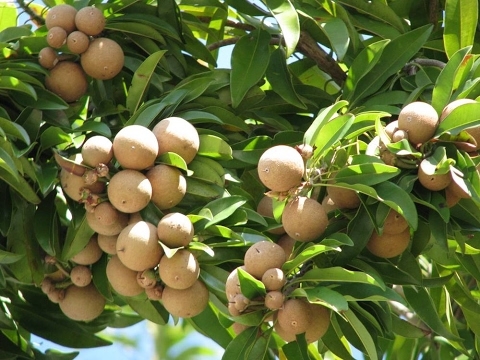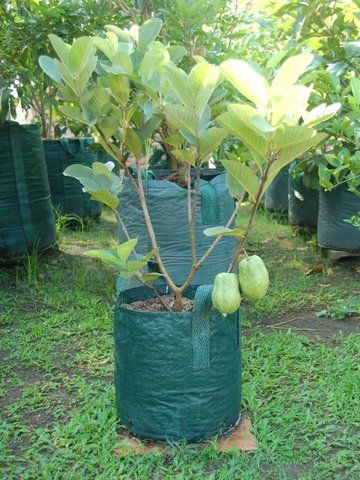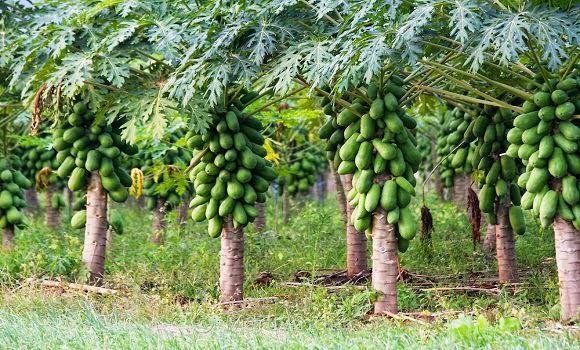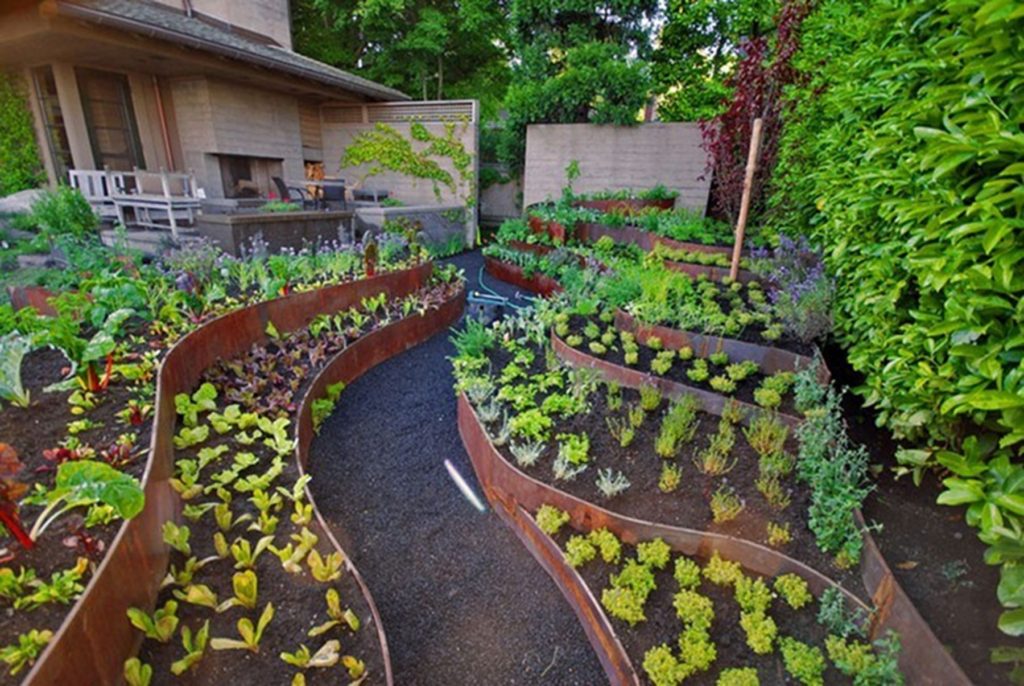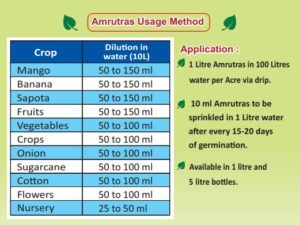
पपीता एक परिपूर्ण फल है जो भारत में उन्नतिशील फलों में प्रमुख स्थान रखता है।
हाईब्रिड पपीता (Hybrid Papaya)
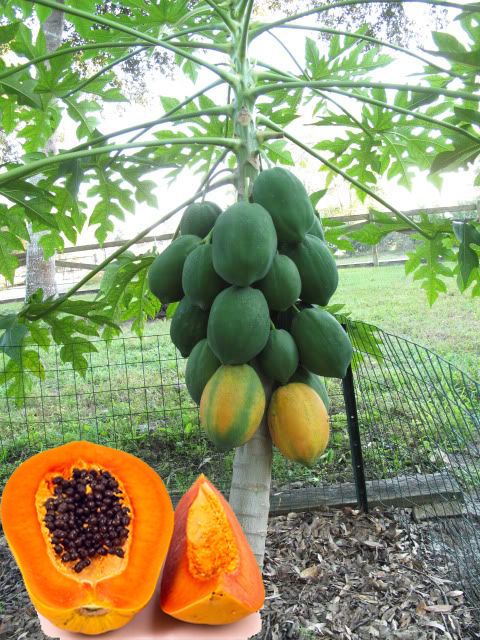
बीज की मात्रा :- 500 ग्राम प्रति हेक्टेयर
बुआई का समय :- फरवरी से सितम्बर तक
पौधा रोपण :- जब पौधा 6 इंच का हो जाये तो उन्हें खेत में लगायें।
विषेशताएँ ( Benefits )
1. वायरस अवरोधी
2. मादा पौधों की संख्या अधिक। 15 % नर पौधे खेत में रखना जरुरी है।
3. पौधा खेत में लगाने के लगभग 8 महीने बाद फल लगते हैं फिर 16 – 17 महीने तक फल मिलते रहते हैं।
4. फल कम ऊँचाई पर लगते हैं एवं भरपूर उपज देते हैं।
5. अच्छे दिखने वाले चमकीले पीले रंग के फल, गुदा गहरे नारंगी रंग का मीठा एवं बाजार में अधिक कीमत देने वाला फल है।
6. सुगन्धित एवं कठोर गुदा, फल के अधिक समय तक टिकने की क्षमता। ज्यादा दूरी के परिवहन के लिए उत्तम।
-
Product on sale
 Tamarind Imli Live Plant (Imli ka paudha)Original price was: ₹890.00.₹650.00Current price is: ₹650.00.
 -
Product on sale
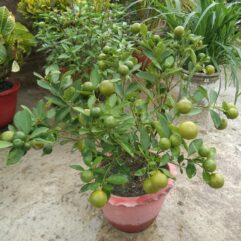 Desi Nimbu ka podha- Lemon Live plantOriginal price was: ₹800.00.₹249.00Current price is: ₹249.00.
 -
Product on sale
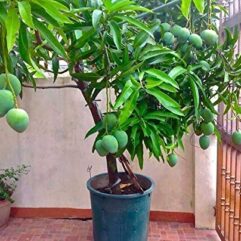 Grafted Mango Baramasi live plantOriginal price was: ₹1,050.00.₹549.00Current price is: ₹549.00.
 -
Product on sale
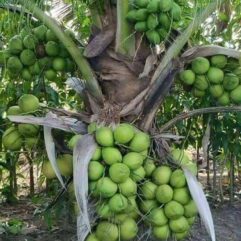 Dwarf coconut live plant (narial ka podha) hybrid coconut fruit plantOriginal price was: ₹1,650.00.₹999.00Current price is: ₹999.00.
 -
Product on sale
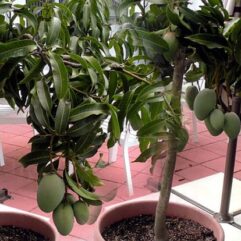 Bara masi mango live plant for home and garden good for potOriginal price was: ₹1,000.00.₹549.00Current price is: ₹549.00.
 -
Product on sale
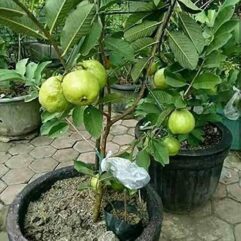 Guava Live Plant for Home and GardenOriginal price was: ₹900.00.₹399.00Current price is: ₹399.00.
 -
Product on sale
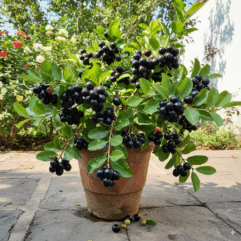 Grafted Blackberry Live Plant/Jaamun ka Podha for Home and GardenOriginal price was: ₹999.00.₹849.00Current price is: ₹849.00.
 -
Product on sale
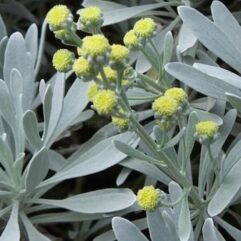 Lavender live plant – Chinese Lavender (Crossostephium artemisioides)Original price was: ₹750.00.₹650.00Current price is: ₹650.00.
 -
Product on sale
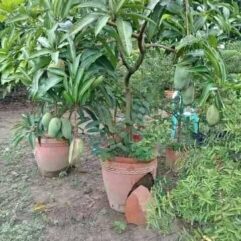 All season dwarf mango plantOriginal price was: ₹999.00.₹499.00Current price is: ₹499.00.
रोपड़ पद्धति
मानसून आने के पहले 1.5 अथवा 2 मीटर की दूरी पर लगाना चाहिए। इसके लिए गड्डे खोदने के बाद 15 दिनों तक गड्डों को खुली धूप में छोड़ने के बाद आवश्यकतानुसार गोबर की सड़ी खाद + एक किलो नीम की खली एवं बोनोमिल मिटटी में मिलाकर 15 सेमी ऊँचाई तक भराव कर देना चाहिए। हल्की सिंचाई के बाद जब खाद व मिटटी बैठ जाये तथा हल्की नमी होने पर पौधा रोपना चाहिए।
पौधा रोपड़ की दूरी
5″ x 6″ के पॉली बैग में मिटटी खाद व रेत बराबर मात्रा में एवं प्रति थैली 2 ग्राम फ्यूराडान पाउडर डालें तत्पश्चात 2 बीज एक थैली में 1/2 सेमी0 की गहराई में डालें तथा नियमित रूप से पानी दें। तथा थैलियों व पौधों को धूप में रखें। नए पौधे उगने के बाद उन पर कैंटान 0.2 % घोल से छिड़काव करें तथा जब पौधे लगभग 6′ के हो जाये तब खेत में लगाएं।
पौधों की मात्रा :- लगभग 2500 पौधे प्रति हेक्टेयर लगाये तथा 10 % पौधे गैप फिलिंग के लिए सुरक्षित रखें।
गड्डों का आकार :- 0.3 x 0.3 x 0.3 मीटर के गड्डे बनायें।
गड्डों का भराव :- गड्डों को 1 / 2 मिटटी 1 / 4 गोबर की खाद एवं 1 / 4 रेत मिलाकर प्रति गड्डा 10 ग्राम फ्यूराडान डालें।
पौधे लगाने की विधि
पौधे की जड़ों को गड्डे की मिटटी में स्थापित कर दें। पौधे को अधिक गहराई में न लगायें अन्यथा जड़ सड़ने का खतरा रहता है। यदि अधिक हवा चल रही हो तो पौधों को लकड़ी का सहारा दें। सिंचाई आवश्यकतानुसार करें।
कीड़ों और बीमारियों से रोकथाम
वेटसल्फ 4 ग्राम प्रति लीटर पानी में मिलाकर छिड़कें यदि मिटटी में कीड़ें हो तो फ्यूराडान मिटटी में डालें। अगर पत्तों में सड़न अथवा काले धब्बे हो तो डायथेन M – 45.02 % का छिड़काव करें। रस चूसने वाले कीड़े को नियंत्रित करने के लिए रोगोर अथवा साईपर मेथ्रिन का छिड़काव करें।
उपज
पौध रोपड़ के 3 – 4 माह बाद फूल लगकर फल लगना प्रारम्भ हो जाते हैं तथा 8 – 9 माह में फल पकना प्रारम्भ हो जाता है। 24 माह तक पौधों में अच्छे फल प्राप्त होंगे। पूरे जीवन में 85 से 125 फल प्राप्त होंगे। जिनका औसत वजन 1 से 1.5 किग्रा का होगा। इस प्रकार प्रति पौधा उपज 125 से 85 किग्रा प्राप्त हो सकती है। यदि कृषि कार्य पद्धति पूर्ण रूप से अपनाई जाये। मौसम एवं खेती करने के लिए अनुकूल वातावरण रहें।
ध्यान देने योग्य सुझाव
- निचली एवं दलदली जमीन पर इसकी खेती न करे।
- पौधों को अधिक गहराई में न रोपें।
- तेज हवाओं से पौधों को बचायें।
- अधिक पानी न दें।
- फल जब 40% से 50% पीले रंग के दिखे तभी तोड़ें अन्यथा हरे फलों में मीठापन कम होता है।
- पौधे ढलान वाली भूमि में लगायें यदि ढलान वाली भूमि न हो तो अधिक वर्षा का समय समाप्त होने पर पौधे लगायें।
- बीज बोने से पहले 30 मिनट बीजों को गुनगुने पानी में भिगोकर रखें तत्पश्चात सूखे कपड़े में बीजों को बांधकर लटका दें। 7 – 8 घंटे बाद पानी हट जाने पर बोये। इससे अंकुरण अधिक व शीघ्र होगा।
-
Product on sale
 Noorjahan Mango Plant (Grafted) – Giant Fruit Mango Variety | Premium Rare Mango PlantOriginal price was: ₹1,750.00.₹1,250.00Current price is: ₹1,250.00.
 -
Product on sale
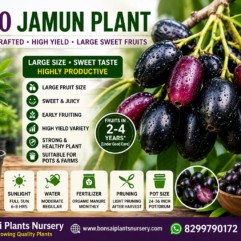 KG-10 Jamun Plant (Grafted) – High Yield Variety | Large Sweet Fruits | Fast Growing Quality PlantOriginal price was: ₹1,249.00.₹849.00Current price is: ₹849.00.
 -
Product on sale
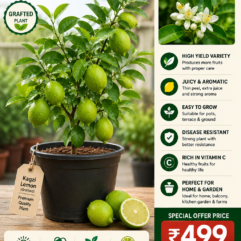 Kagzi Lemon Live Plant (Grafted) – High Yield Juicy Lemon Plant for Home & GardenOriginal price was: ₹850.00.₹499.00Current price is: ₹499.00.
 -
Product on sale
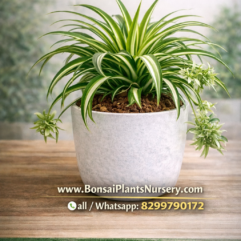 🌿 Spider Plant (Chlorophytum comosum) – Premium Indoor Air Purifying PlantOriginal price was: ₹1,250.00.₹999.00Current price is: ₹999.00.
 -
Product on sale
 Bougainvillea Bonsai Plant – Live Flowering BonsaiOriginal price was: ₹3,500.00.₹2,150.00Current price is: ₹2,150.00.
 -
Product on sale
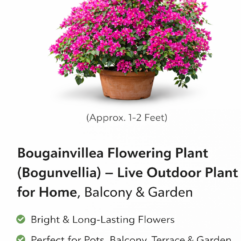 Bougainvillea Flowering Plant (Bogunvellia) – Live Outdoor Plant for Home, Balcony & GardenOriginal price was: ₹749.00.₹499.00Current price is: ₹499.00.
 -
Product on sale
 Adenium Bonsai Plant (Desert Rose) – Premium Flowering Indoor BonsaiOriginal price was: ₹4,500.00.₹2,500.00Current price is: ₹2,500.00.
 -
Product on sale
 Banyan Bonsai Plant (Ficus Benghalensis) – Premium Indoor Spiritual BonsaiOriginal price was: ₹4,700.00.₹2,500.00Current price is: ₹2,500.00.
 -
Product on sale
 Peepal Bonsai Plant (Ficus Religiosa) – Premium Spiritual Indoor Bonsai TreeOriginal price was: ₹4,500.00.₹2,500.00Current price is: ₹2,500.00.
विशेष :- उपरोक्त जानकारी हमारे कानपुर स्थित फार्म पर किये गये परिक्षण के आधार पर है विभिन्न जलवायु, मौसम, तापक्रम एवं वातावरण खेती करने के तरीके, खाद, पानी से विभिन्न अंतर आ सकते हैं उपरोक्त जानकारी से सफल खेती करने में मदद मिल सकती है।


![tree nursery near me [2020] buy fruits, flowers, indore plants, vermicompos](https://agicagro.com/wp-content/uploads/2019/10/Vermicompost-11.jpg)