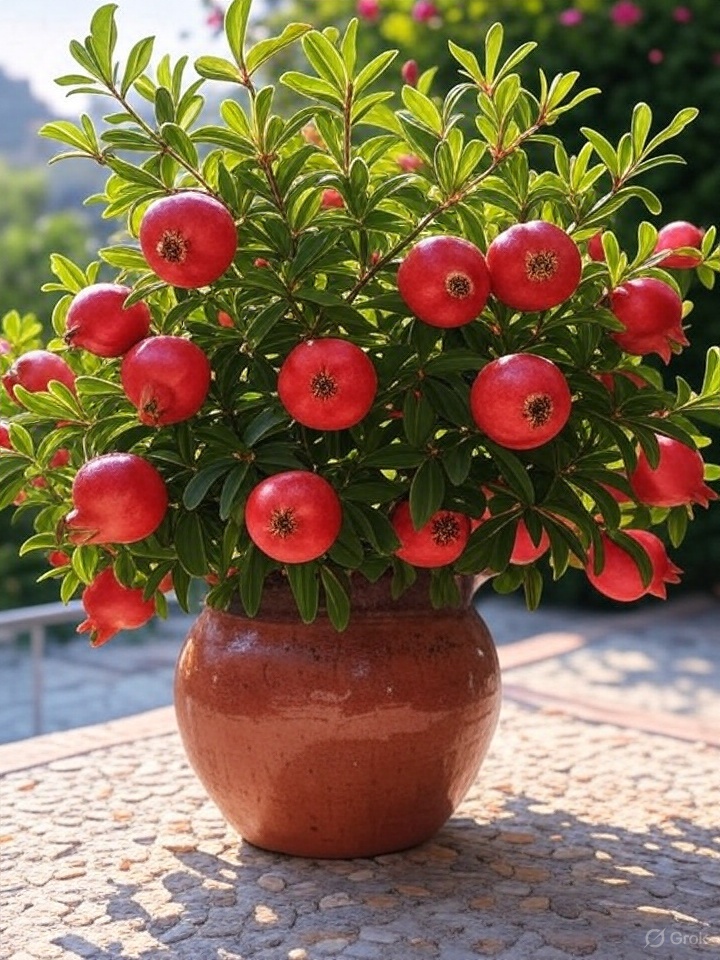
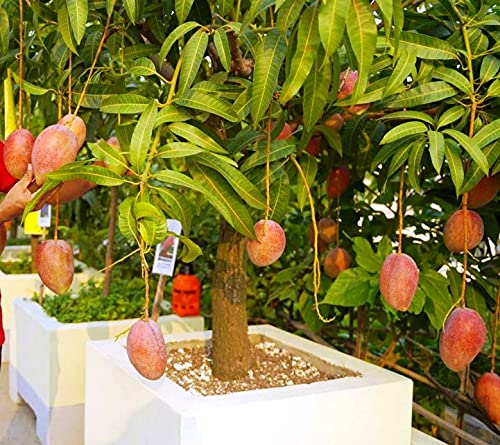
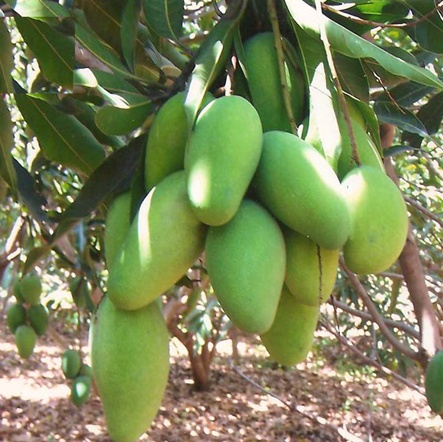
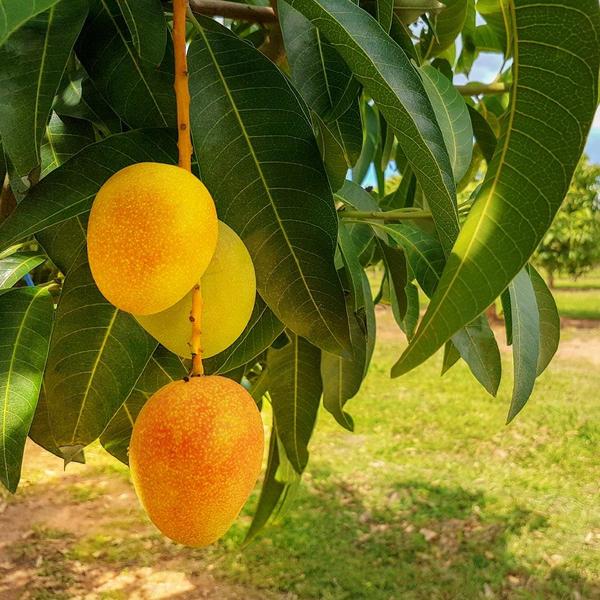
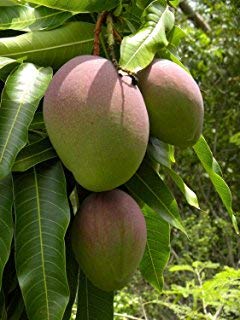
आम — “फलों का राजा” सिर्फ एक काव्यात्मक उपाधि नहीं, बल्कि भारतीय संस्कृति, भोजन और अर्थव्यवस्था में इसकी अहमियत का साक्ष्य है। पौराणिक काल से आज तक आम ने हमारे उत्सवों, रीति-रिवाजों और रोज़मर्रा के खाने दोनों में एक विशेष स्थान बनाया हुआ है। भारत में आम का पेड़ हर आँगन, खेत और माली के बगीचे की शान माना जाता है — चाहे वह गाँव का पुराना कटा हुआ बरगद हो या शहर की छत पर रखा एक छोटा गमला।
सांस्कृतिक पहचान: भारत में आम का जश्न, आम की माला और आम के पत्तों से बनी सजावट अनेक उत्सवों और परम्पराओं का हिस्सा है। शादी-विवाह, पूजा-पाठ और त्योहारों में आम के फूल व आम की रसयुक्त मिठास का विशेष स्थान होता है।
स्वाद और विविधता: अमर प्रतिज्ञा नहीं; आम की तरह स्वाद में विविधता शायद ही किसी और फल में मिले — मीठे, कुरकुरे, खट्टे-मीठे, सुगंधित और रेशेदार से लेकर बियाबान-रसदार तक। यही वजह है कि आम के सैकड़ों स्थानीय और अंतरराष्ट्रीय किस्में मौजूद हैं।
पोषण का स्रोत: आम विटामिन-A (बेटा-कैरोटीन), विटामिन-C, फाइबर और एंटीऑक्सिडेंट्स का अच्छा स्रोत है। यह इम्यूनिटी बढ़ाने, त्वचा-स्वास्थ्य सुधाने और पाचन में मदद करने वाला फल माना जाता है।
किफायती ऊर्जा: पका हुआ आम तुरंत ऊर्जा देता है — गर्मी के महीनों में शरीर को ठंडक प्रदान करने वाले शरबत और ठंडाई के रूप में भी आम का उपयोग पुरातन काल से होता आया है।
भारत और दुनिया में इसकी लोकप्रियता (Popularity in India & Worldwide)
भारत का ही नहीं, विश्व का प्रिय फल: भारत में कई क्षेत्रीय किस्में पैदा होती हैं — महाराष्ट्र के अल्फांसो से लेकर बिहार-उत्तर प्रदेश की दशहरी और चौसा तक — परन्तु इनकी लोकप्रियता सीमाओं से परे है। विश्वबाजार में भारतीय हापुस, केसर व अन्य किस्मों की मांग बड़ी रहती है।
निर्यात व प्रसंस्करण: पल्प, कैन, जूस, अचार, मुरब्बा व ड्राइड-फ्लैक्स जैसे उद्योग आम पर आधारित हैं। इससे छोटे किसान से लेकर बड़े प्रोसेसर तक कई लोगों की रोज़रोटी जुड़ी होती है।
कृषि और रोजगार: आम की खेती रोजगार उत्पन्न करती है — बागवानी, पैकिंग, प्रसंस्करण और लॉजिस्टिक्स तक। खासकर ग्रामीण क्षेत्रों में आम की खेती लंबे समय में स्थायी आय का स्रोत बन सकती है।
पौष्टिक और आर्थिक महत्व (Nutritional & Economic Importance)
पोषण: एक मध्यम आकार का आम विटामिन-A और C का अच्छा योगदान देता है, साथ ही फाइबर और आवश्यक सूक्ष्मपोषक भी प्रदान करता है। बच्चों और बुजुर्गों दोनों के लिए यह पौष्टिक स्नैक माना जाता है।
आर्थिक लाभ: उच्च गुणवत्ता वाली किस्मों की खेती से किसान लंबी अवधि में अच्छा रिटर्न पा सकते हैं — ग्राफ्टेड पौधे जल्दी फल देते हैं और निर्यात-योग्य किस्मों का भाव बाजार में उच्च रहता है। साथ ही डेली-प्रोसेसिंग इंडस्ट्री (जूस, पल्प, अचार) किसानों के लिए वैकल्पिक आय स्रोत खोलती है।
🥭 भारत और दुनिया की 11 बेहतरीन आम की किस्में
आम की सैकड़ों किस्में हैं लेकिन उनमें से कुछ खास किस्में स्वाद, सुगंध और लोकप्रियता की वजह से पूरी दुनिया में मशहूर हैं। आइए जानते हैं सबसे अच्छी 11 किस्मों के बारे में विस्तार से।
1. दशहरी आम (Dasheri Mango)
प्रमुख क्षेत्र: उत्तर प्रदेश (मलिहाबाद, लखनऊ)
स्वाद और विशेषता: बेहद मीठा, बिना रेशों वाला और सुगंधित आम।
मौसम: जून से जुलाई।
पैदावार: एक पेड़ से 200–300 आम आसानी से मिल जाते हैं।
विशेष बात: इसे “आम का नायक” कहा जाता है और यह भारतीय परिवारों में सबसे लोकप्रिय है।
6. मल्चिंग और इंटरक्रॉपिंग (Mulching & Intercropping)
गर्मी में पौधे के चारों ओर सूखी पत्तियाँ, भूसा या नारियल की छाल बिछाएँ।
इससे नमी बनी रहती है और खरपतवार भी नहीं उगते।
शुरुआती सालों में आम के साथ दालें, सब्ज़ियाँ या हल्दी- अदरक जैसी फसलें लगाई जा सकती हैं।
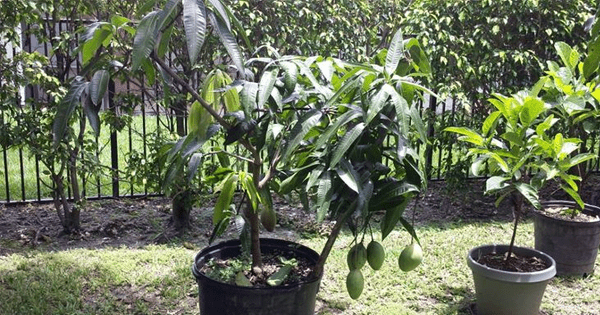
7. गमले वाले पौधों की देखभाल (Care of Potted Mango Plants)
हर 15 दिन में तरल खाद (Vermiwash, Compost Tea) डालें।
धूप वाले स्थान पर रखें।
साल में एक बार मिट्टी बदलकर नई खाद डालें।
नियमित pruning करें ताकि पौधा ज्यादा बड़ा न हो।
📌 सही देखभाल से आपका आम का पेड़ 3–4 साल में फल देना शुरू कर देगा और 40–50 साल तक लगातार स्वादिष्ट फल देता रहेगा।
🍋 अधिक फल पाने के आसान उपाय (Tips for Higher Yield of Mango Tree)
आम का पेड़ लगाना आसान है, लेकिन भरपूर और मीठे फल पाना तभी संभव है जब सही तकनीक अपनाई जाए। यहाँ कुछ महत्वपूर्ण उपाय दिए जा रहे हैं:
1. सही किस्म और पौधा चुनें
अगर आप जल्दी फल चाहते हैं तो ग्राफ्टेड पौधा (कलमी आम) ही लगाएँ।
dwarf varieties जैसे आम्रपाली, नीलम, अल्फांसो गमले या छोटे बगीचे के लिए उपयुक्त हैं।
अच्छी नर्सरी से स्वस्थ पौधा ही लें।
2. फूल आने के समय देखभाल
फरवरी–मार्च में आम में बौर (फूल) आते हैं।
इस समय पौधे को बहुत पानी न दें।
फूल आने पर हल्का पोटाश और फॉस्फोरस वाली खाद डालें।
फूल झड़ने से बचाने के लिए जैविक स्प्रे (छाछ + नीम तेल + गोमूत्र) का छिड़काव करें।
3. जैविक स्प्रे और पोषण
नीम तेल स्प्रे (5ml/L पानी): कीट रोकने में मदद करता है।
जैविक टॉनिक: छाछ, गोमूत्र, वर्मीवॉश का मिश्रण फूल और फल बढ़ाता है।
पोटाश युक्त खाद: फल के आकार और मिठास को बढ़ाती है।
4. छंटाई और canopy management
हर साल फूल और फल आने के बाद सूखी टहनियों को काटें।
पेड़ की छतरी गोल रखें ताकि धूप और हवा अच्छी तरह पहुँच सके।
छंटाई के बाद Bordeaux mixture का छिड़काव करें।
5. High Density Plantation (HDP)
आधुनिक खेती में 5 × 5 मीटर की दूरी पर पौधे लगाए जाते हैं।
HDP से एक एकड़ में ज्यादा पेड़ आते हैं और उपज 2–3 गुना बढ़ जाती है।
drip irrigation और नियमित छंटाई जरूरी है।
6. मल्चिंग और पानी प्रबंधन
गर्मी में पेड़ के चारों ओर सूखी पत्तियाँ और भूसा बिछाएँ।
इससे नमी बनी रहती है और जड़ों को ठंडक मिलती है।
पानी की सही मात्रा दें — न ज्यादा, न कम।
7. ग्राफ्टिंग और टॉपवर्किंग तकनीक
पुराने पेड़ पर नई किस्म का ग्राफ्ट लगाने से पैदावार और गुणवत्ता दोनों बढ़ते हैं।
इससे एक पेड़ पर अलग-अलग किस्म के आम भी उगाए जा सकते हैं।
8. फूल और फल झड़ने से बचाव
NAA (Naphthalene Acetic Acid – 20–30 ppm) का छिड़काव करें।
जैविक विकल्प के रूप में नीम तेल + गोमूत्र का छिड़काव करें।
संतुलित उर्वरक डालें, खासकर पोटाश और जिंक।
9. रोग और कीट नियंत्रण
पाउडरी मिल्ड्यू: फूल आने पर गंधक या जैविक छिड़काव।
फ्रूट फ्लाई: trap लगाएँ, पके फल समय पर तोड़ें।
डाइबैक रोग: प्रभावित टहनियाँ काटकर Bordeaux paste लगाएँ।
10. समय पर तुड़ाई (Harvesting at the Right Time)
फल को जब 75–80% पकने की स्थिति में हो, तभी तोड़ें।
जल्दी तोड़ने से स्वाद कम होता है, देर से तोड़ने पर फल सड़ सकता है।
तुड़ाई के बाद फलों को छाया में रखें।
📌 इन उपायों को अपनाकर किसान भी अपनी पैदावार बढ़ा सकते हैं और घर के बागवानी प्रेमी भी अपने आम के पेड़ से हर साल भरपूर मीठे फल पा सकते हैं।
❓ आम के बारे में अक्सर पूछे जाने वाले सवाल (FAQs on Mango Tree)
1. आम का पेड़ कितने साल में फल देना शुरू करता है?
अगर आपने ग्राफ्टेड (कलमी) पौधा लगाया है तो यह 3–4 साल में फल देना शुरू कर देता है।
बीज से उगाया गया पौधा 7–10 साल बाद फल देता है।
2. क्या गमले में आम लगाया जा सकता है?
हाँ, dwarf varieties जैसे आम्रपाली, नीलम और अल्फांसो को गमले में आसानी से उगाया जा सकता है।
इसके लिए कम से कम 24 इंच का गमला चुनें और पौधे को धूप वाली जगह रखें।
3. कौन सा आम सबसे मीठा होता है?
अल्फांसो (हापुस) और दशहरी आम को सबसे मीठा और स्वादिष्ट माना जाता है।
मियाज़ाकी आम भी बेहद मीठा है लेकिन यह दुनिया का सबसे महंगा आम है।
4. एक आम का पेड़ कितने साल तक फल देता है?
आम का पेड़ 40–50 साल तक नियमित फल देता है।
अच्छी देखरेख से यह 80–100 साल तक भी जीवित रह सकता है।
5. मियाज़ाकी आम इतना महंगा क्यों है?
इसका गहरा लाल रंग, खास मिठास और पौष्टिकता इसे खास बनाते हैं।
इसकी खेती बहुत सीमित क्षेत्र में होती है और उत्पादन कम मिलता है।
जापान से यह गल्फ और यूरोप में निर्यात होता है, जहाँ इसकी कीमत लाखों रुपये तक पहुँच जाती है।
6. क्या आम की खेती से अच्छा मुनाफा हो सकता है?
जी हाँ, आम की खेती भारत में सबसे लाभकारी फसलों में से एक है।
एक हेक्टेयर में सही किस्म और HDP तकनीक से ₹3–5 लाख सालाना तक की आमदनी संभव है।
मियाज़ाकी जैसे प्रीमियम आम और निर्यात-योग्य किस्में और भी ज्यादा लाभ देती हैं।
📌 निष्कर्ष (Conclusion)
आम न केवल भारत का राष्ट्रीय फल है बल्कि हमारी संस्कृति और परंपरा का भी हिस्सा है। सही किस्म का चुनाव, उचित देखभाल और आधुनिक तकनीकों के प्रयोग से हम अपने बगीचे या खेत में भरपूर, मीठे और उच्च गुणवत्ता वाले आम पा सकते हैं।
अगर आप घर के लिए आम लगाना चाहते हैं तो आम्रपाली, दशहरी, अल्फांसो जैसी किस्में उपयुक्त हैं।
किसानों के लिए HDP और ग्राफ्टिंग तकनीक अपनाकर कम जगह में ज्यादा पैदावार लेना संभव है।
गमले में dwarf varieties लगाकर भी बालकनी और छत पर स्वादिष्ट आम उगाए जा सकते हैं।
👉 कुल मिलाकर, आम लगाना केवल स्वाद और स्वास्थ्य के लिए ही नहीं, बल्कि यह आर्थिक और सांस्कृतिक दृष्टि से भी बेहद लाभकारी है।
Cultural Value: Mango leaves are used in festivals, weddings, and religious ceremonies across India.
Taste Diversity: From sweet, pulpy Alphonso to tangy Totapuri, mangoes come in hundreds of varieties, each with unique flavor and aroma.
Nutrition: Rich in Vitamin A, Vitamin C, fiber, and antioxidants, mango boosts immunity, improves digestion, and promotes glowing skin.
Economic Importance: Mango cultivation supports millions of farmers, provides raw material for industries (juices, pickles, pulp), and has high export demand.
🥭 Top 11 Mango Varieties (Best Mangoes to Grow)
1. Dasheri Mango
Region: Uttar Pradesh (Malihabad, Lucknow)
Taste: Sweet, fiberless, aromatic
Season: June–July
Specialty: One of the most popular varieties in Indian households.
Mix soil + sand + compost + neem cake + a little SSP (Single Super Phosphate).
Choosing the Plant
Prefer grafted plants (bear fruits in 3–4 years).
Seed-grown plants may take 8–10 years.
Planting Technique
Remove the polybag carefully.
Place the sapling in the pit.
Cover with soil & press gently.
Water immediately after planting.
Spacing
Traditional: 10 × 10 m
High Density Plantation (HDP): 5 × 5 m
For pots: 24-inch container minimum.
🌿 Care & Maintenance
Watering
First year: every 7–10 days.
Summer: every 4–5 days.
Flowering stage: reduce watering.
Fertilizers
First 3 years: compost + neem cake every 2–3 months.
Mature tree:
20–25 kg farmyard manure
1–1.5 kg nitrogen
0.5–1 kg phosphorus
1–1.5 kg potash
Pruning
Remove diseased, dry, and inward branches.
Maintain open canopy for airflow.
Pest & Disease Control
Mealybugs, fruit flies, thrips: Use neem oil spray.
Powdery mildew, anthracnose: Use Bordeaux mixture.
Mulching & Intercropping
Apply dry leaves or straw around the tree.
Grow pulses, ginger, or turmeric in early years.
🍋 Easy Tips for Higher Yield
Choose grafted plants of high-yielding varieties.
Use organic sprays: buttermilk + neem oil + cow urine.
Adopt High Density Plantation for commercial farming.
Avoid excessive watering during flowering.
Apply potash-rich fertilizers for bigger, sweeter fruits.
Protect from fruit drop using NAA spray or organic alternatives.
❓ FAQs
Q1. How many years does a mango tree take to bear fruit?
Grafted: 3–4 years
Seed-grown: 7–10 years
Q2. Can mango be grown in pots?
Yes, dwarf varieties like Amrapali and Neelum grow well in containers.
Q3. Which mango is the sweetest?
Alphonso and Dasheri are considered the sweetest.
Q4. How long does a mango tree live?
A healthy tree bears fruits for 40–50 years, sometimes up to 100 years.
Q5. Why is Miyazaki mango so expensive?
Rare, limited production, unique red color, and extremely sweet flavor.
Q6. Is mango farming profitable?
Yes, with modern techniques like HDP, farmers can earn ₹3–5 lakhs per hectare annually.
📌 Conclusion
Mango is not just India’s national fruit but also a symbol of tradition, taste, and prosperity. With the right variety, proper care, and scientific methods, anyone can grow mangoes successfully—whether in a large farm, a backyard garden, or even in pots on a terrace.
👉 If you want delicious, juicy, and high-quality mangoes year after year:
Choose the right variety.
Follow proper planting & care methods.
Use organic fertilizers and sprays.
Practice pruning and modern techniques like HDP.
A well-cared mango tree can be your companion for decades, giving you joy, shade, and of course—the King of Fruits! 🥭✨
Pomegranate is one of the most popular and beneficial fruits in India and around the world. Growing it in pots is not only possible but also very rewarding. A well-maintained pomegranate plant in a pot enhances the beauty of your home or terrace garden and provides delicious, medicinal, and antioxidant-rich fruits.
In this detailed guide, you will learn how to grow a pomegranate plant in pots, take proper care, and apply proven techniques to harvest plenty of fruits every year.
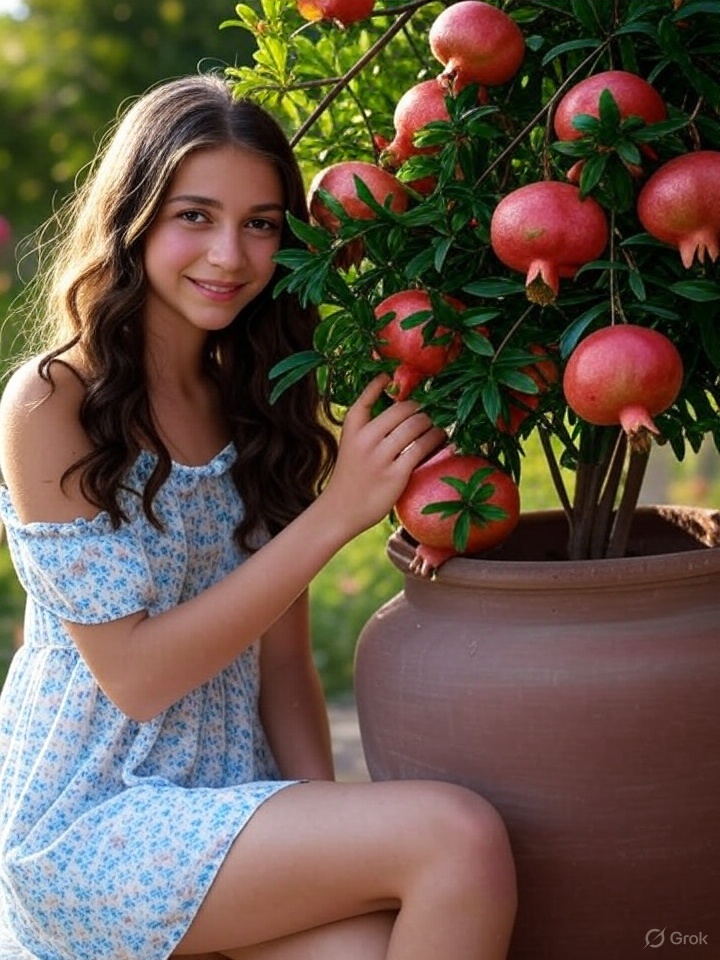
Pomegranate_plant_for_gardening
🌿 Benefits of Pomegranate Plants
Nutrient-rich – High in Vitamin C, K, potassium, and antioxidants.
Heart health – Supports blood circulation, lowers cholesterol, and regulates blood pressure.
Boosts immunity – Strengthens the body’s natural defense system.
Ornamental beauty – A flowering and fruiting pomegranate plant looks beautiful indoors/outdoors.
Economic value – Produces fruits that save money and provide homegrown organic harvest.
🌱 How to Grow Pomegranate in Pots
1. Choosing the Right Pot
Minimum 16–20 inch wide and deep container.
Clay, plastic, or cement pots are suitable.
Ensure proper drainage holes at the bottom.
2. Soil Preparation
40% garden soil
30% well-decomposed cow dung manure or compost
20% sand (for drainage)
10% vermicompost 👉 Soil should be light, well-drained, and rich in organic matter.
3. Selecting the Plant
Always prefer grafted pomegranate plants instead of growing from seeds.
Grafted plants fruit early and abundantly in pots.
4. Planting Method
Place 2–3 broken bricks at the bottom of the pot.
Fill the pot with the prepared soil mix.
Place the sapling in the center and press the soil gently around the roots.
Water lightly after planting.
💧 Care and Maintenance
1. Watering
Summer: Water every 2–3 days.
Winter: Once in 6–7 days.
Avoid overwatering, as roots may rot.
2. Sunlight
Needs 6–7 hours of direct sunlight daily.
Without sunlight, flowering and fruiting reduce drastically.
3. Fertilizing
Apply organic manure every 30–40 days.
In June–July, add cow dung compost + neem cake powder.
Before flowering (March & August), apply NPK 5:10:10 fertilizer.
Add vermicompost, bone meal, and banana peel fertilizer for better fruiting.
4. Pruning
Do pruning in October–November every year.
Remove dry, weak, and overcrowded branches.
Keep only 3–4 main stems for better airflow and fruit growth.
🐛 Pest and Disease Management
Flower drop – Spray calcium nitrate solution.
Leaf curl (aphids, mealybugs) – Spray neem oil or insecticidal soap.
Fruit spots & cracking – Use zinc sulfate or boron spray.
Root rot – Avoid overwatering; mix fungicide in the soil.
🍎 Tips to Get Maximum Fruits from Pomegranate in Pots
Always grow grafted plants instead of seed-grown ones.
Place the pot in a sunny location.
Do regular pruning to channel energy into fruit production.
Provide a balance of organic + chemical fertilizers.
Before flowering, reduce watering slightly (water stress), which encourages more fruiting.
Increase potash & bone meal during fruit development.
Harvest fruits on time to encourage the plant for the next fruiting cycle.
🌟 Bonus Tip – Create a Mini Pomegranate Orchard in Pots
If space allows, grow 3–4 hybrid varieties of pomegranate in separate large pots. This ensures a longer fruiting season and plenty of fruits throughout the year.
📌 Conclusion
Growing pomegranate in pots is simple and highly rewarding.
Choose the right grafted plant.
Provide good soil, sunlight, regular pruning, and balanced nutrition.
Protect the plant from pests and diseases with organic solutions.
👉 By following these easy yet powerful tips, your pomegranate plant in a pot will reward you with loads of red, juicy, and healthy fruits year after year.
अनार (Pomegranate) भारत का एक लोकप्रिय और लाभकारी फल है। इसे गमले में लगाकर आप घर पर ही स्वादिष्ट और औषधीय गुणों से भरपूर फल पा सकते हैं। गमले में लगे अनार का पौधा न केवल घर को सुंदर बनाता है बल्कि फल, फूल और स्वास्थ्य लाभ भी देता है। इस आर्टिकल में हम विस्तार से जानेंगे कि अनार का पौधा गमले में कैसे लगाएँ, उसकी देखभाल कैसे करें और किस प्रकार से उससे भरपूर फल प्राप्त करें।
Pomegranate_plant_for_gardening
🌿 अनार के पौधे के फायदे
पोषक तत्वों से भरपूर – विटामिन C, K, पोटैशियम और एंटीऑक्सीडेंट।
दिल की सेहत के लिए अच्छा – हृदय रोग और हाई BP में लाभकारी।
इम्यूनिटी बढ़ाता है – रोग प्रतिरोधक क्षमता मजबूत करता है।
घर की सुंदरता बढ़ाता है – गमले में सजा पौधा आकर्षक दिखता है।
आर्थिक लाभ – आसानी से फल देकर घर का खर्च बचाता है।
🌱 गमले में अनार का पौधा लगाने की विधि
1. सही गमले का चुनाव
कम से कम 16–20 इंच चौड़ा और गहरा गमला लें।
प्लास्टिक, मिट्टी या सीमेंट का गमला उपयुक्त है।
नीचे पानी निकासी (Drainage Hole) ज़रूर हो।
2. मिट्टी की तैयारी
40% बगीचे की मिट्टी
30% गोबर की सड़ी खाद / कम्पोस्ट
20% रेत (बालू)
10% वर्मी कम्पोस्ट 👉 मिट्टी भुरभुरी और जलनिकासी वाली होनी चाहिए।
3. पौधे का चयन
नर्सरी से ग्राफ्टेड अनार का पौधा लाएँ।
Hybrid Variety (Bhagwa, Ganesh, Arakta, Mridula) गमले में अच्छे फल देती हैं।
4. पौधा लगाना
गमले में 2–3 ईंट के टुकड़े नीचे रखें।
मिट्टी भरें और बीच में पौधा लगाएँ।
जड़ों को दबाकर हल्का पानी दें।
💧 अनार के पौधे की देखभाल
1. पानी देना
गर्मियों में हर 2–3 दिन पर हल्का पानी।
सर्दियों में 7 दिन पर एक बार।
ध्यान रखें पानी अधिक न भरें, वरना जड़ें सड़ जाएँगी।
2. धूप
पौधे को कम से कम 6–7 घंटे की सीधी धूप मिलनी चाहिए।
छायादार जगह पर पौधा फल नहीं देगा।
3. खाद डालना
हर 30–40 दिन में खाद दें।
जून–जुलाई में गोबर की खाद + नीम खली डालें।
फूल आने से पहले (मार्च और अगस्त में) NPK 5:10:10 खाद दें।
वर्मी कम्पोस्ट और बोन मील फल बनने में मदद करते हैं।
4. छंटाई (Pruning)
हर साल अक्टूबर–नवंबर में सूखी और कमजोर शाखाएँ काट दें।
केवल 3–4 मुख्य तने छोड़कर बाकी निकाल दें।
इससे पौधे की ऊर्जा फल बनने में लगती है।
🐛 रोग और कीट प्रबंधन
फूल झड़ना – कैल्शियम नाइट्रेट का छिड़काव करें।
पत्ते मुड़ना – एफिड्स और मीलिबग के कारण। नीम तेल का छिड़काव करें।
फलों में दाग – जिंक सल्फेट या बोरॉन का स्प्रे करें।
जड़ सड़न – ज़्यादा पानी से बचें, मिट्टी में दवाई मिलाएँ।
🍎 गमले में अनार से अधिक फल पाने के टिप्स
हमेशा ग्राफ्टेड पौधे का चुनाव करें।
पौधे को धूपदार जगह पर रखें।
समय-समय पर छंटाई (Pruning) करें।
पौधे को संतुलित जैविक + रासायनिक खाद दें।
फूल आने के समय पौधे को हल्का सूखा (Water Stress) दें, इससे फल ज्यादा लगते हैं।
फल लगने के बाद पोटाश और बोनमील की मात्रा बढ़ाएँ।
फलों को समय पर तोड़ें, इससे नए फल आने की संभावना बढ़ती है।
🌟 बोनस टिप – गमले में Mini Orchard बनाएँ
अगर आपके पास जगह है तो 3–4 बड़े गमलों में अलग-अलग अनार की Hybrid Varieties लगाएँ। इससे आपको साल भर फल मिलते रहेंगे।
📌 निष्कर्ष
गमले में अनार का पौधा लगाना आसान है और सही देखभाल करने पर यह हर साल ढेर सारे फल दे सकता है।
पौधे को सही मिट्टी, धूप, पानी और खाद दें।
नियमित छंटाई और जैविक खाद से पौधा स्वस्थ और फलदार रहेगा।
👉 यदि आप इस गाइड को ध्यान से अपनाएँगे तो आपके गमले में लगा अनार का पौधा हर साल ढेर सारे लाल-लाल स्वादिष्ट फल देगा।
आज की भागदौड़ भरी जिंदगी में जब लोग सेहत और स्वाद दोनों का ख्याल रखना चाहते हैं, तब ड्रैगन फ्रूट (Dragon Fruit) एक बेहतरीन विकल्प बनकर उभर रहा है। यह न केवल स्वादिष्ट है बल्कि इसमें पोषण से भरपूर गुण मौजूद हैं। इसकी सबसे खास बात यह है कि आप इसे अपने घर की बालकनी, छत या छोटे गार्डन में गमले में भी उगा सकते हैं।
indian girl growing dragon fruits in a pot
इस लेख में हम विस्तार से जानेंगे:
ड्रैगन फ्रूट खाने के अद्भुत फायदे
गमले में ड्रैगन फ्रूट का पौधा कैसे लगाएँ
सही देखभाल से सालों तक ढेर सारे फल कैसे पाएं
जैविक तरीके से उगाने के उपाय
🟢 ड्रैगन फ्रूट क्या है?
ड्रैगन फ्रूट को हिंदी में पिताया (Pitaya) भी कहा जाता है। यह एक कैक्टस परिवार का फल है जिसकी बाहरी परत पर ड्रैगन जैसी आकृति होती है और अंदर का गूदा सफेद या लाल रंग का होता है।
🟢 ड्रैगन फ्रूट खाने के फायदे (Health Benefits of Dragon Fruit)
1. रोग प्रतिरोधक क्षमता बढ़ाता है
ड्रैगन फ्रूट में Vitamin C, Iron और Anti-Oxidants पाए जाते हैं जो शरीर की रोग प्रतिरोधक क्षमता को मजबूत करते हैं।
2. पाचन तंत्र को मजबूत बनाता है
इसमें मौजूद Natural Fiber कब्ज, गैस और अपच की समस्या दूर करता है।
3. दिल को स्वस्थ रखता है
ड्रैगन फ्रूट में Monounsaturated Fat होता है जो कोलेस्ट्रॉल लेवल नियंत्रित करता है और हृदय रोग से बचाता है।
4. त्वचा और बालों के लिए फायदेमंद
Vitamin C और Antioxidants त्वचा को Glow देते हैं और झुर्रियों को कम करते हैं।
5. वजन घटाने में सहायक
Low Calories और High Fiber होने के कारण यह वजन घटाने वालों के लिए आदर्श फल है।
6. शुगर रोगियों के लिए लाभकारी
Blood Sugar Level को नियंत्रित करता है।
7. गर्भवती महिलाओं के लिए लाभकारी
इसमें मौजूद Iron और Folate भ्रूण के विकास के लिए लाभदायक है।
🟢 गमले में ड्रैगन फ्रूट का पौधा कैसे लगाएँ?
1. सही गमले का चुनाव
गमला कम से कम 16-20 इंच गहरा और चौड़ा होना चाहिए।
प्लास्टिक, सीमेंट या मिट्टी का गमला चलेगा, लेकिन नीचे Drainage Hole ज़रूरी है।
2. मिट्टी की तैयारी
40% बालू (रेत)
30% गोबर की खाद / वर्मी कम्पोस्ट
20% बाग की मिट्टी
10% नारियल का बुरादा (Cocopeat)
3. पौधा या कटिंग से शुरुआत
ड्रैगन फ्रूट कटिंग (Cutting) से जल्दी फल देता है।
कटिंग को 2 दिन छाया में सुखाकर गमले में लगाएँ।
4. पानी देना
कैक्टस परिवार का पौधा है, इसलिए ज्यादा पानी न दें।
हफ्ते में 2 बार हल्का पानी पर्याप्त है।
5. धूप और तापमान
रोजाना कम से कम 5-6 घंटे सीधी धूप मिलनी चाहिए।
यह पौधा 20°C से 35°C तक अच्छे से बढ़ता है।
6. सहारा देना
पौधे को बांस या लोहे की रॉड का सहारा दें।
ऊपर से शाखाएँ लटककर फल देती हैं।
7. खाद देना
हर 2 महीने में वर्मी कम्पोस्ट या बोन मील डालें।
जैविक खाद से फल जल्दी और मीठे आते हैं।
8. फूल और फल आने का समय
पौधा 10-12 महीने में फूल देता है।
फूल रात में खिलते हैं और 1-2 दिन में फल बनने लगते हैं।
9. छंटाई (Pruning)
पुरानी और सूखी शाखाएँ काट दें।
केवल 3-4 मुख्य शाखाएँ छोड़ें।
10. कीट और रोग नियंत्रण
एफिड्स और मिली बग्स का खतरा रहता है।
नीम का तेल छिड़काव करें।
🟢 ड्रैगन फ्रूट से भरपूर फल कैसे पाएं?
पौधे को 6-7 घंटे धूप में रखें।
सहारा सही ढंग से लगाएँ।
नियमित खाद और पानी दें।
फूल आने पर पोटैशियम युक्त खाद डालें।
परागण (Pollination) के लिए ब्रश का इस्तेमाल करें।
🟢 ड्रैगन फ्रूट उगाने के फायदे
साल भर फल मिलते हैं।
महंगे फल मुफ्त में घर पर।
Organic और Chemical Free फल।
पौधा 15-20 साल तक फल देता है।
घर की शोभा भी बढ़ती है।
🟢 निष्कर्ष
ड्रैगन फ्रूट एक ऐसा पौधा है जो कम देखभाल में भी ढेर सारे फल देता है। यह न केवल आपकी सेहत के लिए फायदेमंद है बल्कि आर्थिक दृष्टि से भी लाभकारी है। अगर आप छत, बालकनी या बगीचे में इसे गमले में लगाते हैं तो आने वाले वर्षों तक ताजे, मीठे और रसीले ड्रैगन फ्रूट का आनंद ले सकते हैं।
कीवी फल (Kiwi Fruit) एक सुपरफूड माना जाता है। इसका स्वाद खट्टा-मीठा होता है और इसमें विटामिन C की मात्रा संतरे से भी अधिक पाई जाती है। यह फल दिल, पाचन, त्वचा और इम्युनिटी के लिए बेहद लाभकारी है।
भारत में इसे मुख्य रूप से हिमाचल प्रदेश, अरुणाचल प्रदेश, जम्मू-कश्मीर और मेघालय जैसे ठंडे इलाकों में उगाया जाता है, लेकिन अगर सही तकनीक अपनाई जाए तो इसे गमले और छत के गार्डन में भी आसानी से उगाया जा सकता है।
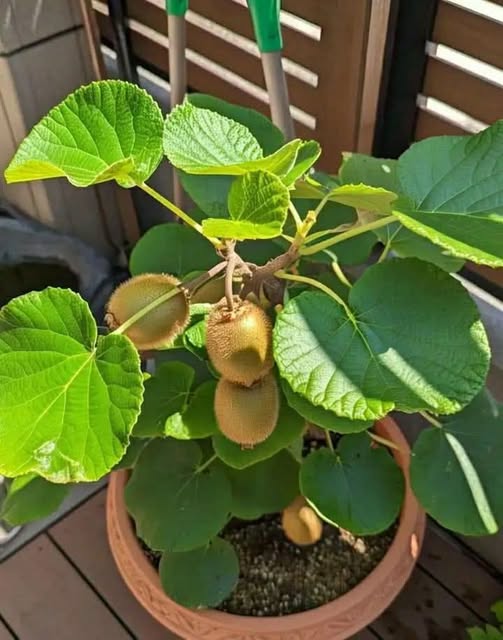
kiwi plant
🌟 कीवी फल खाने के फायदे (Health Benefits of Kiwi Fruit)
1. रोग प्रतिरोधक क्षमता (Immunity Booster)
विटामिन C का सबसे अच्छा स्रोत।
शरीर को बीमारियों से लड़ने की शक्ति देता है।
2. पाचन तंत्र मजबूत करता है
इसमें Actinidin Enzyme होता है जो पाचन को आसान बनाता है।
कब्ज और गैस जैसी समस्याएँ कम होती हैं।
3. दिल के लिए फायदेमंद
इसमें पोटैशियम और फाइबर मौजूद है।
कोलेस्ट्रॉल को नियंत्रित करता है और ब्लड प्रेशर संतुलित रखता है।
4. त्वचा और बालों के लिए लाभकारी
एंटीऑक्सीडेंट्स की वजह से त्वचा चमकदार और झुर्रियों से मुक्त रहती है।
बाल झड़ने की समस्या कम होती है।
5. वजन घटाने में मददगार
इसमें कैलोरी बहुत कम और फाइबर बहुत ज्यादा होता है।
लंबे समय तक पेट भरा महसूस होता है।
6. कैंसर से सुरक्षा
इसमें पाए जाने वाले एंटीऑक्सीडेंट्स कैंसर सेल्स की वृद्धि को रोकते हैं।
7. गर्भवती महिलाओं के लिए फायदेमंद
इसमें फॉलिक एसिड भरपूर होता है।
बच्चे के मस्तिष्क और हड्डियों के विकास में मदद करता है।
health benifits of eating kiwi fruits
🪴 गमले में कीवी का पौधा कैसे उगाएँ?
1. सही गमले का चुनाव
कम से कम 18-20 इंच का बड़ा गमला चुनें।
ड्रेनेज होल जरूर होना चाहिए।
ग्रो बैग भी अच्छा विकल्प है।
2. मिट्टी की तैयारी
40% बगीचे की मिट्टी
30% गोबर की खाद या वर्मी कम्पोस्ट
20% रेत
10% कोकोपीट
मिट्टी का pH हल्का अम्लीय (5.5 – 6.5) होना चाहिए।
3. बीज या पौधा
कीवी पौधे बीज से और ग्राफ्टेड पौधों से दोनों तरह से उगाए जा सकते हैं।
लेकिन ज्यादा और जल्दी फल पाने के लिए ग्राफ्टेड पौधा सबसे अच्छा है।
4. रोपाई का सही समय
फरवरी–मार्च या सितंबर–अक्टूबर सबसे सही समय है।
5. धूप और तापमान
कीवी को 6–7 घंटे सीधी धूप चाहिए।
10°C से 25°C तापमान में अच्छी ग्रोथ होती है।
6. पानी देना
मिट्टी को नमीदार रखें लेकिन जलभराव न होने दें।
गर्मियों में 2–3 दिन पर पानी दें।
7. सहारा देना (Trellis System)
कीवी बेल वाली पौधा है।
गमले में इसे जाली, खंभे या ट्रेलिस पर चढ़ाएँ।
8. खाद देना
हर 20-25 दिन में वर्मी कम्पोस्ट डालें।
फूल आने के समय नीम खली और मछली खाद देना लाभकारी है।
9. छंटाई (Pruning)
पौधे को बेल के रूप में फैलाएँ।
कमजोर और सूखी टहनियाँ काट दें।
फल देने वाली टहनियों को संभालकर रखें।
🍇 कीवी से अधिक फल कैसे पाएं?
नर और मादा पौधा दोनों लगाएँ
कीवी पौधा dioecious होता है यानी नर और मादा पौधे अलग-अलग होते हैं।
1 नर पौधा और 6 मादा पौधे एक साथ लगाने पर अधिक फल मिलता है।
परागण (Pollination) पर ध्यान दें
प्राकृतिक परागण के लिए मधुमक्खियाँ जरूरी हैं।
गमले में उगाने पर हाथ से परागण (Hand Pollination) भी कर सकते हैं।
फूल आने के समय पर्याप्त खाद दें
गोबर की खाद + बोन मील + नीम खली डालें।
धूप और पानी संतुलित रखें
बहुत ज्यादा धूप और सूखा नुकसानदायक होता है।
नमी और ठंडी जलवायु पसंद करता है।
नियमित छंटाई करें
बेल को कंट्रोल में रखें और फल देने वाली शाखाओं पर ध्यान दें।
समस्या: फूल तो आते हैं लेकिन फल नहीं लगते 👉 समाधान: नर और मादा पौधा दोनों लगाएँ, परागण करें।
समस्या: पौधा धीरे बढ़ रहा है 👉 समाधान: धूप और मिट्टी की जाँच करें, हर महीने खाद डालें।
🌍 निष्कर्ष
कीवी फल स्वास्थ्य का खज़ाना है और अगर आप इसे गमले में उगाते हैं तो सालों तक भरपूर फल पा सकते हैं। थोड़ी मेहनत और सही तकनीक से आप अपने घर की बालकनी या छत पर ही कीवी का छोटा सा बगीचा बना सकते हैं।
नारियल का पेड़ (Coconut Tree) न सिर्फ सुंदरता बढ़ाता है बल्कि यह पौष्टिक और उपयोगी फल भी देता है। लेकिन कई लोग शिकायत करते हैं कि उनका नारियल का पौधा कई साल बाद भी फल नहीं दे रहा या फल की संख्या कम है।
अगर आप चाहते हैं कि आपका नारियल का पौधा जल्दी फल दे और भरपूर नारियल पैदा करे, तो आपको उसकी सही देखभाल करनी होगी। यहाँ हम आपको नारियल की खेती और देखभाल से जुड़े आसान लेकिन असरदार टिप्स बता रहे हैं।
1. सही किस्म का चुनाव करें
फल जल्दी पाने के लिए ड्वार्फ वेराइटी (Dwarf Variety) जैसे मालायन ड्वार्फ, चाउघाट ड्वार्फ, लक्षद्वीप नारियल लगाएं।
ये किस्में 3–4 साल में फल देना शुरू करती हैं, जबकि टॉल वेराइटी में 6–7 साल लगते हैं।
Buy online coconut live plant for home garden
ड्वार्फ किस्म का नारियल पौधा।
2. स्वस्थ पौधा लगाएं
नर्सरी से 8–12 महीने पुराना, रोग-मुक्त पौधा खरीदें।
जड़ों में कोई सड़न या कीट न हो।
3. सही जगह और मिट्टी का चुनाव
नारियल को धूप बहुत पसंद है, इसलिए खुले स्थान में लगाएं।
अच्छी जल निकासी वाली रेतीली दोमट मिट्टी सबसे अच्छी है।
मिट्टी का pH 5.2–8.0 के बीच होना चाहिए।
4. पौधा लगाने का सही समय
मानसून की शुरुआत में (जून–जुलाई) पौधा लगाना सबसे अच्छा है।
सूखे इलाकों में फरवरी–मार्च में भी लगा सकते हैं।
5. पौधा लगाने का सही तरीका
1 मीटर गहरा और चौड़ा गड्ढा खोदें।
गड्ढे में गोबर की खाद, बालू और मिट्टी मिलाएं।
पौधा सीधा लगाएं और जड़ों के पास मिट्टी को दबाकर सेट करें।
6. पानी देने का सही तरीका
पहले 2 साल पौधे को हफ्ते में 2–3 बार पानी दें।
गर्मियों में ड्रिप इरिगेशन सबसे अच्छा है।
पानी रुकना नहीं चाहिए, वरना जड़ सड़ सकती है।
7. खाद और पोषण का सही शेड्यूल
हर 3 महीने में गोबर की खाद, वर्मी कम्पोस्ट, नीम खली डालें।
साल में 2 बार NPK 10:26:26 और यूरिया डालें।
फूल आने से पहले पोटाश ज्यादा दें, इससे फल का आकार और संख्या बढ़ती है। Image Alt Text: नारियल के पेड़ में खाद डालते हुए किसान।
8. खरपतवार नियंत्रण और मल्चिंग
पौधे के आसपास की घास और खरपतवार हटा दें।
सूखे पत्तों या भूसे की मल्चिंग करें, इससे नमी बनी रहती है।
9. कीट और रोग नियंत्रण
ब्लैक हेड कैटरपिलर और माइट्स नारियल को नुकसान पहुंचा सकते हैं।
नीम तेल का स्प्रे महीने में एक बार करें।
पीले पत्ते काटकर नष्ट कर दें।
10. फूल आने और फल सेटिंग में सुधार के टिप्स
फूल आने के समय पोटाश की मात्रा बढ़ाएं।
बोरॉन और जिंक का स्प्रे करें।
पानी की कमी न होने दें।
11. समय-समय पर पत्तों की छंटाई
सूखे और टूटे पत्तों को हटा दें।
इससे पौधे की ऊर्जा नए पत्तों और फूलों में लगती है।
12. धैर्य और निरंतर देखभाल
नारियल एक लंबी उम्र वाला पौधा है, इसलिए इसे प्यार और नियमित देखभाल चाहिए।
सही तरीके से देखभाल करने पर एक पेड़ से साल में 60–100 नारियल मिल सकते हैं।
निष्कर्ष
अगर आप ऊपर बताए गए टिप्स को अपनाते हैं तो आपका नारियल का पौधा न सिर्फ जल्दी फल देगा बल्कि भरपूर नारियल की पैदावार करेगा।
🍋 गमले में कौन-कौन से फलदार पौधे लगाए जा सकते हैं? पूरी जानकारी
आजकल शहरी क्षेत्रों में जगह की कमी के कारण लोग अपने छत या बालकनी में ही गमलों में फलदार पौधे लगाकर फल उगाने लगे हैं। अच्छी खबर ये है कि आप 10 से ज्यादा ऐसे फलदार पौधे उगा सकते हैं जो न केवल कम जगह में बढ़ते हैं, बल्कि सही देखभाल पर खूब फल भी देते हैं।
Q1. क्या आम का पेड़ गमले में लग सकता है? हाँ, dwarf आम की variety को bonsai या बड़े गमले में उगाया जा सकता है।
Q2. गमले में कौन-सा फल सबसे जल्दी तैयार होता है? स्ट्रॉबेरी और नींबू 6-8 महीने में फल देने लगते हैं।
Q3. क्या केले का पौधा गमले में फल देता है? हाँ, dwarf banana variety अच्छे गमले में फल देती है।
Q4. गमले में फल ना लगने का मुख्य कारण क्या है? धूप की कमी, मिट्टी में पोषक तत्वों की कमी या गलत pruning तकनीक।
📢 निष्कर्ष:
अगर आप चाहते हैं कि आपकी बालकनी या छत सिर्फ सजावटी ही नहीं, बल्कि फलदायक भी बने, तो ऊपर बताए गए पौधों को ज़रूर आजमाएं। सही देखभाल, धूप और थोड़े से प्रयास से आप घर पर ही ताज़े फल उगा सकते हैं।
✅ अगर आप इन पौधों की खरीदारी करना चाहते हैं तो यहाँ क्लिक करें या हमें WhatsApp करें: 8299790172
गमले में लगे नींबू के पौधे में ढेर सारे फल पाने के लिए आपको कुछ खास बातों का ध्यान रखना होगा, क्योंकि कंटेनर (गमला) में सीमित मिट्टी और पोषण होने की वजह से पौधे को सही देखभाल चाहिए। नीचे दिए गए उपायों से आप नींबू के पौधे से अधिक फल पा सकते हैं:
All season lemon plant for pot
🌱 1. गमले का चयन:
साइज: कम से कम 16 से 24 इंच गहरा और चौड़ा गमला लें (30 से 50 लीटर तक का) ताकि जड़ें अच्छे से फैल सकें।
ड्रेनेज: नीचे जल निकासी के छेद जरूर होने चाहिए, ताकि पानी जमा न हो।
🌿 2. मिट्टी की गुणवत्ता:
नींबू को ढीली, उपजाऊ और जलनिकासी वाली मिट्टी चाहिए।
मिट्टी का मिश्रण: 50% बागवानी मिट्टी + 25% गोबर की खाद/कम्पोस्ट + 25% रेत या पर्लाइट
☀️ 3. धूप:
नींबू का पौधा प्रतिदिन 6 से 8 घंटे की सीधी धूप चाहता है। उसे खुली और धूपदार जगह पर रखें।
💧 4. पानी देना:
मिट्टी सूखने पर ही पानी दें।
गर्मियों में हर 2–3 दिन पर, सर्दियों में 5–7 दिन पर दें।
अधिक पानी से जड़ें सड़ सकती हैं।
🍂 5. खाद/फर्टिलाइजर:
हर महीने ये खाद दें:
गोबर की खाद या वर्मी कम्पोस्ट – 2 मुट्ठी
नीम खली – 1 मुट्ठी (कीटों से सुरक्षा के लिए)
हड्डी की खाद (Bone Meal) – 1 मुट्ठी (फूल-फल बढ़ाने के लिए)
पोटाश – 1 चम्मच (फल में मिठास लाने और संख्या बढ़ाने के लिए)
मार्च–सितंबर के बीच खाद नियमित दें। सर्दियों में खाद कम करें।
🌸 6. फूलों की देखभाल:
जब फूल आएं, तब पौधे को हिलाएं नहीं और पानी कम दें।
फूल झड़ने से रोकने के लिए Micronutrients स्प्रे करें (जैसे Zinc, Boron, Magnesium)।
✂️ 7. नियमित कटाई-छंटाई (Pruning):
सूखी, पीली और रोगी टहनियाँ हटा दें।
इससे ऊर्जा सही दिशा में जाएगी और पौधा झाड़ीदार बनेगा।
🐛 8. कीट नियंत्रण:
नीम तेल (Neem Oil) का छिड़काव सप्ताह में 1 बार करें।
पत्तों के नीचे देखें – अगर सफेद या चिपचिपा पदार्थ दिखे तो तुरंत इलाज करें।
⏳ 9. धैर्य रखें:
बीज से लगे पौधे में फल आने में 3–4 साल लग सकते हैं।
ग्राफ्टेड पौधे (कलम किए हुए) में 1–2 साल में फल आने लगते हैं।
✅ बोनस सुझाव:
फूल आते समय “फॉस्फोरस और पोटाश” अधिक दें, “नाइट्रोजन” कम करें।
गमले को महीने में एक बार घुमा दें ताकि हर ओर समान धूप मिले।
बाग़ीचे या छत पर गमलों के पास मच्छरों को रोकना जरूरी होता है ताकि पौधे स्वस्थ रहें और आपको भी मच्छर काटने से बचाव हो। मच्छर खासकर गमलों के खड़े पानी या नमी वाली जगहों पर पनपते हैं।
🦟🌿 गमलों के पास मच्छरों को आने से रोकने के प्रभावी और आसान उपाय
1. खड़े पानी को पूरी तरह खत्म करें
गमलों के नीचे जो पानी जमा रहता है, उसे हर दिन खाली करें।
गमलों के नीचे ड्रेनेज प्लेट (प्लेटर) में पानी न रखें, या उसमें पानी रोज बदलें।
अगर संभव हो तो गमले में सिंचाई कम करें और मिट्टी कभी पूरी तरह सूखने दें।
2. मच्छर भगाने वाले पौधे लगाएँ
गमलों या पास में तुलसी, लेमनग्रास, नीम, पुदीना, गंधपुष्प (Marigold) जैसे पौधे लगाएं।
ये पौधे मच्छरों को दूर भगाते हैं और साथ में बाग़ीचे की खुशबू भी बढ़ाते हैं।
3. नीम या तुलसी का पानी छिड़काव
नीम के पत्ते उबालकर ठंडा पानी बनाएं और गमलों के आसपास छिड़काव करें।
तुलसी के पत्ते भी पानी में उबालकर स्प्रे कर सकते हैं।
4. सिरका और नींबू का स्प्रे
1 लीटर पानी में आधा नींबू निचोड़कर और 2 चम्मच सफेद सिरका डालकर स्प्रे बनाएं।
गमलों के आसपास हल्का छिड़काव करें।
5. मच्छरदानी या नेट का इस्तेमाल
अगर गमले छत पर या बालकनी में हैं, तो मच्छरदानी या नेट लगाएं जिससे मच्छर अंदर न आएं।
गमलों के आस-पास छोटे छोटे नेट के कवर लगाना भी फायदा करता है।
6. बेसिन या पानी वाले बर्तन में मच्छर रोकें
अगर आपके पास आस-पास कोई पानी जमा होने वाली जगह है (जैसे बेसिन, टंकी आदि), तो वहां की सफाई रखें।
मच्छर के लार्वा के लिए ये जगहें अनुकूल होती हैं।
7. मच्छर भगाने वाले जैविक स्प्रे का प्रयोग करें
नीम तेल, नीम पानी या लेमनग्रास तेल को पानी में मिलाकर स्प्रे करें।
बाजार में मिलने वाले ऑर्गेनिक मच्छर भगाने वाले स्प्रे भी इस्तेमाल कर सकते हैं।
8. गमलों में सही ड्रेनेज रखें
गमले में ड्रेनेज हो ताकि पानी जमा न हो।
गमलों के नीचे छेद और मिट्टी के कंकड़ डालकर पानी निकासी सुनिश्चित करें।
🔑 सबसे जरूरी बात:
मच्छरों का लार्वा पानी में पनपता है, इसलिए खड़े पानी को जड़ से खत्म करना ही सबसे बड़ा इलाज है।
अमरूद के छोटे फल अगर पेड़ से टूटकर गिर रहे हैं तो यह “फल झड़ना” (Fruit Drop) की समस्या है। यह काफी आम है, खासकर गर्मी, वर्षा या फूल-से-फल बनने की शुरुआती अवस्था में। इसका कारण पोषण की कमी, पानी की अनियमितता, रोग या कीट हमला भी हो सकता है।
नीचे दिए हैं अमरूद के छोटे फलों को गिरने से बचाने के असरदार उपाय:
🟢 अमरूद के छोटे फल टूटकर गिरने से बचाने के उपाय
✅ 1. पोषक तत्वों की कमी पूरी करें (Nutrient Deficiency)
बोरॉन की कमी से फल झड़ते हैं। 👉 उपाय:
5 ग्राम बोरेक्स (Borax) या बोरिक एसिड प्रति लीटर पानी में घोलकर 15-20 दिन में छिड़कें।
जिंक और कैल्शियम की कमी से भी फल गिर सकते हैं। 👉 जिंक सल्फेट और कैल्शियम नाइट्रेट का भी छिड़काव करें।
✅ 2. पानी सही मात्रा में दें
ज़्यादा पानी और लंबे समय तक सूखा — दोनों कारणों से फल गिरते हैं।
👉 पेड़ के पास मिट्टी नम रखें लेकिन पानी जमा न हो।
खासकर फल बनने के समय नियमित सिंचाई ज़रूरी है।
✅ 3. फूलों और फलों पर कीट/रोग नियंत्रण करें
फूलों पर थ्रिप्स, सफ़ेद मक्खी, या फंगस का हमला हो तो फल गिर सकते हैं।
👉 नीम का तेल (Neem oil) या जैविक कीटनाशक का 7-10 दिन पर छिड़काव करें।
अगर फंगस है तो कार्बेन्डाजिम या कॉपपर ऑक्सीक्लोराइड जैसे हल्के फफूंदनाशक का छिड़काव करें।
✅ 4. फूल/फल बनने के समय पेड़ को न हिलाएँ
हवा, जानवर या इंसानी छेड़छाड़ से भी कोमल फल गिरते हैं।
👉 पेड़ के आसपास सुरक्षा करें, विशेषकर तेज हवा से बचाएँ।
✅ 5. हर साल सही छंटाई (प्रूनिंग) करें
बहुत घना पेड़ हवा और धूप नहीं ले पाता, जिससे फूल व फल झड़ सकते हैं।
👉 हर साल जुलाई-अगस्त में हल्की छंटाई करें ताकि नई टहनियाँ निकलें और फूल अच्छी संख्या में आएँ।
✅ 6. रोगमुक्त और स्वस्थ पौधा बनाए रखें
कमजोर पौधा फल नहीं सँभाल पाता। 👉 वर्मी कंपोस्ट, गोबर की खाद और 1-2 बार DAP (फूल-फल की अवस्था में) डालें।
⚠️ ध्यान दें:
समस्या
समाधान
फल बनने के बाद गिरते हैं
बोरोन और जिंक का छिड़काव करें
बहुत सारे फूल लगते हैं पर फल नहीं टिकते
कीट व फंगस नियंत्रण करें
तेज बारिश या हवा में गिरते हैं
शेड/सहारा दें या फलों को ढकें
फूल झड़ने के बाद फल नहीं बनते
परागण की कमी हो सकती है – मधुमक्खी आकर्षित करें (गुड़/शक्कर का स्प्रे)
यह रहा एक असरदार और पूरी तरह प्राकृतिक घरेलू स्प्रे नुस्खा, जो अमरूद के छोटे फलों को गिरने से बचाने और पौधे को मज़बूत बनाने में मदद करता है:
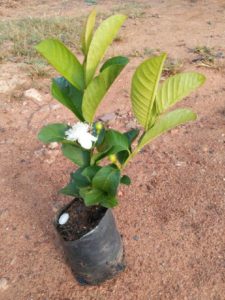
Thai dwarf guava plant online home delivery
🧴 घरेलू स्प्रे नुस्खा — फल झड़ने से बचाने के लिए
📝 सामग्री:
सामग्री
मात्रा
नीम की पत्तियाँ (या नीम तेल)
1 मुट्ठी (या 5 ml नीम तेल)
लहसुन की कलियाँ
10-12
हरी मिर्च
3-4
दही (खट्टा)
2 चम्मच
हल्दी पाउडर
1 चम्मच
पानी
1 लीटर
🧪 बनाने की विधि:
नीम पत्तियाँ, लहसुन और हरी मिर्च को मिक्सी में पीस लें। (अगर नीम तेल है, तो बाद में मिलाएँ)
इस पेस्ट को 1 लीटर पानी में मिलाएँ।
इसमें हल्दी और दही डालें और अच्छे से घोल लें।
घोल को 24 घंटे ढँककर छाया में रखें (फर्मेंटेशन से असर बढ़ेगा)।
फिर छान लें और स्प्रे बोतल में भर लें।
🌿 स्प्रे कैसे करें:
छांव में या सुबह/शाम पत्तों और छोटे फलों पर हल्का छिड़काव करें।
हर 7–10 दिन में एक बार करें, खासकर जब फल छोटे हों या फूल झड़ने के बाद फल बनने लगें।
✅ यह स्प्रे क्या-क्या करता है?
असर
कारण
फल झड़ने से बचाव
पौधे को पोषण और रोगप्रतिरोधक शक्ति देता है
फंगस और कीट नियंत्रण
नीम, हल्दी और लहसुन में एंटीफंगल व एंटीबैक्टीरियल गुण होते हैं
पौधा मज़बूत बनता है
दही और नीम से पत्तियाँ हरी व स्वस्थ होती हैं
📌 सुझाव:
अगर मच्छर, चींटियाँ या फल मक्खियाँ ज़्यादा हैं, तो पास में गुड़ वाला ट्रैप भी लगाएँ।
पहली बार छिड़काव करने से पहले पौधे के एक हिस्से पर टेस्ट करें।
अमरूद (Amrood / Guava) के फलों में कीड़े लगना आम समस्या है, खासकर जब फल पकने लगते हैं। सबसे ज़्यादा नुकसान “फ्रूट फ्लाई” (fruit fly) और अन्य कीटों से होता है जो फल को अंदर से सड़ा देते हैं।
यहाँ कुछ असरदार और प्राकृतिक उपाय बताए गए हैं जिससे आप अमरूद के फलों को कीड़ों से बचा सकते हैं:
🐛 अमरूद के फलों में कीड़े लगने से बचाने के उपाय
1. 🟢 फल को ढकना (Fruit Bagging)
फल जब छोटे हों तभी उन पर पेपर बैग, कपड़े की थैली, या नेट बैग चढ़ा दें।
यह फल मक्खी और अन्य कीटों को फल में अंडे देने से रोकता है।
यह तरीका जैविक खेती में सबसे प्रभावी माना जाता है।
2. 🟤 नीम का छिड़काव (Neem Spray)
नीम का तेल (Neem oil) 5 ml प्रति लीटर पानी में मिलाकर 7–10 दिन के अंतराल पर छिड़कें।
यह एक जैविक कीटनाशक है और फल खाने योग्य भी रहता है।
3. 🍌 कीट-आकर्षक ट्रैप लगाएँ (Fruit Fly Trap)
बाजार में उपलब्ध मिथाइल युगेनॉल (Methyl eugenol) ट्रैप या बॉटल ट्रैप का प्रयोग करें।
आप खुद भी बॉटल ट्रैप बना सकते हैं:
एक प्लास्टिक की बोतल में मीठा फल, गुड़ या चीनी का घोल डालें।
बोतल के ढक्कन में छोटा छेद करें। मक्खियाँ अंदर जाएँगी और फँस जाएँगी।
4. 🌿 फलों को समय पर तोड़ना (Timely Harvesting)
जब फल हल्का पीला होने लगे, तब तोड़ लें। ज़्यादा देर पेड़ पर लगे रहने से कीट जल्दी अटैक करते हैं।
5. 🧹 गिरा हुआ फल तुरंत हटाएँ
पेड़ के नीचे गिरे फलों को तुरंत उठाकर नष्ट करें, क्योंकि वे कीटों की शरणस्थली बनते हैं।
6. ⚪ बोर्डो मिक्स या फफूंदनाशी का छिड़काव
अगर फंगल संक्रमण के कारण कीड़े आ रहे हों तो “बोर्डो मिक्सचर” का हल्का छिड़काव करें।
“जापानी मियाज़ाकी आम“ एक दुर्लभ और महंगा आम की किस्म है, जिसे आमतौर पर “ताइयो नो तमागो” (Taiyo no Tamago) कहा जाता है, जिसका अर्थ होता है “सूरज का अंडा”।
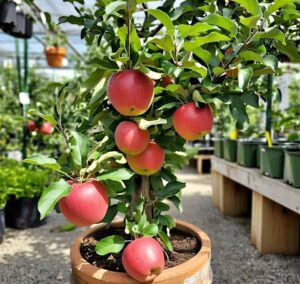
गमले में ‘हरिमन 99′ (Hariman 99) समर ज़ोन एप्पल से फल कैसे प्राप्त करें – हिंदी में मार्गदर्शन (Hariman 99 एक गर्म जलवायु में उगने वाला विशेष सेब का किस्म है जिसे पॉट में भी उगाया जा सकता है।)
hariman_99_summer_zone_apple_plant
🌱 1. सही गमला चुनें:
20 से 24 इंच गहरा और चौड़ा गमला लें।
गमले में अच्छा ड्रेनेज होना जरूरी है ताकि पानी जमा न हो।
🌿 2. मिट्टी का मिश्रण:
40% बगीचे की मिट्टी + 30% गोबर की खाद/वर्मी कम्पोस्ट + 20% रेत + 10% नीम की खली या कोकोपीट मिलाएं।
pH 6.0 से 7.0 के बीच होना चाहिए।
☀️ 3. धूप की व्यवस्था:
यह सेब गर्म क्षेत्र के लिए है, लेकिन फिर भी इसे कम से कम 6-8 घंटे की सीधी धूप मिलनी चाहिए।
💧 4. सिंचाई (पानी देना):
गर्मी में नियमित, लेकिन गीली मिट्टी से बचें।
मिट्टी सूखने पर ही पानी दें, अतिरिक्त नमी जड़ों को नुकसान पहुँचा सकती है।
🌸 5. फूल और फल लगने के समय देखभाल:
पौधे की उम्र कम से कम 1.5-2 साल होनी चाहिए फल आने के लिए।
जब कलियाँ दिखने लगें, तो फॉस्फोरस और पोटाश युक्त खाद (जैसे हड्डी की खाद + MOP) दें।
🪴 6. खाद देने का समय:
मौसम
खाद
वसंत (Feb-Mar)
गोबर की खाद + नीम खली + DAP
गर्मी (Apr-Jun)
जल-धारण शक्ति बढ़ाने वाली जैविक खाद (जैसे कोकोपीट) + पोटाश
बरसात (Jul-Sep)
वर्मी कम्पोस्ट + ट्राइकोडर्मा (फफूंदनाशक)
सर्दी (Oct-Dec)
हड्डी की खाद + राख + हल्की कटाई
✂️ 7. छंटाई (प्रूनिंग):
हर साल दिसंबर–जनवरी में सूखी और भीड़ वाली शाखाएं काटें।
इससे वेंटिलेशन और सूरज की रोशनी ठीक से मिलेगी, फल अच्छा आएगा।
🐛 8. रोग व कीट नियंत्रण:
नीम तेल, लहसुन-हरी मिर्च स्प्रे का छिड़काव करें।
पत्तों पर सफेद धब्बे या कीट दिखें तो जैविक कीटनाशक तुरंत लगाएं।
⏳ 9. फल आने का समय:
अच्छे रखरखाव में यह पौधा 2 से 3 साल में फल देना शुरू कर सकता है।
फल आमतौर पर जून से अगस्त के बीच तैयार होते हैं (गर्म जलवायु क्षेत्रों में)।
✅ अतिरिक्त सुझाव:
फूलों की संख्या ज्यादा हो तो कुछ कलियों को हटा दें — इससे बाकी फल बड़े और मीठे बनेंगे।
गमले को हर 2 साल में दोबारा मिट्टी मिलाकर रीपॉट करें।
यह रहा हरिमन 99 (Hariman 99 Summer Zone Apple) पौधे की महीना-दर-महीना देखभाल कैलेंडर (पॉट में) — हिंदी में:
🌿 हरिमन 99 सेब पौधा – गमले में देखभाल कैलेंडर
महीना
कार्य (Care Tips)
जनवरी (Jan)
– पौधे की हल्की छंटाई करें (Dead branches हटाएँ) – जैविक फफूंदनाशक (Trichoderma) डालें – गोबर की खाद डालें
फ़रवरी (Feb)
– फूलों की कली बनने लगती है – DAP + हड्डी की खाद + राख (wood ash) डालें – नियमित रूप से पानी दें, धूप में रखें
मार्च (Mar)
– फूल खिलते हैं – फूल गिरने से बचाने के लिए नीम तेल या जैविक स्प्रे करें – फल बनने लगे तो पोटाश दें (MOP)
अप्रैल (Apr)
– छोटे फल दिखने लगेंगे – जैविक खाद + पोटाश + नीम खली दें – पत्तियों पर कीट दिखें तो नीम स्प्रे करें
मई (May)
– फल बढ़ने की अवस्था – पौधे को 2 दिन में एक बार पानी दें – गमले को ज्यादा गर्म धूप से बचाएँ (छाया दें)
जून (Jun)
– फल पकने लगते हैं – गिरे हुए पत्ते/फल हटाएँ – यदि जरूरत हो तो थोड़ा पोटाश दें
जुलाई (Jul)
– फल कटाई के बाद पौधे को आराम दें – वर्मी कम्पोस्ट डालें – हल्की सिंचाई करें, जलभराव से बचें
अगस्त (Aug)
– नई शाखाएं निकलेंगी – 1-2 बार जैविक फफूंदनाशक + नीम खली दें – गमले की मिट्टी हल्की खोदाई करें
सितंबर (Sep)
– पोषक पूर्ति हेतु गोबर की खाद + राख दें – पत्तों पर रोग/कीट न हो, निरीक्षण करें
अक्टूबर (Oct)
– ठंडी शुरू होने से पहले पौधे की कटाई-छंटाई करें – ट्रेंचिंग (हल्का गड्ढा बनाकर खाद देना) करें
नवंबर (Nov)
– नया विकास रुकने लगता है – कोई भारी खाद न दें – सिर्फ पानी और जैविक स्प्रे जारी रखें
दिसंबर (Dec)
– पौधे को आराम की अवस्था में रखें – छंटाई की योजना बनाएं – जैविक मल्च डालें (सूखी पत्तियाँ या घास)
✅ अतिरिक्त सुझाव:
हर 6 महीने में गमले की ऊपरी 2-3 इंच मिट्टी बदलें।
हर 2-3 साल में पौधे को नए बड़े गमले में ट्रांसप्लांट करें।
यदि फूल बहुत अधिक हों तो थिनिंग (कुछ फूल हटाना) करें, इससे फल बड़े और स्वादिष्ट बनते हैं।
Boosting fruiting in a potted lemon plant requires a combination of proper care, the right nutrients, and optimal environmental conditions. Here’s a practical guide:
All season lemon plant for pot
✅ 1. Choose the Right Pot and Soil
Pot size: At least 18–24 inches in diameter and with drainage holes.
Soil: Well-draining, slightly acidic soil (pH 5.5–6.5). A mix of potting soil, compost, and sand/perlite works well.
✅ 2. Sunlight
Lemon plants need 6–8 hours of direct sunlight daily.
If indoors, place near a south-facing window or use grow lights.
✅ 3. Watering
Keep soil consistently moist, but not soggy.
Water when the top inch of soil feels dry.
Avoid letting the pot sit in water.
✅ 4. Fertilizing (Key for Fruiting!)
Use a citrus-specific fertilizer high in phosphorus and potassium:
NPK ratio around 5-10-10 or 6-3-6.
Fertilize every 4–6 weeks during growing season (spring–summer).
Supplement with micronutrients like magnesium (Epsom salt), zinc, and iron if leaves yellow.
Homemade boost: Mix 1 tablespoon of Epsom salt in 1 gallon of water once a month.
✅ 5. Pruning and Pollination
Prune lightly to shape the plant and remove dead branches.
Promote airflow and sunlight penetration.
Hand pollinate flowers indoors using a small brush or cotton swab.
✅ 6. Stress the Plant Slightly
After flowering begins, slightly reduce water for a short time. Mild stress can encourage fruiting.
✅ 7. Pest and Disease Management
Watch for aphids, spider mites, and scale.
Use neem oil or insecticidal soap if needed.
✅ 8. Repot Every 2–3 Years
Refreshes soil and prevents root binding, which can affect fruit production.