
Pistachio Plant – From Planting to Harvesting: Complete Guide
Pistachio (Pista) is one of the most valuable and nutritious dry fruits in the world. Known as the “Green Gold,” it is highly demanded in India for snacks, sweets, bakery, and health products. While India imports most of its pistachios from Iran, the USA, and Turkey, local cultivation is also gaining attention because of its profitability.
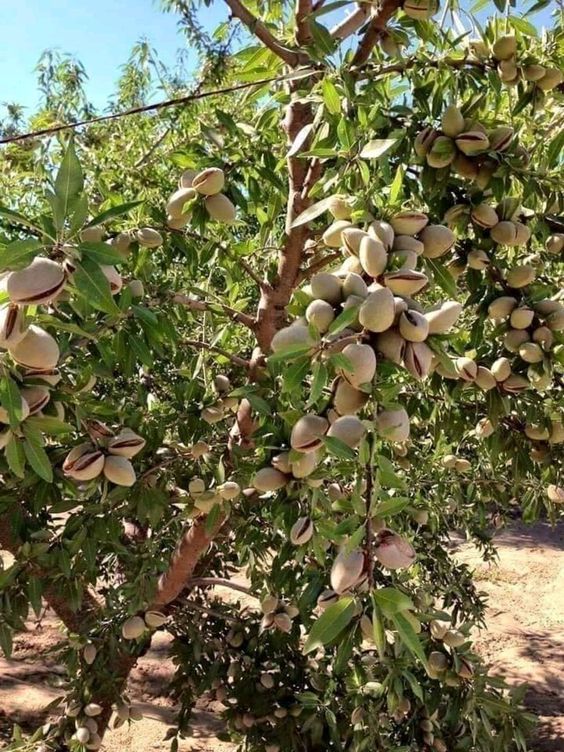
In this article, you will learn everything about pistachio plants – their benefits, how to grow them, step-by-step plantation methods, soil, climate requirements, care tips, disease management, harvesting, storage, economic importance, and FAQs.
Introduction to Pistachio Plant
-
What is Pistachio?
-
Scientific name: Pistacia vera
-
Family: Anacardiaceae (same as cashew, mango)
-
Type: Perennial, deciduous, medium-sized tree.
-
Lifespan: 70–80 years.
-
-
Why is it Valuable?
-
Rich in protein, fiber, antioxidants.
-
Premium dry fruit with high demand.
-
Long shelf life.
-
-
Global Cultivation
-
Major producers: Iran, Turkey, USA, Syria.
-
India imports pistachios worth thousands of crores annually.
-
Health and Nutritional Benefits of Pistachios
Nutritional Value
-
Protein: 20%
-
Fat: 45% (mostly unsaturated)
-
Fiber: 10%
-
Vitamins: B6, E, K
-
Minerals: Magnesium, Potassium, Phosphorus
Health Benefits
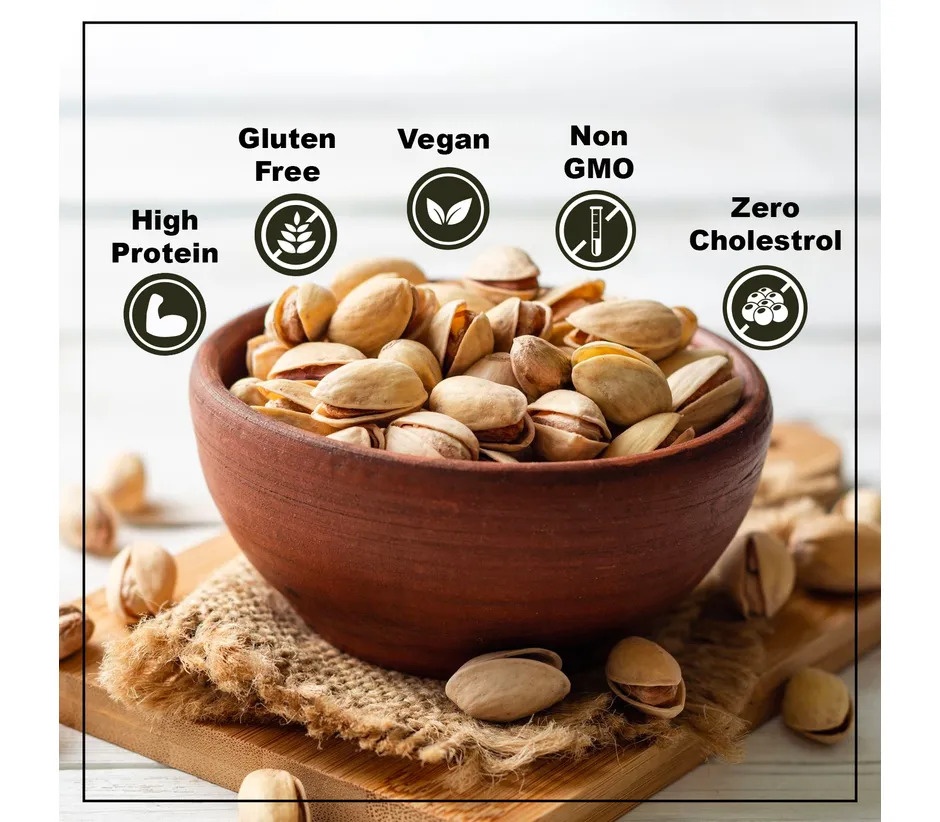
-
Heart Health – Improves cholesterol levels.
-
Weight Management – High satiety, low calories compared to other nuts.
-
Eye Health – Rich in lutein and zeaxanthin.
-
Skin Glow – Vitamin E protects skin from aging.
-
Diabetes Control – Helps regulate blood sugar levels.
-
Sexual Health – Regular pistachio consumption improves male fertility and stamina (studies support better blood flow and libido).
Climate and Soil Requirements
-
Climate:
-
Pistachio requires long, hot summers (35–40°C).
-
Winters should be cold (chilling requirement 800–1000 hours).
-
Rainfall: Dry climate preferred, excess humidity harmful.
-
-
Soil:
-
Sandy loam or loamy soils best.
-
Well-drained soil is essential.
-
pH between 7–8.
-
Tolerant to salinity and drought.
-
Plantation Method
Selection of Plants
-
Always buy certified nursery plants (grafted).
-
Both male and female plants required for pollination.
-
Ratio: 1 Male : 8–10 Female plants.
Identifying Male and Female Plants
-
Male plant: Produces pollen-bearing flowers, no fruits.
-
Female plant: Produces pistachio fruits after pollination.
-
Small plants (1–3 years): Cannot be identified visually. Must buy labeled grafted plants or use DNA testing.
Planting Season
-
Best season: February–March or July–August.
Planting Distance
-
6–7 meters between plants.
-
About 100–110 plants per acre.
Irrigation and Fertilization
-
Irrigation
-
Pistachio is drought-tolerant but needs water during flowering and fruiting.
-
Drip irrigation is ideal.
-
10–12 days interval in summer.
-
-
Fertilizers
-
Organic manure (20–25 kg per plant per year).
-
Nitrogen, Phosphorus, Potassium in balanced ratio.
-
Foliar sprays of micronutrients like Zinc, Boron improve yield.
-
Care and Maintenance
-
Pruning
-
Done in winters to remove weak/dry branches.
-
Maintains tree shape and improves flowering.
-
-
Weeding
-
Remove weeds around base regularly.
-
-
Mulching
-
Organic mulch (dry leaves, husk) helps retain soil moisture.
-
Flowering, Pollination, and Fruiting
-
Pistachio starts flowering in 5–6 years.
-
Full yield from 10–12 years.
-
Wind pollination – hence male plants are essential.
-
Fruits ripen in August–September.
Common Pests and Diseases
-
Aphids – Suck sap, weaken plants.
-
Fungal Diseases (Verticillium Wilt, Alternaria) – Cause leaf spots and wilting.
-
Nematodes – Harm roots.
Control:
-
Neem oil spray.
-
Bordeaux mixture.
-
Proper spacing and irrigation management.
Harvesting and Storage
-
Harvesting
-
When outer hull turns reddish and splits, nuts are ready.
-
Harvest manually by shaking or picking.
-
-
Processing
-
Remove hulls.
-
Dry nuts in sunlight for 2–3 days.
-
-
Storage
-
Can be stored for 1 year in dry, airtight containers.
-
Economic Value and Profitability
-
Pistachio price in India: ₹1200–1800 per kg.
-
Per tree yield: 20–25 kg annually (after maturity).
-
Per acre yield: 2000–2500 kg after 12 years.
-
Income: ₹25–30 lakhs per acre (long-term).
FAQs About Pistachio Cultivation
Q1: When and where to plant pistachio?
-
Best in dry, hot regions with cold winters.
Q2: How long before a pistachio tree bears fruit?
-
5–7 years for first yield, full production after 10 years.
Q3: How to identify male vs female plants early?
-
Only possible if grafted or certified plants are purchased.
Q4: Can pistachio be grown in pots?
-
Yes, dwarf varieties can be grown in large pots, but yield will be low.
Q5: What is the average lifespan of pistachio tree?
-
70–80 years.
Conclusion
Pistachio is one of the most profitable nut crops in the world. Although it requires patience and long-term investment, its returns are massive. With proper soil, irrigation, pruning, and care, pistachio cultivation can transform into a high-income source for farmers and plant lovers in India.
Identifying Male and Female Pistachio Plants
-
Basic Fact
-
Pistachio (Pistacia vera) is dioecious: male and female flowers grow on separate trees.
-
Only female plants bear nuts, but they require pollen from male plants to set fruit.
-
2. Identification in Mature Plants
-
Male Tree
-
Produces clusters of small, yellowish-green flowers without petals.
-
These flowers contain pollen but never develop into nuts.
-
Flowers appear earlier in the season than female flowers.
-
-
Female Tree
-
Produces loose clusters of flowers with a small ovary at the base.
-
After pollination, these flowers develop into pistachio nuts.
-
You will see nut clusters forming after successful pollination.
-
3. Identification in Young Plants
-
In seedlings or young plants (1–3 years), male vs. female cannot be visually identified.
-
Methods:
-
Grafted plants: Nurseries graft scions from known male or female trees onto rootstocks. Buy labeled grafted plants.
-
DNA/molecular tests: Some labs can determine sex from a small leaf sample.
-
Wait for flowering: Natural way, but takes 4–5 years.
-
4. Practical Cultivation Ratio
-
Farmers usually plant 1 male tree for every 8–10 female trees to ensure proper pollination.
-
Wind carries pollen, so male trees must be nearby.
✅ Conclusion:
-
You cannot tell male and female pistachio plants at seedling stage just by looking.
-
For home growers or farmers, always buy certified grafted plants from a reliable nursery to ensure correct male-female ratio. Click here to order pistachio plant
Recommendation: Use grafted, labeled pistachio plants for guaranteed results.