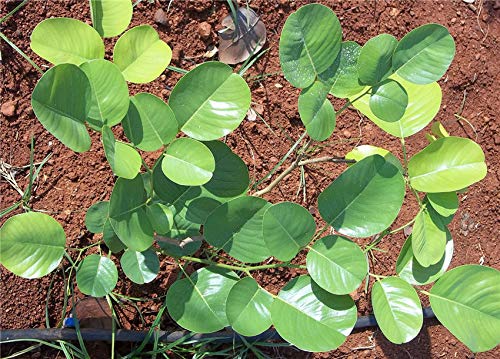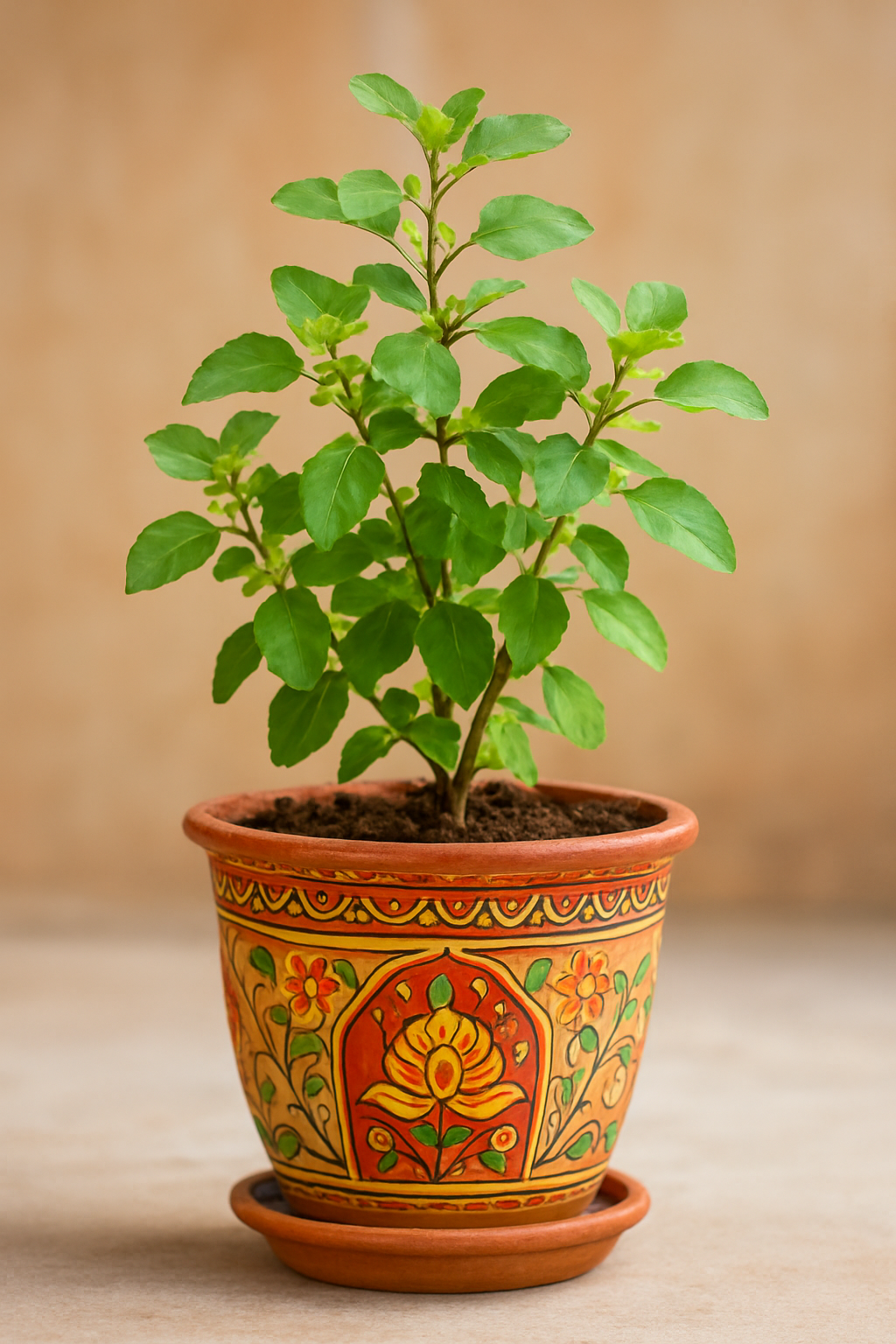
Cultural Value: Mango leaves are used in festivals, weddings, and religious ceremonies across India.
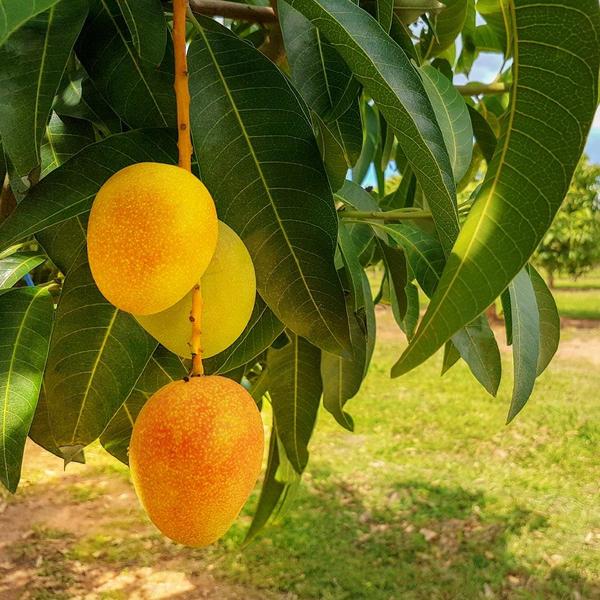
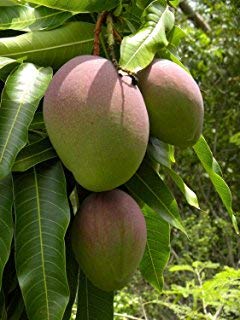
Taste Diversity: From sweet, pulpy Alphonso to tangy Totapuri, mangoes come in hundreds of varieties, each with unique flavor and aroma.
Nutrition: Rich in Vitamin A, Vitamin C, fiber, and antioxidants, mango boosts immunity, improves digestion, and promotes glowing skin.
Economic Importance: Mango cultivation supports millions of farmers, provides raw material for industries (juices, pickles, pulp), and has high export demand.
ЁЯен Top 11 Mango Varieties (Best Mangoes to Grow)
1. Dasheri Mango
Region: Uttar Pradesh (Malihabad, Lucknow)
Taste: Sweet, fiberless, aromatic
Season: JuneтАУJuly
Specialty: One of the most popular varieties in Indian households.
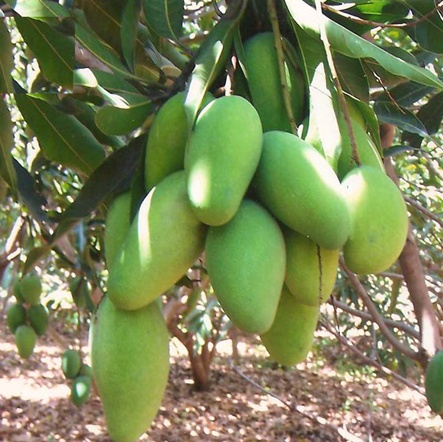
In dry regions, FebruaryтАУMarch is also suitable.
Location & Soil
Needs 6тАУ8 hours of sunlight daily.
Loamy, well-drained soil with pH 6.0тАУ7.5.
Pit Preparation
Dig a 1m ├Ч 1m ├Ч 1m pit.
Mix soil + sand + compost + neem cake + a little SSP (Single Super Phosphate).
Choosing the Plant
Prefer grafted plants (bear fruits in 3тАУ4 years).
Seed-grown plants may take 8тАУ10 years.
Planting Technique
Remove the polybag carefully.
Place the sapling in the pit.
Cover with soil & press gently.
Water immediately after planting.
Spacing
Traditional: 10 ├Ч 10 m
High Density Plantation (HDP): 5 ├Ч 5 m
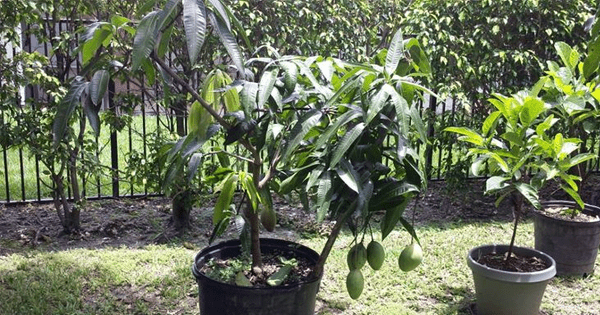
For pots: 24-inch container minimum.
ЁЯМ┐ Care & Maintenance
Watering
First year: every 7тАУ10 days.
Summer: every 4тАУ5 days.
Flowering stage: reduce watering.
Fertilizers
First 3 years: compost + neem cake every 2тАУ3 months.
Mature tree:
20тАУ25 kg farmyard manure
1тАУ1.5 kg nitrogen
0.5тАУ1 kg phosphorus
1тАУ1.5 kg potash
Pruning
Remove diseased, dry, and inward branches.
Maintain open canopy for airflow.
Pest & Disease Control
Mealybugs, fruit flies, thrips: Use neem oil spray.
Powdery mildew, anthracnose: Use Bordeaux mixture.
Mulching & Intercropping
Apply dry leaves or straw around the tree.
Grow pulses, ginger, or turmeric in early years.
ЁЯНЛ Easy Tips for Higher Yield
Choose grafted plants of high-yielding varieties.
Use organic sprays: buttermilk + neem oil + cow urine.
Adopt High Density Plantation for commercial farming.
Avoid excessive watering during flowering.
Apply potash-rich fertilizers for bigger, sweeter fruits.
Protect from fruit drop using NAA spray or organic alternatives.
тЭУ FAQs
Q1. How many years does a mango tree take to bear fruit?
Grafted: 3тАУ4 years
Seed-grown: 7тАУ10 years
Q2. Can mango be grown in pots?
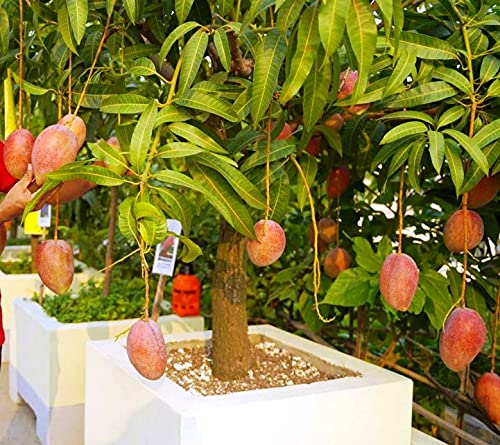
Yes, dwarf varieties like Amrapali and Neelum grow well in containers.
Q3. Which mango is the sweetest?
Alphonso and Dasheri are considered the sweetest.
Q4. How long does a mango tree live?
A healthy tree bears fruits for 40тАУ50 years, sometimes up to 100 years.
Q5. Why is Miyazaki mango so expensive?
Rare, limited production, unique red color, and extremely sweet flavor.
Q6. Is mango farming profitable?
Yes, with modern techniques like HDP, farmers can earn тВ╣3тАУ5 lakhs per hectare annually.
ЁЯУМ Conclusion
Mango is not just IndiaтАЩs national fruit but also a symbol of tradition, taste, and prosperity. With the right variety, proper care, and scientific methods, anyone can grow mangoes successfullyтАФwhether in a large farm, a backyard garden, or even in pots on a terrace.
ЁЯСЙ If you want delicious, juicy, and high-quality mangoes year after year:
Choose the right variety.
Follow proper planting & care methods.
Use organic fertilizers and sprays.
Practice pruning and modern techniques like HDP.
A well-cared mango tree can be your companion for decades, giving you joy, shade, and of courseтАФthe King of Fruits! ЁЯентЬи
Sandalwood (Chandan) is known as the тАЬKing of FragranceтАЭ in India. It is not just a plant but a tree of religious, medicinal, economic, and spiritual importance.
For thousands of years, sandalwood has been used in worship, Ayurveda, perfumes, and beauty products. Sandalwood wood and oil are so valuable that they are considered one of the most precious natural treasures of India.
Today, people grow sandalwood not only in gardens and homes but also as a profitable business. Planting sandalwood brings fragrance, positivity, health benefits, and financial prosperity. A sandalwood tree once planted can live for 70тАУ80 years.
ЁЯМ╝ Benefits of Sandalwood Plant
1. Religious and Spiritual Importance
Sandalwood paste is essential in worshipping Lord Vishnu, Lord Shiva, and other deities.
It is used in temple rituals, abhishekam, and tilak.
It provides peace, stability, and spiritual energy to the mind.
Growing sandalwood at home attracts positivity and purity.
2. Medicinal Benefits (Ayurvedic Uses)
In Ayurveda, sandalwood is considered cooling, healing, and anti-bacterial.
Skin health тАУ Sandalwood paste cures rashes, pimples, itching, and sunburn.
Mental peace тАУ Its fragrance relieves stress, anxiety, and insomnia.
Digestive health тАУ Sandalwood water improves digestion and relieves acidity.
Antiseptic тАУ Sandalwood oil heals cuts, wounds, and prevents infections.
Immunity booster тАУ Sandalwood improves body resistance and balances doshas.
3. Environmental Benefits
Sandalwood purifies the air and spreads fragrance.
Improves soil fertility.
Its natural fragrance keeps mosquitoes and insects away.
Provides natural coolness and freshness in the surroundings.
4. Economic Benefits
Sandalwood wood and oil are costlier than gold.
A mature sandalwood tree (15тАУ20 years) can be worth lakhs of rupees.
Sandalwood oil is in high demand in perfumes, incense, cosmetics, and medicine.
Sandalwood farming is a long-term investment with high returns.
5. Positive Effects at Home
Brings prosperity and good luck.
Enhances focus and positive energy.
Creates a soothing and spiritual environment at home.
ЁЯМ▒ How to Plant Sandalwood (Planting Methods)
1. Soil Selection
Grows best in red, black, and loamy soil.
Soil must be well-drained; avoid waterlogging.
2. Climate Requirements
Best suited for tropical climates.
Requires temperature between 12┬░C to 35┬░C.
3. Seed Preparation
Collect mature seeds and soak them in water for 24 hours.
Germination takes 30тАУ40 days.
4. Planting Time
The best time to plant sandalwood is monsoon (JulyтАУAugust).
Young plants need partial shade initially.
5. Supporting Host Plant
Sandalwood is semi-parasitic. It needs a host plant like turmeric, pigeon pea (arhar), or moong for nutrition.
ЁЯМ┐ Sandalwood Plant Care Tips
1. Watering
Water regularly in the first 2тАУ3 years.
After maturity, it needs less water.
2. Fertilizer
Use organic compost and vermicompost.
Apply nitrogen-based fertilizers for faster growth.
3. Pruning
Regular pruning helps in better branch development.
4. Pest & Disease Management
Protect from stem borers, termites, and fungus.
Use organic neem oil spray for pest control.
5. Growth Duration
Takes 15тАУ20 years to mature.
Can live for 70тАУ80 years.
ЁЯТ░ Economic Value of Sandalwood
1. Sandalwood Wood
Highly priced in national and international markets.
Used in carving, rituals, and ayurvedic medicines.
2. Sandalwood Oil
Extracted from wood and roots.
1 kg of pure sandalwood oil costs тВ╣50,000тАУтВ╣70,000 internationally.
3. Farming Opportunities
Farmers can earn huge profits after 15тАУ20 years.
Government provides schemes to promote sandalwood cultivation.
4. Business Opportunities
Industries for incense sticks, perfumes, cosmetics, and Ayurveda.
Export market offers huge profit.
ЁЯМ┐ Medicinal Uses of Sandalwood
For Skin
Sandalwood paste reduces pimples, acne, scars, and sunburn.
For Mind & Stress
Sandalwood oil calms the mind and relieves stress.
For Digestion
Sandalwood water cures stomach disorders.
For Immunity
Boosts body resistance against diseases.
ЁЯЫХ Religious & Vastu Importance
1. Religious Significance
Used in temples, poojas, and rituals.
Sandalwood paste for tilak is considered auspicious.
2. Vastu Importance
Growing sandalwood at home brings peace and prosperity.
Planting in the south direction is considered lucky.
3. Spiritual Use
Sandalwood incense is used in meditation and yoga for inner peace.
тЭУ FAQ Section
Q1. How many years does it take for sandalwood to mature? ЁЯСЙ Around 15тАУ20 years.
Q2. Can sandalwood be grown in pots? ЁЯСЙ Yes, young plants can be grown in pots with a host plant.
Q3. Which soil is best for sandalwood? ЁЯСЙ Red, black, and loamy soil with good drainage.
Q4. Do snakes live on sandalwood trees? ЁЯСЙ ItтАЩs a belief, but not entirely true. Sandalwood fragrance sometimes attracts reptiles nearby, but with cleanliness, itтАЩs not an issue.
Q5. Can sandalwood be planted at home? ЁЯСЙ Yes, it spreads fragrance and positivity.
Q6. Is sandalwood farming profitable? ЁЯСЙ Yes, sandalwood tree and oil are in high demand globally, making it highly profitable.
ЁЯУМ Conclusion
The sandalwood plant is not just a tree but a symbol of health, spirituality, and prosperity.
It benefits health through Ayurveda.
It enriches the environment with fragrance.
It provides economic value worth lakhs.
It holds deep religious and cultural significance.
ЁЯСЙ If you want a plant that gives benefits for generations, sandalwood is the perfect choice.
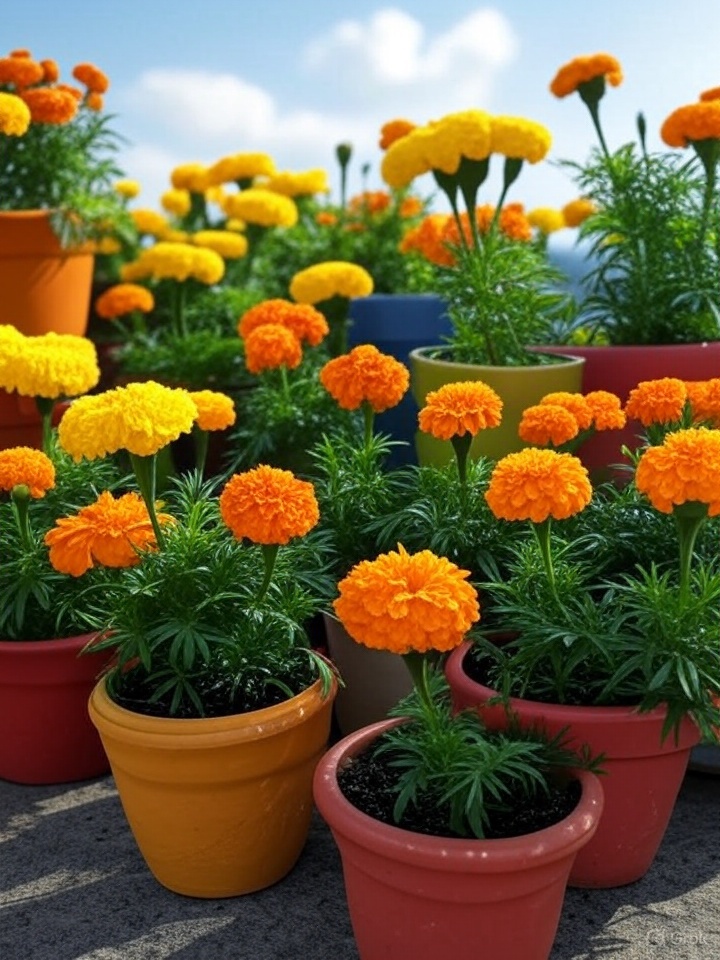
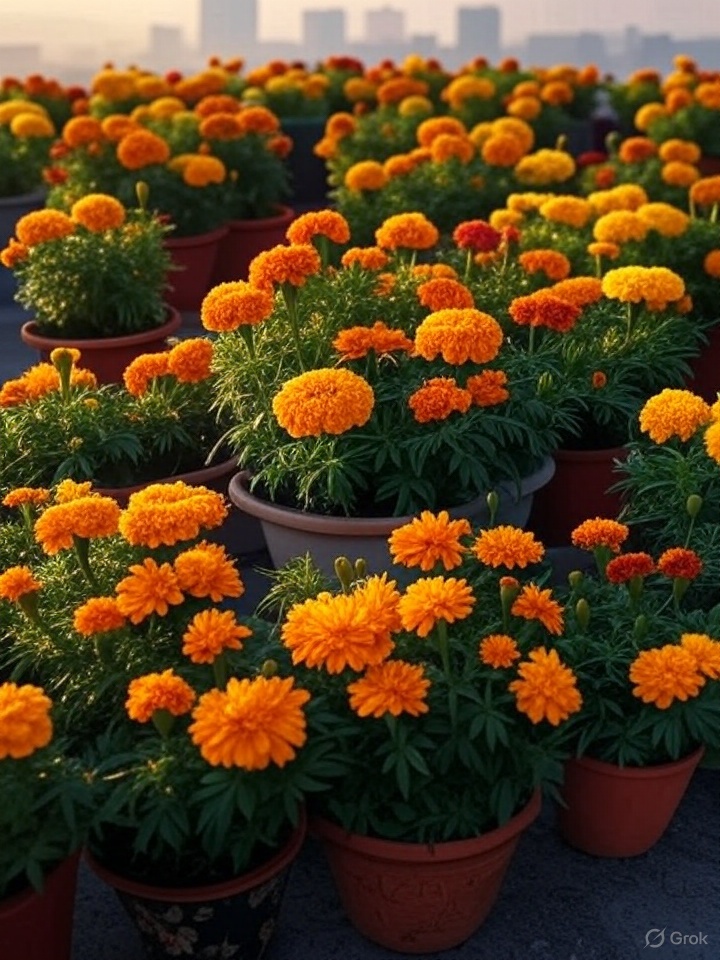
The marigold plant (Tagetes spp.), known as Genda in Hindi, is one of the most popular flowering plants in India and around the world. It is admired not only for its bright and attractive blooms but also for its wide use in decorations, festivals, religious rituals, medicinal remedies, and gardening purposes.
Marigolds are extremely easy to grow, require very little maintenance, and produce flowers continuously once they start blooming. This makes them a favorite for home gardens, balconies, and large landscapes.
There are mainly two popular types of marigolds:
African Marigold (Tagetes erecta) тАУ Large, round, bright yellow or orange flowers.
French Marigold (Tagetes patula) тАУ Smaller flowers in deep red, yellow, and orange shades, often with a strong fragrance.
From temples and weddings to festivals and gardens, marigolds hold immense importance in Indian culture. Beyond their beauty, they also offer medicinal, environmental, and economic benefits.
ЁЯМ╝ Benefits of Marigold Plant
1. Religious and Cultural Importance
Marigold flowers are considered auspicious in Hinduism.
They are commonly offered to Lord Ganesha and Hanuman during prayers.
Festivals like Diwali, Durga Puja, and Navratri use marigold garlands for decoration and rituals.
In weddings, marigold symbolizes good fortune and prosperity.
2. Ornamental and Gardening Uses
Marigolds bloom continuously once flowering begins.
They are perfect for borders, flower beds, and balcony decoration.
Their bright colors enhance the beauty of any garden space.
3. Medicinal Benefits
Marigolds contain antibacterial, antifungal, and anti-inflammatory properties.
A paste of leaves and flowers helps in skin infections and minor wounds.
Marigold tea reduces stomach issues and inflammation.
4. Environmental Benefits
The strong scent of marigolds repels mosquitoes, aphids, and harmful insects.
Farmers plant marigolds around crop fields as companion plants to reduce pests.
They also improve soil health naturally.
5. Economic Value
Marigold cultivation is low-cost and high-yield, making it profitable for farmers.
It has high demand throughout the year in markets for weddings, temples, and festivals.
ЁЯМ▒ How to Grow Marigold Plant
Marigolds can be grown easily from seeds, cuttings, or nursery saplings in pots and gardens.
1. Growing from Seeds
Prepare loose soil mixed with compost.
Sow seeds about 1тАУ2 cm deep.
Cover lightly with soil and water gently.
Seeds germinate within 5тАУ7 days.
2. Growing from Cuttings
Cut 4тАУ5 inch long healthy stems.
Dip in rooting hormone and place in moist soil.
Roots appear within 10тАУ15 days.
3. Growing in Pots
Use pots at least 8тАУ10 inches deep with drainage holes.
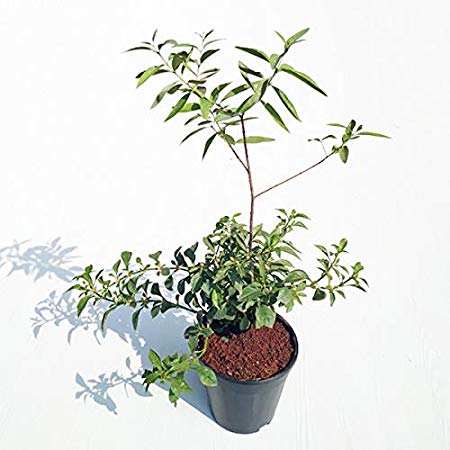
The camphor plant (Cinnamomum camphora), commonly known as Kapoor plant in India, is one of the most significant medicinal, spiritual, and ornamental plants. It has been valued for centuries due to its healing properties, refreshing fragrance, and religious importance. From ancient temples to modern households, camphor has been a symbol of purity, positivity, and wellness.
Camphor is not only burned during prayers and rituals but is also used extensively in Ayurveda, Unani, Chinese medicine, and home remedies. Having a camphor plant at home brings multiple benefits тАФ it purifies the air, removes negative energies, enhances prosperity, and provides a natural source of medicine.
In this detailed guide, you will learn about:
Incredible benefits of the camphor plant
How to grow camphor at home or in gardens
Effective care tips for healthy growth
Medicinal and Ayurvedic uses
Vastu and wealth-related remedies
FAQs related to the camphor plant
ЁЯМ┐ Major Benefits of the Camphor Plant
1. Religious and Spiritual Benefits
Camphor is considered highly sacred in Hinduism.
Lighting camphor during Aarti removes negativity and attracts divine blessings.
Keeping a camphor plant at home enhances spiritual energy and brings peace of mind.
2. Vastu and Energy Benefits
According to Vastu Shastra, camphor is a powerful tool to balance energies.
It eliminates stress, anxiety, and negativity from the environment.
Placing camphor in the northeast direction of the house increases prosperity.
3. Health Benefits
Camphor leaves and extracts have anti-bacterial, anti-fungal, and anti-inflammatory properties.
It helps in curing cough, cold, congestion, skin infections, and muscle pain.
Inhalation of camphor relieves headaches and boosts concentration.
4. Environmental Benefits
The camphor tree provides dense shade and fresh oxygen.
It naturally repels mosquitoes and insects.
Its strong aroma keeps the surroundings refreshing.
ЁЯМ▒ How to Plant a Camphor Plant
Best Time to Plant
The best season to plant camphor is spring or monsoon when the soil is moist and the climate is favorable.
Soil Requirements
Camphor grows best in well-drained, loamy soil.
Soil pH between 5.5 to 7.5 is ideal.
Mix organic compost with garden soil for better results.
Pot Selection
If planting in a pot, choose a large container (at least 18тАУ20 inches deep) with proper drainage holes.
Planting Process
Select healthy camphor seeds or saplings.
Fill the pot/ground with fertile soil mixed with compost.
Place the sapling in the center and cover roots gently with soil.
Water lightly to keep soil moist but avoid overwatering.
ЁЯМ┐ Care Tips for Camphor Plant
1. Watering
Water once or twice a week depending on climate.
Avoid waterlogging, as it can damage roots.
2. Sunlight
Camphor needs partial to full sunlight.
4тАУ6 hours of sunlight daily is ideal.
3. Fertilization
Use organic compost or cow dung every 30тАУ40 days.
Avoid excessive chemical fertilizers.
4. Pruning
Trim dry or dead leaves regularly.
Pruning enhances new growth and keeps the plant healthy.
5. Pest Control
Use neem oil spray to prevent fungal infections and insect attacks.
ЁЯМ┐ Medicinal Uses of Camphor Plant
Camphor has been used in Ayurveda and traditional medicine for centuries. Some common uses include:
Respiratory relief: Camphor vapor clears cough, cold, and nasal congestion.
Pain relief: Applying camphor oil reduces joint and muscle pain.
Skin treatment: Helps in acne, itching, and fungal infections.
Stress relief: Inhaling camphor calms the mind and reduces anxiety.
Wound healing: Works as a natural antiseptic.
тЪая╕П Note: Only edible camphor is safe for consumption. Commercial/synthetic camphor should not be ingested.
ЁЯТ░ Vastu and Wealth Remedies with Camphor
Keeping a camphor plant in the northeast direction attracts wealth and prosperity.
Burning camphor daily in the evening removes negative energies.
Placing camphor crystals in cupboards and corners prevents financial blockages.
Mixing camphor with holy water and sprinkling in the house enhances positivity.
тЭУ Frequently Asked Questions (FAQs)
Q1: Is it good to grow camphor plant at home? Yes, it brings health benefits, purifies air, and enhances prosperity.
Q2: Can camphor grow in pots? Yes, but you must use a large container with proper soil mix and drainage.
Q3: How long does a camphor tree live? A camphor tree can live for more than 100 years if properly cared for.
Q4: Does camphor attract wealth? Yes, according to Vastu Shastra, camphor helps in attracting wealth and removing obstacles.
Q5: Is camphor edible? Only natural edible camphor used in Ayurveda is safe in very small amounts.
ЁЯМ┐ Conclusion
The Camphor Plant (Kapoor Plant) is a miracle of nature that combines beauty, spirituality, and medicine in one. By growing this plant at home, you can:
Keep your surroundings pure and positive
Benefit from its wide range of health and medicinal uses
Attract prosperity and peace through Vastu remedies
If you are looking for a plant that enhances your health, wealth, and happiness, then the camphor plant is the perfect choice for your garden or home.
Everyone dreams of having a garden or balcony full of fragrant plants that spread a natural aroma and bloom with colorful flowers. These plants not only enhance the beauty of your home but also bring positivity and peace of mind.
In this article, weтАЩll explore the 10 most fragrant flowering plants that can be easily grown at home, along with their planting methods, care tips, and tricks to get maximum flowers.
ЁЯМ┐ 1. Rose Plant ЁЯМ╣
ЁЯМ╝ Highlights
Known as the King of Flowers.
Comes in various colors and varieties.
ЁЯМ▒ Planting Method
Choose a sunny spot.
Mix 60% garden soil + 30% compost + 10% sand.
Use nursery plants or stem cuttings.
ЁЯМ┐ Care
Water daily in the morning.
Needs 5тАУ6 hours of sunlight.
Regular pruning is essential.
ЁЯМ╕ More Flowers Tip
Add organic fertilizer every 15тАУ20 days.
Remove dried flowers quickly.
ЁЯМ┐ 2. Jasmine Plant
ЁЯМ╝ Highlights
Strong fragrance, especially in the evenings.
Widely used in worship and decoration.
ЁЯМ▒ Planting Method
Can be grown in pots or garden soil.
Loamy soil works best.
ЁЯМ┐ Care
Prefers partial sunlight, not direct harsh sun.
Water 3тАУ4 times a week.
ЁЯМ╕ More Flowers Tip
Apply bone meal or vermicompost before flowering season.
ЁЯМ┐ 3. Arabian Jasmine (Mogra)
ЁЯМ╝ Highlights
Among the most aromatic flowers.
Grows easily in pots.
ЁЯМ▒ Planting Method
Well-draining soil is best.
Use nursery plant or stem cutting.
ЁЯМ┐ Care
Needs more water in summer.
Reduce watering in winter.
ЁЯМ╕ More Flowers Tip
Add organic fertilizer monthly.
Use neem spray to protect buds.
ЁЯМ┐ 4. Tuberose (Rajnigandha)
ЁЯМ╝ Highlights
White fragrant flowers bloom at night.
Popular for garlands and perfumes.
ЁЯМ▒ Planting Method
Plant bulbs in MarchтАУApril.
Mix sandy soil with compost.
ЁЯМ┐ Care
Needs full sunlight.
Water regularly.
ЁЯМ╕ More Flowers Tip
Loosen soil around the plant every few weeks.
ЁЯМ┐ 5. Bela Plant
ЁЯМ╝ Highlights
Fragrant flowers widely used in religious rituals.
ЁЯМ▒ Planting Method
Can be planted in pots or ground.
Buy from a nursery for best results.
ЁЯМ┐ Care
Water 2тАУ3 times a week.
Grows well in sunlight or partial shade.
ЁЯМ╕ More Flowers Tip
Add bone meal during summer.
ЁЯМ┐ 6. Plumeria (Champa / Frangipani)
ЁЯМ╝ Highlights
Big, strongly fragrant flowers.
Common in temples and gardens.
ЁЯМ▒ Planting Method
Grows easily from stem cuttings.
Needs direct sunlight.
ЁЯМ┐ Care
Avoid overwatering.
Full sun is essential.
ЁЯМ╕ More Flowers Tip
Add phosphorus-rich fertilizer.
ЁЯМ┐ 7. Night Jasmine (Raat ki Rani)
ЁЯМ╝ Highlights
Famous for its strong night fragrance.
Small clustered flowers.
ЁЯМ▒ Planting Method
Plant in large pots or ground.
Mix sandy soil + compost.
ЁЯМ┐ Care
Water 2тАУ3 times a week.
Reduce watering in winter.
ЁЯМ╕ More Flowers Tip
Prune old branches regularly.
ЁЯМ┐ 8. Hibiscus (Gudhal)
ЁЯМ╝ Highlights
Bright red, yellow, and white flowers.
Sacred in Hindu rituals.
ЁЯМ▒ Planting Method
Buy from nursery.
Use organic soil mix with compost.
ЁЯМ┐ Care
Needs 4тАУ5 hours of sunlight.
Water 3тАУ4 times a week.
ЁЯМ╕ More Flowers Tip
Add compost every 20 days.
ЁЯМ┐ 9. Chrysanthemum (Guldaudi)
ЁЯМ╝ Highlights
Winter-blooming plant with colorful flowers.
Refreshing fragrance.
ЁЯМ▒ Planting Method
Propagate from cuttings in winter.
Use light soil + compost.
ЁЯМ┐ Care
Provide full sunlight.
Water moderately.
ЁЯМ╕ More Flowers Tip
Deadhead faded flowers immediately.
ЁЯМ┐ 10. Marigold (Genda)
ЁЯМ╝ Highlights
Easiest and fastest flowering plant.
Common for worship and decoration.
ЁЯМ▒ Planting Method
Grows easily from seeds.
Choose a sunny spot.
ЁЯМ┐ Care
Water regularly.
Loosen soil every 10тАУ15 days.
ЁЯМ╕ More Flowers Tip
Add phosphorus and potash fertilizer.
ЁЯМ║ General Tips for More Flowers
Ensure 4тАУ6 hours of sunlight daily.
Use organic compost every 2тАУ3 weeks.
Remove old/dry flowers to encourage new blooms.
Loosen soil for proper root aeration.
Use neem oil spray for pest control.
ЁЯМ╕ Conclusion
If you want your garden or balcony to be filled with fragrance and colorful flowers, then definitely grow these 10 fragrant flowering plants. They are easy to maintain, look beautiful, and bring freshness, positivity, and peace to your home.
Tulsi (Holy Basil) is considered the most sacred and powerful plant in Indian culture. It is worshipped as a goddess, a protector of health, and a bringer of prosperity. Tulsi is not only a symbol of faith but also a natural healer and purifier. In Hindu homes, it is said that a house without Tulsi is incomplete.
рддреБрд▓рд╕реА рдХрд╛ рдкреМрдзрд╛
In Ayurveda, Tulsi is known as the тАЬQueen of HerbsтАЭ due to its immense medicinal value. From boosting immunity to reducing stress, Tulsi offers countless health, spiritual, and environmental benefits. Planting Tulsi at home attracts positive energy, health, wealth, and peace of mind.
тЬЕ Health Benefits of Tulsi
1. Boosts Immunity
Tulsi is rich in antioxidants and essential oils that help fight infections, flu, and fevers.
2. Improves Respiratory Health
Tulsi leaves are highly effective for cold, cough, asthma, and other respiratory issues.
3. Reduces Stress and Anxiety
Tulsi tea calms the nervous system, balances hormones, and reduces stress.
4. Improves Digestion
Consuming Tulsi leaves improves appetite and helps relieve acidity and indigestion.
5. Controls Blood Sugar and Cholesterol
Tulsi helps in managing diabetes and cholesterol naturally.
6. Natural Detoxifier
It purifies blood, removes toxins, and improves skin glow.
тЬЕ Spiritual and Religious Benefits
1. Attracts Prosperity and Good Luck
It is believed that Goddess Lakshmi resides where Tulsi is worshipped daily.
2. Removes Negative Energy
Tulsi is said to protect the house from evil eyes and negative vibrations.
3. Brings Harmony and Peace
Planting Tulsi in the northeast corner of the house ensures positivity and harmony in relationships.
4. Essential in Hindu Rituals
Tulsi leaves are mandatory in worship of Lord Vishnu, Krishna, and Rama.
ЁЯМ┐ Part 2: Planting Methods + Care Tips
ЁЯМ▒ How to Plant Tulsi at Home
тЬЕ Best Place to Plant Tulsi
Always plant Tulsi in the north, northeast, or east direction.
Avoid placing Tulsi in the south direction.
тЬЕ Planting in Soil or Pot
You can plant Tulsi directly in the soil or in a decorative pot/ Tulsi planter (Tulsi choura).
Make sure the pot has proper drainage holes.
тЬЕ Best Season for Planting
Tulsi grows best in spring and early monsoon.
Seeds germinate quickly in warm and moist conditions.
тЬЕ Step-by-Step Method
Take Tulsi seeds or cuttings.
Fill the pot with fertile soil mixed with compost.
Place the seeds/cuttings 1 inch deep.
Water lightly every morning.
Keep the pot in a sunny spot (Tulsi needs 4тАУ6 hours of sunlight daily).
ЁЯМ▒ Tulsi Care Tips
тЬЕ Watering
Water Tulsi every morning except Sundays (as per tradition).
Avoid overwatering as it may cause root rot.
тЬЕ Sunlight
Provide at least 4тАУ6 hours of direct sunlight.
During extreme summer, protect it from harsh afternoon sun.
тЬЕ Pruning and Maintenance
Regularly pinch the flowers and prune old leaves to keep the plant healthy.
тЬЕ Fertilizer
Add organic compost once every 15тАУ20 days.
тЬЕ Protecting from Pests
Use neem spray if aphids or insects attack the leaves.
ЁЯМ┐ Part 3: Types + Remedies + Other Benefits
ЁЯМ┐ Different Types of Tulsi
Rama Tulsi (Green Tulsi) тАУ sweet taste, light green leaves, best for worship.
Krishna Tulsi (Purple Tulsi) тАУ dark purple leaves, strong medicinal properties.
Vana Tulsi (Wild Tulsi) тАУ boosts immunity and energy.
Shri Tulsi тАУ purifies air and is commonly planted at home.
Amrita Tulsi (Rare Variety) тАУ highly powerful for meditation and spiritual practices.
ЁЯМ┐ Tulsi Remedies for Wealth and Prosperity
тЬЕ Lighting a Lamp near Tulsi
Light a ghee lamp near Tulsi every evening to attract Goddess LakshmiтАЩs blessings.
тЬЕ Offering Water and Circumambulation
Offer fresh water daily and take 11 rounds around Tulsi for prosperity.
тЬЕ Tulsi Leaf with Silver Coin
Place a silver coin with Tulsi leaves in your locker or cash box for financial stability.
тЬЕ Drawing Swastik on Tulsi Pot
On Fridays, draw a Swastik on the Tulsi pot with kumkum. It ensures wealth and happiness.
тЬЕ Keeping a Conch Shell in Tulsi Pot
Place a conch (shankh) in the Tulsi planter to remove negativity.
ЁЯМ┐ Other Uses of Tulsi
тЬЕ For Health
Tulsi + Honey + Ginger juice is the best natural remedy for cough.
Tulsi tea relieves fatigue and refreshes the mind.
тЬЕ For Peace of Mind
Meditating near Tulsi calms the mind and improves focus.
тЬЕ For Vastu
Planting Tulsi in the northeast direction removes Vastu dosha and increases positivity.
тЬЕ For Protection
Using Tulsi water during rituals protects from evil eyes.
ЁЯМ┐ Part 4: FAQs + Conclusion
тЭУ Frequently Asked Questions
Q1. Can Tulsi be planted in the south direction? ЁЯСЙ No, Tulsi should never be planted in the south direction. Always choose north, east, or northeast.
Q2. Why is Tulsi not watered on Sundays? ЁЯСЙ According to Hindu tradition, Tulsi rests on Sunday, so it is considered inauspicious to water it that day.
Q3. What to do with dry Tulsi leaves? ЁЯСЙ Never throw them in the trash. Immerse them in holy water or under a sacred tree.
Q4. Can Tulsi grow indoors? ЁЯСЙ Yes, Tulsi can be grown indoors if kept near a sunny window.
Q5. When is the best time to sow Tulsi seeds? ЁЯСЙ Early summer and monsoon season are best for planting Tulsi seeds.
ЁЯМ┐ Conclusion
Tulsi is not just a plantтАФit is a sacred blessing for health, wealth, and spirituality.
It purifies the environment.
Protects against diseases.
Attracts prosperity and peace.
Strengthens spiritual connection with the divine.
ЁЯСЙ If you want good health, positivity, and financial stability in your home, plant a Tulsi today and take care of it with devotion.