🌿 What is Pruning? Why, When, and How to Do It? Benefits and Important Precautions
What is Pruning?
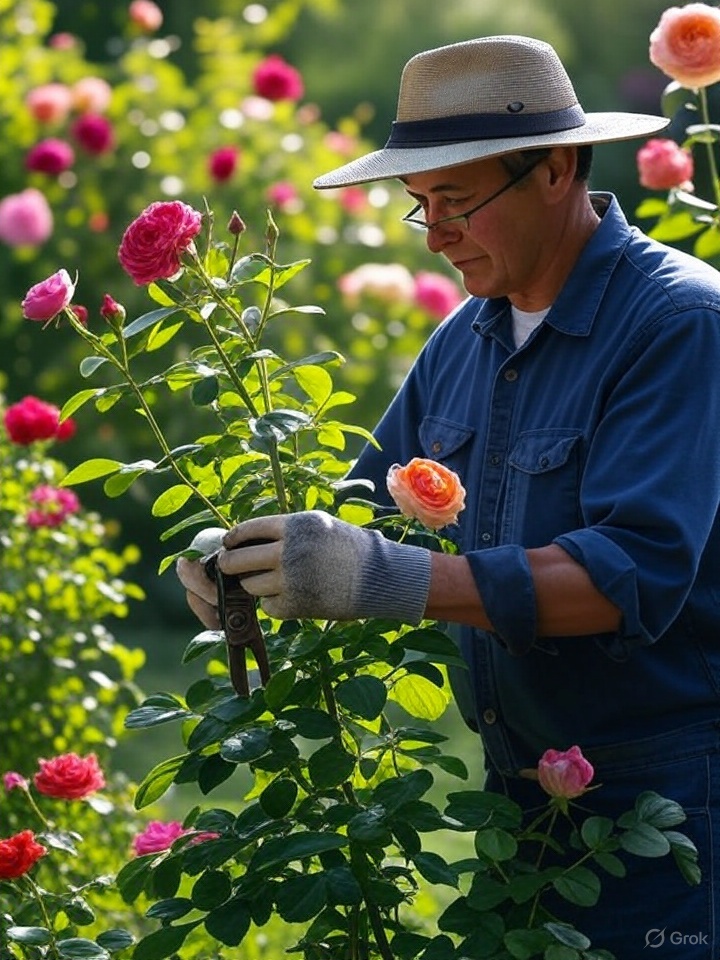
In gardening and plant care, pruning is one of the most important practices. It means cutting away unwanted, dry, diseased, or overgrown branches so that the plant can grow healthier, stronger, and more beautiful.
In simple words, just as we trim our hair to keep it healthy and neat, plants too need trimming. This trimming process is known as pruning.
-
Pruning helps plants stay healthy, balanced, and attractive.
-
In bonsai and ornamental plants, pruning is even more important because their beauty depends on their shape and design.
-
Without proper pruning, plants can become messy, unhealthy, and weak.

How to prune plants
Benefits of pruning
Bonsai pruning techniques
Plant pruning tips
Best time to prune
Why is Pruning Important?
🌱 For Plant Health
Dead, dry, or diseased branches often become the breeding ground for pests and fungi. Pruning eliminates them and keeps the plant healthy.
🌼 For Shape and Aesthetic Appeal
Ornamental plants and bonsai look beautiful only when they are shaped properly. Pruning helps give them the desired structure.
🌿 For New Growth of Branches and Flowers
By removing unnecessary branches, the plant saves energy and directs it towards new shoots, leaves, and flowers.
🍊 To Remove Diseased and Dry Branches
Diseased parts spread infection to the whole plant. Cutting them off increases the plant’s lifespan.
🌳 Special Role in Bonsai and Decorative Plants
The entire beauty of a bonsai depends on how well it is pruned and shaped.
When to Prune? (Best Time for Pruning)
🌤️ According to Seasons
-
Summer: Perform light pruning; heavy cuts can dehydrate the plant.
-
Winter: Best season for many plants as they remain dormant.
-
Monsoon: Avoid heavy pruning as it increases fungal infection risk.
🌳 According to Plant Type
-
Fruit Trees: Best pruned after harvesting.
-
Flowering Plants: Prune once flowers have dropped so that the next cycle has more blooms.
-
Bonsai Plants: Require light pruning every few months depending on growth.
❌ Disadvantages of Pruning at the Wrong Time
-
Plant growth may stop.
-
Reduced flowering and fruiting.
-
Plants may become weak or diseased.
How to Prune? (Step-by-Step Guide)
🛠️ Preparation Before Pruning
-
Choose the right tools – use sharp and clean pruning shears or secateurs.
-
Inspect the plant – identify unwanted, dry, or diseased branches.
✂️ Pruning Techniques
-
Hard Pruning: Deep cutting to redesign or reshape the plant completely.
-
Light Pruning: Simple trimming to maintain shape.
-
Thinning: Removing inner branches to allow more light and air.
-
Heading Back: Cutting back branches to reduce their length.
🌱 Bonsai Pruning Techniques
-
Root Pruning: Cutting roots to fit bonsai into small pots.
-
Branch Pruning: Shaping the bonsai by removing selected branches.
-
Pinching: Removing tender new shoots with fingers to control growth.
🌿 Aftercare Post-Pruning
-
Apply fungicide on cut areas.
-
Provide adequate water.
-
Keep plant away from direct harsh sunlight for a few days.
Benefits of Pruning
🌱 Faster Growth and Better Yield
Pruning redirects plant energy to important parts, resulting in better growth.
🌼 More Flowers and Fruits
Plants produce more flowers and fruits when unnecessary branches are removed.
🌳 Longer Plant Life
Healthy and disease-free plants live longer.
🌸 Better Shape and Aesthetic Look
Ornamental and bonsai plants look much more attractive with proper pruning.
🐛 Protection from Diseases and Pests
Good airflow and sunlight penetration reduce the chances of fungal infections and pests.
Precautions to Take While Pruning
-
Always use sharp and sterilized tools.
-
Understand the plant type and growth pattern.
-
Avoid over-pruning, as it weakens the plant.
-
Choose the right season; avoid heavy pruning during monsoons.
-
Dispose of cut branches properly to prevent pest infestation.
Pruning and Bonsai (Special Section)
🌿 Importance of Pruning in Bonsai
Pruning is the backbone of bonsai art—it helps create a miniaturized version of a tree.
🪴 Easy Tips for Beginners
-
Never cut too much at once.
-
Focus more on side branches rather than the top.
-
After root pruning, let the plant recover before reshaping again.
🌱 Techniques to Shape Bonsai
-
Use wiring along with pruning to design the bonsai.
-
Do light pruning every season.
-
Use pinching to control fresh growth.
Common Mistakes People Make While Pruning
-
Pruning without any plan.
-
Cutting too many branches at once.
-
Pruning at the wrong season.
-
Using dirty or blunt tools that damage the plant.
Frequently Asked Questions (FAQ on Pruning)
Q1: Do all plants need pruning?
👉 No. Some plants like cacti and succulents rarely need pruning.
Q2: How often should I prune my plants?
👉 Depends on the plant type and growth speed. Usually, once or twice a year is enough.
Q3: Can pruning kill a plant?
👉 Yes, if done excessively, at the wrong season, or with improper technique.
Q4: How often should bonsai be pruned?
👉 Bonsai usually need pruning every 2–3 months depending on growth and style.
Q5: What is the difference between pruning and pinching?
👉 Pruning is cutting branches with tools, while pinching is removing new shoots with fingers.
Conclusion
Pruning is an art and science every gardener must know. It not only improves plant health but also enhances their beauty and productivity.
-
Right timing → better flowers and fruits.
-
Right tools and methods → quick recovery and healthy growth.
-
Regular pruning keeps your garden and bonsai plants balanced, attractive, and long-lasting.