Grapes are one of the oldest and most cherished fruits in the world. They are not only delicious but also carry deep cultural, medicinal, and spiritual significance. Having a grapevine at home is more than just gardening; it is an investment in health, prosperity, and natural beauty.
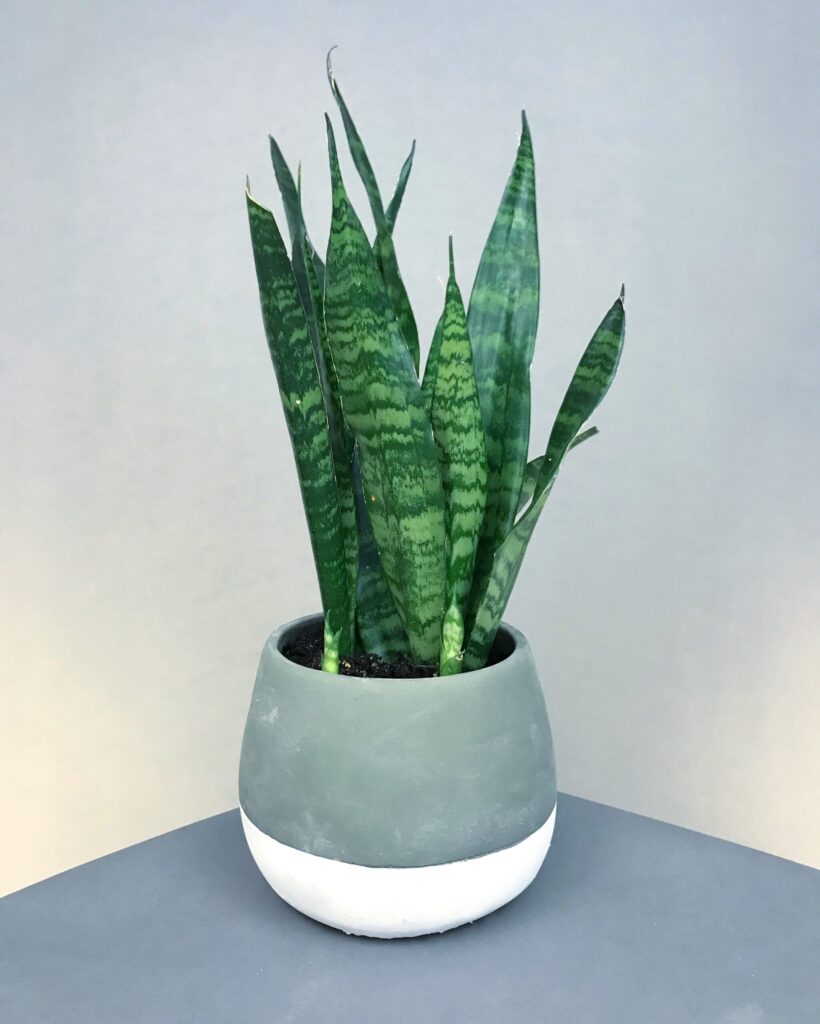
The Snake Plant (Sansevieria), also known as Mother-in-Law’s Tongue, is one of the most popular indoor plants worldwide. Its striking upright leaves and low-maintenance nature make it an excellent choice for homes and offices. Beyond aesthetics, it is also known for its air-purifying qualities, health benefits, and positive energy according to Vastu and Feng Shui.
snake_plant
In this detailed article, you will learn:
Key benefits of Snake Plant
Correct planting method
Care and maintenance tips
Easy propagation techniques
Precautions and FAQs
Identification of Snake Plant
The leaves are long, upright, and sword-shaped.
Colors may range from dark green to yellow-edged or striped varieties.
It can tolerate both low light and bright indirect sunlight.
Benefits of Snake Plant
1. Air Purification
NASA research confirms Snake Plant removes benzene, formaldehyde, and trichloroethylene from indoor air.
Unlike most plants, it releases oxygen at night, making it perfect for bedrooms.
2. Health Benefits
Provides fresh oxygen indoors.
Helps reduce stress and fatigue.
Improves sleep quality by maintaining a healthier atmosphere.
3. Vastu and Feng Shui Benefits
Considered a good luck plant in Vastu.
Brings prosperity, positivity, and protective energy to the home.
4. Low Maintenance and Durable
Survives with minimal water.
Ideal for busy individuals and beginners.
How to Plant Snake Plant
1. Choosing the Right Pot
Use a wide pot to allow root expansion.
Ensure proper drainage holes at the bottom.
2. Soil Preparation
Snake Plant requires well-draining soil.
Best mix: garden soil + sand + compost in equal proportions.
3. Planting Method
Place the plant in the center of the pot.
Fill with soil mixture, press gently, and water lightly.
Snake Plant Care Guide
1. Watering
Water only once a week.
Always check if the soil is dry before watering.
Overwatering can cause root rot.
2. Light and Placement
Thrives in low to medium indirect light.
Avoid direct harsh sunlight, as it can burn the leaves.
Best placement: near a window with filtered light.
3. Fertilization
Feed with a liquid fertilizer every 2–3 months.
Minimal feeding needed during summer and monsoon.
4. Leaf Cleaning
Wipe leaves with a damp cloth regularly.
Keeps them fresh, shiny, and free from dust.
Propagation – Get More Snake Plants Easily
Leaf Cutting Method – Cut a healthy leaf, plant it in soil, and new shoots will appear.
Division Method – Separate a matured plant into sections and repot them.
Precautions
Keep away from children and pets – the sap may be mildly toxic if ingested.
Avoid overwatering.
Do not place in extremely cold locations.
Frequently Asked Questions (FAQs)
Q1: Can Snake Plant be kept in bedrooms? Yes. It releases oxygen at night, making it perfect for bedrooms.
Q2: Can it be planted outdoors? Yes, but preferably in shaded or semi-shaded areas.
Q3: How often should Snake Plant be watered? Once a week, or only when the soil feels dry.
Conclusion
The Snake Plant is not only a beautiful indoor plant but also a powerful natural air purifier and positivity booster. Its easy care makes it one of the best plants for homes and offices.
👉 If you want to bring a healthy and low-maintenance air-purifying plant into your home, order Snake Plant today from BonsaiPlantsNursery.com.
स्नेक प्लांट (Snake Plant), जिसे Sansevieria या मदर-इन-लॉज़ टंग भी कहा जाता है, एक बेहद लोकप्रिय इनडोर पौधा है। यह पौधा अपनी आकर्षक पत्तियों और आसान देखभाल की वजह से घर और ऑफिस दोनों जगह लगाया जाता है। इसके अलावा, यह पौधा वायुप्रदूषण कम करने और स्वास्थ्य लाभ देने में भी बेहद असरदार है।
snake_plant
इस लेख में हम जानेंगे –
Snake Plant के अद्भुत फायदे
घर में इसे लगाने का सही तरीका
इसकी देखभाल और खास बातें
अधिक पौधे और लंबे समय तक स्वस्थ रखने के टिप्स
Snake Plant की पहचान (Identification)
इसकी पत्तियाँ लंबी, मोटी और तलवार जैसी होती हैं।
पत्तियों का रंग हरा, पीला और हल्का सफेद धारियों वाला हो सकता है।
यह कम रोशनी और ज्यादा रोशनी दोनों में जीवित रह सकता है।
Snake Plant लगाने के फायदे
1. वायु शुद्धिकरण (Air Purification)
NASA के अनुसार, यह पौधा हवा से बेंजीन, फॉर्मल्डिहाइड और ट्राइक्लोरोएथिलीन जैसे ज़हरीले तत्वों को हटाता है।
रात में भी ऑक्सीजन रिलीज़ करता है, जिससे यह बेडरूम के लिए सबसे अच्छा पौधा माना जाता है।
2. स्वास्थ्य लाभ (Health Benefits)
घर में ताजी ऑक्सीजन बनाए रखता है।
तनाव और थकान को कम करने में मदद करता है।
नींद की गुणवत्ता सुधारता है।
3. वास्तु और फेंगशुई लाभ
Snake Plant को वास्तु शास्त्र में शुभ माना जाता है।
यह घर में सकारात्मक ऊर्जा और समृद्धि लाने वाला पौधा है।
4. कम देखभाल में टिकाऊ
यह पौधा हफ्तों तक पानी दिए बिना भी जीवित रह सकता है।
व्यस्त जीवनशैली वाले लोगों के लिए आदर्श।
Snake Plant लगाने का तरीका
1. सही गमला चुनें
पौधे की जड़ों को फैलने के लिए चौड़ा गमला चुनें।
गमले में पानी निकलने के लिए छेद ज़रूरी है।
2. मिट्टी की तैयारी
Snake Plant के लिए well-draining soil जरूरी है।
मिट्टी में रेत, गार्डन सॉयल और कम्पोस्ट का मिश्रण उपयोग करें।
3. पौधा लगाना
पौधे को गमले के बीच में लगाएँ।
मिट्टी डालकर हल्का दबाएँ और ऊपर से थोड़ा पानी दें।
Snake Plant की देखभाल कैसे करें
1. पानी देना
हफ्ते में एक बार ही पानी दें।
मिट्टी सूखी होने पर ही पानी डालें।
ज़्यादा पानी से जड़ें सड़ सकती हैं।
2. रोशनी और स्थान
यह पौधा कम रोशनी में भी अच्छा बढ़ता है।
सीधे धूप में रखने से पत्तियाँ जल सकती हैं।
सबसे अच्छा स्थान है खिड़की के पास अप्रत्यक्ष रोशनी।
3. खाद डालना
हर 2-3 महीने में हल्की लिक्विड फर्टिलाइज़र दें।
गर्मी और बरसात में ज्यादा खाद की ज़रूरत नहीं।
4. पत्तियों की सफाई
गीले कपड़े से पत्तियों को समय-समय पर साफ करें।
इससे पौधा ताज़ा और चमकदार दिखता है।
ज्यादा Snake Plant पाने के आसान तरीके
लीफ कटिंग: पत्तियों को काटकर मिट्टी में लगाने से नए पौधे उग सकते हैं।
डिवीजन मेथड: पुराने पौधे को 2-3 हिस्सों में बाँटकर अलग गमलों में लगाएँ।
Snake Plant से जुड़ी सावधानियाँ
बच्चों और पालतू जानवरों को इससे दूर रखें क्योंकि इसकी पत्तियों का रस हल्का जहरीला हो सकता है।
अधिक पानी न दें।
बहुत ठंडी जगह पर पौधा रखने से बचें।
H2: FAQ – अक्सर पूछे जाने वाले सवाल
प्रश्न 1: क्या Snake Plant बेडरूम में रखा जा सकता है? उत्तर: हाँ, यह रात में भी ऑक्सीजन देता है, इसलिए बेडरूम के लिए आदर्श है।
प्रश्न 2: क्या Snake Plant घर के बाहर लगाया जा सकता है? उत्तर: हाँ, परंतु इसे छांव वाली जगह पर रखें।
प्रश्न 3: Snake Plant को कितने दिन में पानी देना चाहिए? उत्तर: हफ्ते में एक बार, मिट्टी सूखी होने पर।
निष्कर्ष
Snake Plant न केवल घर और ऑफिस की शोभा बढ़ाता है, बल्कि यह स्वास्थ्य और ऊर्जा का स्रोत भी है। यह पौधा आसान देखभाल के साथ लंबे समय तक हरा-भरा रहता है और आपके घर में सकारात्मकता लाता है।
👉 अगर आप अपने घर या ऑफिस में स्नेक प्लांट लगाना चाहते हैं, तो इसे आज ही BonsaiPlantsNursery.com से मंगाएँ।
The Betel Vine (Paan ki Bel) is one of the most respected, beneficial, and culturally significant plants in India. People have been cultivating it for centuries not just for its taste but also for its medicinal, cultural, religious, and health-enhancing properties.
Banarsi paan live plant for home garden
In this complete guide, you will learn:
What betel vine is and how to identify it
Step-by-step method to plant and care for it at home
Incredible medicinal, cultural, and sexual health benefits
How to get bigger, greener, and plenty of leaves
Vastu and spiritual significance
Common FAQs
🌱 Section 1: Introduction to Betel Vine
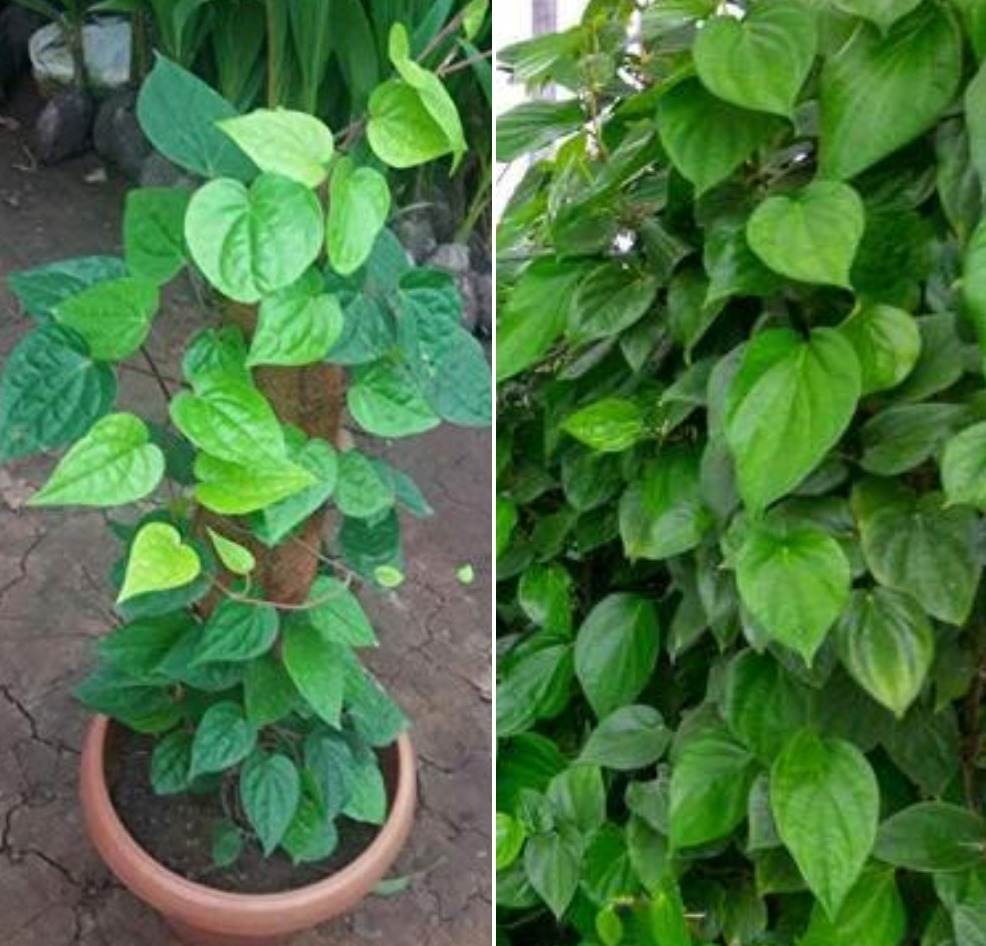
Betel Vine (Piper betle) is a climbing evergreen creeper that grows best in warm and humid climates. Its heart-shaped glossy leaves are consumed widely in India, especially as part of traditional meals and ceremonies. Known as “Paan”, it is not only a symbol of hospitality but also a natural remedy for many health conditions.
🌿 Section 2: Botanical Information & Types
Botanical Name: Piper betle
Family: Piperaceae
Plant Type: Creeper / Climber (requires support to grow)
Lifespan: Perennial (can live for many years with proper care)
Common Varieties in India:
Maghai Paan
Bangla Paan
Kapoori Paan
Sanchi Paan
🏡 Section 3: How to Plant Betel Vine at Home
1. Best Season
Betel vine grows well in monsoon and spring when humidity is high.
2. Soil Requirement
Use loamy, well-drained, fertile soil enriched with organic manure.
3. Planting Method
Choose a healthy cutting of 6–8 inches.
Plant it in a pot with rich soil mix (garden soil + compost + cocopeat).
Provide a support stick or wall for the vine to climb.
Keep it in partial shade (not direct harsh sunlight).
4. Watering
Keep soil moist but not waterlogged. Water daily in summer and once in 2–3 days in winter.
5. Fertilizer
Apply cow dung manure or organic compost once a month.
🌞 Section 4: Daily Care and Maintenance
Sunlight: 3–4 hours of indirect sunlight is enough.
Pruning: Trim old and dry leaves regularly to encourage new growth.
Pest Control: Spray neem oil if mealybugs or aphids appear.
Humidity: Betel vine thrives in humid air. Light misting of leaves helps.
Repotting: Repot every 2–3 years to refresh soil nutrients.
🍃 Section 5: How to Get Bigger & More Leaves
Regular Pruning – encourages new shoots.
Organic Fertilizer – apply liquid manure every 15 days.
Proper Support – vines grow better when they can climb.
Moisture Control – never let soil dry completely.
Seasonal Care – extra compost during monsoon boosts lush growth.
🌿 Section 6: Incredible Benefits of Betel Vine
1. Medicinal Benefits
Improves digestion
Relieves cough, cold, and asthma
Prevents oral infections and strengthens gums
Controls diabetes (when consumed moderately)
Boosts immunity
2. Home Remedies
For cough: Chew 1–2 leaves with honey.
For stomach issues: Drink water boiled with betel leaves.
For headache: Apply betel leaf paste on forehead.
3. Betel Leaves and Sexual Health ❤️
One of the lesser-known but powerful benefits of betel vine is its role in improving sexual health.
Boosts Libido: Natural aphrodisiac properties that enhance sexual desire.
Enhances Stamina: Regular consumption (without tobacco or lime) helps in boosting energy and reducing fatigue.
Relieves Stress: Acts as a natural relaxant, improving mood and marital intimacy.
Traditional Use: In Ayurveda and Unani medicine, betel leaves are prescribed as a natural sexual tonic.
⚠️ Caution: Consume plain betel leaves only. Avoid tobacco, areca nut, or lime as they are harmful. Always consult an Ayurvedic practitioner for safe usage.
🪔 Section 7: Religious and Vastu Significance
In Puja Rituals: Offered to deities like Lord Ganesha, Vishnu, and Goddess Lakshmi.
Marriage Ceremonies: Betel leaves are considered symbols of prosperity and are used in rituals.
Hospitality Tradition: Offering betel leaf (paan) to guests symbolizes respect.
Vastu Benefits: Planting betel vine at home is believed to bring wealth, positivity, and health when placed in the northeast direction.
✅ Section 8: Conclusion + FAQs
Conclusion
Betel vine is a miracle creeper – providing health, cultural, spiritual, and even sexual health benefits. By planting it at home with proper care, you not only ensure a regular supply of fresh leaves but also invite positivity, prosperity, and better health into your life.
FAQs
Q1. Can betel vine grow indoors? Yes, with partial sunlight and good humidity, it grows well indoors.
Q2. How much water does it need? Daily in summer, every 2–3 days in winter. Keep soil moist, not waterlogged.
Q3. Is betel vine good for sex life? Yes, plain betel leaves (without tobacco/supari/lime) are natural aphrodisiacs that improve stamina, blood flow, and libido.
Q4. What is the best season to plant it? Monsoon and spring are ideal.
Q5. Which direction is best for planting? Northeast direction (according to Vastu) is best.
भारत में पान का नाम सुनते ही एक अलग ही ताजगी और परंपरा की याद आती है। सदियों से पान केवल एक स्वादिष्ट मुखवास ही नहीं बल्कि भारतीय संस्कृति, परंपरा और आयुर्वेद का अभिन्न हिस्सा रहा है। शादी-ब्याह, धार्मिक अवसरों और सामाजिक आयोजनों में पान का विशेष महत्व है।
पान की बेल (Piper betle) एक सदाबहार लता है जो छाँव में तेजी से फैलती है और बड़ी-बड़ी, हरी-चमकीली पत्तियाँ देती है। इसकी पत्तियाँ न केवल स्वाद में खास होती हैं बल्कि औषधीय गुणों से भरपूर होती हैं। आयुर्वेद में पान को पाचक, ताजगी देने वाला, रोग प्रतिरोधक शक्ति बढ़ाने वाला और कई बीमारियों के इलाज में सहायक माना गया है।
Banarsi paan live plant for home garden
🌸 पान का सांस्कृतिक महत्व
शादी और शुभ कार्यों में पान – पारंपरिक रूप से पान को शुभता और समृद्धि का प्रतीक माना गया है। विवाह में वर-वधू को पान अर्पित करने की परंपरा है।
धार्मिक पूजन में उपयोग – पान की पत्तियों का इस्तेमाल भगवान गणेश, विष्णु और देवी लक्ष्मी की पूजा में किया जाता है।
मेहमाननवाजी की पहचान – “पान-सुपारी” भारतीय मेहमाननवाजी का अहम हिस्सा मानी जाती है।
🌱 आयुर्वेदिक और स्वास्थ्य महत्व
पान की पत्तियाँ एंटीसेप्टिक होती हैं, छोटे-मोटे घाव और संक्रमण को रोकती हैं।
यह पाचन तंत्र को मजबूत करता है और गैस, अपच जैसी समस्याओं को कम करता है।
पान खाने से मुंह में ताजगी और सुगंध बनी रहती है।
कई जगह इसे सर्दी-जुकाम, खांसी और गले के दर्द के इलाज में घरेलू नुस्खे के रूप में उपयोग किया जाता है।
🏡 घर में पान की बेल क्यों लगाएँ?
आसान देखभाल – यह पौधा गमले में भी आसानी से बढ़ता है।
हमेशा ताज़ा पान उपलब्ध – बाजार से खरीदने की ज़रूरत नहीं।
घर की शोभा – हरी-भरी बेल आपके घर या बालकनी को प्राकृतिक सुंदरता देती है।
सकारात्मक ऊर्जा – वास्तुशास्त्र के अनुसार पान की बेल घर में सकारात्मकता और समृद्धि लाती है।
🌿 पान की बेल लगाने के फायदे
पान की बेल केवल एक लता नहीं है, बल्कि यह अपने साथ अनेक स्वास्थ्य, धार्मिक, पर्यावरणीय और आर्थिक लाभ लेकर आती है। घर में पान लगाने से आपको ताज़ा पत्ते तो मिलते ही हैं, साथ ही यह आपके जीवन में स्वास्थ्य, समृद्धि और शांति का संदेश भी लाती है।
🍀 स्वास्थ्य संबंधी फायदे
1. पाचन शक्ति में सुधार
पान की पत्तियाँ प्राकृतिक रूप से पाचक गुणों से भरपूर होती हैं। भोजन के बाद पान खाने से खाना जल्दी पचता है और पेट हल्का महसूस होता है।
2. एंटीसेप्टिक और एंटीबैक्टीरियल गुण
पान की पत्तियाँ घाव और संक्रमण को जल्दी भरने में मदद करती हैं।
यह शरीर को बैक्टीरिया और वायरस से बचाव प्रदान करती हैं।
3. सर्दी-जुकाम में राहत
पान की पत्तियाँ कफ और बलगम को कम करने में सहायक होती हैं।
गले में खराश, खाँसी या सर्दी होने पर पान की पत्तियों का काढ़ा बहुत उपयोगी होता है।
4. मुख की दुर्गंध और ताजगी
पान चबाने से मुंह की दुर्गंध दूर होती है।
यह मुख की स्वच्छता और ताजगी बनाए रखता है।
5. रोग प्रतिरोधक क्षमता बढ़ाना
नियमित रूप से पान की पत्तियों का सेवन करने से शरीर की इम्यूनिटी (रोग प्रतिरोधक क्षमता) मजबूत होती है।
🙏 धार्मिक और वास्तु फायदे
1. पूजन-पाठ में महत्व
पान की पत्तियों का उपयोग भगवान गणेश, विष्णु और लक्ष्मी की पूजा में किया जाता है।
यह शुभता और समृद्धि का प्रतीक मानी जाती है।
2. मेहमाननवाजी की परंपरा
भारतीय संस्कृति में मेहमानों को पान देना आदर और सम्मान का प्रतीक माना गया है।
3. वास्तु शास्त्र में लाभ
पान की बेल को घर की उत्तर-पूर्व दिशा में लगाना शुभ माना जाता है।
यह घर में सकारात्मक ऊर्जा और समृद्धि लाती है।
🌳 पर्यावरण और सौंदर्य संबंधी फायदे
1. प्राकृतिक सजावट
पान की बेल अपने हरी-भरी, चमकीली पत्तों के कारण घर, बालकनी और बगीचे को आकर्षक बना देती है।
2. ऑक्सीजन और ताजगी
यह पौधा दिन में ऑक्सीजन छोड़ता है, जिससे घर का वातावरण ताज़ा और शुद्ध बना रहता है।
3. गर्मी से बचाव
पान की बेल घर की दीवारों और छत को छाया और ठंडक प्रदान करती है।
💰 आर्थिक फायदे
1. अतिरिक्त आय का स्रोत
अगर आप पान की बेल को बड़े पैमाने पर उगाते हैं तो इससे आप अच्छी आमदनी कर सकते हैं।
2. व्यवसायिक उपयोग
पान की खेती से पत्तियों की बिक्री होती है, जो बाजार में हमेशा मांग में रहती हैं।
🌱 पान की बेल लगाने की सही विधि
पान की बेल लगाने के लिए विशेष देखभाल और उचित वातावरण की आवश्यकता होती है। यदि इसे सही तरीके से लगाया जाए, तो यह पौधा सालों तक हरा-भरा रहता है और लगातार पत्तियाँ देता है। आइए विस्तार से समझते हैं कि घर में या खेत में पान की बेल कैसे लगाई जाती है।
🏡 सही स्थान का चुनाव
पान की बेल को छायादार जगह पसंद होती है।
इसे सीधी धूप नहीं मिलनी चाहिए, वरना पत्तियाँ जल सकती हैं।
घर में इसे उत्तर-पूर्व दिशा या किसी ऐसी जगह पर लगाएँ जहाँ आधी रोशनी और आधी छाँव रहती हो।
यदि गमले में लगा रहे हैं, तो उसे ऐसी जगह रखें जहाँ हवा का आवागमन ठीक हो।
🌿 गमले बनाम ज़मीन में रोपण
गमले में पान की बेल
कम जगह वाले घरों के लिए सबसे अच्छा विकल्प।
12-15 इंच का गमला पर्याप्त है।
गमले में ड्रेनेज होल होना ज़रूरी है ताकि अतिरिक्त पानी बाहर निकल सके।
ज़मीन में रोपण
यदि आपके पास पर्याप्त जगह है, तो ज़मीन में पान की बेल तेजी से फैलती है।
खेत या आँगन में लगाने पर बेल को सहारा (ट्रेलिस) देकर ऊपर चढ़ाना चाहिए।
🪴 मिट्टी की तैयारी
पान की बेल के लिए दोमट मिट्टी सबसे उपयुक्त है।
मिट्टी को रोपण से पहले अच्छी तरह कुड़ाई और गोबर की खाद डालकर तैयार करें।
मिट्टी में 70% बगीचे की मिट्टी + 20% गोबर की खाद + 10% नदी की रेत मिलाएँ।
मिट्टी को हमेशा नमीदार और भुरभुरी बनाए रखें।
🌱 कटिंग से बेल उगाना (Step-by-Step गाइड)
स्वस्थ बेल चुनें – सबसे पहले किसी अच्छी और स्वस्थ पान की बेल से 6–8 इंच लंबी कटिंग लें।
कटिंग को रोपण के लिए तैयार करें – कटिंग के निचले हिस्से से पत्ते हटा दें और इसे 2–3 घंटे पानी में डुबोकर रखें।
गमले या गड्ढे में लगाएँ – कटिंग को मिट्टी में लगभग 2–3 इंच गहराई तक रोप दें।
हल्का पानी दें – रोपण के बाद तुरंत हल्का पानी डालें ताकि नमी बनी रहे।
छाँव में रखें – नए पौधे को 10–15 दिन तक सीधी धूप से बचाएँ।
जड़ बनने में समय – लगभग 25–30 दिन में नई जड़ें निकलनी शुरू हो जाती हैं और पौधा बढ़ने लगता है। 🌱
⚠️ शुरुआती देखभाल के महत्वपूर्ण बिंदु
कटिंग लगाने के बाद मिट्टी सूखने न दें।
पौधे को हवा और तेज़ धूप से बचाएँ।
1 महीने तक जैविक खाद न डालें।
पत्तियों पर समय-समय पर हल्की पानी की फुहार मारें।
🌿 पान की बेल की देखभाल कैसे करें
पान की बेल एक नाज़ुक लता है, जिसे सही देखभाल की आवश्यकता होती है। यदि इसकी सही तरह से देखभाल की जाए, तो यह बेल सालों तक हरी-भरी बनी रहती है और लगातार ताज़ा पत्तियाँ देती है। आइए विस्तार से समझते हैं कि पान की बेल की देखभाल कैसे करनी चाहिए।
☀️ धूप और तापमान
पान की बेल को सीधी धूप पसंद नहीं होती।
इसे ऐसी जगह रखें जहाँ आधी छाँव और आधी रोशनी मिले।
गर्मी के मौसम में बेल को तेज़ धूप से बचाना ज़रूरी है, वरना पत्तियाँ पीली हो जाती हैं।
यह पौधा 20–30 डिग्री सेल्सियस तापमान में सबसे अच्छी तरह बढ़ता है।
💧 सिंचाई (Watering)
पान की बेल को हमेशा नमीदार मिट्टी पसंद है।
गर्मी में हर रोज़ हल्का पानी दें, लेकिन ध्यान रखें कि पानी जमा न हो।
सर्दी में सप्ताह में 2–3 बार पानी देना पर्याप्त होता है।
पत्तियों पर समय-समय पर स्प्रे बोतल से पानी की फुहार डालना फायदेमंद है।
🌱 खाद (Fertilizer)
पान की बेल को जैविक खाद सबसे ज्यादा पसंद है।
हर महीने एक बार गोबर की खाद या वर्मी कम्पोस्ट डालें।
पत्तियों को हरा-भरा रखने के लिए महीने में एक बार सरसों खली का घोल देना अच्छा रहता है।
रासायनिक खादों से बचें, क्योंकि ये पत्तियों को नुकसान पहुँचा सकते हैं।
🪜 सहारा (Support)
पान की बेल तेजी से फैलती है और ऊपर चढ़ने की कोशिश करती है।
इसके लिए बाँस, लकड़ी या प्लास्टिक की ट्रेलिस या मचान बनाना ज़रूरी है।
सहारा मिलने पर बेल तेजी से बढ़ती है और अधिक पत्तियाँ देती है।
🐛 रोग और कीट प्रबंधन
आम समस्याएँ
पत्तियाँ पीली होना – ज़्यादा धूप या पानी की कमी के कारण।
पत्तों पर धब्बे पड़ना – फंगल संक्रमण का लक्षण।
कीड़े लगना (एफिड्स, मिलिबग्स) – पौधे का रस चूसते हैं।
समाधान
पत्तों पर नीम का तेल (Neem Oil Spray) छिड़कें।
रोग लगने पर तुरंत संक्रमित पत्तियों को हटा दें।
समय-समय पर पौधे को साफ़ पानी से धोएं।
✂️ कटाई-छँटाई (Pruning)
बेल को हर 2–3 महीने में हल्की छँटाई करें।
सूखी, पीली और संक्रमित पत्तियों को हटा दें।
छँटाई से बेल नई और हरी पत्तियाँ तेजी से निकालती है।
🍃 पान की बेल से अधिक और बड़े पत्ते पाने के आसान उपाय
पान की बेल से हरे-भरे, बड़े और अधिक पत्ते पाने के लिए नियमित देखभाल और कुछ विशेष उपाय अपनाने की आवश्यकता होती है। यदि आप सही तकनीक अपनाते हैं, तो घर में लगी पान की बेल भी आपको उतनी ही अच्छी पत्तियाँ दे सकती है जितनी व्यावसायिक खेती में होती हैं।
1. सही मिट्टी और खाद
बेल को जैविक खाद सबसे ज्यादा फायदा देती है।
हर 20–25 दिन में गोबर की खाद, वर्मी कम्पोस्ट या सरसों खली डालें।
पत्तियों को चमकदार और हरा रखने के लिए महीने में एक बार नीम खली और हड्डी की खाद का मिश्रण देना लाभकारी है।
2. पानी देने का तरीका
पान की बेल को नमीदार मिट्टी पसंद है, लेकिन पानी भरना नहीं चाहिए।
गर्मी में हर दिन हल्की सिंचाई करें और सर्दियों में 2–3 दिन में एक बार।
पत्तियों पर नियमित पानी की फुहार डालने से पत्ते मोटे और ताज़ा रहते हैं।
3. बेल को सही सहारा देना
पान की बेल को हमेशा ऊपर चढ़ने के लिए ट्रेलिस या जाली दें।
सहारा मिलने से बेल पर ज्यादा शाखाएँ और ज्यादा पत्ते आते हैं।
4. छँटाई और नई कोंपलें निकालना ✂️
हर 2–3 महीने में बेल की हल्की छँटाई करें।
सूखी या पीली पत्तियों को तुरंत हटा दें।
छँटाई से बेल में नई कोंपलें निकलती हैं और ज्यादा पत्तियाँ मिलती हैं।
5. कीट और रोग से बचाव
पत्तियों पर कीड़े लगने से उत्पादन कम हो जाता है।
नियमित रूप से नीम का तेल और गोमूत्र घोल का छिड़काव करें।
यदि पत्तियों पर फफूंदी आ जाए, तो प्रभावित पत्तियों को हटा दें और मिट्टी में ट्राइकोडर्मा पाउडर डालें।
6. जैविक टॉनिक का प्रयोग
महीने में एक बार बेल पर गुड़ और पानी का घोल छिड़कें।
यह बेल को ऊर्जा देता है और पत्तियों का आकार बड़ा करता है।
आप केले के छिलकों का घोल भी खाद के रूप में उपयोग कर सकते हैं।
7. सही मौसम में देखभाल
गर्मियों में बेल पर छायादार नेट लगाएँ ताकि तेज धूप से बच सके।
बारिश में पानी रुकने से बचाएँ।
सर्दियों में बेल को ठंडी हवाओं से बचाकर रखें।
🌿 पान की बेल से जुड़े घरेलू और आयुर्वेदिक फायदे
भारत में पान केवल स्वाद और परंपरा का हिस्सा ही नहीं है, बल्कि यह आयुर्वेदिक दृष्टिकोण से एक औषधि भी माना जाता है। पान की पत्तियों में कई ऐसे औषधीय गुण पाए जाते हैं जो स्वास्थ्य के लिए अत्यंत लाभकारी हैं। आइए जानते हैं इसके अद्भुत फायदे।
🩺 1. पाचन शक्ति बढ़ाने में सहायक
पान की पत्तियाँ चबाने से लार अधिक बनती है, जिससे भोजन आसानी से पचता है।
इसमें मौजूद तत्व पाचन क्रिया को सक्रिय करते हैं और कब्ज से राहत दिलाते हैं।
😌 2. तनाव और थकान दूर करे
पान की पत्तियों का सेवन करने से मन शांत होता है।
यह हल्का उत्तेजक (stimulant) होने के कारण तनाव और थकान को कम करता है।
🦷 3. दांत और मसूड़ों के लिए फायदेमंद
पान चबाने से दांतों और मसूड़ों की मजबूती बनी रहती है।
यह मुँह से बदबू दूर करने में मदद करता है।
ग्रामीण इलाकों में पान की पत्तियों का उपयोग माउथ फ्रेशनर की तरह किया जाता है।
🩹 4. घाव भरने में सहायक
पान की पत्तियों में एंटीसेप्टिक गुण होते हैं।
छोटी-मोटी चोट या घाव पर पान की पत्तियों का रस लगाने से घाव जल्दी भरता है।
🌬️ 5. सर्दी-जुकाम से राहत
पान की पत्तियों को गर्म करके छाती पर रखने से बलगम कम होता है।
इसका काढ़ा पीने से खाँसी और सर्दी-जुकाम में फायदा मिलता है।
💪 6. रोग प्रतिरोधक क्षमता बढ़ाए
पान की पत्तियों में एंटी-बैक्टीरियल और एंटी-वायरल गुण होते हैं।
नियमित रूप से पान (बिना तंबाकू और चूना) का सेवन करने से शरीर की रोग प्रतिरोधक क्षमता बढ़ती है।
🧪 7. अन्य घरेलू उपयोग
सिरदर्द होने पर पान की पत्तियों को माथे पर रखने से राहत मिलती है।
कान दर्द में पान की पत्ती का रस हल्का गुनगुना करके डालना फायदेमंद होता है।
महिलाओं के लिए यह मासिक धर्म की समस्या में भी राहत देता है।
⚠️ ध्यान दें: पान का सेवन हमेशा साधारण रूप में करें, बिना चूना और तंबाकू के। तंबाकू या अन्य मिलावट सेहत के लिए हानिकारक है।
❤️ पान की बेल और यौन स्वास्थ्य (Sex Life में सुधार)
पान की पत्तियाँ केवल औषधीय और धार्मिक दृष्टिकोण से ही नहीं, बल्कि यौन स्वास्थ्य (Sexual Health) के लिए भी अत्यंत लाभकारी मानी जाती हैं। आयुर्वेद और यूनानी चिकित्सा में इसका विशेष उल्लेख मिलता है।
🔥 1. कामेच्छा (Libido) बढ़ाए
पान की पत्तियों में मौजूद तत्व उत्तेजना बढ़ाने वाले (aphrodisiac) होते हैं।
यह शरीर में रक्त संचार को बेहतर बनाकर कामेच्छा को बढ़ाने में मदद करता है।
💪 2. शारीरिक शक्ति और सहनशक्ति
पान की पत्तियों का सेवन शरीर की सहनशक्ति और ऊर्जा को बढ़ाता है।
नियमित सेवन से थकान कम होती है और शरीर ताजगी महसूस करता है।
🩸 3. रक्त संचार में सुधार
पान की पत्तियाँ शरीर में रक्त का प्रवाह तेज करती हैं, जिससे जननांगों तक पर्याप्त ऑक्सीजन और पोषण पहुँचता है।
यह यौन जीवन को सक्रिय और संतुलित बनाता है।
🧘 4. मानसिक तनाव कम करे
तनाव और चिंता यौन जीवन को प्रभावित करते हैं।
पान की पत्तियों का सेवन मन को शांत करके तनाव कम करने में सहायक है, जिससे दांपत्य जीवन में सकारात्मक प्रभाव पड़ता है।
🌿 5. प्राकृतिक उपाय
ग्रामीण और पारंपरिक चिकित्सा पद्धतियों में पान को प्राकृतिक कामोद्दीपक (natural aphrodisiac) माना गया है।
शुद्ध पान (बिना तंबाकू व चूना) का सेवन यौन स्वास्थ्य के लिए फायदेमंद माना जाता है।
⚠️ सावधानी:
पान का सेवन हमेशा सीमित मात्रा में करें।
इसमें तंबाकू, सुपारी या चूना मिलाकर खाने से गंभीर स्वास्थ्य हानि हो सकती है।
यदि आप इसे विशेष रूप से यौन स्वास्थ्य के लिए उपयोग करना चाहते हैं, तो किसी आयुर्वेदिक चिकित्सक से परामर्श लेना उचित है।
🪔 पान की बेल का धार्मिक और वास्तु महत्व
भारतीय संस्कृति में पान की बेल का स्थान केवल भोजन या औषधि तक सीमित नहीं है, बल्कि यह धार्मिक अनुष्ठानों और वास्तु शास्त्र में भी अत्यंत महत्वपूर्ण माना जाता है। पान की पत्तियाँ पवित्र मानी जाती हैं और कई शुभ अवसरों पर इनका प्रयोग किया जाता है।
🙏 1. धार्मिक महत्व
पूजा-पाठ में उपयोग –
देवी-देवताओं की पूजा में पान की पत्तियाँ अर्पित की जाती हैं।
विशेषकर लक्ष्मी, गणेश और विष्णु पूजा में पान का स्थान अनिवार्य है।
व्रत और त्योहार –
करवा चौथ, शिवरात्रि और अन्य व्रतों में पान की पत्तियाँ शुभ मानी जाती हैं।
विवाह और मंगल कार्यों में वर-वधू को पान खिलाने की परंपरा है।
यज्ञ और हवन –
पान की पत्तियों को यज्ञ में सामग्री रखने के लिए प्रयोग किया जाता है।
इसे समर्पण और शुद्धता का प्रतीक माना जाता है।
🏡 2. वास्तु शास्त्र में महत्व
घर में सकारात्मक ऊर्जा –
माना जाता है कि पान की बेल घर में लगाने से नकारात्मक ऊर्जा दूर होती है।
यह घर में सुख-समृद्धि और शांति लाती है।
धन और सौभाग्य –
पान की बेल को घर में उत्तर-पूर्व दिशा में लगाने से धन वृद्धि और सौभाग्य आता है।
स्वास्थ्य लाभ –
वास्तु शास्त्र के अनुसार, पान की बेल घर के वातावरण को शुद्ध करती है और परिवार को स्वास्थ्य प्रदान करती है।
🎎 3. सांस्कृतिक परंपराएँ
शादी-ब्याह में उपयोग –
विवाह में वरमाला, सिंदूरदान और अन्य रस्मों में पान की पत्तियों का प्रयोग होता है।
अतिथि सत्कार –
प्राचीन परंपरा में अतिथियों को भोजन के बाद पान खिलाना सम्मान और आदर का प्रतीक माना जाता था।
✨ इस प्रकार पान की बेल केवल औषधीय पौधा ही नहीं, बल्कि धार्मिक और सांस्कृतिक आस्था का प्रतीक भी है।
✅ निष्कर्ष + FAQ (Frequently Asked Questions)
🌱 निष्कर्ष
पान की बेल केवल स्वाद और परंपरा तक सीमित पौधा नहीं है, बल्कि यह औषधीय, धार्मिक और वास्तु दृष्टि से अत्यंत लाभकारी मानी जाती है। घर में पान की बेल लगाने से न केवल वातावरण शुद्ध होता है, बल्कि घर में सुख-समृद्धि और सकारात्मक ऊर्जा का संचार भी होता है। यदि सही विधि से इसे लगाया और देखभाल की जाए, तो यह सालों-साल ताज़े और बड़े पत्ते देती है।
इस लेख में हमने जाना:
पान की बेल लगाने की विधि
उसकी देखभाल के आसान उपाय
अधिक और बड़े पत्ते पाने के तरीके
घरेलू और औषधीय फायदे
धार्मिक और वास्तु महत्व
👉 यदि आप अपने घर या बगीचे में पान की बेल लगाते हैं, तो यह आपके स्वास्थ्य, घर के वातावरण और जीवनशैली — तीनों को सकारात्मक रूप से प्रभावित करेगी।
❓ FAQ – पान की बेल से जुड़े आम सवाल
1. क्या पान की बेल घर के अंदर लगाई जा सकती है?
हाँ, यदि पर्याप्त रोशनी और नमी उपलब्ध हो, तो पान की बेल गमले या पॉट में घर के अंदर भी आसानी से लगाई जा सकती है।
2. पान की बेल को कितनी धूप चाहिए?
पान की बेल को आंशिक धूप और छाया पसंद है। सीधी तेज धूप से पत्तियाँ जल सकती हैं।
3. पान की बेल को कितनी बार पानी देना चाहिए?
गर्मियों में रोज़ हल्की सिंचाई करें और सर्दियों में 2–3 दिन में एक बार पानी दें। मिट्टी हमेशा नमीदार रहनी चाहिए लेकिन पानी जमना नहीं चाहिए।
4. क्या पान की बेल औषधीय है?
हाँ, पान की पत्तियों में एंटी-बैक्टीरियल, एंटी-वायरल और पाचन सुधारक गुण होते हैं। यह पाचन, सर्दी-जुकाम और दाँतों की मजबूती में फायदेमंद है।
5. क्या पान का सेवन रोज़ किया जा सकता है?
पान का सेवन साधारण रूप में, बिना तंबाकू और चूना मिलाए किया जा सकता है। यह पाचन और स्वास्थ्य के लिए लाभकारी है।
6. पान की बेल लगाने का सबसे अच्छा समय कौन सा है?
पान की बेल लगाने का सबसे अच्छा समय बरसात और वसंत ऋतु है, जब मिट्टी में पर्याप्त नमी और मौसम संतुलित हो।
7. क्या पान की बेल वास्तु शास्त्र में शुभ मानी जाती है?
हाँ, वास्तु के अनुसार पान की बेल घर में लगाने से नकारात्मक ऊर्जा दूर होती है और सुख-समृद्धि आती है।
Adenium, popularly known as the Desert Rose, is one of the most attractive flowering plants admired by garden lovers worldwide. Its scientific name is Adenium obesum, and it is native to Africa and the Arabian Peninsula.
This plant is easily recognized due to its:
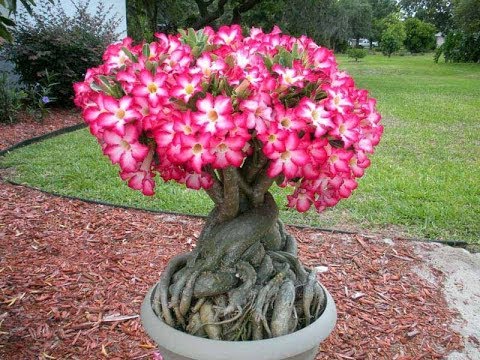
Thick swollen trunk (Caudex) which stores water
Bright, colorful flowers in shades of pink, red, white, and even dual-tone varieties
The plant is extremely popular as an ornamental bonsai-style plant and is widely grown in balconies, terraces, home gardens, and even indoors with sufficient sunlight.
adenium bonsai live plant
🌸 Why is it called Desert Rose?
Adenium grows well in hot and dry conditions, similar to deserts.
Its flowers resemble the beauty of roses.
That’s why it is fondly known as the Desert Rose.
🏡 Popularity in Homes & Gardens
Compact size – grows perfectly in pots
Enhances balcony, terrace, or indoor decoration
Low maintenance compared to other ornamental plants
Often grown as a bonsai showpiece
🌿 Spiritual & Vastu Importance
Considered a symbol of positivity, prosperity, and peace
As per Vastu, placing it in the north-east direction attracts wealth and harmony
Its vibrant blooms uplift the mood and beauty of the home
✨ In short: Adenium is not just a plant – it is a beauty enhancer, positivity bringer, and low-maintenance flower giver that every garden should have.
🌸 Benefits of Adenium Plant
Let’s explore the major benefits of Adenium point by point:
🌼 1. Ornamental Value
One of the most attractive flowering plants for gardens, balconies, and living rooms
Available in single, double, and multi-color flower varieties
Perfect bonsai candidate
🌿 2. Eco-friendly Air Purifier
Like most green plants, Adenium also helps in oxygen release
Absorbs toxins from the air and promotes a fresh environment
🪴 3. Indoor & Outdoor Flexibility
Can be kept indoors near a sunny window or outdoors in full sunlight
Perfect choice for urban homes with limited space
🏡 4. Brings Positivity & Good Luck
Believed to attract wealth and positive energy
Ideal for Vastu and Feng Shui remedies
🎁 5. Perfect Gifting Plant
Symbol of love, prosperity, and growth
A thoughtful gift for housewarming, anniversaries, or festive occasions
💊 6. Medicinal Value (Traditional)
Some traditional practices use parts of Adenium for remedies, but ⚠️ caution is required as it can be toxic if misused.
🌱 Best Method of Planting Adenium
To grow Adenium successfully, follow these steps:
1. Choose the Right Pot
Prefer a wide, shallow pot with drainage holes
Avoid very deep pots
2. Prepare the Soil Mix
Well-draining soil is a must
Ideal mix:
40% garden soil
30% river sand
20% cocopeat/perlite
10% organic compost
3. Planting Process
Place pebbles at the bottom for drainage
Plant Adenium carefully keeping the caudex (swollen base) slightly above soil level for better appearance
Water lightly after planting
4. Sunlight Requirement
Place the pot in an area with 5–6 hours of direct sunlight daily
More sunlight = more flowers
5. Watering
Water only when the top soil is dry
Summer: 2–3 times per week
Winter: once in 10–15 days
🌿 Care Tips for Adenium
Sunlight: Needs strong direct sunlight
Watering: Avoid overwatering (risk of root rot)
Fertilizer: Feed every 20–25 days with liquid fertilizer (NPK 10:30:20)
Pruning: Trim branches after flowering to encourage new growth
Pest Control: Use neem oil spray every 15 days
🌸 Tips to Get More Flowers from Adenium
Ensure maximum sunlight exposure
Use phosphorus-rich fertilizer before flowering season
Prune old branches for new growth
Avoid too much nitrogen fertilizer (it promotes leaves, not flowers)
Repot every 2–3 years to refresh the soil and encourage blooming
Hybrid Double Petal Adenium – Popular for its rich, layered flowers
🚫 Common Mistakes to Avoid
Overwatering → Root rot ✅ Water only when soil is dry.
Lack of Sunlight → No flowers ✅ Provide at least 5–6 hrs of direct sun.
Wrong soil → Poor growth ✅ Use well-draining mix, avoid heavy garden soil.
Ignoring pests ✅ Spray neem oil regularly.
No pruning ✅ Prune after flowering to boost new buds.
✅ Conclusion
The Adenium plant is a magical combination of beauty, positivity, and easy care. With proper sunlight, soil, and minimal watering, it rewards you with breathtaking flowers multiple times a year.
Whether you’re a beginner or an experienced gardener, Adenium is the perfect ornamental plant to add elegance and charm to your home.
👉 Bring home a Desert Rose today and enjoy its blooming magic for years!
🌿 Frequently Asked Questions (FAQ)
Q1. How much sunlight does Adenium need? 👉 At least 5–6 hours daily.
Q2. How often should I water Adenium? 👉 Only when soil is dry. In summer, 2–3 times per week. In winter, very less.
Q3. Why is my Adenium not flowering? 👉 Lack of sunlight, too much nitrogen, or no pruning.
Q4. Can I grow Adenium indoors? 👉 Yes, but keep it near a bright, sunny window.
Q5. Can Adenium be grown as bonsai? 👉 Absolutely! It is one of the best plants for bonsai lovers.
Adenium पौधा, जिसे आमतौर पर डेज़र्ट रोज़ (Desert Rose) कहा जाता है, एक बेहद खूबसूरत और आकर्षक पौधा है। इसका वैज्ञानिक नाम Adenium obesum है और यह मुख्यतः अफ्रीका और अरब प्रायद्वीप का मूल निवासी है।
इस पौधे की खासियत इसकी मोटी तना (caudex) और बेहद सुंदर, चमकीले फूल हैं। इसके फूल गुलाबी, लाल, सफेद, और कभी-कभी डबल-कलर (दो रंगों) में भी देखने को मिलते हैं। यही कारण है कि इसे दुनिया भर के गार्डन प्रेमी अपने घर और गार्डन में लगाना पसंद करते हैं।
adenium bonsai live plant
🌸 डेज़र्ट रोज़ नाम क्यों?
यह पौधा गर्म और शुष्क इलाकों (डेज़र्ट जैसी परिस्थितियों) में आसानी से उगता है।
इसके फूल गुलाब जैसे खूबसूरत दिखते हैं।
इस कारण से इसे Desert Rose कहा जाता है।
🏡 घर और बगीचे में लोकप्रियता
Adenium पौधा Indoor और Outdoor दोनों जगह लगाया जा सकता है।
इसकी अनोखी बनावट और फूल इसे टेरेस गार्डन, बालकनी गार्डन और लिविंग रूम के लिए परफेक्ट बनाते हैं।
यह पौधा ज्यादा जगह नहीं लेता, इसलिए छोटे गमलों में भी आसानी से लगाया जा सकता है।
लोग इसे अक्सर सजावटी शो-प्लांट (Ornamental Plant) के रूप में रखते हैं।
🌿 Adenium का आध्यात्मिक महत्व
कई लोग मानते हैं कि यह पौधा घर में सकारात्मक ऊर्जा और सौभाग्य लेकर आता है।
वास्तु शास्त्र के अनुसार, इसे घर के उत्तर-पूर्व दिशा में रखने से धन-समृद्धि बढ़ती है।
इसके फूल घर में सौंदर्य और शांति का प्रतीक माने जाते हैं।
✨ संक्षेप में: Adenium यानी डेज़र्ट रोज़ केवल एक सजावटी पौधा नहीं, बल्कि यह आपके घर और गार्डन की सुंदरता, सकारात्मकता और आकर्षण को कई गुना बढ़ा देता है। यही कारण है कि यह आजकल हर बागवानी प्रेमी की पहली पसंद बन चुका है।
🌿 Adenium पौधे के फायदे (Point-Wise)
Adenium (डेज़र्ट रोज़) केवल सजावट का पौधा ही नहीं है, बल्कि इसके कई व्यावहारिक, आध्यात्मिक और पर्यावरणीय फायदे भी हैं। आइए इन्हें एक-एक करके विस्तार से समझते हैं।
🌸 1. सजावटी सुंदरता (Ornamental Beauty)
Adenium का सबसे बड़ा फायदा इसकी सौंदर्य अपील है।
इसके फूल लाल, गुलाबी, सफेद, पीले और डबल कलर में भी खिलते हैं।
इसका मोटा तना (Caudex) पौधे को बोनसाई जैसी खूबसूरत आकृति देता है।
गार्डन, बालकनी, टेरेस और लिविंग रूम को सजाने के लिए यह पौधा परफेक्ट है।
कई लोग इसे टेबलटॉप शो-प्लांट के रूप में भी इस्तेमाल करते हैं।
🏡 2. वास्तु और सकारात्मक ऊर्जा
भारतीय संस्कृति और वास्तु शास्त्र में Adenium पौधे को सकारात्मक ऊर्जा का स्रोत माना जाता है।
इसे घर या ऑफिस में रखने से धन और समृद्धि बढ़ती है।
यह पौधा मानसिक शांति और तनाव कम करने में मदद करता है।
कहा जाता है कि यदि Adenium पौधे में हर साल अच्छे फूल खिलें, तो यह परिवार में खुशहाली का संकेत है।
🌿 3. औषधीय महत्व (Medicinal Importance)
पारंपरिक चिकित्सा (Folk Medicine) में Adenium की कुछ प्रजातियों का इस्तेमाल किया जाता है।
इसकी जड़ों और रस में कुछ ऐसे तत्व पाए जाते हैं जो दर्द निवारण (Pain Relief) और त्वचा रोगों के उपचार में सहायक हो सकते हैं।
हालांकि, ध्यान रहे कि Adenium का रस विषैला (Toxic) भी हो सकता है, इसलिए इसे बिना विशेषज्ञ की सलाह के औषधि के रूप में उपयोग नहीं करना चाहिए।
कई जगह इसे Anti-inflammatory और Antibacterial गुणों के लिए भी जाना जाता है।
💨 4. पर्यावरणीय लाभ (Environmental Benefits)
Adenium पौधा हवा को शुद्ध करने में मदद करता है।
यह पौधा कार्बन डाइऑक्साइड अवशोषित कर ऑक्सीजन छोड़ता है।
इसे घर में लगाने से हवा की गुणवत्ता (Air Quality) बेहतर होती है।
छोटे स्पेस वाले घरों और फ्लैट्स में यह पौधा एक ग्रीन एनवायरनमेंट बनाने का अच्छा विकल्प है।
🎁 5. गिफ्टिंग के लिए उपयुक्त पौधा
आजकल Adenium पौधा गिफ्ट प्लांट के रूप में बहुत लोकप्रिय है।
शादी, गृह प्रवेश, बर्थडे या अन्य अवसरों पर इसे गिफ्ट करने का ट्रेंड बढ़ रहा है।
यह पौधा न सिर्फ खूबसूरत दिखता है बल्कि लॉन्ग-लास्टिंग गिफ्ट भी है।
पौधों को गिफ्ट करना आज के समय में Eco-Friendly Lifestyle को बढ़ावा देता है।
🌼 6. कम देखभाल में ज्यादा सुंदरता
Adenium पौधा Hardy और Low-Maintenance होता है।
यह कम पानी और धूप में भी आसानी से जीवित रहता है।
जो लोग ज्यादा समय बागवानी में नहीं दे सकते, उनके लिए Adenium एक आदर्श पौधा है।
यह साल में कई बार फूल देता है, जिससे घर हमेशा खूबसूरत बना रहता है।
✨ 7. बोनसाई प्रेमियों के लिए बेहतरीन
Adenium को आसानी से Bonsai की तरह आकार दिया जा सकता है।
इसका मोटा तना और जड़ें इसे आकर्षक लुक देती हैं।
जो लोग बोनसाई आर्ट पसंद करते हैं, उनके लिए Adenium पौधा एक बेहतरीन विकल्प है।
🌸 निष्कर्ष (इस सेक्शन का): Adenium पौधा केवल दिखने में ही सुंदर नहीं है, बल्कि यह वास्तु, स्वास्थ्य, पर्यावरण और जीवनशैली के लिहाज से भी बेहद फायदेमंद है। यही कारण है कि यह पौधा हर गार्डन प्रेमी और पौधों से प्रेम करने वाले इंसान की लिस्ट में टॉप पर होता है।
🌱 Adenium लगाने की सही विधि
Adenium (डेज़र्ट रोज़) पौधे की खूबसूरती तभी निखरती है जब इसे सही तरीके से लगाया जाए। गलत मिट्टी, गमला या पानी देने की विधि से पौधा कमजोर हो सकता है और फूल भी नहीं देगा। इसलिए आइए विस्तार से जानें Adenium लगाने की सही तकनीक।
🪴 1. उपयुक्त गमला (Pot Selection)
Adenium पौधे की जड़ें चौड़ी और मोटी होती हैं, जिन्हें जगह चाहिए।
इसलिए हमेशा चौड़ा और उथला गमला चुनें।
प्लास्टिक गमलों की बजाय मिट्टी या सिरेमिक के गमले बेहतर रहते हैं क्योंकि ये नमी नियंत्रित रखते हैं।
गमले के नीचे ड्रेनेज होल (Drainage Holes) ज़रूर होने चाहिए ताकि अतिरिक्त पानी बाहर निकल सके।
Adenium पौधे को Bonsai स्टाइल में दिखाने के लिए Wide Bonsai Pot सबसे परफेक्ट विकल्प है।
🌱 2. मिट्टी का मिश्रण (Soil Mix)
Adenium को हल्की और पानी निकालने वाली मिट्टी पसंद है। यदि मिट्टी में पानी ज्यादा देर तक रुक जाए तो जड़ें सड़ सकती हैं।
Adenium के लिए आदर्श मिट्टी मिश्रण:
40% बागवानी मिट्टी (Garden Soil)
30% रेत या पर्लाइट (Sand/Perlite) – Drainage के लिए
20% कोकोपीट या पीटमॉस (Cocopeat/Peat Moss) – हल्की नमी के लिए
10% जैविक खाद (Compost/Neem Cake) – पोषण के लिए
💡 प्रैक्टिकल टिप: यदि आप चाहते हैं कि पौधा जल्दी फूल दे, तो मिट्टी में Bone Meal या Vermicompost मिलाना बहुत फायदेमंद होता है।
☀️ 3. पौधे की रोपाई का सही समय (Best Season to Plant)
Adenium पौधा गर्मी और धूप पसंद करने वाला पौधा है।
इसे लगाने का सबसे अच्छा समय है:
फरवरी से मई (Spring – Early Summer)
या जुलाई से सितंबर (Monsoon के बाद)
सर्दियों में पौधा Dormant Stage में चला जाता है, इसलिए इस मौसम में नई रोपाई करने से बचें।
🌿 4. बीज से Adenium उगाना (Growing from Seeds)
बीज से उगाए गए पौधे में फूल आने में 2–3 साल लग सकते हैं।
बीज हमेशा फ्रेश और हेल्दी होने चाहिए।
बीज बोने के लिए Seedling Tray या छोटा गमला लें।
हल्की और नम मिट्टी (Cocopeat + Sand Mix) में बीज बोएँ।
गमले को धूप वाली जगह रखें और हल्की नमी बनाए रखें।
लगभग 7–14 दिनों में बीज अंकुरित हो जाते हैं।
✂️ 5. कटिंग से Adenium उगाना (Growing from Cuttings)
कटिंग से पौधा तेजी से बढ़ता है और फूल भी जल्दी देता है।
5–6 इंच लंबी Healthy Branch Cutting लें।
इसे 1–2 दिन छाया में सुखाकर ही मिट्टी में लगाएँ (ताकि रस सूख जाए और कटिंग सड़े नहीं)।
कटिंग को रेतीली मिट्टी में लगाएँ।
लगभग 3–4 हफ्तों में जड़ें निकलने लगती हैं।
कुछ महीनों में यह फूल देने के लिए तैयार हो जाता है।
💡 बोनस टिप्स (Planting Hacks)
Adenium को लगाने के बाद शुरुआत के 10–12 दिन पानी बहुत कम दें ताकि जड़ें मजबूत हो सकें।
रोपाई के समय गमले को धूप वाली जगह पर ही रखें।
यदि आप चाहते हैं कि पौधा बोनसाई जैसा आकार ले, तो इसे बचपन से ही चौड़े गमले में लगाएँ।
🌸 संक्षेप में: Adenium को सही गमले, हल्की और जल-निकासी वाली मिट्टी में लगाना चाहिए। इसे बीज और कटिंग दोनों से उगाया जा सकता है, लेकिन कटिंग से पौधा जल्दी फूल देता है। यदि इसे सही मौसम में लगाया जाए, तो यह सालों तक आपके घर की शोभा बढ़ाता रहेगा।
🌿 Adenium पौधे की देखभाल का तरीका
Adenium (डेज़र्ट रोज़) पौधा सुंदर तो होता है लेकिन इसकी खूबसूरती और फूलों की बहार बनाए रखने के लिए सही देखभाल करना ज़रूरी है। यह पौधा भले ही Low-Maintenance हो, लेकिन कुछ खास बातों का ध्यान रखने से यह सालों तक हरा-भरा और फूलों से लदा रहेगा।
💧 1. पानी देना (Watering Schedule)
Adenium पौधे की जड़ें मोटी और पानी स्टोर करने वाली होती हैं।
इसे ज्यादा पानी बिल्कुल पसंद नहीं है।
गर्मियों में सप्ताह में 2–3 बार हल्का पानी दें।
सर्दियों (Dormant Season) में बहुत कम पानी दें – महीने में 1–2 बार ही।
गमले में पानी खड़ा नहीं रहना चाहिए, वरना जड़ें सड़ सकती हैं।
💡 Golden Rule: “कम पानी बेहतर है, ज्यादा पानी पौधे को नुकसान पहुंचाता है।”
☀️ 2. धूप और तापमान (Sunlight & Temperature)
Adenium पौधा पूरी धूप का प्रेमी है।
इसे रोजाना कम से कम 5–6 घंटे सीधी धूप जरूर मिलनी चाहिए।
यह 25°C से 35°C तापमान में सबसे अच्छा बढ़ता है।
सर्दियों में जब तापमान 10°C से नीचे चला जाए तो इसे इनडोर धूप वाली जगह पर रखें।
🌱 3. खाद और पोषण (Fertilizer & Nutrition)
Adenium को ज्यादा खाद की जरूरत नहीं होती लेकिन फूलों के लिए समय-समय पर पोषण ज़रूरी है।
हर 30–40 दिन में हल्की Liquid Fertilizer (NPK 19:19:19 या 20:20:20) दें।
फूलों के मौसम (March–October) में फॉस्फोरस और पोटाश वाली खाद दें।
💡 प्रो टिप: फूल खिलने से पहले पौधे को हल्की Potash Fertilizer देने से फूल बड़े और ज्यादा आते हैं।
✂️ 4. प्रूनिंग और शेपिंग (Pruning & Shaping)
Adenium पौधे को समय-समय पर प्रूनिंग करना ज़रूरी है ताकि यह नया और ताज़ा बढ़ सके।
सूखी, कमजोर और बीमार टहनियों को हटा दें।
प्रूनिंग करने से पौधा नई शाखाएँ और ज्यादा फूल देता है।
बोनसाई स्टाइल पाने के लिए पौधे को मनचाहा आकार देने के लिए Crown Pruning करें।
प्रूनिंग का सबसे अच्छा समय है – फूल झड़ने के बाद।
🐛 5. कीट और रोग नियंत्रण (Pest & Disease Control)
Adenium पौधा मजबूत होता है लेकिन कभी-कभी इसमें कीट और रोग लग सकते हैं।
सामान्य कीट:
एफिड्स (Aphids)
मिली बग्स (Mealy Bugs)
स्पाइडर माइट्स
निवारण:
नीम ऑयल स्प्रे (Neem Oil Spray) हर 15 दिन में करें।
Soap Water Spray भी असरदार है।
ज्यादा पानी देने से फंगस लग सकता है, इसलिए ड्रेनेज पर ध्यान दें।
🪴 6. Repotting (गमला बदलना)
Adenium को हर 2–3 साल में एक बार Repot करना चाहिए।
इससे जड़ों को नई जगह मिलती है और पौधा स्वस्थ रहता है।
Repotting करते समय पुरानी मिट्टी हटाकर नई और हल्की मिट्टी डालें।
गमला बदलने का सही समय है – Spring Season (फरवरी–मार्च)।
🪷 7. Dormant Season Care (सर्दियों में देखभाल)
सर्दियों में पौधा Dormant (आराम की स्थिति) में चला जाता है।
इस समय पानी बहुत कम दें।
खाद बिलकुल न डालें।
गमले को धूप वाली जगह पर रखें।
जैसे ही मौसम गर्म होता है, पौधा फिर से नई पत्तियाँ और फूल देने लगता है।
🌸 संक्षेप में: Adenium पौधे की सही देखभाल का फॉर्मूला है – कम पानी + ज्यादा धूप + समय-समय पर प्रूनिंग + हल्की खाद। अगर इन बातों का ध्यान रखा जाए तो आपका Adenium साल भर खूबसूरत और फूलों से लदा रहेगा।
🌺 Adenium में अधिक फूल पाने के खास उपाय
Adenium (डेज़र्ट रोज़) पौधा अपनी खूबसूरत और आकर्षक फूलों के लिए ही दुनिया भर में पसंद किया जाता है। लेकिन अक्सर लोग शिकायत करते हैं कि उनका Adenium पौधा बढ़ तो रहा है, लेकिन उसमें फूल बहुत कम आते हैं या बिल्कुल नहीं आते।
असल में, Adenium से ज्यादा और खूबसूरत फूल पाने के लिए कुछ खास गार्डनिंग टिप्स और तकनीकें अपनानी होती हैं। आइए विस्तार से समझते हैं:
☀️ 1. धूप का महत्व
Adenium पौधे को फूल लाने के लिए तेज और सीधी धूप चाहिए।
रोजाना कम से कम 5–6 घंटे की सीधी धूप मिलने पर ही पौधा भरपूर फूल देता है।
छाया या कम रोशनी वाली जगह पर पौधा सिर्फ पत्तियाँ ही बढ़ाएगा, फूल नहीं आएंगे।
💡 Tip: अगर आपके घर में धूप कम आती है, तो पौधे को बालकनी, टैरेस या रूफटॉप गार्डन में रखें।
💧 2. पानी देने का सही तरीका
फूल आने के मौसम (March–October) में पौधे को नियमित पानी दें।
लेकिन ध्यान रखें कि गमले में पानी रुकना नहीं चाहिए।
ज्यादा पानी देने से पौधा पत्तियों पर ध्यान देगा और फूल कम आएंगे।
💡 Golden Rule:“गमले की ऊपरी मिट्टी सूखने के बाद ही पानी दें।”
🌱 3. सही खाद (Fertilizer for Flowers)
फूलों की संख्या और क्वालिटी बढ़ाने के लिए Adenium पौधे को फॉस्फोरस और पोटाश की जरूरत होती है।
हर 20–25 दिन में NPK 10:30:20 या NPK 5:10:10 लिक्विड फर्टिलाइज़र दें।
फूल आने से पहले पोटाश (Potash) देने से कलियाँ ज्यादा बनती हैं और फूल बड़े होते हैं।
जैविक खाद में बोन मील, मछली खाद (Fish Fertilizer), नीम खली (Neem Cake) बहुत असरदार होते हैं।
💡 Tip: खाद हमेशा कम मात्रा में और गीली मिट्टी में डालें, वरना जड़ें जल सकती हैं।
✂️ 4. प्रूनिंग से ज्यादा फूल
फूल झड़ने के बाद पौधे की कमजोर और लंबी टहनियाँ काट दें।
प्रूनिंग करने से पौधा नई शाखाएँ बनाएगा और हर नई शाखा से फूल खिलेंगे।
इस तरह पौधा और ज्यादा घना और आकर्षक बन जाता है।
🌸 5. Stress Technique (Stress से फूल बढ़ाना)
यह तकनीक गार्डनिंग एक्सपर्ट्स अक्सर अपनाते हैं:
पौधे को कुछ दिनों तक पानी कम दें।
हल्का स्ट्रेस मिलने पर पौधा अपनी Energy फूल बनाने में लगाता है।
जैसे ही कलियाँ बनने लगें, पौधे को पर्याप्त पानी और खाद दें।
🪴 6. सही गमले का चुनाव
Adenium में फूल तभी ज्यादा आएंगे जब उसकी जड़ों को जगह मिले।
छोटा गमला जड़ों को सीमित कर देता है और फूल कम आते हैं।
इसलिए पौधे के आकार के अनुसार चौड़ा और सही साइज का गमला चुनें।
🐛 7. कीट-मुक्त पौधा = ज्यादा फूल
कीट और रोग पौधे की ऊर्जा को फूलों से हटाकर जड़ों और पत्तियों पर खर्च कर देते हैं।
इसलिए नियमित रूप से नीम ऑयल स्प्रे करें।
स्वस्थ पौधा ही ज्यादा और लंबे समय तक फूल देता है।
🌿 8. Dormant Season का ध्यान
Adenium पौधा सर्दियों में आराम करता है (Dormant Season)।
इस समय ज्यादा पानी या खाद देने की जरूरत नहीं होती।
जैसे ही वसंत (Spring) शुरू हो, पौधे को अच्छी धूप, पानी और खाद दें।
यह झट से फूल देने लगेगा।
🪷 9. फूल बढ़ाने के घरेलू उपाय
केले के छिलके का पानी – पोटाश से भरपूर, फूल बढ़ाने में मदद करता है।
सरसों खली (Mustard Cake) – पौधे में भरपूर कलियाँ लाता है।
लकड़ी की राख (Wood Ash) – प्राकृतिक पोटाश स्रोत, फूलों की क्वालिटी बढ़ाता है।
🌸 संक्षेप में: Adenium में ज्यादा फूल पाने का सीक्रेट है – धूप + सही खाद + कम पानी + समय-समय पर प्रूनिंग। अगर ये चार बातें ध्यान में रखें, तो आपका Adenium साल में कई बार फूलों से लद सकता है।
🌺 Adenium पौधे की खास किस्में (Popular Varieties of Adenium)
Adenium पौधा अपनी विविधता (Varieties) और खूबसूरत फूलों की वजह से दुनियाभर में गार्डनिंग प्रेमियों का पसंदीदा पौधा है। इसकी कई अलग-अलग किस्में हैं, जिनमें हर एक का अपना खास आकर्षण है। चलिए जानते हैं इसकी सबसे प्रसिद्ध और खूबसूरत किस्मों के बारे में:
🌸 1. Adenium Obesum (एडेनियम ओबेसम)
इसे Desert Rose या डेज़र्ट रोज़ के नाम से भी जाना जाता है।
यह सबसे सामान्य और लोकप्रिय किस्म है।
फूलों के रंग – सफेद, गुलाबी, लाल, बैंगनी और डबल शेड्स।
इसके तने (Caudex) मोटे और बोन्साई स्टाइल के लिए परफेक्ट होते हैं।
यह किस्म घर और गार्डन दोनों जगह लगाई जा सकती है।
🌺 2. Adenium Arabicum (एडेनियम अरेबिकम)
यह किस्म Arabian Peninsula की मूल निवासी है।
इसकी सबसे खास पहचान है – इसका बहुत मोटा और चौड़ा तना।
फूल गुलाबी और गहरे लाल रंग के होते हैं।
इसे अक्सर बोन्साई बनाने के लिए सबसे अच्छा माना जाता है।
इसकी पत्तियाँ Obesum की तुलना में थोड़ी छोटी और गहरी हरी होती हैं।
🌼 3. Adenium Somalense (एडेनियम सोमालेंस)
यह किस्म अफ्रीका (सोमालिया) से उत्पन्न हुई है।
इसका तना लंबा और पतला होता है।
फूल बड़े, सुंदर और अक्सर गुलाबी से लाल रंग के होते हैं।
गर्म और शुष्क जलवायु में यह बहुत तेजी से बढ़ता है।
यह किस्म आउटडोर गार्डन के लिए उपयुक्त है।
🌹 4. Adenium Multiflora (एडेनियम मल्टीफ्लोरा)
इसके नाम से ही पता चलता है – Multi (कई) + Flora (फूल)।
यह किस्म एक बार में बहुत सारे फूल देती है।
फूल सफेद, गुलाबी और लाल शेड्स में होते हैं।
गर्मियों और बारिश के मौसम में यह पौधा फूलों से लदा हुआ दिखता है।
आजकल बाजार में Adenium की कई हाइब्रिड किस्में उपलब्ध हैं।
डबल फ्लावर Adenium – जिनमें एक ही फूल में कई परतें (Layers) होती हैं।
ट्रिपल फ्लावर Adenium – जिनमें फूल बहुत बड़े और आकर्षक लगते हैं।
फूलों के रंग – गुलाबी, लाल, सफेद, पीला, बैंगनी, और ब्लैक शेड्स तक।
ये हाइब्रिड किस्में खासकर गार्डन और कलेक्शन के लिए खरीदी जाती हैं।
🌿 6. Rare Varieties (दुर्लभ किस्में)
कुछ Adenium किस्में बहुत ही दुर्लभ होती हैं और केवल कलेक्टर्स के पास पाई जाती हैं।
Adenium Crispum – छोटे और घुमावदार फूलों वाली किस्म।
Adenium Socotranum – Socotra द्वीप की मूल किस्म, जिसका तना बहुत मोटा और आकर्षक होता है।
ये किस्में बाजार में महंगी होती हैं और बहुत देखभाल चाहती हैं।
🌸 संक्षेप में: Adenium पौधे की अलग-अलग किस्में इसकी खूबसूरती और लोकप्रियता को और भी बढ़ा देती हैं। 👉 अगर आप फूलों के लिए Adenium लगाना चाहते हैं तो Obesum या Multiflora चुनें। 👉 अगर आप बोन्साई और सजावटी तनों में रुचि रखते हैं तो Arabicum या Socotranum चुनें। 👉 और अगर आप कुछ नया और आकर्षक चाहते हैं तो Hybrid Varieties सबसे बेस्ट हैं।
🌺 Adenium लगाने में आम गलतियाँ और उनसे बचाव
Adenium (डेज़र्ट रोज़) पौधा जितना सुंदर है, उतनी ही नाज़ुक देखभाल भी चाहता है। कई लोग इस पौधे को लगाते तो हैं, लेकिन देखभाल में छोटी-छोटी गलतियों की वजह से पौधा या तो फूल नहीं देता या फिर धीरे-धीरे सूखने लगता है।
आइए जानते हैं Adenium लगाने और संभालने के दौरान होने वाली सबसे आम गलतियाँ और उनसे बचने के उपाय:
🚫 गलती 1: बहुत ज्यादा पानी देना
Adenium एक सक्युलेंट (Succulent) पौधा है।
ज्यादा पानी देने से इसकी जड़ें सड़ने (Root Rot) लगती हैं।
इससे पौधा कमजोर हो जाता है और फूल आना बंद हो जाते हैं।
✅ समाधान:
केवल तब ही पानी दें जब मिट्टी ऊपर से सूख जाए।
बरसात के मौसम में पानी की मात्रा और भी कम कर दें।
🚫 गलती 2: धूप की कमी
Adenium को फूल देने के लिए सीधी और तेज धूप चाहिए।
अगर पौधा छाया में रहेगा, तो यह सिर्फ पत्तियाँ बढ़ाएगा, फूल नहीं देगा।
✅ समाधान:
पौधे को रोजाना कम से कम 5–6 घंटे सीधी धूप मिले, यह सुनिश्चित करें।
यदि घर में धूप कम आती है, तो पौधे को बालकनी या टैरेस पर रखें।
🚫 गलती 3: गलत मिट्टी का चुनाव
Adenium सामान्य बगीचे की भारी मिट्टी में अच्छा नहीं बढ़ता।
ऐसी मिट्टी में पानी जल्दी नहीं निकल पाता और पौधे की जड़ें खराब हो जाती हैं।
✅ समाधान:
Adenium के लिए हमेशा हवादार और पानी निकलने वाली मिट्टी (Well-Drained Soil) तैयार करें।
मिट्टी मिश्रण: 40% गार्डन सॉयल + 30% नदी की रेत + 20% पर्लाइट/कोकोपीट + 10% खाद।
🚫 गलती 4: गलत गमले का इस्तेमाल
बहुत छोटे या बहुत गहरे गमले में Adenium पौधा सही से विकसित नहीं हो पाता।
इससे तना मोटा नहीं बनता और फूल भी कम आते हैं।
✅ समाधान:
चौड़े और छेददार गमले का इस्तेमाल करें।
हर 2–3 साल में पौधे को बड़े गमले में ट्रांसप्लांट करें।
🚫 गलती 5: खाद देने में लापरवाही
कई लोग Adenium को सालों तक खाद नहीं देते।
जबकि फूल आने के लिए पौधे को सही पोषण चाहिए।
✅ समाधान:
हर 20–25 दिन में लिक्विड फर्टिलाइज़र (NPK 10:30:20) दें।
समय-समय पर जैविक खाद जैसे नीम खली, बोन मील, वर्मी कम्पोस्ट भी डालें।
🚫 गलती 6: ठंड के मौसम में देखभाल न करना
Adenium पौधा ठंडी हवा और पाला (Frost) सहन नहीं कर पाता।
सर्दियों में अगर इसे बाहर छोड़ दिया जाए तो पौधा सूख सकता है।
✅ समाधान:
सर्दियों में पौधे को घर के अंदर धूप वाली जगह रखें।
पानी की मात्रा भी कम कर दें, क्योंकि पौधा Dormant हो जाता है।
🚫 गलती 7: कीट और रोगों की अनदेखी
Aphids, Mealybugs, और Whiteflies अक्सर Adenium पर हमला करते हैं।
पत्तियाँ चिपचिपी और पीली होने लगती हैं, फूलों की कली झड़ जाती है।
✅ समाधान:
हर 15 दिन में नीम ऑयल स्प्रे करें।
पौधे पर कोई भी रोग दिखे तो तुरंत उसे दूर करें।
🚫 गलती 8: समय पर प्रूनिंग न करना
अगर Adenium को बिना काटे-छाँटे छोड़ दिया जाए तो पौधा कमजोर और पतला हो जाता है।
इससे फूल आने की क्षमता भी घट जाती है।
✅ समाधान:
हर सीजन में फूल झड़ने के बाद हल्की प्रूनिंग करें।
नई शाखाओं से ज्यादा फूल निकलेंगे और पौधा घना बनेगा।
🌸 संक्षेप में: Adenium से भरपूर फूल और लंबी उम्र पाने के लिए इन गलतियों से बचना जरूरी है – 👉 पानी कम दें, धूप ज्यादा दें, सही मिट्टी और खाद इस्तेमाल करें, समय पर प्रूनिंग करें और कीटों से पौधे को बचाएँ।
।
🌺 निष्कर्ष + FAQ
✅ निष्कर्ष
Adenium यानी डेज़र्ट रोज़ एक ऐसा पौधा है जो आपके घर और गार्डन की खूबसूरती को कई गुना बढ़ा देता है। इसके मोटे तने, आकर्षक पत्तियाँ और रंग-बिरंगे फूल इसे एक सजावटी पौधे (Ornamental Plant) के रूप में लोकप्रिय बनाते हैं।
यह पौधा न केवल आसान देखभाल वाला है बल्कि यह आपके घर में सकारात्मक ऊर्जा और शांति भी लाता है। सही धूप, मिट्टी, पानी और खाद देने पर यह पौधा साल में कई बार फूलों से लद जाता है।
👉 अगर आप अपने गार्डन को और सुंदर बनाना चाहते हैं तो Adenium पौधा जरूर लगाएँ। 👉 थोड़ी-सी देखभाल और सही तकनीक अपनाकर आप इस पौधे से ढेर सारे फूल और लंबी उम्र पा सकते हैं।
🌿 Adenium पौधे पर अक्सर पूछे जाने वाले सवाल (FAQ)
❓ 1. Adenium पौधे को कितनी धूप चाहिए?
✅ Adenium को रोजाना कम से कम 5–6 घंटे सीधी धूप चाहिए। ज्यादा धूप मिले तो और भी अच्छा है।
❓ 2. Adenium को कब और कितनी बार पानी दें?
✅ जब मिट्टी ऊपर से सूखी लगे तभी पानी दें। गर्मियों में हफ्ते में 2–3 बार और सर्दियों में बहुत कम पानी दें।
❓ 3. Adenium का फूल कब आता है?
✅ आमतौर पर Adenium में गर्मियों और बरसात के मौसम में ज्यादा फूल आते हैं। सही देखभाल से साल में कई बार फूल खिल सकते हैं।
❓ 4. Adenium पौधे को कौन-सी मिट्टी चाहिए?
✅ Adenium के लिए well-drained मिट्टी चाहिए। (40% गार्डन सॉयल + 30% नदी की रेत + 20% पर्लाइट/कोकोपीट + 10% जैविक खाद)।
❓ 5. Adenium पर कीड़े लग जाएँ तो क्या करें?
✅ कीड़े दिखने पर नीम तेल का स्प्रे करें। अगर ज्यादा समस्या हो तो हल्का कीटनाशक इस्तेमाल करें।
❓ 6. Adenium को गमले में रखना अच्छा है या जमीन में लगाना?
✅ Adenium को गमले में लगाना बेहतर होता है। चौड़े और छेद वाले गमले में पौधा जल्दी विकसित होता है और तना मोटा बनता है।
❓ 7. Adenium की प्रूनिंग कब करनी चाहिए?
✅ फूल झड़ने के बाद (गर्मी के मौसम से पहले) हल्की प्रूनिंग करें। इससे पौधा घना होगा और नई शाखाओं पर ज्यादा फूल आएँगे।
❓ 8. Adenium पौधे की उम्र कितनी होती है?
✅ सही देखभाल करने पर Adenium पौधा 15–20 साल या उससे भी ज्यादा जिंदा रह सकता है।
❓ 9. Adenium से फूल जल्दी लाने के लिए क्या करें?
✅ सही धूप, समय पर खाद, और हल्की प्रूनिंग करने से Adenium जल्दी फूल देता है।
❓ 10. क्या Adenium को बोन्साई बना सकते हैं?
✅ हाँ, Adenium बोन्साई बनाने के लिए सबसे बेहतरीन पौधों में से एक है। इसके मोटे तने और सुंदर फूल बोन्साई को और भी आकर्षक बनाते हैं।
🌸 समापन
Adenium पौधा अपने आप में एक चमत्कारी सजावटी पौधा है।
यह आपके घर को सुंदर बनाता है,
सकारात्मक ऊर्जा लाता है,
और सही देखभाल करने पर सालों तक फूलों से भरा रहता है।
👉 अगर आपने अभी तक Adenium नहीं लगाया है, तो आज ही इसे अपने गार्डन का हिस्सा बनाइए और इसकी सुंदरता का आनंद उठाइए।
Brahma Kamal (Saussurea obvallata), popularly known as the “Queen of Night”, is one of the most divine and rare flowers found in the Himalayan regions of India, especially in Uttarakhand and Himachal Pradesh.
This flower blooms only once a year, usually between July to September, and what makes it even more fascinating is that it blooms at night and withers by early morning.
Because of its rarity and mesmerizing fragrance, people across India consider it a spiritual flower and a symbol of good fortune, purity, and prosperity.
🌼 Identification of Brahma Kamal
Scientific Name: Saussurea obvallata
Family: Asteraceae
Common Names: Night Blooming Cereus, Queen of Night, Orchid Cactus
Native Habitat: The Himalayan belt, growing naturally at 3,000–4,500 meters above sea level.
Physical Features:
Long, fleshy green leaves resembling cactus-like succulents.
Large buds wrapped in multiple greenish bracts before flowering.
Stunning white flowers, 8–12 inches wide, with multiple layers of petals.
A strong, divine fragrance that fills the air when it blooms.
🙏 Religious & Spiritual Significance
Brahma Kamal is deeply rooted in Hindu mythology and spirituality.
Named after Lord Brahma – the creator of the universe, symbolizing purity and divine energy.
In Uttarakhand, it is considered the state flower and offered in temples, especially in the shrines of Kedarnath and Badrinath.
Believed to bring prosperity, wealth, and positivity to the home where it blooms.
It is often associated with Lord Vishnu and Lord Shiva, symbolizing blessings and spiritual awakening.
In Vastu and Feng Shui, Brahma Kamal is said to attract peace, harmony, and good luck.
:
🌱 Planting & Care Tips for Brahma Kamal
🪴 How to Plant Brahma Kamal
Growing Brahma Kamal at home requires patience and the right technique, because this plant is not as easy to handle as ordinary flowering plants.
1. Choosing the Right Pot
Use a medium-sized clay or ceramic pot with proper drainage holes.
Avoid metal or non-breathable pots, as Brahma Kamal roots need good air circulation.
A pot with 8–10 inches depth is ideal for young plants.
2. Soil Preparation
The soil mix plays a crucial role in the healthy growth of Brahma Kamal.
The soil should be well-draining to prevent root rot.
Adding perlite or cocopeat helps maintain proper aeration.
3. Propagation (How to Multiply Brahma Kamal)
Brahma Kamal can be propagated through leaf cuttings or stem cuttings.
Cut a healthy leaf or stem and let it dry for 1–2 days.
Plant it in moist, well-drained soil.
Within 3–4 weeks, roots start developing.
Always propagate during spring or early monsoon for best results.
🌞 Ideal Growing Conditions
1. Light Requirements
Needs bright but indirect sunlight.
Avoid harsh afternoon sun, which can burn leaves.
Can be kept near a south or east-facing balcony/window.
2. Watering Needs
Water only when the top 2–3 inches of soil feel dry.
Overwatering causes root rot.
During winter dormancy, reduce watering to once every 10–12 days.
3. Temperature & Humidity
Thrives in cool climates (15–25°C).
Avoid exposing it to temperatures below 10°C.
High humidity helps, but ensure proper airflow to avoid fungal infections.
🌱 Fertilizer Requirements
Use a balanced organic fertilizer every 3–4 weeks during the growing season.
In the flowering season (July–September), add fertilizers rich in phosphorus and potassium.
Organic options: vermicompost, bone meal, banana peel fertilizer.
✂️ Pruning & Maintenance
Remove yellow or dried leaves regularly.
Prune after flowering season to encourage new growth.
Clean dust from leaves using a soft damp cloth to maintain photosynthesis.
🏡 Indoor vs Outdoor Growth
Indoor: Keep near a bright window with good ventilation. Perfect for cities with hot summers.
Outdoor: Ideal in hilly or cooler regions with partial sunlight. Protect from heavy rain.
🌸 How to Encourage Flowering in Brahma Kamal
Since Brahma Kamal is known as the “Queen of Night”, its blooming is a magical event. But to achieve this, the plant requires special care and patience.
Brahma kamal live plant for indoor garden
✅ Tips for Getting Brahma Kamal to Flower
Correct Pot Size
Avoid frequent repotting.
Keep the plant in a slightly root-bound condition; this encourages flowering.
Seasonal Care
Flowering season is generally July–September.
During summer, reduce watering and allow the plant to rest.
At the beginning of the monsoon, increase watering and add fertilizer.
Proper Fertilization
Use phosphorus-rich fertilizer (like bone meal or banana peel water).
Avoid nitrogen-heavy fertilizers, as they only promote leaf growth.
Temperature & Climate
Needs cool, moist air during monsoon months.
Too much heat or dryness can prevent flowering.
Pruning Strategy
After flowering, trim dried stems and leaves.
This redirects plant energy to healthy new growth and future buds.
Patience is Key
Brahma Kamal may take 2–3 years to bloom after planting.
Some plants bloom once a year, while others bloom once in 2–3 years.
🌟 Benefits of Brahma Kamal
Brahma Kamal is not only beautiful but also believed to carry miraculous benefits.
1. 🌺 Spiritual & Religious Benefits
Considered a divine flower associated with Lord Brahma, Vishnu, and Shiva.
In Uttarakhand, offered in Kedarnath and Badrinath temples.
Blooming at home is considered a sign of prosperity, good luck, and positive energy.
Enhances the spiritual aura of the home and brings harmony.
2. 🌿 Medicinal Benefits (Traditional Beliefs)
In traditional Himalayan medicine, parts of Brahma Kamal are believed to help with:
Cold and cough relief
Healing wounds and cuts
Reducing inflammation
Improving immunity (Note: Always consult a doctor before medicinal use.)
3. 🧘 Mental & Emotional Benefits
Watching this rare bloom is a stress reliever and brings inner peace.
Its fragrance creates a calming effect on the mind.
Believed to reduce negative thoughts and promote positivity.
4. 🌍 Environmental Benefits
Brahma Kamal plants help in air purification indoors.
Increase oxygen flow and contribute to a healthier environment.
As a high-altitude plant, it plays an important role in Himalayan biodiversity.
⚠️ Precautions While Growing Brahma Kamal
Brahma Kamal is a sensitive and rare plant, so you must be extra careful in its care.
✅ Important Precautions:
Do not keep in direct scorching sunlight – it burns the leaves.
Avoid overwatering – it is the most common reason for plant death.
Do not change pots frequently – repot only when absolutely necessary.
Protect from frost and very low temperatures.
Do not use excessive nitrogen fertilizers, as they stop flowering.
❌ Common Mistakes & How to Avoid Them
Overwatering
❌ Mistake: Daily watering.
⚡ Result: Root rot.
✅ Solution: Water only when the topsoil feels dry.
Direct Harsh Sunlight
❌ Mistake: Keeping in hot afternoon sun.
⚡ Result: Burnt leaves.
✅ Solution: Keep in partial shade/indirect sunlight.
Frequent Repotting
❌ Mistake: Changing pot every year.
⚡ Result: Plant stress, no flowers.
✅ Solution: Repot only every 3–4 years.
Wrong Fertilizer
❌ Mistake: High nitrogen fertilizers.
⚡ Result: More leaves, no flowers.
✅ Solution: Use phosphorus and potassium-rich fertilizers.
Impatience
❌ Mistake: Expecting flowers within the first year.
⚡ Result: Disappointment, plant discarded.
✅ Solution: Have patience—flowering may take 2–3 years.
❓ Frequently Asked Questions (FAQs)
Q1. When does Brahma Kamal bloom?
👉 Between July–September, mostly at night.
Q2. Does it bloom every year?
👉 Yes, but some plants bloom once in 2–3 years depending on conditions.
Q3. Can Brahma Kamal grow indoors?
👉 Yes, if placed near a bright window with indirect sunlight.
Q4. Which soil is best for Brahma Kamal?
👉 Well-draining mix of garden soil + sand + compost.
Q5. Is Brahma Kamal considered lucky?
👉 Yes, it is a symbol of prosperity and good fortune in Indian culture.
🌸 ब्रह्मकमल का परिचय (Introduction to Brahm Kamal)
ब्रह्मकमल (Brahma Kamal) एक ऐसा चमत्कारिक और दुर्लभ पौधा है जिसे भारत में विशेष धार्मिक, सांस्कृतिक और औषधीय महत्व प्राप्त है। इसे आमतौर पर “क्वीन ऑफ नाइट” (Queen of Night) कहा जाता है, क्योंकि यह केवल रात में खिलता है और उसकी सुगंध व खूबसूरती देखते ही बनती है।
यह पौधा मुख्यतः हिमालयी क्षेत्रों और कुछ खास इलाकों में पाया जाता है।
इसके फूल का खिलना एक शुभ संकेत माना जाता है और लोग इसे भगवान ब्रह्मा, विष्णु और शिव से जोड़ते हैं।
ब्रह्मकमल को देखने और उसकी खुशबू महसूस करने का अनुभव जीवन में कुछ ही बार मिलता है क्योंकि यह पौधा बहुत कम समय में और सिर्फ रात को खिलता है।
क्यों इसे “क्वीन ऑफ नाइट” कहा जाता है?
ब्रह्मकमल का फूल सूर्यास्त के बाद कली से धीरे-धीरे खुलना शुरू होता है।
आधी रात तक यह पूरी तरह खिलकर अपनी दिव्य सुंदरता बिखेरता है।
सुबह होने से पहले यह मुरझा जाता है।
इसकी इस अनोखी खूबी की वजह से इसे “रात की रानी” या Queen of Night कहा जाता है।
🌱 ब्रह्मकमल की पहचान (Identification of Brahm Kamal)
🌿 पौधे का स्वरूप
यह पौधा एक तरह का सक्युलेंट (Succulent) है, जिसकी पत्तियाँ मोटी और रसीली होती हैं।
यह आमतौर पर 20–30 सेमी ऊँचा और चौड़ाई में फैलाव लिए होता है।
गमले में यह आसानी से उग सकता है और ज्यादा जगह नहीं लेता।
🌸 फूल की खासियत
ब्रह्मकमल का फूल सफेद रंग का, बड़ा और सुगंधित होता है।
एक फूल का व्यास लगभग 8–10 इंच तक हो सकता है।
फूल की पंखुड़ियाँ मोती जैसी चमकदार होती हैं और चांदनी में बेहद खूबसूरत दिखती हैं।
यह साल में बहुत कम बार खिलता है और कई बार तो एक पौधे में सिर्फ 1–2 फूल ही खिलते हैं।
🔬 वैज्ञानिक नाम और वर्गीकरण
वैज्ञानिक नाम (Scientific Name): Saussurea obvallata
परिवार (Family): Asteraceae
सामान्य नाम (Common Names): Brahma Kamal, Night Blooming Queen, Orchid Cactus
भारतीय भाषाओं में नाम: ब्रह्मकमल (हिंदी), ब्रह्मफूल (कुमाऊँनी), ब्रह्मपुष्प आदि।
🕉️ ब्रह्मकमल का धार्मिक महत्व (Religious Significance)
भारत में ब्रह्मकमल को सिर्फ एक पौधा नहीं बल्कि देवीय पुष्प माना जाता है। इसके धार्मिक महत्व के कारण इसे घर या बगीचे में लगाने को शुभ माना जाता है।
✨ पूजा और धार्मिक उपयोग
मान्यता है कि ब्रह्मकमल का फूल भगवान ब्रह्मा को अर्पित करने पर मनोकामना पूरी होती है।
उत्तराखंड और हिमालयी क्षेत्रों में देवी-देवताओं की पूजा के दौरान इसका इस्तेमाल किया जाता है।
कहा जाता है कि देवी पार्वती ने भगवान शिव को प्रसन्न करने के लिए ब्रह्मकमल चढ़ाया था।
🙏 शुभ संकेत और मान्यताएँ
ब्रह्मकमल का खिलना घर में समृद्धि और सौभाग्य का प्रतीक माना जाता है।
कई लोग मानते हैं कि जिस घर में यह फूल खिलता है वहाँ सकारात्मक ऊर्जा और शांति का वास होता है।
इसकी दुर्लभता के कारण लोग इसे अद्भुत आशीर्वाद के रूप में देखते हैं।
🌌 पौराणिक कथाओं में उल्लेख
पुराणों और पौराणिक कथाओं में ब्रह्मकमल का उल्लेख मिलता है।
मान्यता है कि भगवान विष्णु की नाभि से ब्रह्मा का जन्म हुआ था, और उसी स्थान पर ब्रह्मकमल खिला था।
इसी वजह से इसका नाम “ब्रह्मकमल” पड़ा।
🌱 ब्रह्मकमल लगाने के तरीके (Planting Methods of Brahma Kamal)
ब्रह्मकमल भले ही एक दुर्लभ और दिव्य पौधा माना जाता है, लेकिन इसे घर पर सही तरीके से लगाया जाए तो यह आसानी से बढ़ सकता है। आइए जानें इसके लगाने के आसान तरीके –
🏺 सही मिट्टी और गमला (Soil and Pot)
ब्रह्मकमल एक सक्युलेंट प्रजाति का पौधा है, इसलिए इसे ऐसी मिट्टी चाहिए जिसमें पानी जल्दी निकल जाए।
सबसे अच्छा मिश्रण होगा:
40% बगीचे की मिट्टी
30% रेत या पर्लाइट
20% गोबर की खाद या कम्पोस्ट
10% पत्ती की सड़ी हुई खाद (leaf mold)
गमला चुनते समय ध्यान रखें:
गमला 10–12 इंच गहरा हो।
नीचे ड्रेनेज होल (छेद) ज़रूर हों ताकि पानी जमा न हो।
मिट्टी में नमी बनी रहे, लेकिन पानी रुकना नहीं चाहिए।
☀️ सही स्थान (Right Location)
ब्रह्मकमल को अप्रत्यक्ष धूप (Indirect sunlight) चाहिए।
इसे सीधे धूप में रखने से पत्तियाँ जल सकती हैं।
सबसे अच्छा स्थान – बालकनी, खिड़की के पास या बगीचे में छांव वाली जगह।
ध्यान रखें कि इसे रोज़ाना 4–5 घंटे की हल्की धूप या रोशनी मिले।
🌿 कटिंग से पौधा कैसे तैयार करें (Propagation by Cutting)
ब्रह्मकमल को आसानी से कटिंग (cutting) से लगाया जा सकता है।
तरीका:
एक स्वस्थ पौधे की 5–6 इंच लंबी पत्ती या डंठल काटें।
इसे 1–2 दिन छांव में सुखाकर हल्का सूखने दें।
अब इसे तैयार मिट्टी (soil mix) में 2 इंच गहरा लगाएँ।
हल्का पानी दें और गमले को छांव में रखें।
3–4 हफ्तों में नई जड़ें निकल आती हैं और पौधा बढ़ने लगता है।
🌸 ब्रह्मकमल की देखभाल (Care Tips of Brahma Kamal)
ब्रह्मकमल नाज़ुक और खास पौधा है, इसलिए इसकी देखभाल थोड़ी ध्यान से करनी पड़ती है।
💧 सिंचाई (Watering)
ब्रह्मकमल को कम लेकिन नियमित पानी चाहिए।
गर्मियों में – हर 2–3 दिन में हल्का पानी दें।
सर्दियों में – हफ्ते में 1–2 बार ही पानी दें।
बरसात में – तभी पानी दें जब मिट्टी सूखी लगे।
याद रखें: ओवरवॉटरिंग (ज्यादा पानी) सबसे बड़ा दुश्मन है, इससे जड़ें सड़ सकती हैं।
🌿 खाद और पोषण (Fertilizers and Nutrition)
हर महीने पौधे को हल्की जैविक खाद (organic compost) दें।
फूल आने के मौसम (गर्मी और बरसात) में फॉस्फोरस और पोटाश वाली खाद सबसे अच्छी रहती है।
नाइट्रोजन कम दें, वरना पौधा सिर्फ पत्तियाँ उगाएगा और फूल कम देगा।
🐛 कीट और रोग से बचाव (Pests and Disease Management)
कभी-कभी इस पर मिलीबग्स (mealybugs), एफिड्स (aphids) और फंगस लग जाते हैं।
बचाव के लिए:
महीने में एक बार नीम का तेल (Neem oil spray) छिड़कें।
अगर पत्तियों पर सफेद धब्बे या चिपचिपाहट दिखे तो तुरंत कीटनाशक का हल्का घोल इस्तेमाल करें।
गिरे हुए फूल या पत्तियाँ तुरंत हटा दें ताकि फंगस न पनपे।
🌤️ मौसमी देखभाल (Seasonal Care)
गर्मियों में:
इसे ठंडी और हवादार जगह पर रखें।
तेज़ धूप से बचाएँ।
नियमित लेकिन हल्की सिंचाई करें।
सर्दियों में:
ठंडी हवाओं और पाले से बचाएँ।
पौधे को घर के अंदर धूप वाली जगह पर रखें।
पानी कम दें।
बरसात में:
पौधे को खुले में रखें लेकिन लगातार बारिश से बचाएँ।
मिट्टी में पानी न रुके, इसका ध्यान रखें।
फंगस रोकने के लिए नीम ऑयल स्प्रे ज़रूर करें।
🌸 ब्रह्मकमल से फूल कैसे पाएं? (How to Make Brahma Kamal Bloom)
ब्रह्मकमल की सबसे बड़ी खासियत इसका फूलना है। लेकिन यह पौधा बहुत नाज़ुक होता है और हर साल फूल नहीं देता। अगर सही तरीके अपनाए जाएं तो यह हर साल आपको दिव्य और अद्भुत फूल ज़रूर देगा।
Brahma kamal live plant for indoor garden
⏰ सही समय (Right Season for Blooming)
ब्रह्मकमल आमतौर पर गर्मी के अंत और बरसात (जुलाई–सितंबर) के मौसम में फूल देता है।
यह रात को खिलता है और सुबह होने से पहले मुरझा जाता है।
कई बार पौधा 2–3 साल बाद ही पहला फूल देता है, इसलिए धैर्य रखना बहुत ज़रूरी है।
🌿 फूल लाने के आसान उपाय (Tips to Encourage Flowering)
1. पौधे को सही रोशनी दें
अप्रत्यक्ष लेकिन तेज़ रोशनी ज़रूरी है।
बहुत अंधेरी जगह पर रखने से फूल नहीं आएगा।
2. पानी का सही संतुलन रखें
फूल आने से पहले कम पानी दें, ताकि पौधा “stress” में जाकर कली बनाना शुरू करे।
ओवरवॉटरिंग से सिर्फ पत्तियाँ बढ़ेंगी, फूल नहीं आएगा।
3. सही खाद का इस्तेमाल करें
फूल आने के मौसम में (जून से अगस्त) फॉस्फोरस और पोटाश वाली खाद दें।
जैविक खाद + बोनमील/वर्मी कम्पोस्ट भी बहुत अच्छा असर दिखाते हैं।
4. छँटाई (Pruning) करें
सर्दियों में या फूल झड़ने के बाद सूखी और पीली पत्तियाँ हटा दें।
इससे पौधे की ऊर्जा नई पत्तियों और फूलों पर लगेगी।
5. पौधे को आराम दें (Dormancy Period)
दिसंबर से फरवरी तक पौधे को कम पानी और कम खाद दें।
यह उसका आराम (dormancy) समय है, जिससे अगली बार ज़्यादा फूल आते हैं।
🌿 ब्रह्मकमल के फायदे (Benefits of Brahma Kamal)
ब्रह्मकमल सिर्फ एक सुंदर फूल ही नहीं बल्कि एक चमत्कारिक पौधा है, जिसके कई धार्मिक, औषधीय और मानसिक फायदे माने जाते हैं।
🙏 धार्मिक और आध्यात्मिक फायदे (Religious & Spiritual Benefits)
ब्रह्मकमल का खिलना घर में सौभाग्य और समृद्धि का संकेत है।
पूजा-पाठ में इस फूल को चढ़ाने से मनोकामना पूरी होने की मान्यता है।
इसे घर में रखने से सकारात्मक ऊर्जा और शांति आती है।
बहुत से लोग इसे गुड लक चार्म मानते हैं।
🌱 औषधीय लाभ (Medicinal Benefits)
आयुर्वेद में ब्रह्मकमल की पत्तियाँ और जड़ें कई दवाइयों में प्रयोग होती हैं।
माना जाता है कि इसमें एंटी-इंफ्लेमेटरी, एंटी-फंगल और एंटी-बैक्टीरियल गुण होते हैं।
उत्तराखंड में स्थानीय लोग इसे सर्दी-जुकाम, बुखार और घाव भरने के लिए इस्तेमाल करते हैं।
इसकी पत्तियों का लेप सूजन और चोट पर लगाने से आराम मिलता है।
🏡 मानसिक और पर्यावरणीय लाभ (Mental & Environmental Benefits)
ब्रह्मकमल का खिलना देखने से मन में शांति और प्रसन्नता आती है।
इसकी महक तनाव को कम करती है और मूड बेहतर बनाती है।
घर में यह पौधा लगाने से वातावरण में ऑक्सीजन की मात्रा बढ़ती है और हवा शुद्ध होती है।
🌸 प्रतीकात्मक फायदे (Symbolic Benefits)
ब्रह्मकमल को शुद्धता, दुर्लभता और दिव्यता का प्रतीक माना जाता है।
विवाह और खास अवसरों पर इसे सौभाग्यशाली फूल की तरह देखा जाता है।
यह पौधा किसी भी गार्डन या बालकनी को विशेष और अनोखा बना देता है।
⚠️ ब्रह्मकमल उगाते समय ध्यान रखने योग्य बातें (Precautions While Growing Brahma Kamal)
ब्रह्मकमल एक नाज़ुक और खास पौधा है। इसकी देखभाल करते समय कुछ ज़रूरी बातें ध्यान रखनी चाहिए, वरना पौधा कमजोर हो सकता है या फूल नहीं देगा।
❌ सामान्य गलतियाँ और उनसे बचाव (Common Mistakes and Solutions)
1. ज़्यादा पानी देना (Overwatering)
गलती: पौधे को रोज़ पानी देना।
परिणाम: जड़ें सड़ जाती हैं और पौधा मर सकता है।
समाधान: तभी पानी दें जब मिट्टी सूखी लगे।
2. सीधी धूप में रखना
गलती: पौधे को तेज़ धूप में रखना।
परिणाम: पत्तियाँ जलकर पीली हो जाती हैं।
समाधान: पौधे को छांव या अप्रत्यक्ष धूप वाली जगह पर रखें।
3. बार-बार गमला बदलना
गलती: हर साल गमला बदलना।
परिणाम: पौधा स्ट्रेस में आ जाता है और फूल नहीं देता।
समाधान: गमला तभी बदलें जब पौधा बहुत बड़ा हो जाए।
4. गलत खाद का इस्तेमाल
गलती: ज़्यादा नाइट्रोजन वाली खाद देना।
परिणाम: पौधा सिर्फ पत्तियाँ उगाएगा, फूल नहीं देगा।
समाधान: फूल के मौसम में फॉस्फोरस और पोटाश वाली खाद दें।
5. धैर्य न रखना
गलती: 1–2 साल में फूल न आने पर पौधा फेंक देना।
परिणाम: आप उसकी असली खूबसूरती कभी नहीं देख पाएंगे।
समाधान: धैर्य रखें। ब्रह्मकमल कई बार 2–3 साल बाद ही पहला फूल देता है।
❓ ब्रह्मकमल पर अक्सर पूछे जाने वाले सवाल (FAQ)
Q1. ब्रह्मकमल का फूल कब खिलता है?
👉 यह फूल आमतौर पर जुलाई से सितंबर के बीच, रात को खिलता है और सुबह मुरझा जाता है।
Q2. ब्रह्मकमल को कितनी धूप चाहिए?
👉 इसे अप्रत्यक्ष धूप चाहिए। सीधी धूप पत्तियाँ जला देती है।
Q3. क्या ब्रह्मकमल हर साल फूल देता है?
👉 हाँ, लेकिन सही देखभाल ज़रूरी है। कई बार यह हर साल नहीं बल्कि 2–3 साल में एक बार फूल देता है।
Q4. ब्रह्मकमल को कौन सी मिट्टी चाहिए?
👉 हल्की, पानी निकालने वाली मिट्टी सबसे अच्छी है। (बगीचे की मिट्टी + रेत + कम्पोस्ट का मिश्रण)
Q5. क्या ब्रह्मकमल शुभ माना जाता है?
👉 हाँ, इसे समृद्धि और सौभाग्य का प्रतीक माना जाता है।
Q6. ब्रह्मकमल कितनी उम्र तक जीवित रहता है?
👉 अगर सही देखभाल करें तो यह पौधा 10–15 साल तक जीवित रह सकता है।
🌿 प्रूनिंग क्या है? प्रूनिंग क्यों, कब और कैसे करें? फायदे और ज़रूरी सावधानियाँ
प्रूनिंग क्या है? (Pruning Kya Hai?)
बागवानी और पौधों की देखभाल में प्रूनिंग (Pruning) एक बेहद ज़रूरी प्रक्रिया है। इसका मतलब होता है पौधों की अनचाही, सूखी, बीमार या ज़्यादा बढ़ी हुई शाखाओं को काटकर पौधे को सही आकार और नई ऊर्जा देना।
साधारण शब्दों में, जैसे हम अपने बालों को ट्रिम करते हैं ताकि वे स्वस्थ और आकर्षक दिखें, वैसे ही पौधों को भी ट्रिम करने की ज़रूरत होती है। यही प्रक्रिया प्रूनिंग कहलाती है।
प्रूनिंग से पौधा सुंदर, संतुलित और स्वस्थ रहता है।
बोनसाई और सजावटी पौधों में तो यह और भी अहम है, क्योंकि उनका पूरा आकर्षण उनके आकार और डिज़ाइन पर निर्भर करता है।
अगर पौधों की समय पर प्रूनिंग न की जाए, तो वे उलझे, अस्वस्थ और कमज़ोर हो जाते हैं।
What is pruning How to prune plants Benefits of pruning Bonsai pruning techniques Plant pruning tips Best time to prune
प्रूनिंग क्यों ज़रूरी है?
हर पौधे की सही ग्रोथ और लंबी उम्र के लिए प्रूनिंग ज़रूरी है। आइए विस्तार से समझते हैं –
🌱 पौधों की सेहत के लिए
जब पुरानी या सूखी शाखाएँ पौधे पर बनी रहती हैं, तो वे बीमारियों और कीड़ों को बढ़ावा देती हैं। प्रूनिंग से यह खतरा कम होता है और पौधा स्वस्थ रहता है।
🌼 पौधों की सुंदरता और आकार बनाए रखने के लिए
सजावटी और बोनसाई पौधों का पूरा आकर्षण उनके आकार पर निर्भर करता है। प्रूनिंग से आप पौधे को मनचाहा आकार दे सकते हैं।
🌿 नई टहनियों और फूलों की ग्रोथ के लिए
अनावश्यक शाखाएँ हटाने से पौधे की ऊर्जा बचती है और वह नई टहनियों, पत्तियों और फूलों पर खर्च होती है।
🍊 बीमार और सूखी शाखाओं को हटाने के लिए
बीमार हिस्सों को काटकर हटाने से बीमारी फैलने से बचती है और पौधे की उम्र बढ़ती है।
🌳 बोनसाई और सजावटी पौधों में प्रूनिंग की खास भूमिका
बोनसाई पौधों की खूबसूरती पूरी तरह उनकी प्रूनिंग पर निर्भर करती है। सही प्रूनिंग से वे छोटे आकार में भी बेहद आकर्षक लगते हैं।
प्रूनिंग कब करें? (Best Time for Pruning)
🌤️ मौसम के अनुसार प्रूनिंग
गर्मी: हल्की प्रूनिंग करें, ज़्यादा काटने से पौधा डिहाइड्रेट हो सकता है।
सर्दी: कई पौधों के लिए सबसे अच्छा समय, क्योंकि वे डॉर्मेंट रहते हैं।
बरसात: बरसात में प्रूनिंग करने से फंगस का खतरा बढ़ सकता है, इसलिए सावधानी रखें।
🌳 पौधे के प्रकार के अनुसार समय
फलदार पेड़: फसल के बाद प्रूनिंग सबसे बेहतर रहती है।
फूलदार पौधे: फूल झड़ने के बाद प्रूनिंग करें ताकि अगली बार ज्यादा फूल आएं।
बोनसाई पौधे: मौसम और ग्रोथ के अनुसार हर कुछ महीनों में हल्की-फुल्की प्रूनिंग की जाती है।
❌ गलत समय पर प्रूनिंग करने के नुकसान
पौधे की ग्रोथ रुक सकती है।
फूल और फल कम हो सकते हैं।
पौधा कमजोर और बीमार हो सकता है।
प्रूनिंग कैसे करें? (Step-by-Step Guide)
🛠️ प्रूनिंग करने से पहले तैयारी
सही औज़ार चुनें – तेज़ और साफ प्रूनिंग कैंची/सेक्याटर का उपयोग करें।
पौधे का निरीक्षण करें – सूखी, बीमार और अनावश्यक शाखाएँ पहचानें।
✂️ प्रूनिंग करने की तकनीकें
हार्ड प्रूनिंग: पौधे को पूरी तरह नया आकार देने के लिए गहरी कटाई।
लाइट प्रूनिंग: सिर्फ हल्की ट्रिमिंग ताकि पौधे का आकार अच्छा दिखे।
थिनिंग (Thinning): अंदर की अनावश्यक टहनियाँ हटाना ताकि रोशनी और हवा पहुँचे।
हेडिंग बैक (Heading Back): शाखाओं की लंबाई कम करने की तकनीक।
🌱 बोनसाई पौधों के लिए प्रूनिंग तकनीक
रूट प्रूनिंग: जड़ों को छोटा करना ताकि पौधा छोटे गमले में फिट रहे।
ब्रांच प्रूनिंग: मनचाहा आकार देने के लिए शाखाएँ काटना।
पिंचिंग: नई कोंपल को हाथ से तोड़कर ग्रोथ कंट्रोल करना।
🌿 प्रूनिंग के बाद पौधे की देखभाल
कटे हुए हिस्से पर फंगीसाइड लगाएँ।
पौधे को पर्याप्त पानी दें।
कुछ दिनों तक सीधी धूप से बचाएँ।
प्रूनिंग करने के फायदे (Benefits of Pruning)
🌱 बेहतर ग्रोथ और उपज
प्रूनिंग से पौधे की एनर्जी सही जगह लगती है और वह तेजी से बढ़ता है।
🌼 ज्यादा फूल और फल
अनावश्यक शाखाएँ हटाने से पौधा ज्यादा फूल और फल देता है।
🌳 पौधों की लंबी उम्र
बीमार और सूखी टहनियाँ हटाने से पौधा लंबे समय तक स्वस्थ रहता है।
🌸 सुंदर और आकर्षक आकार
सजावटी पौधे और बोनसाई प्रूनिंग से ज्यादा सुंदर और आकर्षक दिखते हैं।
🐛 रोग और कीटों से सुरक्षा
प्रूनिंग से पौधे के अंदर हवा और रोशनी पहुंचती है, जिससे कीट और फंगस नहीं पनपते।
प्रूनिंग करते समय किन बातों का ध्यान रखें?
हमेशा तेज़ और साफ औज़ार इस्तेमाल करें।
पौधे के प्रकार और उम्र को समझें।
ओवर-प्रूनिंग से बचें, वरना पौधा कमजोर हो जाएगा।
मौसम का ध्यान रखें – बरसात में सावधानी बरतें।
कटे हुए हिस्सों को बगीचे में न छोड़ें, वरना कीड़े लग सकते हैं।
प्रूनिंग और बोनसाई (Special Section)
🌿 बोनसाई में प्रूनिंग की अहमियत
बोनसाई को मिनी-ट्री बनाने में प्रूनिंग सबसे बड़ा रोल निभाती है।
🪴 शुरुआती लोगों के लिए आसान टिप्स
एक बार में ज्यादा न काटें।
हमेशा ऊपर की बजाय साइड शाखाएँ काटें।
रूट प्रूनिंग के बाद पौधे को आराम दें।
🌱 बोनसाई को मनचाहा आकार देने की तकनीकें
तार (wire) और प्रूनिंग का कॉम्बिनेशन इस्तेमाल करें।
हर सीजन में हल्की प्रूनिंग करें।
पिंचिंग से नई ग्रोथ कंट्रोल करें।
सामान्य गलतियाँ जो लोग प्रूनिंग करते समय करते हैं
बिना प्लान के काटना।
बहुत ज्यादा शाखाएँ काट देना।
गलत मौसम में प्रूनिंग करना।
गंदे औज़ारों से पौधे को नुकसान पहुंचाना।
अक्सर पूछे जाने वाले सवाल (FAQ on Pruning)
प्रश्न 1: क्या सभी पौधों को प्रूनिंग करनी चाहिए? 👉 नहीं, कुछ पौधे जैसे कैक्टस और सक्युलेंट को बहुत कम या बिल्कुल भी प्रूनिंग की ज़रूरत नहीं होती।
प्रश्न 2: कितने समय में एक बार प्रूनिंग करनी चाहिए? 👉 यह पौधे के प्रकार और उसकी ग्रोथ पर निर्भर करता है। सामान्यतः साल में 1–2 बार पर्याप्त है।
प्रश्न 3: क्या प्रूनिंग से पौधा मर सकता है? 👉 अगर गलत समय या गलत तरीके से प्रूनिंग की जाए तो हाँ, पौधे को नुकसान हो सकता है।
प्रश्न 4: बोनसाई पौधों में कितनी बार प्रूनिंग करनी चाहिए? 👉 बोनसाई की प्रूनिंग मौसम और डिज़ाइन के हिसाब से हर 2–3 महीने में की जाती है।
प्रश्न 5: प्रूनिंग और पिंचिंग में क्या फर्क है? 👉 प्रूनिंग में शाखाओं को काटा जाता है, जबकि पिंचिंग में नई कोंपलें उंगलियों से तोड़ी जाती हैं।
निष्कर्ष (Conclusion)
प्रूनिंग एक ऐसी कला और विज्ञान है जो हर बागवान को सीखनी चाहिए। यह न सिर्फ पौधों की सुंदरता और स्वास्थ्य बनाए रखती है, बल्कि उन्हें लंबे समय तक जीवित और उत्पादक भी बनाती है।
सही समय पर की गई प्रूनिंग → ज्यादा फूल और फल देती है।
सही औज़ार और तकनीक → पौधे की चोट को जल्दी भरने में मदद करती है।
प्रूनिंग से आपका बगीचा और बोनसाई पौधे संतुलित, आकर्षक और स्वस्थ बने रहते हैं।