
Section 1: Introduction to Miyazaki Mango
-
The Miyazaki Mango originates from Miyazaki Prefecture, Japan.
-
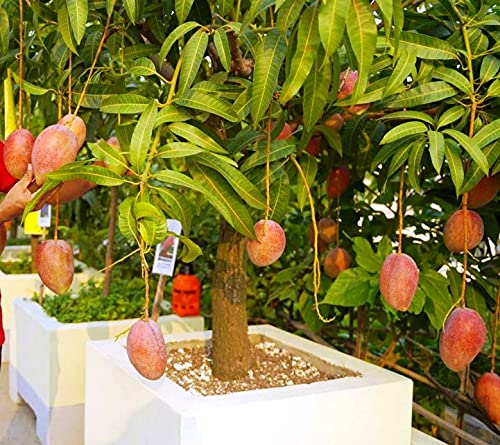
Also known as “Taiyo-no-Tamago” meaning Egg of the Sun.
-
Famous for its ruby-red to purple color, rich sweetness, and unique fragrance.
-
Average fruit weight: 350–900 grams.
-
Price: Between ₹2–2.5 lakh per kilogram in premium markets.
-
Cultivation has now started in India, particularly in Madhya Pradesh, Chhattisgarh, Uttar Pradesh, and Maharashtra.
🌱 Section 2: Key Characteristics of Miyazaki Mango
-
Tree height: Similar to regular mangoes (10–15 meters).
-
Flowers: Small, yellow-white clusters.
-
Fruit: Oval, red to purple.
-
Taste: Very sweet, juicy, high sugar content (15% Brix).
-
Skin: Thin, edible; Pulp: thick and fiberless.
🌞 Section 3: Ideal Climate & Temperature
-
Best suited for tropical and subtropical climates.
-
Temperature range: 20°C–30°C.
-
Requires 8–10 hours of direct sunlight daily.
-
In colder regions, it can be grown inside greenhouses.
🌿 Section 4: Soil & Pot Preparation
Soil Requirements
-
Loamy or sandy-loamy soil preferred.
-
Soil pH between 5.5–7.5.
-
Must be enriched with organic compost and vermicompost.
Pot/Container
-
Use a 24–30 inch wide pot or large grow bag.
-
Ensure drainage holes at the bottom.
🌱 Section 5: Plantation Methods
In Garden
-
Dig a pit of 2.5 x 2.5 feet.
-
Mix soil with cow dung manure, neem cake, and compost.
-
Place the plant and irrigate lightly.
In Pot
-
Fill pot with 50% soil + 25% sand + 25% compost.
-
Plant upright and water immediately.
-
Keep in partial shade for 3–4 days, then shift to sunlight.
💧 Section 6: Watering Schedule
-
Summer: 2–3 times per week.
-
Winter: Once every 7–10 days.
-
Reduce watering during flowering and fruiting stages.
-
Prevent waterlogging at all costs.
🌿 Section 7: Fertilizer & Nutrition
-
Apply organic manure every 30–40 days.
-
During fruiting, use balanced NPK fertilizer.
-
Add potash and phosphate for sweeter and bigger fruits.
-
Use neem cake to protect roots from pests.
✂️ Section 8: Pruning & Maintenance
-
Remove dry, diseased, or weak branches.
-
Perform light pruning before flowering.
-
Maintain proper canopy size in pots.
-
New shoots are most productive for fruits.
🐛 Section 9: Pest & Disease Control
-
Fungal disease: Spray copper sulphate solution.
-
Fruit fly: Use neem oil spray.
-
Leaf spot: Apply bio-fungicide.
-
Maintain clean surroundings for disease-free growth.
🍎 Section 10: Tips for Higher Yield
-
Place plant in full sunlight.
-
Reduce water during flowering.
-
Add bone meal and potash.
-
Prune regularly.
-
Ensure enough root space in pots.
-
Cultivation in greenhouse/net house increases yield.
🌸 Section 11: Medicinal & Health Benefits
-
Rich in antioxidants.
-
Supports heart health.
-
Boosts skin glow and anti-aging.
-
Improves digestion.
-
High in Vitamin A and C.
-
Relieves stress and fatigue.
🪔 Section 12: Cultural & Vastu Significance
-
In Japan, it symbolizes prosperity and good fortune.
-
In India, it is considered a rare and auspicious fruit.
-
According to Vastu Shastra, planting in the southeast direction enhances positivity.
📊 Section 13: Quick Care Table
| Aspect | Details |
|---|---|
| Plant Name | Miyazaki Mango (Taiyo-no-Tamago) |
| Pot Size | 24–30 inch |
| Soil | Loamy + compost |
| Sunlight | 8–10 hours daily |
| Watering | Summer – 2–3 times, Winter – once in 7–10 days |
| Fertilizer | Every 30–40 days |
| Pruning | Before flowering |
| Medicinal Uses | Good for digestion, skin, heart health |
| Market Price | ₹2–2.5 lakh per kg |
❓ Section 14: Frequently Asked Questions
Q1. Can Miyazaki mango be grown in India?
👉 Yes, successfully cultivated in Madhya Pradesh, Chhattisgarh, Uttar Pradesh, and Maharashtra.
Q2. Will Miyazaki mango bear fruits in pots?
👉 Yes, especially the dwarf varieties are suitable for pots and produce fruits.
Q3. How many fruits can a single tree yield?
👉 With proper care, one tree can produce 150–200 fruits.
Q4. Why is Miyazaki mango so expensive?
👉 Due to its rare ruby color, sweetness, limited availability, and high demand.
Q5. Does it have medicinal benefits?
👉 Yes, it is beneficial for heart, skin, digestion, and immunity.
Miyazaki Mango Eggs of Sun Mango Rare Delicious Mango Aam Healthy Fruit Plant