
Introduction
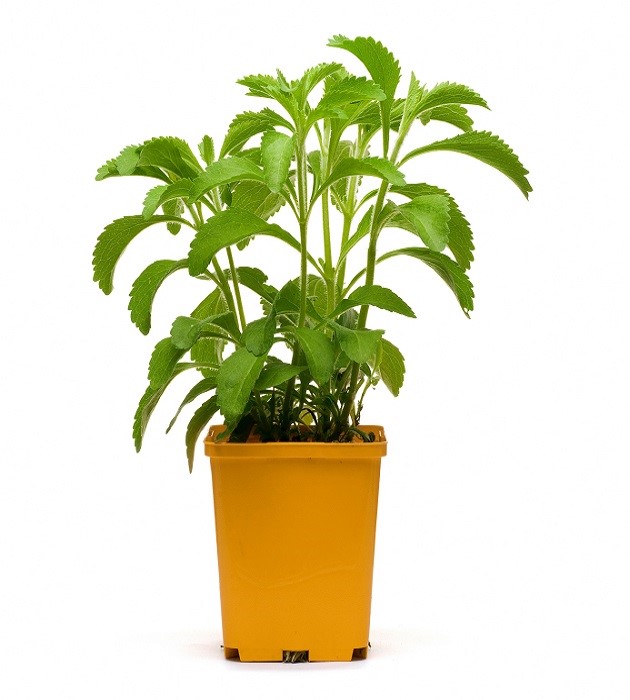
When it comes to natural sweeteners, Stevia (Stevia rebaudiana) stands out as one of the most popular and effective alternatives to sugar. Known as the “Sweet Leaf” or “Sugar Leaf”, Stevia is a green, leafy plant that belongs to the sunflower family (Asteraceae). Its leaves contain natural compounds called steviol glycosides, which are 200–300 times sweeter than table sugar yet contain zero calories.
🌱 Origin and History
Stevia originates from South America, particularly Paraguay and Brazil, where indigenous communities have been using it for centuries to sweeten teas and herbal drinks. Over time, its popularity spread across the globe, and today, it is cultivated widely in Asia, Europe, and North America due to its health and commercial benefits.
🍃 Why Stevia is Called “Sweet Leaf”
The plant earned the nickname “Sweet Leaf” because of the remarkable sweetness of its leaves. Unlike sugar, which contributes to obesity, diabetes, and dental problems, Stevia provides a naturally sweet taste without harmful side effects. This makes it a healthy sugar substitute for people of all ages, especially those dealing with diabetes and obesity.
🌍 Growing Popularity Worldwide
In recent years, health awareness has been on the rise. People are moving away from refined sugar and artificial sweeteners due to their negative impact on health. This global trend has placed Stevia at the center of attention. Major food and beverage companies have started using Stevia extracts in products like soft drinks, chocolates, protein powders, teas, and sugar-free desserts.
Countries like Japan were among the first to adopt Stevia commercially, and today it is approved by leading health organizations including the FDA (U.S. Food & Drug Administration) and the European Food Safety Authority (EFSA).
🌟 Importance of Stevia in Modern Lifestyle
-
For Health-Conscious Individuals:
Stevia helps reduce calorie intake, making it an essential part of weight management programs. -
For Diabetic Patients:
Stevia doesn’t raise blood sugar levels, making it a safe sweetener for diabetes management. -
For Everyday Use:
Whether in tea, coffee, or homemade sweets, Stevia adds natural sweetness without the harmful effects of sugar. -
For the Economy:
Stevia farming has become an emerging agricultural business. Many farmers are now cultivating Stevia due to its increasing demand and high market value.
🌱 Why You Should Grow Stevia at Home
-
Easy to grow in pots, balconies, gardens, or rooftops
-
Requires minimal care and thrives in warm climates
-
Provides fresh, chemical-free leaves for daily use
-
Helps you reduce sugar dependency naturally
Health & General Benefits of Stevia
The demand for natural sugar substitutes has grown rapidly in the last decade, and among them, Stevia is the most trusted option. Known for its zero-calorie sweetness and numerous health benefits, Stevia has been embraced worldwide as a healthy alternative to sugar. Let us explore the various benefits of this magical plant in detail.
🍃 1. Zero Calories – Ideal for Weight Management
One of the biggest advantages of Stevia is that it contains zero calories. Unlike refined sugar, which adds extra calories and contributes to weight gain, Stevia provides sweetness without affecting your daily calorie count.
-
People trying to lose weight can use Stevia in tea, coffee, juices, or desserts.
-
Fitness enthusiasts and athletes often prefer Stevia over sugar in their diet plans.
-
Replacing sugar with Stevia helps prevent obesity and related health issues.
🍃 2. Natural Sweetness Without Side Effects
Artificial sweeteners like saccharin and aspartame are known to cause side effects such as headaches, digestive problems, and even long-term health risks. In contrast, Stevia is a completely natural sweetener.
-
It is derived directly from plant leaves.
-
No harmful chemicals are involved in its natural form.
-
Safe for children, adults, and the elderly (when consumed in moderation).
🍃 3. Helps in Diabetes Management
Stevia is a blessing for diabetic patients. Its glycosides do not increase blood sugar levels, making it safe for people suffering from both Type 1 and Type 2 diabetes.
-
Regular use of Stevia can help regulate insulin production.
-
It prevents sudden spikes and drops in blood sugar levels.
-
Diabetic-friendly desserts and beverages often use Stevia instead of sugar.
🍃 4. Good for Heart Health
High sugar intake is directly linked to heart problems such as high blood pressure, cholesterol imbalance, and obesity. Replacing sugar with Stevia can improve cardiovascular health.
-
Studies suggest that Stevia helps lower high blood pressure.
-
It improves blood circulation and reduces strain on the heart.
-
Regular use may reduce risks of heart attack and stroke.
🍃 5. Dental & Oral Health Benefits
Unlike sugar, which is one of the main causes of tooth decay, cavities, and gum disease, Stevia is safe for oral health.
-
It does not promote bacterial growth in the mouth.
-
Helps maintain healthy teeth and gums.
-
Many toothpastes and mouthwashes now include Stevia extracts as a sweetener.
🍃 6. Aids in Digestion and Gut Health
Stevia has mild anti-inflammatory and anti-bacterial properties that help in maintaining a healthy digestive system.
-
Prevents acidity and bloating.
-
Supports a healthy gut microbiome.
-
Herbal teas with Stevia are known to improve digestion after meals.
🍃 7. Boosts Immunity
Rich in antioxidants, Stevia strengthens the body’s natural defense system.
-
Regular consumption protects the body from infections and free radicals.
-
Helps in preventing common illnesses like cold, cough, and seasonal flu.
-
Supports overall vitality and long-term wellness.
🍃 8. Skin Benefits
The antimicrobial properties of Stevia make it beneficial for skin health.
-
Stevia extracts help in reducing acne, pimples, and skin irritation.
-
Homemade face masks with Stevia leaves can promote glowing skin.
-
Prevents premature aging by fighting oxidative stress.
🍃 9. Safe for All Age Groups
Unlike many artificial sweeteners that are not recommended for children or pregnant women, Stevia in natural form is considered safe.
-
Children can enjoy Stevia-sweetened treats without risking tooth decay.
-
Adults can use it in beverages, desserts, and everyday meals.
-
Pregnant women may also use Stevia but should consult a doctor first.
🍃 10. Eco-Friendly and Sustainable
Beyond health benefits, Stevia also supports environmental sustainability.
-
It requires less land and water compared to sugarcane cultivation.
-
Contributes to organic farming practices.
-
Encourages a shift toward sustainable agriculture.
🌟 Summary of Health Benefits
-
✅ Zero calories, weight management support
-
✅ Safe for diabetics – does not raise blood sugar
-
✅ Improves heart health and regulates blood pressure
-
✅ Protects teeth and gums from decay
-
✅ Supports digestion and gut health
-
✅ Boosts immunity with antioxidants
-
✅ Improves skin health naturally
-
✅ Safe and eco-friendly
Planting Method of Stevia
Growing Stevia (Stevia rebaudiana) at home is simple, rewarding, and highly beneficial. Whether you want to use it for personal consumption or on a commercial scale, Stevia can be cultivated successfully with the right method. Below is the complete guide for planting Stevia.
🌱 1. Climate and Season for Planting
-
Stevia is a subtropical and tropical plant that prefers warm conditions.
-
Ideal temperature: 20°C to 30°C (68°F to 86°F).
-
It does not tolerate frost or extreme cold.
-
Best season for planting in India: February–March and July–August (before monsoon).
-
In temperate regions, Stevia can be grown indoors in pots throughout the year.
🌱 2. Soil Preparation
Stevia thrives in well-drained, sandy loam soil enriched with organic matter.
-
pH requirement: Slightly acidic to neutral (6.0–7.5).
-
Avoid saline or heavy clay soils as they cause root rot.
-
Enrich soil with compost, cow dung manure, or vermicompost before planting.
-
Good drainage is essential since Stevia roots are sensitive to waterlogging.
🌱 3. Pot Selection for Home Gardening
If you are growing Stevia at home in pots or containers:
-
Use a 12–15 inch deep pot with proper drainage holes.
-
Fill with a mix of 40% garden soil + 40% organic compost + 20% sand.
-
Place the pot in a sunny balcony, terrace, or garden.
🌱 4. Propagation Methods
Stevia can be grown through seeds or cuttings.
(a) Growing Stevia from Seeds
-
Seeds are very tiny and have a low germination rate (30–40%).
-
Use a seed tray filled with light potting mix.
-
Sprinkle seeds on the surface and cover lightly with soil.
-
Keep in partial shade and maintain moisture.
-
Seeds germinate in 7–14 days.
-
Once seedlings reach 4–5 inches, transplant them into pots or garden beds.
(b) Growing Stevia from Cuttings (Best Method)
-
Cuttings provide better survival rate and faster growth.
-
Take 3–4 inch stem cuttings from a healthy Stevia plant.
-
Remove lower leaves and dip cut end in organic rooting hormone (optional).
-
Plant in moist soil or cocopeat mix.
-
Roots develop in 2–3 weeks, after which you can transfer them to pots or open ground.
🌱 5. Spacing and Plantation Layout
-
For garden or farm cultivation: maintain 30 cm (1 ft) spacing between plants and 45 cm (1.5 ft) between rows.
-
For pots: plant 1 seedling per pot.
-
Ensure proper airflow and sunlight access.
🌱 6. Watering Guidelines
-
Stevia requires regular but light watering.
-
Keep soil moist but not waterlogged.
-
In summer, water every 2–3 days.
-
In winter, reduce watering frequency.
-
Use mulching (dry leaves, straw, or cocopeat) to retain soil moisture.
🌱 7. Fertilization for Healthy Growth
Stevia prefers organic fertilizers over chemical ones.
-
Apply vermicompost or cow dung manure once every 20–25 days.
-
Avoid heavy nitrogen fertilizers as they reduce sweetness in leaves.
-
Use neem cake powder to improve soil health and prevent pests.
🌱 8. Sunlight Requirements
-
Stevia loves full sunlight (6–7 hours daily).
-
Partial shade is acceptable, but it reduces leaf sweetness.
-
Indoor Stevia plants should be placed near south-facing windows or under grow lights.
🌱 9. Companion Plants
Stevia grows well with:
-
Tulsi (Holy Basil)
-
Mint
-
Lemongrass
-
Marigold (helps repel insects)
Avoid planting Stevia near large trees that may block sunlight or absorb nutrients.
🌱 10. Harvesting Stevia
-
First harvest: 3–4 months after planting.
-
Subsequent harvests: every 3–4 months.
-
Cut stems just above the base, leaving 3–4 inches for regrowth.
-
Dry leaves in shade for 2–3 days and store in airtight containers.
🌟 Quick Step-by-Step Summary for Beginners
-
Choose warm season and sunny spot.
-
Prepare sandy loam soil with compost.
-
Use pots (12–15 inch) or plant directly in garden.
-
Propagate through cuttings (best) or seeds.
-
Maintain spacing of 30 × 45 cm in garden beds.
-
Water lightly every 2–3 days.
-
Fertilize with organic compost every 3–4 weeks.
-
Provide full sunlight daily.
-
Harvest after 3–4 months and dry leaves for use.
Care & Maintenance Tips for Stevia Plant
Growing Stevia is simple, but to get healthy, sweet, and long-lasting leaves, proper care and maintenance are essential. Whether you are cultivating Stevia in pots, gardens, or farms, following these tips will ensure maximum growth and yield.
🌞 1. Sunlight Requirements
-
Stevia is a sun-loving plant.
-
Needs 6–8 hours of direct sunlight daily.
-
In cooler climates, place pots indoors near a south-facing window.
-
If natural light is insufficient, use LED grow lights for at least 12–14 hours.
-
Avoid full shade, as it reduces sweetness and leaf production.
💧 2. Watering Guidelines
Stevia requires consistent moisture but cannot tolerate waterlogging.
-
Keep the soil evenly moist but not soggy.
-
In summer: water every 2–3 days or when topsoil feels dry.
-
In winter: reduce watering to once every 4–5 days.
-
Best method: drip irrigation or light watering at soil level.
-
Avoid splashing water on leaves to prevent fungal infections.
🌱 3. Fertilization Schedule
Stevia grows best with organic fertilizers.
-
Apply vermicompost, cow dung manure, or compost tea once every 20–25 days.
-
Avoid excess nitrogen fertilizers as they reduce leaf sweetness.
-
For better growth, apply liquid seaweed extract or organic foliar spray once a month.
-
Add neem cake powder to prevent soil-borne diseases and pests.
✂️ 4. Pruning and Pinching
Pruning improves leaf production and keeps the plant bushy.
-
Pinch off the top 2–3 inches of stems when the plant reaches 6–8 inches tall.
-
Remove yellow or dry leaves regularly.
-
Cut back long stems to encourage branching.
-
After harvesting, leave 3–4 inches of stem for regrowth.
🐛 5. Pest & Disease Management
Stevia is relatively pest-resistant but can sometimes be affected.
Common pests:
-
Aphids
-
Whiteflies
-
Mealybugs
-
Spider mites
Natural remedies:
-
Spray neem oil solution (5 ml in 1 liter water) once a week.
-
Introduce ladybugs in the garden to control aphids naturally.
-
Use garlic or chili spray for pest control.
Common diseases:
-
Root rot (due to waterlogging)
-
Powdery mildew (white fungus on leaves)
Prevention:
-
Ensure proper drainage in pots.
-
Avoid overhead watering.
-
Use organic fungicides like Trichoderma powder if needed.
🍂 6. Seasonal Care Tips
-
Summer: Protect from extreme heat by using shade nets during mid-day.
-
Monsoon: Ensure proper drainage; avoid stagnant water.
-
Winter: Move potted plants indoors to protect from frost; use grow lights if needed.
🌿 7. Harvesting and Storage
-
First harvest: 3–4 months after planting.
-
Best time: just before flowering (leaves are sweetest then).
-
Cut stems leaving a few inches for regrowth.
-
Dry leaves in shade for 2–3 days.
-
Store in airtight containers away from moisture.
Shelf life:
-
Dried Stevia leaves remain fresh for up to 12 months.
-
Stevia powder can be stored for 6–8 months.
🌍 8. Indoor vs Outdoor Care
-
Indoor plants: require artificial light and controlled watering.
-
Outdoor plants: need protection from heavy rain and pests.
-
Both require regular pruning and harvesting for continuous growth.
🌟 Quick Care Checklist
-
✅ Full sunlight (6–8 hrs)
-
✅ Water lightly, avoid waterlogging
-
✅ Fertilize every 3–4 weeks with organic compost
-
✅ Neem oil spray for pest control
-
✅ Prune regularly for bushy growth
-
✅ Harvest before flowering for best sweetness
Stevia for Diabetic Patients
Diabetes has become one of the most common health concerns worldwide, and sugar consumption is the primary culprit. People with diabetes must avoid refined sugar, yet many artificial sweeteners available in the market come with their own side effects. Here, Stevia emerges as a natural, safe, and effective solution for diabetic patients.
🍵 Why Stevia is Safe for Diabetics
-
Stevia contains steviol glycosides, which provide sweetness without increasing blood sugar levels.
-
It has a zero glycemic index, making it suitable for both Type 1 and Type 2 diabetes.
-
Unlike artificial sweeteners, Stevia does not interfere with insulin production or sensitivity.
-
Regular consumption of Stevia may even help in maintaining balanced blood sugar levels.
🍃 Methods of Using Stevia for Diabetic Patients
-
In Tea and Coffee
-
Replace sugar with 2–3 dried Stevia leaves or a pinch of Stevia powder in your morning tea or coffee.
-
Gives the same sweetness without the harmful effects of sugar.
-
-
In Herbal Drinks and Decoctions
-
Stevia leaves can be added while boiling kadha, green tea, or herbal infusions.
-
Helps in making bitter medicines and herbal teas more palatable.
-
-
In Fruits and Salads
-
Sprinkle crushed Stevia leaves or powder over fruit bowls and salads for mild sweetness.
-
-
In Homemade Desserts
-
Use Stevia powder or drops while preparing puddings, halwa, kheer, or cakes.
-
Makes desserts diabetic-friendly without compromising taste.
-
-
Ready-to-Use Stevia Products
-
Market products like Stevia tablets, drops, or granules can be used directly in cooking or beverages.
-
Always check for pure Stevia without added artificial sweeteners.
-
⚠️ Precautions for Diabetic Patients
-
Do not consume excessive amounts, as it may cause a slightly bitter aftertaste.
-
Pregnant women, nursing mothers, and children should use Stevia under medical guidance.
-
Always prefer natural Stevia leaves or pure extracts instead of mixed products.
-
Consult your doctor before making Stevia a regular part of your diabetic diet.
🌟 Key Takeaway
Stevia is not just a sugar substitute but a natural ally for diabetic patients. It allows them to enjoy sweet flavors without guilt, keeps blood sugar in check, and promotes a healthier lifestyle. With Stevia, people with diabetes can truly “enjoy sweetness without sugar.”
Medicinal Uses of Stevia
Stevia is often celebrated as a natural sweetener, but beyond sweetness, it has remarkable medicinal properties. Traditional healers and modern researchers both recognize Stevia as a valuable plant for health and wellness. Let’s explore its key medicinal uses:
❤️ 1. Helps in Blood Pressure Regulation
-
Stevia leaves contain compounds that act as vasodilators, helping to relax blood vessels.
-
Regular consumption may reduce high blood pressure (hypertension) without side effects.
-
Unlike chemical medicines, Stevia does not lower blood pressure drastically, making it safe for long-term use.
-
Herbal teas with Stevia leaves can be a gentle remedy for mild hypertension.
🩺 2. Controls Blood Sugar Levels
-
Stevia is a boon for Type 1 and Type 2 diabetes patients.
-
Its steviol glycosides provide sweetness without affecting blood glucose.
-
Some studies suggest Stevia may even improve insulin sensitivity and help the body regulate sugar naturally.
-
Daily use in beverages or herbal teas helps maintain balanced glucose levels.
🌱 3. Supports Weight Management
-
Stevia is zero-calorie, making it an excellent alternative to sugar.
-
Helps reduce overall calorie intake, assisting in weight loss.
-
Can be used in desserts, juices, and smoothies to satisfy sweet cravings without adding fat.
-
Prevents obesity-related issues like high cholesterol and fatty liver.
🦷 4. Improves Dental Health
-
Unlike sugar, Stevia does not cause cavities or tooth decay.
-
Its antibacterial properties fight against Streptococcus mutans, the bacteria responsible for dental plaque.
-
Many natural toothpastes and mouthwashes now include Stevia as a sweetener.
-
Regular use may reduce gum infections and bad breath.
🌸 5. Promotes Healthy Skin
-
Stevia’s natural compounds help in reducing acne, dermatitis, and skin inflammation.
-
Applying Stevia-infused water or paste may soothe eczema and minor wounds.
-
Its antibacterial and anti-fungal properties keep skin clear and glowing.
-
Drinking Stevia tea may also help in detoxifying the body for better skin health.
🛡️ 6. Boosts Immunity
-
Stevia leaves are rich in antioxidants.
-
Helps fight free radicals that cause aging and chronic diseases.
-
Strengthens the body’s natural defense against infections.
-
Regular consumption in tea may reduce chances of seasonal flu and cold.
🧘 7. Improves Digestion
-
Stevia aids in proper digestion and metabolism.
-
Helps reduce acid reflux, heartburn, and indigestion.
-
Mild laxative properties prevent constipation.
-
Best consumed as Stevia herbal tea after meals.
🧠 8. Reduces Stress & Fatigue
-
Some studies suggest Stevia may have adaptogenic properties (helping the body adapt to stress).
-
Consuming Stevia tea relaxes the nerves and promotes a feeling of calmness.
-
May also improve mental alertness without caffeine dependence.
🌟 Summary of Medicinal Benefits
-
Regulates blood pressure
-
Controls blood sugar
-
Supports weight loss
-
Prevents dental problems
-
Improves skin health
-
Boosts immunity
-
Aids digestion
-
Relieves stress and fatigue
Clearly, Stevia is more than just a sweetener—it’s a natural healer.
FAQs About Stevia
When it comes to Stevia, people often have many questions regarding its safety, cultivation, and uses. Here are some of the most commonly asked questions along with clear, research-based answers.
❓ 1. Can Stevia be grown at home?
✅ Yes, Stevia can be easily grown at home in pots, balconies, terraces, or gardens.
-
It requires 6–8 hours of sunlight, light watering, and organic compost.
-
With regular pruning, it grows into a bushy plant full of sweet leaves.
❓ 2. Is Stevia safe for diabetic patients?
✅ Absolutely. Stevia is considered one of the best natural sugar substitutes for diabetic patients.
-
It has zero calories and a zero glycemic index.
-
Does not spike blood sugar or insulin levels.
-
Helps patients manage sweet cravings safely.
❓ 3. Can children consume Stevia?
✅ Yes, children can safely consume Stevia in moderate amounts.
-
It is better than refined sugar for kids’ health and teeth.
-
Use natural Stevia leaves or powder instead of flavored artificial mixes.
❓ 4. Is Stevia safe during pregnancy?
⚠️ Pregnant and breastfeeding women should use Stevia with medical consultation.
-
Natural Stevia leaves are generally safe.
-
Avoid processed Stevia products that may contain other artificial sweeteners.
❓ 5. Does Stevia have any side effects?
-
Stevia is generally safe when consumed in moderate amounts.
-
Excessive intake may cause a slightly bitter aftertaste or mild digestive discomfort.
-
Always prefer natural Stevia leaves or pure extracts.
❓ 6. How many Stevia leaves can be consumed daily?
-
About 2–3 fresh leaves or half a teaspoon of dried powder per day is enough for sweetness.
-
For diabetics, dosage should be decided after consulting a doctor.
❓ 7. Can Stevia be used in cooking and baking?
✅ Yes, Stevia can be used in a wide variety of recipes.
-
Works well in teas, coffees, juices, smoothies, and desserts.
-
Can also be added to cakes, puddings, and Indian sweets.
-
Note: Stevia is much sweeter than sugar, so use small amounts.
❓ 8. Does Stevia help in weight loss?
✅ Yes, Stevia helps reduce calorie intake by replacing sugar.
-
Keeps sweet cravings under control.
-
Prevents obesity-related health issues.
-
Works best when combined with a balanced diet and exercise.
❓ 9. Can Stevia attract pests or diseases if grown at home?
-
Stevia is generally pest-resistant.
-
May sometimes attract aphids or whiteflies, which can be controlled with neem oil spray.
-
Good drainage and proper care prevent root rot and fungal infections.
❓ 10. Can Stevia be used daily for a lifetime?
✅ Yes, Stevia is safe for long-term use.
-
Unlike artificial sweeteners, it does not have harmful side effects.
-
Many people across the world use Stevia as a daily sugar substitute.
❓ 11. Is Stevia better than jaggery or honey?
-
Jaggery and honey are natural sweeteners but contain calories and can raise blood sugar.
-
Stevia, on the other hand, is zero-calorie and does not affect blood sugar.
-
For diabetics and weight-conscious people, Stevia is the better option.
🌟 Key Takeaway
Stevia answers the needs of people looking for a safe, natural, and healthy sugar alternative. With its ability to grow easily at home and provide numerous health benefits, it has become one of the most trusted medicinal plants worldwide.
Conclusion
Stevia is truly a miracle plant gifted by nature. Known as the “Sweet Herb of Paraguay,” it has traveled across the world to become one of the most popular natural sugar substitutes. What makes Stevia special is not just its ability to add sweetness without calories, but also its wide range of medicinal, nutritional, and economic benefits.
🌟 A Natural Alternative to Sugar
In today’s world, where lifestyle diseases like diabetes, obesity, and hypertension are on the rise, Stevia offers a natural way to enjoy sweetness without guilt. Unlike refined sugar, it does not cause spikes in blood sugar or increase calorie intake. This makes it a safe and reliable sweetener for everyone, especially diabetic and weight-conscious individuals.
🌿 Easy to Grow and Maintain
Another amazing benefit of Stevia is that it is easy to grow at home. Whether in a garden, balcony, or terrace pot, Stevia requires only basic care—sunlight, moderate watering, organic compost, and occasional pruning. With just a little attention, you can enjoy a year-round supply of fresh, sweet leaves right at your doorstep.
💚 More than Just Sweetness
Beyond its role as a sugar substitute, Stevia provides numerous health benefits.
-
It regulates blood pressure
-
Controls blood sugar levels
-
Promotes dental health
-
Improves digestion and immunity
-
Supports weight loss and skin health
This makes Stevia a complete medicinal herb, not just a sweetener.
🌱 A Step Toward Sustainable Living
Growing Stevia at home also promotes eco-friendly and sustainable living. Instead of relying on chemical-laden artificial sweeteners, you can harvest your own natural, pesticide-free sweet leaves. It is cost-effective, safe, and supports a healthier lifestyle for the whole family.
🔮 The Future of Stevia
Looking ahead, Stevia is expected to play an even bigger role in healthcare, food industries, and herbal medicine. As more people shift toward organic and natural products, Stevia stands as a strong alternative to sugar, benefiting both health and the environment.
🌟 Final Words
If you want to enjoy sweetness without compromising your health, Stevia is the perfect choice. By planting Stevia at home, you are not only ensuring a natural supply of sweetness but also embracing a healthier, disease-free lifestyle.
So, why depend on sugar when you can have nature’s own sweet gift—Stevia? Start growing it today and take the first step toward a sweeter, healthier future.