
Introduction
The Snake Plant (Sansevieria), also known as Mother-in-Law’s Tongue, is one of the most popular indoor plants worldwide. Its striking upright leaves and low-maintenance nature make it an excellent choice for homes and offices. Beyond aesthetics, it is also known for its air-purifying qualities, health benefits, and positive energy according to Vastu and Feng Shui.
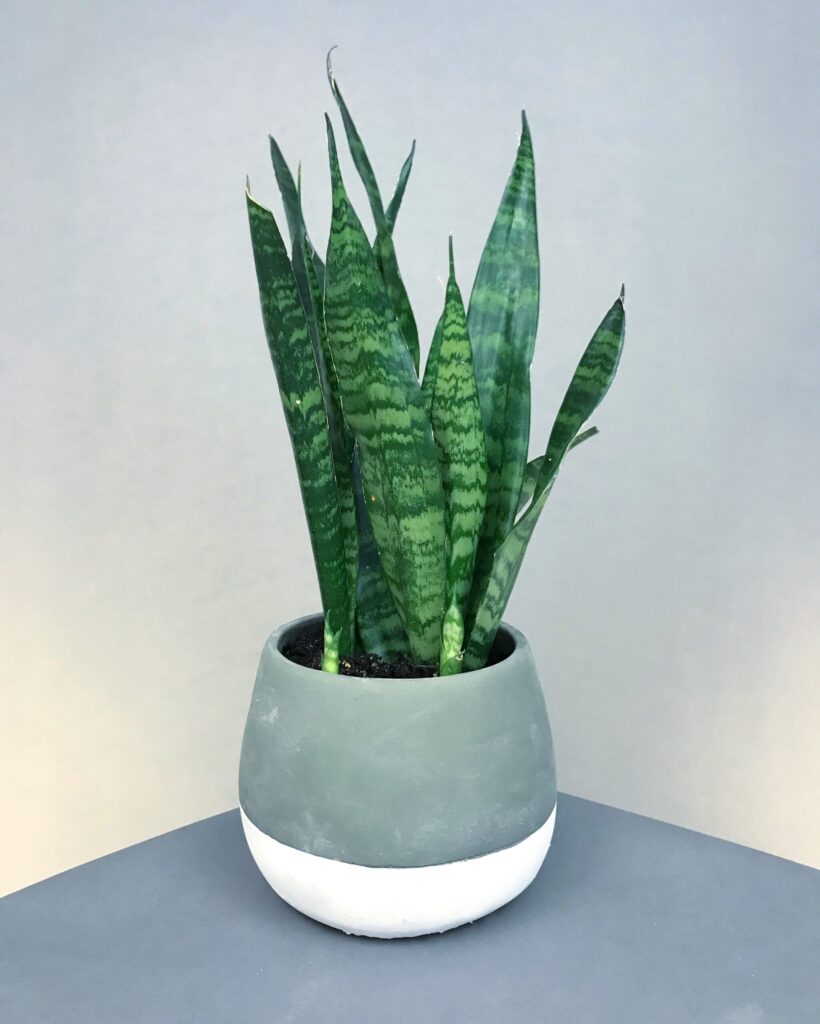
In this detailed article, you will learn:
-
Key benefits of Snake Plant
-
Correct planting method
-
Care and maintenance tips
-
Easy propagation techniques
-
Precautions and FAQs
Identification of Snake Plant
-
The leaves are long, upright, and sword-shaped.
-
Colors may range from dark green to yellow-edged or striped varieties.
-
It can tolerate both low light and bright indirect sunlight.
Benefits of Snake Plant
1. Air Purification
-
NASA research confirms Snake Plant removes benzene, formaldehyde, and trichloroethylene from indoor air.
-
Unlike most plants, it releases oxygen at night, making it perfect for bedrooms.
2. Health Benefits
-
Provides fresh oxygen indoors.
-
Helps reduce stress and fatigue.
-
Improves sleep quality by maintaining a healthier atmosphere.
3. Vastu and Feng Shui Benefits
-
Considered a good luck plant in Vastu.
-
Brings prosperity, positivity, and protective energy to the home.
4. Low Maintenance and Durable
-
Survives with minimal water.
-
Ideal for busy individuals and beginners.
How to Plant Snake Plant
1. Choosing the Right Pot
-
Use a wide pot to allow root expansion.
-
Ensure proper drainage holes at the bottom.
2. Soil Preparation
-
Snake Plant requires well-draining soil.
-
Best mix: garden soil + sand + compost in equal proportions.
3. Planting Method
-
Place the plant in the center of the pot.
-
Fill with soil mixture, press gently, and water lightly.
Snake Plant Care Guide
1. Watering
-
Water only once a week.
-
Always check if the soil is dry before watering.
-
Overwatering can cause root rot.
2. Light and Placement
-
Thrives in low to medium indirect light.
-
Avoid direct harsh sunlight, as it can burn the leaves.
-
Best placement: near a window with filtered light.
3. Fertilization
-
Feed with a liquid fertilizer every 2–3 months.
-
Minimal feeding needed during summer and monsoon.
4. Leaf Cleaning
-
Wipe leaves with a damp cloth regularly.
-
Keeps them fresh, shiny, and free from dust.
Propagation – Get More Snake Plants Easily
-
Leaf Cutting Method – Cut a healthy leaf, plant it in soil, and new shoots will appear.
-
Division Method – Separate a matured plant into sections and repot them.
Precautions
-
Keep away from children and pets – the sap may be mildly toxic if ingested.
-
Avoid overwatering.
-
Do not place in extremely cold locations.
Frequently Asked Questions (FAQs)
Q1: Can Snake Plant be kept in bedrooms?
Yes. It releases oxygen at night, making it perfect for bedrooms.
Q2: Can it be planted outdoors?
Yes, but preferably in shaded or semi-shaded areas.
Q3: How often should Snake Plant be watered?
Once a week, or only when the soil feels dry.
Conclusion
The Snake Plant is not only a beautiful indoor plant but also a powerful natural air purifier and positivity booster. Its easy care makes it one of the best plants for homes and offices.
👉 If you want to bring a healthy and low-maintenance air-purifying plant into your home, order Snake Plant today from BonsaiPlantsNursery.com.