
🌱 Introduction
Sandalwood (Chandan) is known as the “King of Fragrance” in India. It is not just a plant but a tree of religious, medicinal, economic, and spiritual importance.
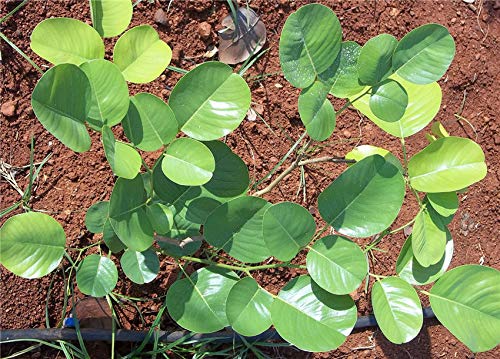
For thousands of years, sandalwood has been used in worship, Ayurveda, perfumes, and beauty products. Sandalwood wood and oil are so valuable that they are considered one of the most precious natural treasures of India.
Today, people grow sandalwood not only in gardens and homes but also as a profitable business. Planting sandalwood brings fragrance, positivity, health benefits, and financial prosperity. A sandalwood tree once planted can live for 70–80 years.
🌼 Benefits of Sandalwood Plant
1. Religious and Spiritual Importance
-
Sandalwood paste is essential in worshipping Lord Vishnu, Lord Shiva, and other deities.
-
It is used in temple rituals, abhishekam, and tilak.
-
It provides peace, stability, and spiritual energy to the mind.
-
Growing sandalwood at home attracts positivity and purity.
2. Medicinal Benefits (Ayurvedic Uses)
In Ayurveda, sandalwood is considered cooling, healing, and anti-bacterial.
-
Skin health – Sandalwood paste cures rashes, pimples, itching, and sunburn.
-
Mental peace – Its fragrance relieves stress, anxiety, and insomnia.
-
Digestive health – Sandalwood water improves digestion and relieves acidity.
-
Antiseptic – Sandalwood oil heals cuts, wounds, and prevents infections.
-
Immunity booster – Sandalwood improves body resistance and balances doshas.
3. Environmental Benefits
-
Sandalwood purifies the air and spreads fragrance.
-
Improves soil fertility.
-
Its natural fragrance keeps mosquitoes and insects away.
-
Provides natural coolness and freshness in the surroundings.
4. Economic Benefits
-
Sandalwood wood and oil are costlier than gold.
-
A mature sandalwood tree (15–20 years) can be worth lakhs of rupees.
-
Sandalwood oil is in high demand in perfumes, incense, cosmetics, and medicine.
-
Sandalwood farming is a long-term investment with high returns.
5. Positive Effects at Home
-
Brings prosperity and good luck.
-
Enhances focus and positive energy.
-
Creates a soothing and spiritual environment at home.
🌱 How to Plant Sandalwood (Planting Methods)
1. Soil Selection
-
Grows best in red, black, and loamy soil.
-
Soil must be well-drained; avoid waterlogging.
2. Climate Requirements
-
Best suited for tropical climates.
-
Requires temperature between 12°C to 35°C.
3. Seed Preparation
-
Collect mature seeds and soak them in water for 24 hours.
-
Germination takes 30–40 days.
4. Planting Time
-
The best time to plant sandalwood is monsoon (July–August).
-
Young plants need partial shade initially.
5. Supporting Host Plant
Sandalwood is semi-parasitic. It needs a host plant like turmeric, pigeon pea (arhar), or moong for nutrition.
🌿 Sandalwood Plant Care Tips
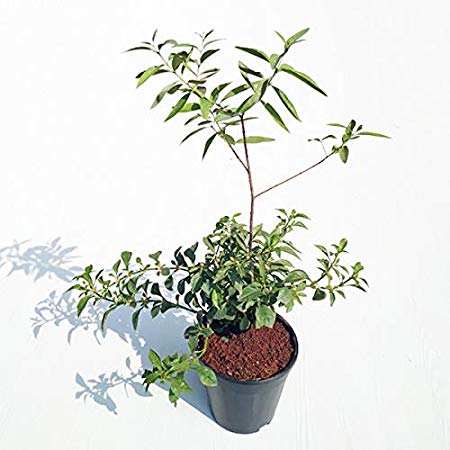
1. Watering
-
Water regularly in the first 2–3 years.
-
After maturity, it needs less water.
2. Fertilizer
-
Use organic compost and vermicompost.
-
Apply nitrogen-based fertilizers for faster growth.
3. Pruning
-
Regular pruning helps in better branch development.
4. Pest & Disease Management
-
Protect from stem borers, termites, and fungus.
-
Use organic neem oil spray for pest control.
5. Growth Duration
-
Takes 15–20 years to mature.
-
Can live for 70–80 years.
💰 Economic Value of Sandalwood
1. Sandalwood Wood
-
Highly priced in national and international markets.
-
Used in carving, rituals, and ayurvedic medicines.
2. Sandalwood Oil
-
Extracted from wood and roots.
-
1 kg of pure sandalwood oil costs ₹50,000–₹70,000 internationally.
3. Farming Opportunities
-
Farmers can earn huge profits after 15–20 years.
-
Government provides schemes to promote sandalwood cultivation.
4. Business Opportunities
-
Industries for incense sticks, perfumes, cosmetics, and Ayurveda.
-
Export market offers huge profit.
🌿 Medicinal Uses of Sandalwood
For Skin
-
Sandalwood paste reduces pimples, acne, scars, and sunburn.
For Mind & Stress
-
Sandalwood oil calms the mind and relieves stress.
For Digestion
-
Sandalwood water cures stomach disorders.
For Immunity
-
Boosts body resistance against diseases.
🛕 Religious & Vastu Importance
1. Religious Significance
-
Used in temples, poojas, and rituals.
-
Sandalwood paste for tilak is considered auspicious.
2. Vastu Importance
-
Growing sandalwood at home brings peace and prosperity.
-
Planting in the south direction is considered lucky.
3. Spiritual Use
-
Sandalwood incense is used in meditation and yoga for inner peace.
❓ FAQ Section
Q1. How many years does it take for sandalwood to mature?
👉 Around 15–20 years.
Q2. Can sandalwood be grown in pots?
👉 Yes, young plants can be grown in pots with a host plant.
Q3. Which soil is best for sandalwood?
👉 Red, black, and loamy soil with good drainage.
Q4. Do snakes live on sandalwood trees?
👉 It’s a belief, but not entirely true. Sandalwood fragrance sometimes attracts reptiles nearby, but with cleanliness, it’s not an issue.
Q5. Can sandalwood be planted at home?
👉 Yes, it spreads fragrance and positivity.
Q6. Is sandalwood farming profitable?
👉 Yes, sandalwood tree and oil are in high demand globally, making it highly profitable.
📌 Conclusion
The sandalwood plant is not just a tree but a symbol of health, spirituality, and prosperity.
-
It benefits health through Ayurveda.
-
It enriches the environment with fragrance.
-
It provides economic value worth lakhs.
-
It holds deep religious and cultural significance.
👉 If you want a plant that gives benefits for generations, sandalwood is the perfect choice.
Red sandalwood live plant (laal chandan ka podha) for home and garden